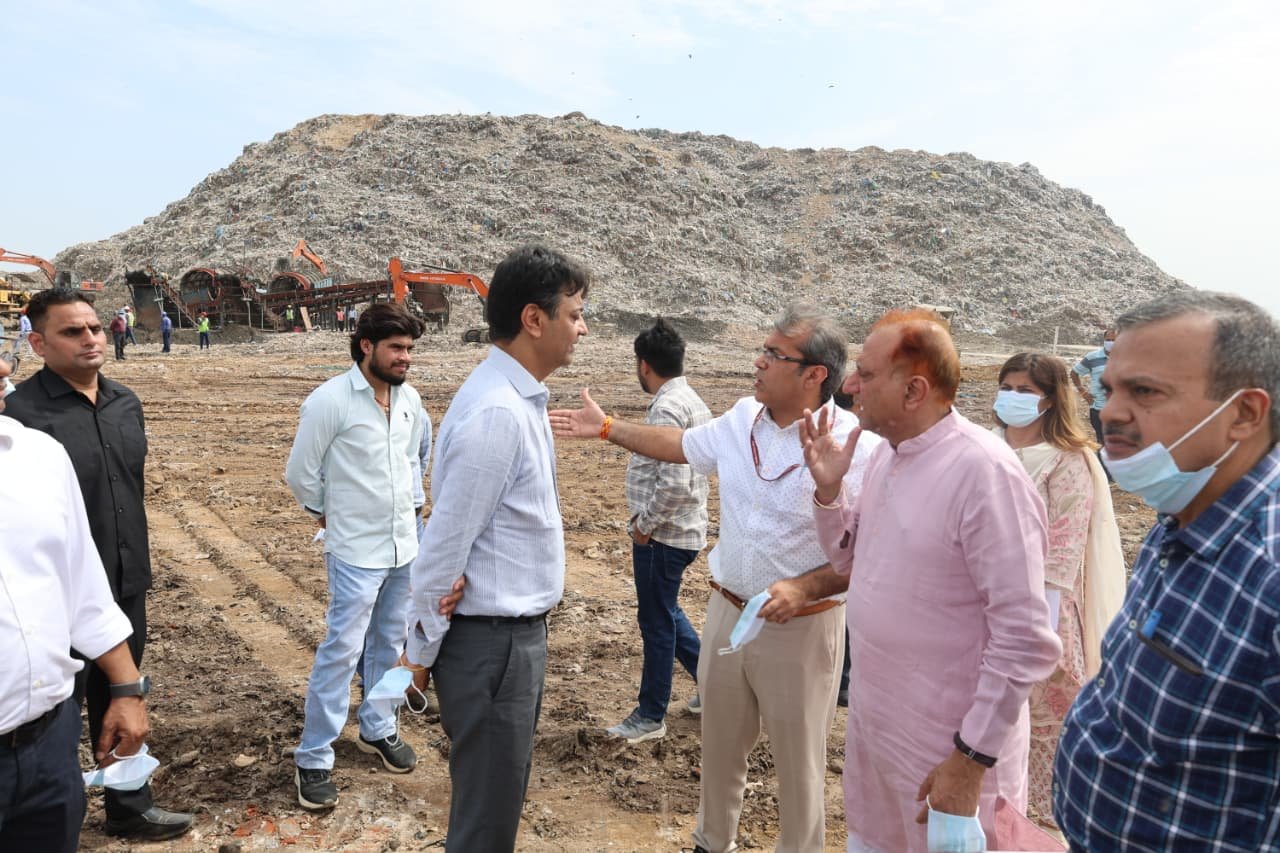
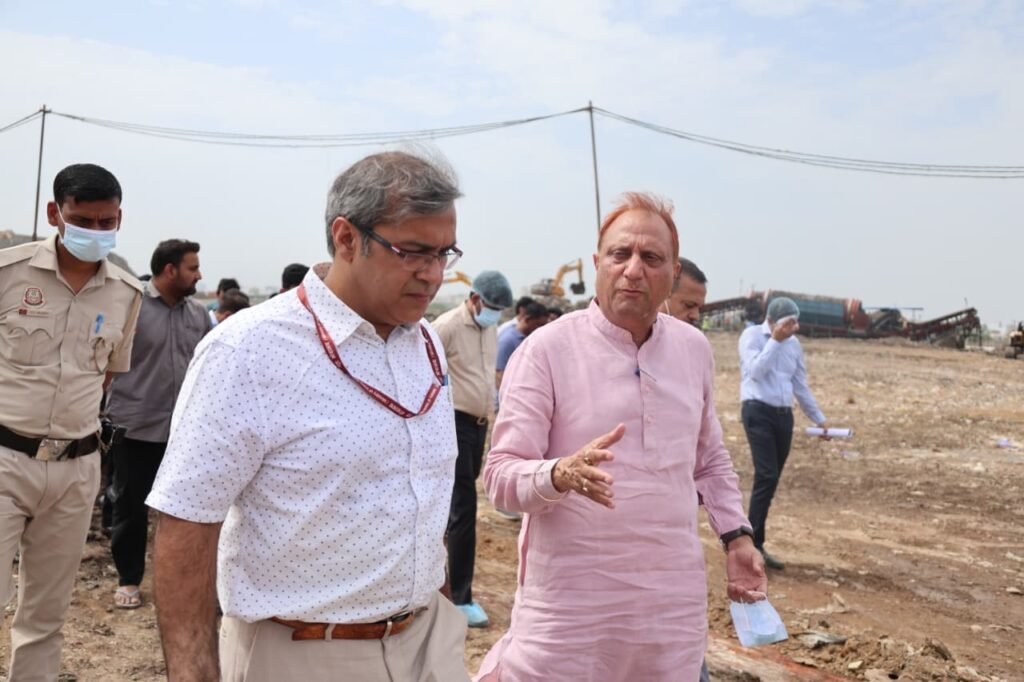
The progress of bio-remediation at the Okhla landfill site came under review during a recent inspection conducted by Delhi Mayor Shri Pravesh Wahi. Accompanied by senior officials of the Municipal Corporation of Delhi (MCD), the Mayor assessed the status of waste processing, land reclamation, and ongoing environmental restoration activities. The visit highlighted the substantial advancements achieved through sustained bio-remediation operations and reinforced the administration’s commitment to addressing one of Delhi’s most visible environmental issues.
Table of Contents
Bio-remediation Emerges as the Key Solution
The transformation of the Okhla landfill site is being driven primarily through bio-remediation, a scientific waste-management process designed to treat and reduce legacy waste in an environmentally sustainable manner. Unlike traditional landfill management methods that merely relocate waste, bio-remediation focuses on processing accumulated garbage through segregation, resource recovery, recycling, and scientific disposal.
Experts consider bio-remediation one of the most effective methods for dealing with old landfill sites because it significantly reduces environmental hazards while simultaneously recovering land. The process involves excavating legacy waste, separating recyclable materials, extracting reusable resources, and scientifically disposing of inert material. Over time, this approach helps reduce landfill height, minimizes harmful emissions, and restores degraded land for future use.
Environmental planners have increasingly advocated for bio-remediation as Indian cities struggle with growing waste generation and shrinking land availability. The success of bio-remediation projects at various landfill sites across the country has encouraged municipal authorities to adopt the approach as a long-term waste-management strategy.
Mayor Reviews Progress at Okhla Landfill
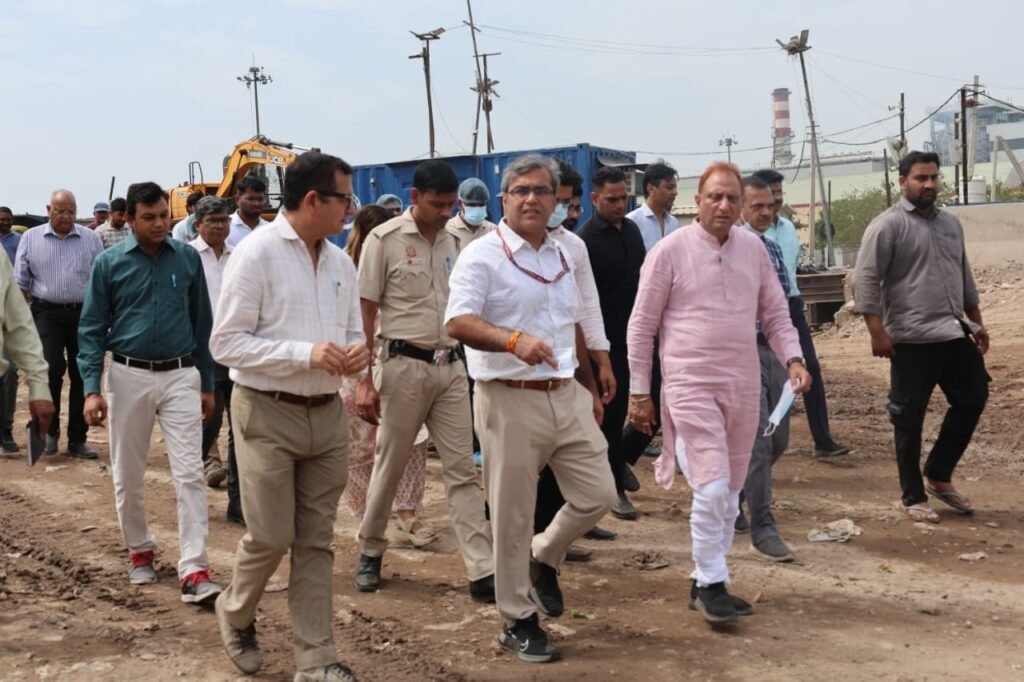
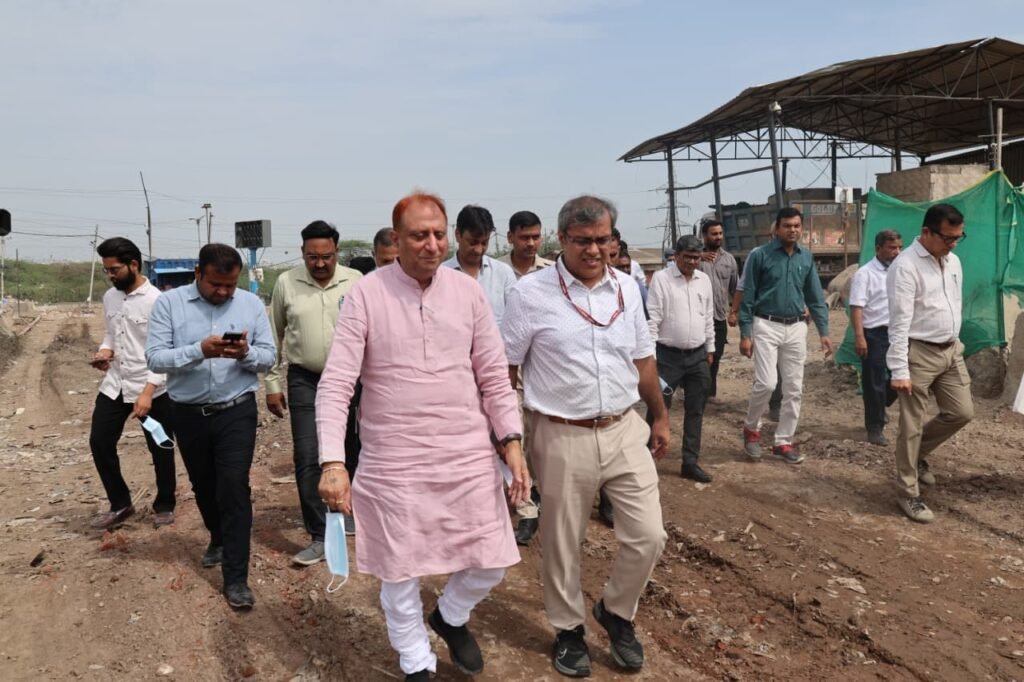
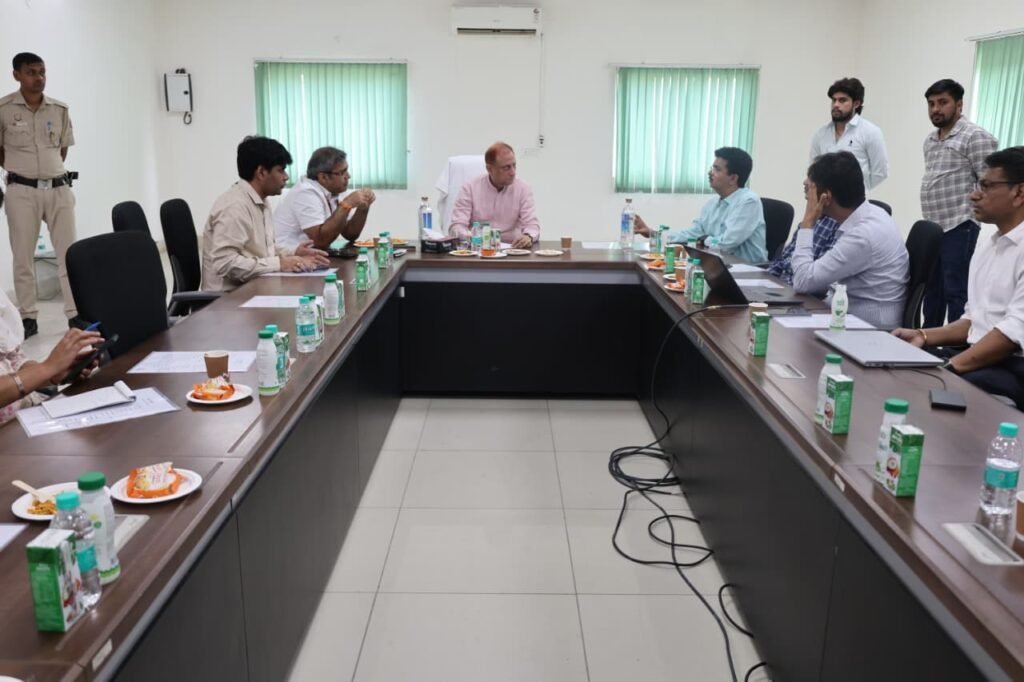
During his visit to the landfill site, Mayor Shri Pravesh Wahi reviewed the ongoing bio-remediation operations and received detailed briefings from Municipal Corporation officials regarding waste processing activities. Senior officials, including MCD Commissioner Shri Sanjeev Khirwar, Additional Commissioner Dr. Satendra Singh Dursawat, Engineer-in-Chief Shri P.C. Meena, and other officers, were present during the inspection.
The Mayor expressed satisfaction with the pace of bio-remediation work and acknowledged the efforts of municipal teams involved in executing the large-scale operation. According to officials, significant progress has been achieved in reducing the waste burden at the site, bringing the landfill closer to complete elimination.
One of the most notable achievements highlighted during the inspection was the clearance of approximately 23 acres of land through bio-remediation activities. The reclaimed land represents a major milestone in Delhi’s waste-management journey and demonstrates the effectiveness of systematic waste processing and disposal mechanisms.
The recovery of such a substantial area is particularly significant given Delhi’s growing demand for urban land. Land previously occupied by waste mountains can eventually be repurposed for environmentally beneficial projects, public infrastructure, green spaces, or other developmental initiatives.
Legacy Waste Disposal Reaches Final Stage
A major focus of the ongoing bio-remediation initiative is the removal of legacy waste accumulated over several decades. Legacy waste refers to old garbage deposits that have remained untreated in landfill sites for years, often generating environmental and public health concerns.
These waste mountains typically release methane, a potent greenhouse gas that contributes to climate change. They can also generate foul odors, attract pests, contaminate groundwater, and pose fire hazards. Addressing legacy waste has therefore become a priority for urban local bodies across India.
According to information shared during the inspection, the disposal of legacy waste at the Okhla landfill site has entered its final phase. Officials indicated that the remaining stock of historical waste is expected to be processed and disposed of within approximately one week.
This development marks a crucial stage in the bio-remediation project. Eliminating legacy waste not only reduces environmental risks but also prevents further degradation of surrounding ecosystems and residential areas.
Urban environmental experts note that successful removal of legacy waste often delivers long-term benefits that extend beyond landfill boundaries. Improved air quality, reduced groundwater contamination risks, and enhanced public health outcomes are among the advantages frequently associated with comprehensive bio-remediation programs.
Processing Fresh Waste Through Scientific Methods
While addressing historical waste remains a key objective, authorities are also focusing on ensuring that fresh waste entering the site is managed efficiently. According to officials, incoming waste at the Okhla landfill site will continue to undergo scientific processing and disposal, with the goal of completing this work by December 2026.
The emphasis on processing fresh waste reflects a broader shift in urban waste-management practices. Modern waste strategies increasingly prioritize segregation, recycling, composting, and resource recovery rather than simply dumping waste in landfill sites.
Bio-remediation plays a critical role within this framework by helping cities transition away from dependence on traditional landfill systems. By treating waste as a resource rather than merely a disposal problem, municipal authorities can improve sustainability while reducing environmental impacts.
Experts suggest that long-term success will depend not only on bio-remediation but also on strengthening waste segregation at the source. Public participation in separating biodegradable, recyclable, and non-recyclable waste can significantly improve processing efficiency and reduce landfill dependency.
Environmental Benefits of Bio-remediation
The environmental significance of bio-remediation extends far beyond waste reduction. The process contributes to multiple sustainability goals that are increasingly important for rapidly growing urban centers.
One major benefit is the reduction of greenhouse gas emissions. Landfill sites are among the largest sources of methane emissions in urban areas. Through systematic processing of waste, bio-remediation helps minimize methane generation and supports climate-change mitigation efforts.
Another important advantage is the conservation of land resources. Urban land is both scarce and valuable, particularly in metropolitan regions such as Delhi. By reclaiming landfill areas, bio-remediation creates opportunities for future development without requiring additional land acquisition.
Groundwater protection is another critical outcome. Old landfill sites often produce leachate—a liquid generated when water passes through waste—which can contaminate underground water sources. Scientific waste processing reduces this risk and contributes to improved environmental health.
Air quality improvements also emerge as a significant benefit. Residents living near landfill sites frequently experience unpleasant odors and airborne pollutants. Successful bio-remediation can dramatically reduce these issues, improving overall quality of life for nearby communities.
Administrative Commitment Drives Progress
The rapid advancement of bio-remediation activities at the Okhla landfill site reflects sustained administrative commitment from municipal authorities. During the inspection, Mayor Shri Pravesh Wahi emphasized that eliminating garbage mountains remains a priority objective.
He also highlighted the active monitoring of landfill remediation efforts by Delhi Chief Minister Smt. Rekha Gupta. According to municipal officials, regular oversight and coordinated planning have played an important role in accelerating waste-processing operations.
Large-scale bio-remediation projects require extensive coordination among engineering teams, environmental specialists, waste-management professionals, machine operators, and administrative personnel. The successful execution of such projects often depends on consistent supervision and efficient resource allocation.
The Mayor acknowledged the dedication of the Municipal Corporation workforce engaged in the operation. Workers, engineers, and technical teams have been carrying out continuous waste processing activities despite the challenges associated with handling large volumes of accumulated garbage.
A Model for Urban Waste Management
The progress achieved at the Okhla landfill site offers valuable lessons for other cities confronting similar waste-management challenges. Across India, many urban centers continue to grapple with aging landfill sites and increasing waste generation.
The success of bio-remediation at Okhla demonstrates how scientific waste treatment can transform environmental liabilities into opportunities for urban renewal. As more cities adopt bio-remediation strategies, the approach is increasingly being viewed as a practical solution for addressing legacy waste while promoting sustainable development.
Environmental experts often point out that landfill elimination projects require patience, investment, and long-term planning. However, the benefits—including reclaimed land, improved environmental quality, reduced emissions, and enhanced public health—can justify the effort and expenditure involved.
The ongoing transformation of the Okhla landfill site represents a significant step in Delhi’s broader effort to modernize waste management infrastructure. With 23 acres already cleared and legacy waste disposal nearing completion, bio-remediation is steadily reshaping one of the city’s most prominent landfill locations and moving Delhi closer to a cleaner, healthier, and more sustainable urban future.