MS Dhoni has offered a straightforward message to Gen Z, Gen Alpha and millennials struggling with modern lifestyles, stress and health concerns: prioritise physical fitness, develop healthier food habits and make time for sports. His remarks, shared in a video circulating on social media, have drawn attention for highlighting the relationship between changing food habits, declining physical activity and long-term well-being.
Dhoni, widely recognised for his calm approach to cricket and life, argued that India’s traditional carbohydrate-rich diet developed in a time when everyday activities involved considerably more physical labour. According to him, the same dietary patterns have continued across generations even as lifestyles have become increasingly sedentary.
The former India captain also raised concerns about the growing popularity of fast food, sugary products and fried items, particularly among people who spend much of their day sitting at desks or travelling in vehicles. He encouraged young people to participate in sports during their school years, explore their athletic abilities and dedicate at least one hour a day to physical fitness.
His comments have resonated with a broader discussion about the health challenges associated with modern routines, in which academic pressure, professional responsibilities, screen time and convenience can leave limited room for regular physical activity.

Table of Contents
MS Dhoni’s Advice to Young Generations Goes Viral
MS Dhoni, during his time as captain of the Indian cricket team and the Chennai Super Kings (CSK), was known for emphasising discipline, consistency and the importance of following a process rather than becoming overly concerned about immediate results. His latest remarks reflect a similarly practical approach, this time focusing on health and lifestyle choices.
The former captain retired from international cricket on August 15, 2020. Although he stepped away from international cricket, MS Dhoni’s association with the Chennai Super Kings has continued to keep him in the public eye. According to reports, he was part of the CSK squad in IPL 2026 but did not play a match during that season.
A video featuring MS Dhoni speaking about health and fitness has recently circulated on social media. The exact date on which the video was recorded could not be independently ascertained from the available information.
At the event, MS Dhoni appeared alongside prominent lyricist and poet Javed Akhtar. They were asked what advice they would offer Gen Z, Gen Alpha and millennials who feel stuck in their routines, struggle to get out of bed, experience pain or deal with anxiety.
MS Dhoni responded by focusing on physical health rather than offering a complicated formula for improving life. His answer centred on the connection between food habits, everyday movement, sports participation and the ability to remain physically active over the long term.
Rather than recommending an elaborate fitness routine, he encouraged young people to make small but consistent investments in their health. His emphasis was on recognising that lifestyle choices made during younger years can influence how people feel and function as they grow older.
Why Dhoni Believes India’s Food Habits Need Greater Attention
One of the main points in MS Dhoni’s remarks was the relationship between India’s traditional food culture and the physical demands of everyday life.
He explained that Indian diets, depending on the region and community, have traditionally included substantial amounts of carbohydrates. These dietary patterns developed in a social and economic environment where many people performed physically demanding work as part of their daily routines.
MS Dhoni suggested that the circumstances surrounding food consumption have changed considerably. While many people continue to follow similar dietary patterns, their daily activities may involve far less physical exertion than those of previous generations.
He observed that modern routines frequently involve travelling in cars, taxis or auto-rickshaws, followed by long periods of sitting at work. As a result, people may spend much of their day without engaging in significant physical movement.
His broader argument was that eating habits should be considered alongside activity levels and the demands of an individual’s lifestyle.
Carbohydrates are an important source of energy and form part of many balanced diets. Rice, wheat, millets, potatoes and other carbohydrate-containing foods remain staples in different parts of India. The nutritional value of a meal, however, depends on more than one food group. Portion sizes, overall dietary variety, protein intake, fibre and individual energy requirements also matter.
MS Dhoni’s comments focused on the changing relationship between food and physical activity rather than suggesting that one particular nutrient should be eliminated.
The issue he highlighted is especially relevant to people whose daily routines involve prolonged sitting. When movement becomes less frequent, maintaining a balanced approach to food, exercise and rest becomes increasingly important.
Sedentary Lifestyles and the Decline in Everyday Movement
MS Dhoni used an ordinary example to explain how convenience can reduce physical activity.
He pointed out that people may leave their apartment buildings and immediately take an auto-rickshaw or cab to reach their destination. They then spend hours sitting at a desk before using a vehicle again to return home.
His observation highlighted how movement that once formed a routine part of daily life can gradually disappear from modern schedules.
For many students and working professionals, the day can involve sitting in classrooms, attending online lectures, using computers, travelling between locations and spending leisure time on mobile phones. Although these activities serve practical purposes, they can leave limited opportunities for walking, playing outdoors or participating in sports.
The challenge is not necessarily a lack of awareness about fitness. Many people understand the importance of exercise but find it difficult to incorporate movement into demanding schedules.
Dhoni’s message encourages people to reconsider the small decisions that shape their daily routines. Walking short distances when practical, taking movement breaks during extended periods of sitting and participating in recreational activities can provide opportunities to become more active.
His example also draws attention to the difference between deliberate exercise and everyday movement. A person may occasionally visit a gym but still spend most of the day sitting. Similarly, someone who does not follow a formal workout programme may remain active through walking, cycling, sports or other regular activities.
The central point is that physical activity needs to become a consistent part of life rather than something reserved for occasional periods of motivation.
Fast Food, Sugary Products and Changing Eating Patterns
MS Dhoni also discussed how the availability and popularity of fast food have changed in India.
Reflecting on his own younger years, he said that fast-food culture was only beginning to expand when he was growing up. He argued that it has since become far more prominent, making sugary and fried foods an important consideration when discussing the eating habits of younger generations.
His concern was particularly directed at people who consume such foods while maintaining relatively inactive lifestyles.
Fast food can be convenient, especially for students, office workers and people with busy schedules. However, frequently consuming foods high in added sugar, salt or unhealthy fats, while neglecting dietary variety, can make it more difficult to maintain a balanced diet.
Sugary drinks, packaged snacks and some fried foods may also provide substantial energy without supplying the range of nutrients found in more varied meals.
At the same time, the nutritional value of food depends on its ingredients, preparation methods, portion size and the overall pattern of consumption. Not every fast-food item has the same nutritional profile, and a healthy diet does not require people to completely avoid every food they enjoy.
MS Dhoni’s wider message was about developing awareness and moderation. He encouraged young people to consider their eating habits in the context of their daily activity levels and long-term health.
For students and young professionals, practical steps can include eating regular balanced meals, including fruits and vegetables, choosing water more often than sugary drinks and paying attention to how frequently highly processed snacks replace more nutritious options.
These habits do not require a complicated diet plan. Consistency and a balanced approach can be more sustainable than extreme restrictions.

Dhoni Encourages Students to Participate in Sports
A particularly important part of MS Dhoni’s advice was his recommendation that young people participate in every sport available to them during their school years.
He encouraged students to explore different activities and identify whether they have a particular talent or interest. MS Dhoni’s message was not limited to those who want to become professional athletes. Instead, he presented sports participation as an opportunity to build a healthier lifestyle and potentially discover abilities that could develop over time.
School sports can introduce children and teenagers to teamwork, discipline, coordination and the value of regular practice. Activities such as football, cricket, badminton, basketball, athletics and swimming can also help young people discover forms of movement they genuinely enjoy.
Not every student will develop a competitive sporting career, and that is not necessary for sports to be valuable. Recreational participation can offer physical, social and emotional benefits while creating opportunities to spend time away from screens and sedentary routines.
MS Dhoni’s own career provides context for his emphasis on discipline and consistent effort. As a former international cricketer and long-serving CSK captain, he built his public reputation around decision-making, preparation and composure under pressure.
His advice encourages young people to apply similar principles to their own lives by exploring opportunities, developing interests and remaining consistent rather than expecting immediate results.
He also suggested that the benefits of healthy habits become more apparent later in life. By encouraging people to begin during their school years, MS Dhoni highlighted the importance of establishing routines before professional and family responsibilities become more demanding.
Why Dhoni Emphasised Fitness at 30 and 35
MS Dhoni suggested that people who explore their abilities and develop healthy habits while young may appreciate those decisions when they reach the age of 30 or 35.
The point reflects the long-term nature of physical well-being. Fitness is not simply about appearance or short-term performance. It can also affect a person’s ability to carry out everyday activities, participate in family life and remain independent as responsibilities increase.
People entering their thirties may find themselves balancing careers, financial commitments, relationships and family responsibilities. Without consistent attention to health, it can become difficult to find time for exercise and recreational activities.
Developing sustainable habits earlier can help make physical activity a familiar part of everyday life rather than a task that must be introduced under pressure later.
However, it is never too late to become more active. People can begin at different ages and adjust their activities according to their abilities, circumstances and health needs.
MS Dhoni’s emphasis was on making health a long-term priority rather than waiting until it becomes difficult to ignore.
Why Dhoni Recommends One Hour of Daily Fitness
MS Dhoni made his advice particularly practical by recommending that people set aside one hour each day for physical fitness.
He acknowledged that people have significant responsibilities. They may need to earn money, support their parents and eventually provide for their children. These obligations can make personal health appear less urgent than work or financial stability.
However, he questioned whether people would be able to enjoy everyday family activities if they neglected their physical fitness.
He specifically mentioned the ability to play with one’s sons and daughters, linking fitness to participation in ordinary family life rather than simply sporting achievement.
The observation adds a personal dimension to his advice. Exercise can help people maintain the capacity to walk comfortably, play recreational games, travel, pursue hobbies and participate in activities with family members.
An hour of physical activity does not have to mean an intense workout every day. Depending on an individual’s age, fitness level and circumstances, it could include walking, cycling, swimming, dancing, playing a sport or following a suitable exercise routine.
People who are new to exercise can start with manageable activities and gradually build consistency. Those with health concerns or physical limitations may need guidance from a qualified healthcare professional before beginning a demanding routine.
The important distinction is between making fitness a regular priority and treating it as an occasional activity that happens only when time permits.
Dhoni’s Message About Investing in Yourself
Towards the end of his response, MS Dhoni emphasised the importance of investing in oneself through physical fitness and simple food habits.
His argument was that professional success and financial responsibility should not come at the expense of personal well-being. Earning money and supporting family members are important goals, but maintaining the ability to enjoy life and participate in family activities also deserves attention.
This message is relevant to younger generations who face academic expectations, career uncertainty and pressure to establish financial independence. In such circumstances, health routines can easily be postponed in favour of immediate responsibilities.
MS Dhoni’s approach encourages a more balanced perspective. Rather than treating fitness as a separate ambition, people can view it as part of the foundation that supports their other goals.
Investing in health does not necessarily require expensive gym memberships, specialised equipment or complicated meal plans. Walking regularly, participating in accessible sports, eating balanced meals and maintaining a consistent sleep schedule can all contribute to a healthier routine.
The specific activities will differ according to individual circumstances, but the broader principle remains the same: health requires regular attention.
MS Dhoni’s Advice Reflects a Wider Conversation About Modern Health
The viral video has brought attention to a wider conversation about how lifestyles are changing across generations. Greater access to transport, digital entertainment, convenience foods and desk-based work has altered how many people spend their time.
These changes offer benefits, but they can also reduce opportunities for movement and encourage habits that may not support long-term well-being when left unchecked.
For Gen Z, Gen Alpha and millennials, the challenge is to balance the advantages of modern life with routines that support physical health. Students can explore school sports and outdoor activities, while working adults can look for practical opportunities to move during the day.
Families and educational institutions can also help by making physical activity more accessible and encouraging young people to discover sports that suit their interests.
MS Dhoni’s remarks do not offer a single solution to every health concern, nor do they suggest that food habits alone explain anxiety, pain or difficulty getting out of bed. Those experiences can have many causes, and persistent or serious symptoms may require appropriate professional support.
Instead, his central message is straightforward: make time for physical activity, pay attention to everyday food choices and establish habits that can be maintained over the long term.
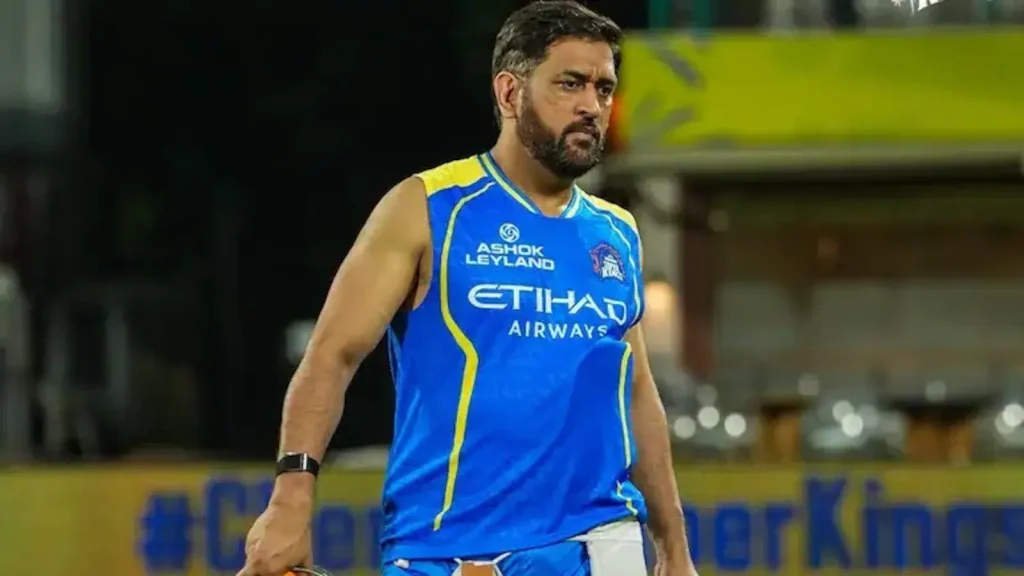
MS Dhoni’s advice to Gen Z, Gen Alpha and millennials has attracted attention because it focuses on practical changes rather than complicated fitness rules. By discussing carbohydrate-rich diets, the popularity of fast food, reduced everyday movement and the importance of school sports, he highlighted how modern routines can influence health.
His recommendation to dedicate one hour a day to fitness reflects his belief that physical well-being should remain a priority even when people are balancing work, financial commitments and family responsibilities.
The former India captain’s broader message is that health is an investment in the future. Developing sustainable habits, exploring sports and remaining physically active can help people build a stronger foundation for everyday life.
Ultimately, Dhoni’s advice is less about achieving a particular fitness target and more about making consistent choices that support long-term well-being. For younger generations navigating increasingly busy and sedentary lifestyles, that simple message has become the central point of the viral discussion.