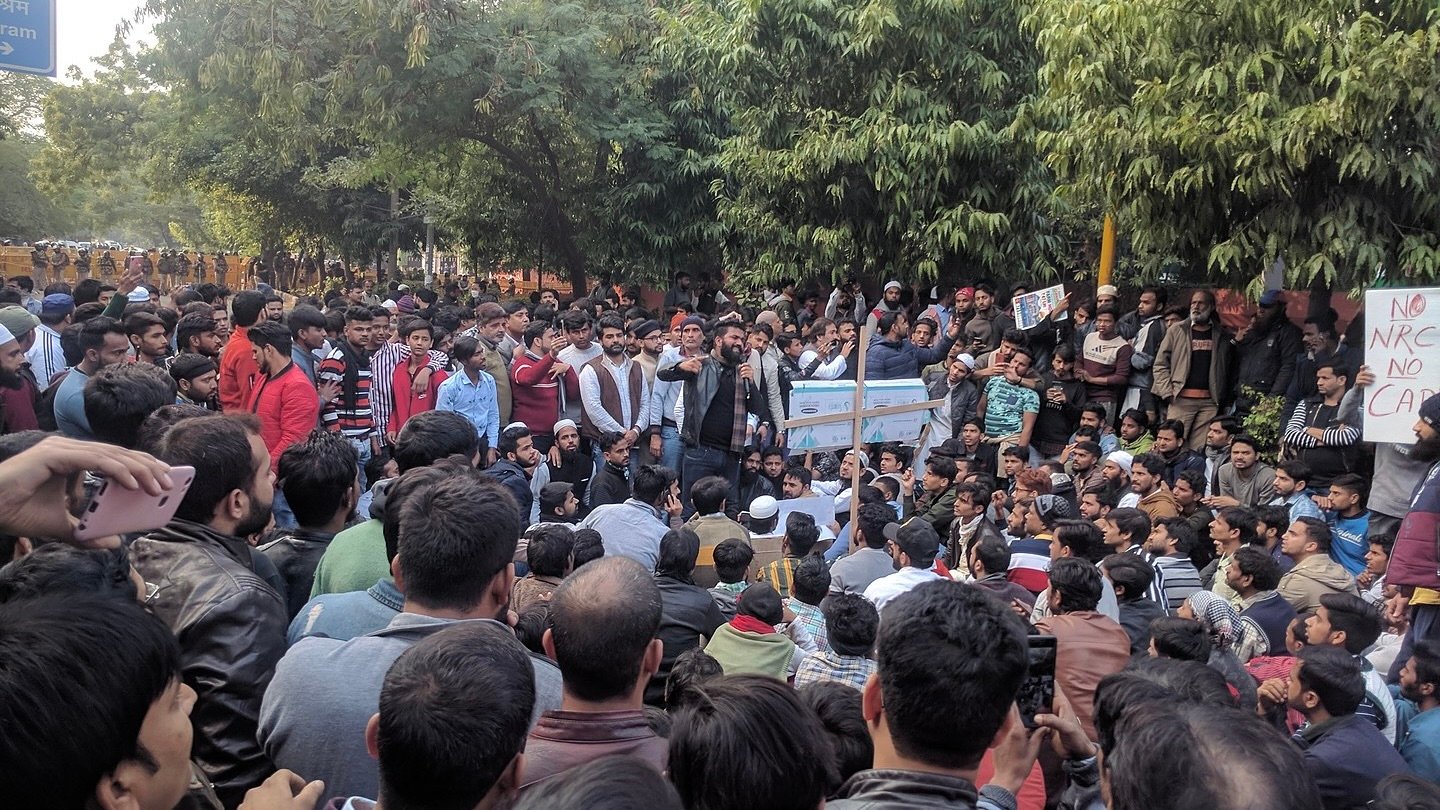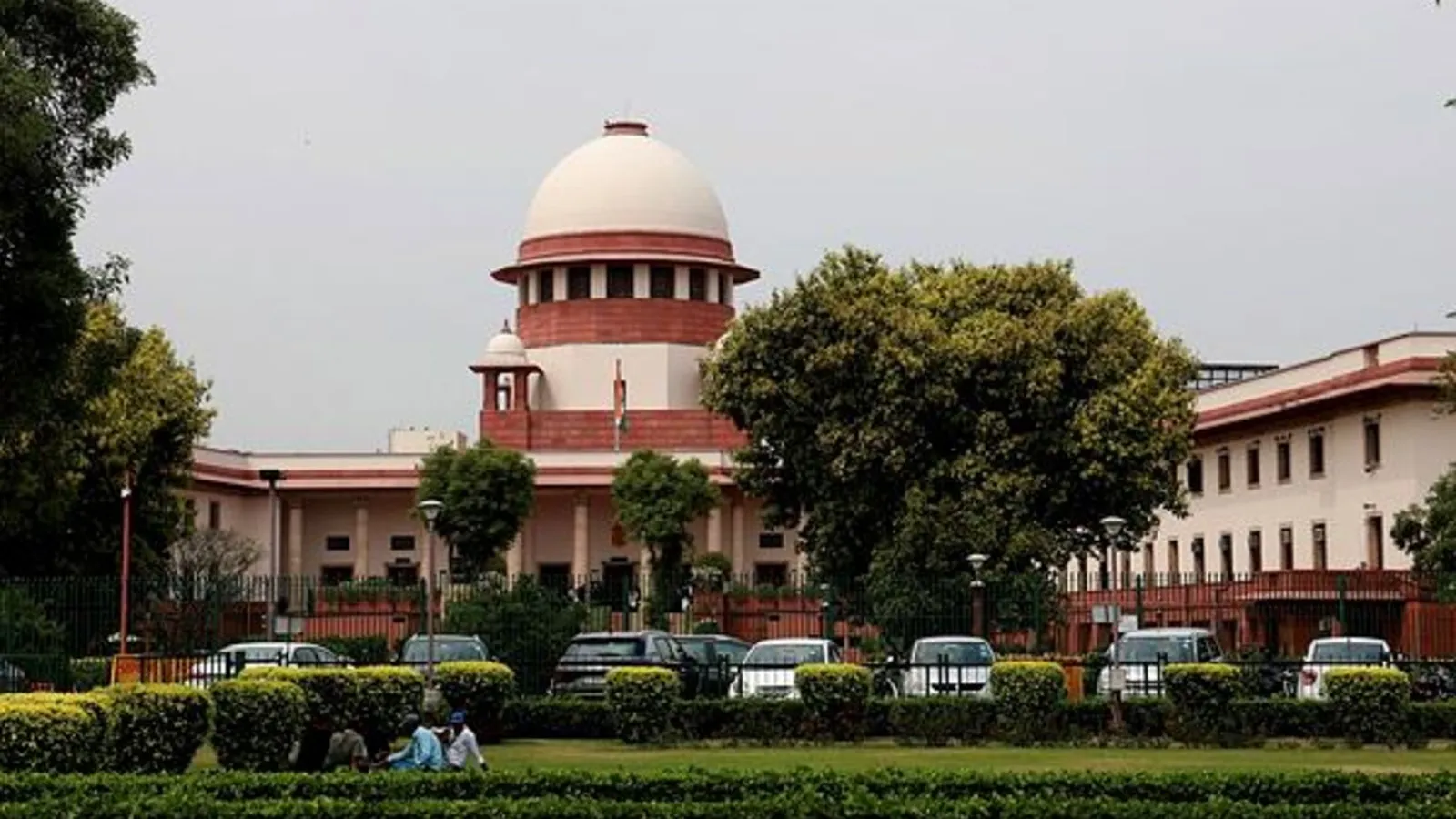
The Supreme Court of India has significantly revised the eligibility framework for entry-level judicial service recruitment, reducing the mandatory legal practice requirement for aspiring Civil Judges (Junior Division) from three years to one year. The ruling, delivered on August 21, 2026, modifies the Court’s earlier 2025 decision while retaining the principle that practical exposure to the legal profession is important before entering the judiciary.
The decision is particularly significant for law graduates and young advocates preparing for judicial service examinations. Under the revised framework, candidates will have a shorter mandatory practice requirement in the regular system, while selected candidates will undergo structured judicial training and law clerkship before taking up independent judicial responsibilities.
The Court has also created a transitional arrangement up to March 31, 2027, under which eligible law graduates can apply without having to demonstrate the earlier three-year practice requirement.
Table of Contents
Supreme Court Changes Three-Year Practice Rule
The latest judgment concerns direct recruitment to the post of Civil Judge (Junior Division), which represents an important entry point into India’s subordinate judiciary.

In May 2025, the Supreme Court had restored a requirement that candidates possess three years of legal practice before appearing for entry-level judicial service examinations. That decision had generated considerable discussion among law students, recent graduates and aspiring judicial officers because it meant that fresh law graduates could no longer immediately compete for these positions.
Following review proceedings and further consideration, the Court has now modified that requirement.
Under the revised framework, candidates appearing in recruitments notified from April 1, 2027, will need at least one year of actual legal practice before appearing for the Civil Judge (Junior Division) examination. The practice will have to be verified through a certificate and the prescribed mechanism of the concerned High Court.
The Supreme Court has therefore retained the concept of prior professional exposure but substantially reduced the period required.
What Happens During the Transitional Period?
The judgment also addresses candidates caught between the earlier 2025 ruling and the revised framework.
For judicial-service examinations covered by the transitional period, extending through March 31, 2027, law graduates will be permitted to apply without demonstrating three years of prior practice. For application purposes, candidates will be deemed to have completed one year of active practice and will not need to provide a separate certificate for that deemed period.
However, this does not mean selected candidates will immediately begin functioning as independent judges.
Candidates selected under the transitional arrangement will initially be designated as Trainee Judicial Officers. They will have to complete structured training and clerkship before entering regular judicial service.
This transitional framework is intended to prevent fresh graduates and recent law graduates from facing sudden exclusion because of the earlier three-year requirement.
One Year of Judicial Academy Training
One of the most important features of the new framework is the emphasis on institutional training.
Selected candidates will undergo one year of intensive training at the concerned State Judicial Academy. The Court has treated this period as equivalent to one year of practice for the purposes of the framework.
The idea is to ensure that young judicial officers receive structured exposure to the practical aspects of judicial work.
Judicial academies can provide training in areas such as court procedures, legal reasoning, judgment writing, courtroom conduct and other practical responsibilities associated with judicial office.
During the trainee period, candidates under the transitional arrangement will receive remuneration equivalent to half of the gross remuneration of a Judicial Magistrate First Class, along with facilities and benefits available to trainees at the relevant State Judicial Academy.
One-Year Structured Law Clerkship After Training
The judicial academy training will be followed by another significant component: a one-year structured Law Clerkship.
The clerkship will be divided into two six-month periods.
The first six months will be spent under the supervision of a Principal District Judge, District and Sessions Judge or a member of the Higher Judicial Service. The remaining six months will be spent under the supervision of a sitting judge of the concerned High Court.
This arrangement is designed to give trainees practical exposure to the functioning of courts at different levels.
During the clerkship, trainees can become familiar with courtroom proceedings, case preparation, procedural requirements, legal submissions and the process involved in analysing cases and preparing judicial orders.
The Supreme Court has therefore attempted to combine professional exposure with institutional training rather than relying exclusively on years spent practising independently at the Bar.
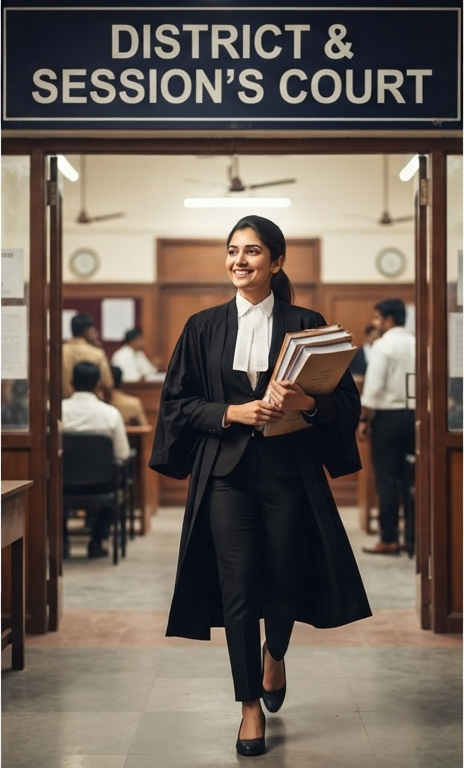
What Will Change From April 1, 2027?
The rules become more clearly defined for recruitments notified on or after April 1, 2027.
Under the post-transitional framework, candidates seeking to appear for the Civil Judge (Junior Division) examination will need to demonstrate at least one year of actual legal practice.
This practice will need to be verified through a Certificate of Practice issued according to a mechanism prescribed by the respective High Courts.
The certificate is expected to record the candidate’s participation and presence in effective judicial proceedings, rather than simply establishing that the candidate is formally enrolled as an advocate.
Even after meeting the one-year practice requirement, selected candidates will still have to undergo the structured training framework.
They will complete:
- One year of intensive training at the State Judicial Academy
- Six months of Law Clerkship under the District Judiciary
- Six months of Law Clerkship under a sitting High Court judge
This means the revised system does not eliminate practical preparation. Instead, it distributes practical exposure across professional practice, institutional training and supervised clerkship.
Why Did the Supreme Court Retain a Practice Requirement?
The Court’s decision does not reject the reasoning behind its 2025 judgment entirely.
The underlying concern was that judicial officers should have some familiarity with the functioning of courts before taking responsibility for deciding cases.
The earlier three-year requirement was introduced because concerns had been raised about fresh law graduates entering judicial service without having experienced actual courtroom proceedings. High Courts had also expressed concerns about familiarity with court procedure, courtroom decorum and the practical functioning of the justice system.
The latest ruling accepts that practical exposure remains important.
However, the majority also concluded that three years of conventional practice at the Bar is not the only way to develop that exposure. Structured training and supervised clerkship can also provide meaningful practical experience.
The revised approach therefore seeks to balance two objectives: ensuring that judicial officers understand court functioning while avoiding unnecessary barriers for young and capable law graduates.
A Major Relief for Young Law Graduates
The change is expected to provide relief to many aspiring judicial officers.
The three-year practice requirement had meant that law graduates interested in judicial service would have to spend several additional years practising before becoming eligible for the examination.
The revised system shortens that requirement to one year for recruitments from April 2027 and provides a transitional pathway for candidates affected by the earlier rule.
This could make the judicial service pathway more accessible to candidates who want to pursue the judiciary soon after completing their legal education.
At the same time, the Court has attempted to ensure that the reduction in pre-examination practice does not result in inadequate practical preparation.
Supreme Court Focuses on Training and Judicial Readiness
The judgment places considerable importance on quality training.
The Supreme Court’s approach effectively recognises that legal knowledge acquired in law school and practical courtroom experience are different forms of preparation.
A judicial officer needs more than familiarity with legal provisions. The role also requires an understanding of procedure, case management, legal reasoning, courtroom conduct and the responsibilities associated with deciding disputes.
The structured academy training and clerkship are intended to provide this additional preparation under supervision.
The framework also provides for an evaluation after the training and clerkship. The supervising High Court judge will furnish a reasoned assessment of the trainee’s performance and suitability. Subject to satisfactory evaluation, the trainee can then enter the regular judicial service and receive the applicable pay scale and service benefits.
Supreme Court Verdict Was Delivered in a 2:1 Decision
The judgment was delivered by a three-judge Bench comprising Chief Justice of India Surya Kant, Justice Augustine George Masih and Justice K. Vinod Chandran.
The decision was delivered by a 2:1 majority, with Justice K. Vinod Chandran dissenting.
The majority modified the earlier judgment and introduced the transitional and post-transitional framework.
The dissenting position reflects that there was a difference of judicial opinion on how the practice requirement should be structured.
The New Framework Will Be Reviewed After Five Years
The Supreme Court has also made clear that the revised framework is not necessarily permanent.
The scheme will remain in force for five years, after which its functioning can be assessed using empirical information. The review can consider the quality of recruitment, effectiveness of training and clerkship, performance of officers appointed under the scheme and other relevant indicators.
This provision gives the Court an opportunity to evaluate whether the new model is producing suitably prepared judicial officers.
It also means that the impact of reducing the practice requirement will be assessed on the basis of actual outcomes rather than assumptions.
What This Means for Judiciary Aspirants
For students and young lawyers planning to enter the lower judiciary, the judgment creates a substantially different pathway.
The key distinction is between the transitional period and the post-transitional system.
| Period | Eligibility / Requirement |
|---|---|
| Up to March 31, 2027 | Candidates covered by the transitional arrangement can apply without demonstrating the earlier three-year practice |
| Transitional training | 1 year at State Judicial Academy |
| Transitional clerkship | 1 year, split between District Judiciary and High Court |
| From April 1, 2027 | 1 year of actual legal practice required |
| After selection | 1 year judicial academy training |
| After training | 1 year structured Law Clerkship |
| Review | Scheme to be assessed after 5 years |
The change therefore should not be interpreted simply as “three years reduced to one year” without considering the training requirements that accompany the new framework.
States and High Courts to Implement Revised Rules
The recruitment of lower judicial officers involves the respective State Governments and High Courts under the constitutional framework.
The Department of Justice has previously noted that State Governments, in consultation with the concerned High Courts, frame rules and regulations governing recruitment and appointment to the lower judiciary.
The Supreme Court has directed the relevant authorities to amend and notify applicable rules in accordance with the new framework.
This means candidates will still need to carefully examine the official recruitment notification issued by the relevant High Court or judicial service authority before applying.
A Shift in the Route to the Lower Judiciary
The Supreme Court’s latest decision represents an important change in the route to becoming a Civil Judge (Junior Division).
Rather than insisting on three years of conventional Bar practice before the examination, the Court has adopted a model that combines one year of practice with structured judicial training and supervised clerkship.
The transitional arrangement goes further by temporarily allowing eligible law graduates to apply without demonstrating the earlier practice requirement, while requiring substantial training after selection.
The decision therefore attempts to address concerns on both sides of the debate: the need for practical courtroom exposure and the need to avoid unnecessarily restricting entry into judicial service.
For aspiring judges, the immediate message is significant: the eligibility pathway has become more flexible, but practical preparation remains central to the Court’s approach.
With the new framework set to govern future recruitment and subject to review after five years, its effectiveness will ultimately depend on how well judicial academies, High Courts and other institutions implement the training and evaluation mechanisms.
The Supreme Court’s decision is thus not merely a reduction in the number of years of practice. It represents a broader restructuring of how practical legal experience, judicial training and supervised court exposure can be combined to prepare candidates for the responsibilities of the lower judiciary.