
There is something strangely familiar about lying in bed after a long day, turning off the lights and suddenly finding your mind more active than it was all day.
Thoughts about tomorrow begin appearing. Old conversations replay. Small mistakes suddenly seem important. Unfinished tasks come back to mind. Sometimes, completely random ideas emerge just when you are trying to sleep.
For many people, night-time feels like the moment when the brain finally becomes loud.
But why does this happen?
The feeling is not necessarily because the brain suddenly becomes more productive or intelligent at night. Instead, a combination of fewer distractions, accumulated stress, changes in the body’s internal clock and increased mental space can make thoughts feel much more noticeable after dark.
Table of Contents
Why Does the Mind Become More Active at Night?
During the daytime, the brain is constantly occupied.
Work, college, conversations, social media, traffic, household responsibilities, notifications and everyday decisions compete for attention. Even when a person is not consciously focusing on something, their environment provides a continuous stream of stimulation.
At night, much of that stimulation disappears.
You may finally be alone with your thoughts.
This sudden quiet can make thoughts that were pushed aside during the day feel stronger. A concern that seemed insignificant at 3 p.m. can feel much more serious at midnight simply because there are fewer competing distractions.
This is one reason why people often describe nighttime as a period when their thoughts “come back.”
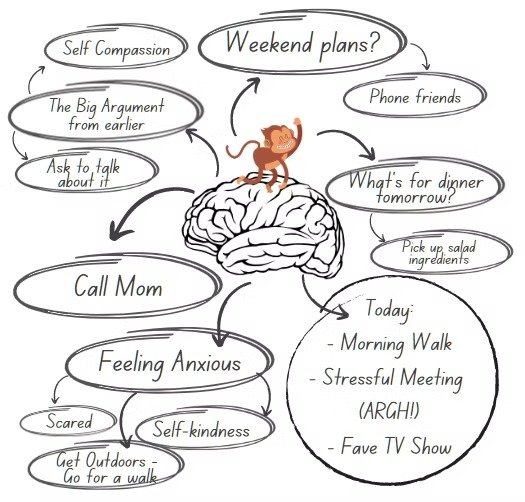
The Brain Finally Has Time to Process the Day
Throughout the day, people often postpone emotional processing.
You might experience an uncomfortable conversation but continue working. You may receive disappointing news but immediately return to your responsibilities. You might have an argument with someone and decide to think about it later.
Then bedtime arrives.
There is nothing urgent demanding your attention, so the brain has more room to revisit those experiences.
This can lead to questions such as:
- “Did I say something wrong?”
- “Why did they respond like that?”
- “What if tomorrow goes badly?”
- “Should I have handled that situation differently?”
The problem is not necessarily that these thoughts suddenly appeared. You may simply have more mental space to notice them.
Fewer Distractions Can Make Thoughts Feel Louder
Imagine being in a crowded room where several people are talking at the same time. It is difficult to hear one particular conversation.
Now imagine the room becoming completely silent.
The same conversation would suddenly sound much louder.
Something similar can happen mentally.
During the day, external activities can drown out internal thoughts. At night, when the environment becomes quieter, internal dialogue becomes easier to notice.
This is particularly noticeable when someone spends several minutes lying in bed without their phone, television or other distractions.
Instead of immediately falling asleep, the brain may begin searching for something to focus on.

Stress Can Follow You Into Bed
Another important factor is stress.
A busy day does not automatically mean a person’s mind has processed everything that happened during it.
Deadlines, financial concerns, relationships, exams, work pressure and personal responsibilities can remain unresolved in the background.
When the day ends, those concerns may become more prominent.
For example, a student who spends the day attending classes may not think extensively about an upcoming examination. But once they are lying quietly in bed, thoughts about preparation, grades and future plans may suddenly become difficult to ignore.
Similarly, someone dealing with workplace pressure may spend the entire day completing tasks and only begin thinking about the consequences after returning home.
Night-time therefore does not necessarily create anxiety or worry. It can provide the quiet environment in which existing concerns become more noticeable.
Your Body Clock Also Plays a Role
The body’s internal timing system, known as the circadian rhythm, regulates sleep and wakefulness across roughly a 24-hour cycle.
Light exposure, daily routines and other environmental signals help regulate this system.
As evening progresses, the body normally begins preparing for sleep. Hormonal and physiological changes gradually encourage relaxation and sleepiness.
However, modern lifestyles can interfere with these natural signals.
Late-night screen use, irregular sleep schedules, caffeine, artificial lighting and working late can all contribute to a mismatch between the time when a person wants to sleep and the time when their body and mind actually feel ready.
This can create a situation where someone is physically tired but mentally alert.

Why You Suddenly Remember Old Conversations
One of the most frustrating experiences at night is replaying old conversations.
A simple sentence from earlier in the day can suddenly become the subject of intense analysis.
You might wonder whether you sounded rude, whether someone misunderstood you or whether you should have responded differently.
This happens partly because the brain naturally evaluates experiences and searches for meaning.
During quiet periods, memories can become more accessible, allowing people to mentally revisit social interactions.
However, nighttime thinking can sometimes become repetitive rather than productive.
Instead of solving a problem, the brain repeatedly asks the same questions without reaching a conclusion.
That is when reflection can turn into rumination.
Night-Time Thinking Can Make Small Problems Feel Bigger
Everything can feel more intense at night.
A minor disagreement may seem like a serious relationship problem. A small mistake at work may feel like a career disaster. An unanswered message may suddenly feel like evidence that someone is angry with you.
Why?
Perspective can change when you are tired.
Sleep deprivation and fatigue can affect emotional regulation and decision-making. When people are exhausted, they may find it harder to maintain the same balanced perspective they have during the day.
This is why a problem that feels overwhelming at 1 a.m. can seem surprisingly manageable the next morning.
Sometimes the problem has not changed.
Your mental state has.

Why Phones Can Make Night-Time Thinking Worse
For many people, the first response to unwanted thoughts is reaching for a smartphone.
Scrolling through social media, watching videos or checking messages may temporarily distract the brain.
However, constant stimulation can also make it harder to transition into sleep.
Bright light and stimulating content can interfere with normal bedtime routines, while emotionally engaging posts may keep the brain alert.
Social media can also introduce comparison, worry and emotional stimulation at exactly the time when the brain should be winding down.
Seeing other people’s achievements late at night, for example, can trigger thoughts about your own life and future.
Instead of becoming calmer, the mind receives another stream of information to process.
Why Creative Ideas Sometimes Appear at Night
Not all night-time mental activity is negative.
Some people experience increased creativity in the evening or at night.
When distractions disappear, the mind may have more freedom to make unusual connections between ideas.
Writers, artists and students sometimes report getting ideas when they are supposed to be sleeping.
The relaxed environment may encourage free association and imaginative thinking.
However, feeling mentally creative at night does not necessarily mean that staying awake is beneficial. Consistently sacrificing sleep for creativity can eventually affect concentration, mood and cognitive performance.
The goal is not to eliminate night-time thoughts but to maintain a healthy balance between creativity and rest.
The “Revenge Bedtime Procrastination” Connection
Another reason people remain mentally active late at night is a phenomenon commonly described as revenge bedtime procrastination.
This occurs when people intentionally delay going to sleep because they feel that the day did not provide enough personal time.
Someone may spend the entire day working, studying or taking care of responsibilities and finally feel that nighttime belongs to them.
Instead of going to bed, they watch another episode, scroll through social media or stay awake thinking.
The person may be tired but reluctant to give up their remaining free time.
Over time, Mind this can create an unhealthy cycle: less sleep leads to greater fatigue the next day, while another stressful day creates an even stronger desire for personal time at night.
How to Quiet an Overactive Mind Before Sleep
There is no single solution that works for everyone, but creating a consistent wind-down routine can help.
1. Create a Mental “To-Do List”
If your mind keeps reminding you about tomorrow’s responsibilities, write them down.
Putting tasks on paper can reduce the pressure to remember everything mentally.
2. Reduce Screen Time Before Bed
Give your brain some time without constant notifications, social media and stimulating content.
Reading, gentle stretching or listening to calm audio can create a smoother transition toward sleep.
3. Maintain a Consistent Sleep Schedule
Going to bed and waking up at approximately the same time each day can help regulate your body’s internal clock.
4. Avoid Turning Bed Into a Thinking Space
If you spend long periods worrying in bed, your brain can gradually associate the bed with mental activity rather than sleep.
A calming bedtime routine can help strengthen the connection between bed and rest.
5. Don’t Try to Force Sleep
Ironically, worrying about not sleeping can make sleep even harder.
Instead of repeatedly checking the clock and calculating how many hours remain before morning, try to focus on relaxing your body and allowing sleep to occur naturally.
When Night-Time Overthinking Should Not Be Ignored
Occasional late-night overthinking is common.
However, if Mind racing thoughts consistently prevent you from sleeping, significantly affect your daytime functioning or are accompanied by persistent distress, it may be worth discussing the problem with a qualified healthcare professional.
Sleep difficulties can have many possible causes, and persistent problems deserve attention rather than being dismissed as simply “thinking too much.”
Your mind may feel more active at night not because it suddenly becomes busier, but because the world around you becomes quieter.
The distractions that occupy your attention during the Mind day disappear, leaving more room for thoughts, emotions, memories and worries.
Stress Mind accumulated throughout the day can become more noticeable. Fatigue can make problems feel more intense. Smartphones and irregular schedules can keep the brain stimulated. At the same time, quiet nighttime conditions can sometimes encourage creativity and reflection.
Understanding Mind this pattern can make the experience less frustrating.
Instead of thinking, “Why is my brain doing this when I need to sleep?”, it may be more useful to recognise that your brain is finally getting the quiet space it did not have during the day.
The challenge Mind is learning how to give Mind yourself that mental space without allowing it to take away the sleep your body needs.