Food and Chocolate has always been about taste, culture and tradition. But in the social media era, what people choose to eat is increasingly influenced by something else: how food looks on a screen.
A dessert that photographs beautifully, produces a satisfying crunch when cut open or reveals an unexpected filling can move from an obscure local specialty to an international obsession within days. The rise of Dubai chocolate is one of the clearest examples of this transformation.
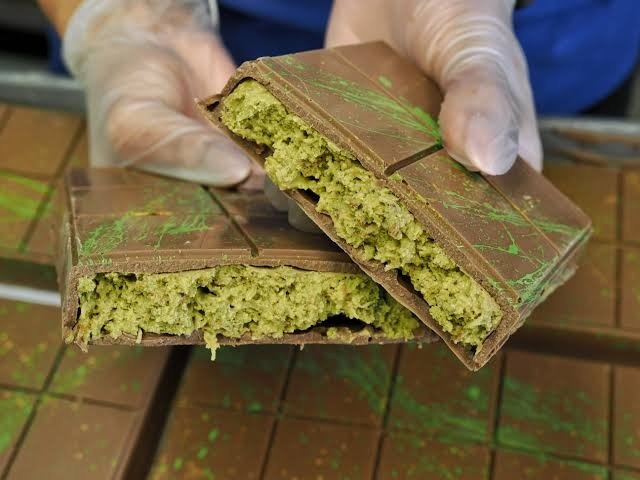
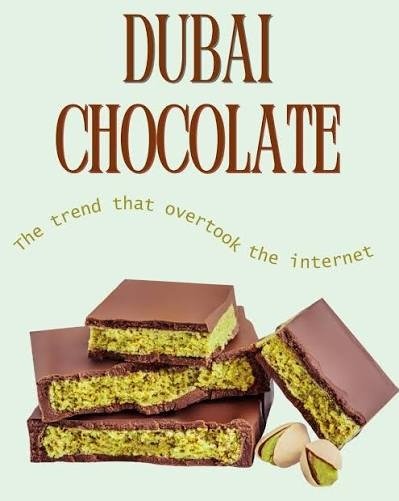
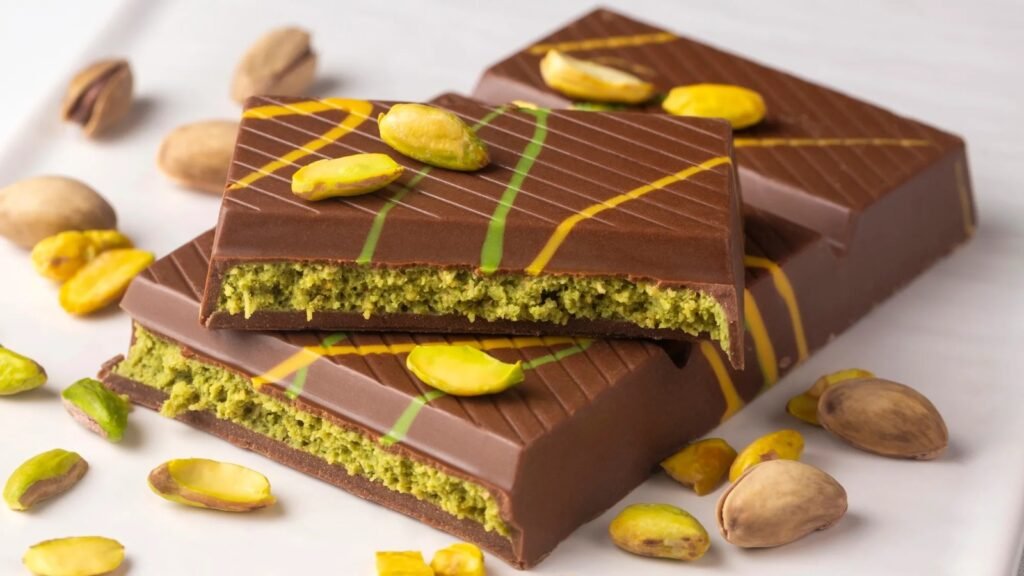
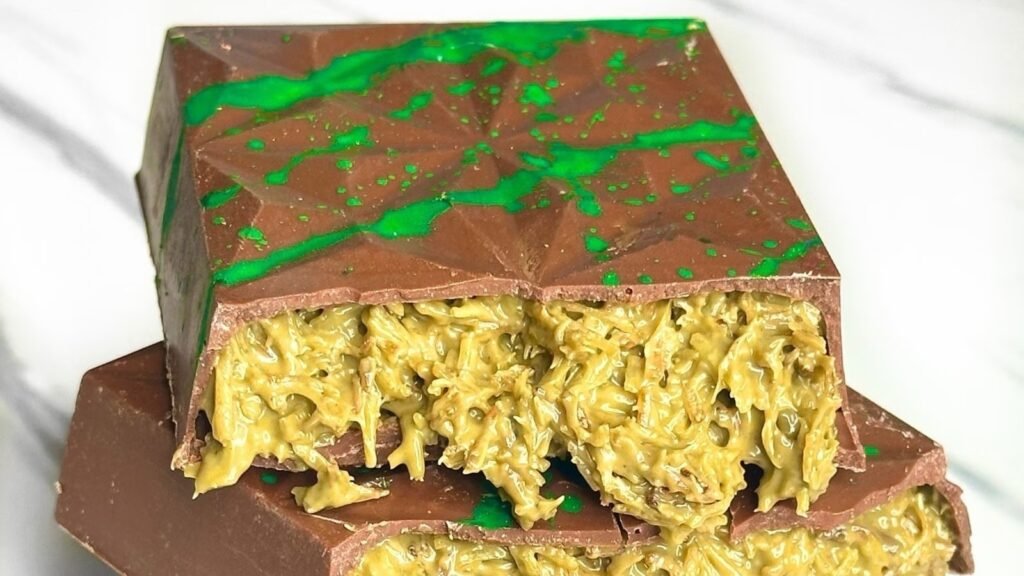
The thick chocolate bar filled with pistachio cream and crispy knafeh, associated with Dubai-based FIX Dessert Chocolatier, became a global sensation after social media creators began sharing videos of the bar being broken open and tasted. The combination of a glossy chocolate shell, vivid green pistachio filling and crunchy pastry created exactly the kind of visual and sensory content that performs well on short-form video platforms.
But Dubai chocolate is not an isolated phenomenon. From matcha desserts and pistachio pastries to elaborate cakes, croissants and novelty drinks, social media platforms are increasingly shaping the way consumers discover food, decide what is worth trying and determine which products become the next big trend.
A 2026 study analysing around 8 million Instagram posts from approximately 200,000 users across five languages found that social media plays an important role in how food is represented and engaged with online, although food preferences and nutritional patterns also vary significantly across cultures.
The question, therefore, is no longer simply what tastes good.
It is increasingly what looks good enough to share.
Table of Contents
The Dubai Chocolate Effect
The story of Dubai chocolate demonstrates how quickly a food product can travel in the digital age.
The original bar was created by FIX Dessert Chocolatier in Dubai and became widely known for combining chocolate with pistachio cream and crispy knafeh or kataifi pastry. Its appeal came partly from the contrast between textures: a firm chocolate exterior, creamy nut filling and crisp pastry inside.
The product gained enormous attention after social media creators posted tasting videos. One particularly influential video by Maria Vehera helped push the bar into the global conversation, with coverage reporting more than 120 million views and a dramatic surge in demand.
Suddenly, consumers who had never heard of the product were searching for it.
Supermarkets and chocolatiers began producing their own versions. Pistachio-based desserts received renewed attention. Restaurants introduced Dubai chocolate-inspired items, while social media users filmed themselves recreating the trend at home.
The important point is that the product did not simply become popular because people tasted it.
People first saw it.
Why Does Food Go Viral on Instagram?
Instagram is fundamentally a visual platform, and food happens to be one of the most visually adaptable subjects for digital content.
A photograph can communicate colour, texture, presentation and indulgence within seconds. A short video can add sound and movement.
Consider what happens when a chocolate bar is broken open on camera.
The shell cracks.
The filling stretches or spills out.
A bright green pistachio centre contrasts with the dark chocolate exterior.
The pastry produces a crisp sound.
The viewer immediately understands that the product has multiple textures and an element of surprise.
That combination creates a highly shareable experience.
Research into Instagram food content has previously found that food photography and social sharing can influence how users accept food-related information, while businesses also use hashtags and social-media word of mouth to promote products.
In other words, presentation has become part of the product itself.
The “Instagrammability” of Food
The term “Instagrammable” has become part of modern food culture for a reason.
Consumers are no longer simply evaluating whether a dish looks appetising in person. They may also consider whether it will look attractive in a photograph or video.
Bright colours, unusual shapes, oversized portions, dramatic toppings, layered interiors and unexpected combinations can all make food more visually interesting.
This has changed restaurant presentation as well.
A dessert may arrive with a chocolate shell that diners are expected to crack open. A drink may have layers designed to be photographed before mixing. A pastry may be cut in a particular way to reveal its filling.
The camera is increasingly part of the dining experience.
This does not mean that consumers only care about appearance. Taste remains essential for long-term success. But in a crowded digital marketplace, visual appeal can provide the first reason someone decides to try something.
The Psychology Behind Viral Desserts
The popularity of social-media food trends is not purely accidental.
Several psychological factors make certain foods particularly effective online.
Visual novelty
People are naturally drawn to things that look unfamiliar or surprising.
A traditional chocolate bar may attract attention, but a chocolate bar filled with vivid green pistachio cream and crunchy pastry creates curiosity.
The viewer wants to know what is inside.
Texture
Texture is difficult to communicate through a still photograph but extremely effective in video.
The sound of chocolate cracking, pastry crunching or caramel stretching can create a sensory response.
This is one reason food videos frequently feature close-up shots and exaggerated sounds.
Social proof
When thousands or millions of people are talking about a food, it becomes easier for others to believe that the product is worth trying.
A consumer sees one video.
Then another.
Then a celebrity or influencer tries it.
Then a friend posts it.
Eventually, the product can feel almost impossible to ignore.
Curiosity
Viral food often creates questions.
What does it taste like?
Why is everyone eating it?
Where can I buy it?
Is it really worth the price?
That curiosity can turn into a search, a purchase and eventually another piece of social-media content.
The cycle then repeats.
Instagram Does Not Work Alone
Although the title of the trend may centre on Instagram, today’s food culture is shaped by an ecosystem of platforms.
Instagram Reels, TikTok, YouTube Shorts and other short-form video formats allow food trends to travel rapidly across borders.
A dessert created in Dubai can become popular in India, the United States, Britain or Australia without requiring a traditional advertising campaign.
A creator tastes it.
Viewers react.
Other creators recreate it.
Restaurants copy it.
Consumers search for it.
News outlets write about it.
The product becomes part of mainstream culture.
This cycle is particularly powerful because each stage reinforces the next.
Dubai chocolate provides a strong example of this phenomenon. Its social-media popularity eventually translated into wider media attention, international demand and a wave of imitation products.
From Dubai Chocolate to Matcha and Pistachio Everything
Dubai chocolate also helped accelerate interest in ingredients and flavour combinations that photograph well.
Pistachio has become especially prominent in online dessert culture, appearing in chocolates, cakes, croissants, ice creams and pastries.
Matcha has followed a similar path.
Its distinctive green colour makes it highly recognisable on social media, while its association with Japanese tea culture and wellness gives brands an additional storytelling angle.
The result is that ingredients can become trends in their own right.
Consumers may encounter a pistachio dessert not because they were specifically looking for pistachio but because the ingredient has become visually associated with luxury, indulgence and viral food culture.
Why Gen Z Is So Important to Food Trends
Younger consumers have grown up with food content as a regular part of social media.
Food influencers, restaurant reviewers, home cooks and lifestyle creators have effectively transformed platforms into digital food guides.
Recent research and surveys continue to show how strongly social media influences food discovery. A 2026 survey of 2,000 U.S. adults, for example, found that more than half of respondents used social media as a kind of modern cookbook, while 71% said cooking videos inspired them to try new foods.
This represents a major shift from traditional food discovery.
Previously, consumers might have relied on family recommendations, newspapers, television programmes or restaurant critics.
Now, a 30-second video can influence the next meal.
The Rise of the Food Influencer
The food influencer has become an important figure in this ecosystem.
Unlike traditional restaurant critics, influencers often communicate in a more personal and accessible style.
They may film themselves visiting a restaurant, ordering a viral dessert and giving an immediate reaction.
The viewer feels as though they are experiencing the food alongside them.
This creates trust and familiarity.
Influencers can also introduce consumers to small businesses that may not have large marketing budgets.
A single viral video can bring enormous attention to a restaurant or bakery.
But this influence comes with an important caveat: popularity does not necessarily equal quality.
A dessert can go viral because it looks spectacular even if consumers ultimately find its taste ordinary.
When Viral Food Becomes a Business Strategy
Food businesses have quickly recognised the commercial potential of social media.
Restaurants now design dishes specifically for visual appeal. Bakeries create limited-edition desserts. Chocolatiers experiment with unusual fillings and colours.
Scarcity can further increase demand.
If a product is available only for a limited period or at a small number of locations, social media can turn its availability into part of the story.
Dubai chocolate benefited from a similar dynamic, with limited availability and high demand contributing to its appeal. Reports also documented people travelling to Dubai specifically to seek out the original product.
The result is a powerful combination:
visual appeal + novelty + scarcity + social proof.
The Copycat Economy
Once a food trend becomes popular, imitation usually follows.
The Dubai chocolate phenomenon produced countless variations from major retailers, independent chocolatiers and home bakers.
This is not necessarily unusual in food culture. Culinary ideas have always travelled and evolved.
What has changed is the speed.
A trend that once took years to spread internationally can now reach millions of consumers within days.
This creates both opportunities and challenges.
Small businesses can gain visibility without enormous advertising budgets. At the same time, original creators may find their concepts replicated almost immediately.
The distinction between inspiration, adaptation and imitation can become difficult to navigate.
Is Instagram Actually Deciding What We Eat?
The answer is more complicated than a simple yes or no.
Social media does not completely determine food choices. Price, taste, culture, convenience, health, availability and personal preferences remain important.
However, social media increasingly influences what consumers notice first.
A person cannot buy a food they have never heard of.
Instagram and other platforms can introduce a product to millions of people and create the initial curiosity that eventually leads to a purchase.
A systematic review of 377 studies on social media and food consumer behaviour found that social media has become an important area of research because of its relationship with food attitudes and consumption behaviour.
This means the algorithm may not control every food decision, but it can influence the menu of possibilities from which consumers make those decisions.
The Benefits of Social Media Food Culture
The influence of social media is not entirely negative.
Food platforms can encourage people to cook, discover unfamiliar cuisines and support small businesses.
Recipes that were once difficult to find can now reach millions of people.
Young cooks can learn techniques through short videos.
Regional cuisines can receive international attention.
Small restaurants can become tourist destinations after a single successful video.
Social media can also make food culture more diverse by exposing audiences to ingredients and cooking traditions from different parts of the world.
Research has highlighted this dual role, noting that social media can provide useful food information while also contributing to unhealthy consumption patterns depending on the type of content being promoted.
The Downsides of Algorithm-Driven Food Trends
There is another side to the story.
When algorithms reward highly engaging content, creators have an incentive to make food increasingly dramatic.
This can encourage oversized portions, excessive toppings, extreme flavours and novelty for novelty’s sake.
It can also create unrealistic expectations.
A dessert may look extraordinary under professional lighting and editing but appear very different when purchased by an ordinary consumer.
There is also the risk of trend fatigue.
When every week brings a new “must-try” food, consumers can feel pressured to keep up.
The result is a food culture driven partly by the fear of missing out.
What Happens When the Trend Ends?
Most viral food trends eventually lose momentum.
The algorithm moves on.
A new dessert appears.
Consumers find another ingredient to photograph.
Yet some trends survive because they become integrated into mainstream food culture.
Dubai chocolate appears to have moved beyond a short-lived social-media moment. Its influence has extended into supermarket products, restaurant menus, chocolate brands and continued consumer interest. Search interest and international coverage have remained substantial well after its initial viral explosion.
That suggests the strongest food trends do more than attract attention.
They create a lasting appetite.
The Future of Food Is Increasingly Digital
The next major food trend could emerge from almost anywhere.
A home baker’s recipe.
A small café’s signature dessert.
A regional Indian sweet.
A Japanese tea.
A Middle Eastern pastry.
A completely new chocolate filling.
What matters is not only how the food tastes but whether people can see, understand and share the experience quickly.
The future of food discovery is therefore likely to become even more visual.
Restaurants will continue to think about presentation. Food creators will experiment with new formats. Consumers will increasingly discover dishes through short-form video before encountering them in real life.
And algorithms will continue to influence which foods receive attention.
The story of Dubai chocolate illustrates a fundamental change in modern food culture.
Chocolate is no longer simply something people eat. It can also be something they watch, photograph, review, recreate and share.
Instagram and other social platforms have turned food discovery into a highly visual experience where colour, texture, novelty and social proof can determine whether a dish becomes the next big thing.
But viral does not always mean delicious, healthy or worth the price.
The smartest consumers can enjoy the excitement of food trends while remembering that an algorithm cannot taste a dessert for them.
Ultimately, the most successful food trend will still need something that no photograph can completely capture: good taste.
Social media may decide what millions of people want to try. The final verdict, however, still belongs to the person taking the first bite.