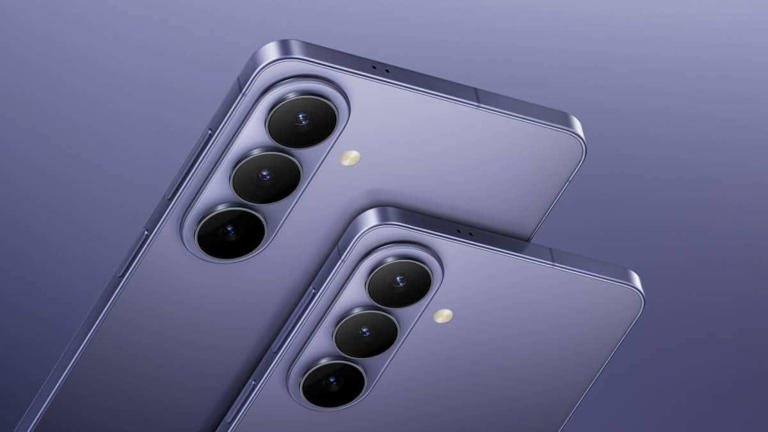
Samsung appears to be experimenting with a more polished, glass-inspired visual language for its upcoming One UI software, according to recent leaks and reports. Early information suggests that the company is testing translucent elements, blurred backgrounds, floating interface components, rounded shapes and greater visual depth—changes that have inevitably drawn comparisons with Apple’s Liquid Glass design introduced with iOS 26.
However, the available evidence does not establish that Samsung is simply copying Apple’s approach. Instead, the leaks indicate that Samsung is exploring a broader design direction already emerging across the smartphone industry. The exact features that will reach consumer devices remain uncertain because the reported One UI changes are based on early or unreleased software.
Table of Contents
Samsung’s New One UI Design Comes Into Focus
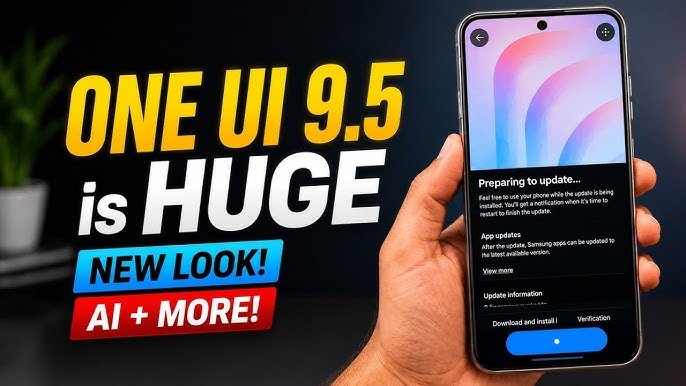
The latest reports focus particularly on One UI 9.5, a future Samsung software update that is expected to arrive after One UI 9. According to recent leaks, Samsung is testing a visual treatment that gives interface elements a more glass-like appearance.
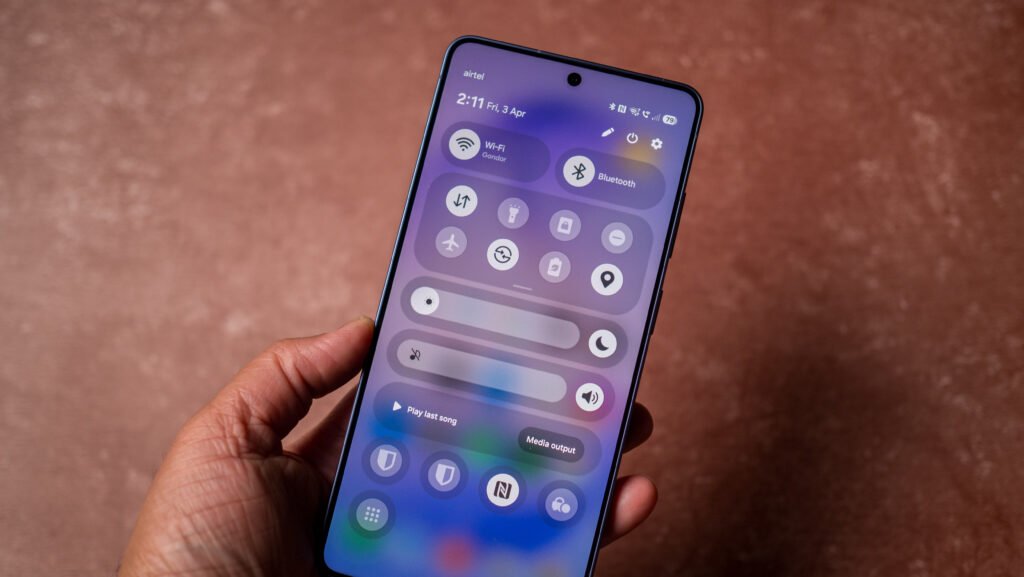
Leaked screenshots reportedly show shiny edges, blurred elements, backdrop shading and increased depth. Samsung’s own applications are also said to be experimenting with floating interface components.
The changes could make menus and controls appear less flat than they do in previous versions of One UI. Instead of treating every interface component as a solid block, Samsung appears to be experimenting with layers that allow the background to influence the appearance of foreground elements.
This approach could create a more dynamic interface while retaining Samsung’s familiar One UI structure.
Why Apple’s Liquid Glass Is Being Mentioned
Apple introduced its Liquid Glass design with iOS 26 in 2025. Apple described it as a translucent material that can reflect and refract its surroundings while changing according to the content and context on screen. The design extends across Apple’s major operating systems and uses real-time rendering and lighting effects to create a more dimensional appearance.
That makes the comparison with Samsung understandable.
Both approaches involve visual concepts such as:
- Transparency
- Blur effects
- Layered interface elements
- Rounded controls
- Greater depth
- Dynamic lighting
- Floating navigation components
However, similarity in visual language does not automatically mean that one company is directly copying another.
Glass-inspired interface design has become a wider technology trend, with several Android manufacturers experimenting with transparency and depth effects in their own software.
One UI 9.5 Could Go Further Than Earlier Changes
Samsung has already been moving toward a more modern visual design through recent One UI versions.
Earlier reports surrounding One UI 8.5 highlighted changes such as pill-shaped navigation elements, floating controls and glass-like effects in selected parts of the interface.
The newer One UI 9.5 leaks suggest that Samsung could take this direction further.
According to reports, the company is testing:
- More prominent glass-inspired surfaces
- Shiny edges around interface elements
- Increased background blur
- Stronger separation between foreground and background
- Floating components in Samsung applications
- More dimensional visual effects
The result could be a One UI experience that looks more layered and visually sophisticated without completely abandoning Samsung’s established design philosophy.
The Phone App Could Also Receive Changes
The leaked material reportedly points to changes beyond visual effects.
Samsung’s Phone application is said to have undergone interface adjustments, including a relocation of the search icon to the bottom navigation area.
Moving frequently used controls closer to the bottom of the display can make them easier to reach, particularly on large smartphones.
This is important because Samsung’s software redesign does not appear to be solely about appearance. Interface changes can also be used to improve navigation and make applications easier to operate.
The combination of visual refinement and usability changes could therefore become a major part of Samsung’s next software evolution.
Is Samsung Really Following Apple’s Liquid Glass Route?
The answer is possibly in terms of visual inspiration, but not necessarily as a direct copy.
Samsung’s reported changes clearly overlap with some of the ideas associated with Apple’s Liquid Glass. However, Samsung has also been experimenting with glass-like effects in One UI independently, and similar design trends are appearing across the Android ecosystem.
A June 2026 report, for example, noted that an unreleased Samsung Browser version showed additional transparency effects. At that stage, there was no evidence that the treatment would immediately be applied across the entire One UI interface.
That distinction matters.
A leaked feature inside an experimental build does not guarantee that it will appear in the final public release. Samsung can change, reduce or completely remove features during development.
Android’s Wider Move Toward Transparent Interfaces
Samsung is not the only smartphone company exploring this visual direction.
Other Android manufacturers have also reportedly been working on glass-inspired interfaces. Xiaomi’s upcoming HyperOS 4, for example, has been linked to transparent surfaces, fluid animations and depth effects. OPPO has also been reported to be developing a glass-inspired approach for ColorOS 17.
This suggests that the industry may be moving toward a common visual language.
The reason is relatively straightforward: modern smartphone hardware is increasingly capable of handling sophisticated animations, blur effects and real-time graphical rendering.
At the same time, manufacturers compete heavily on software experience. A visually distinctive interface can therefore become an important part of a phone’s identity.
One UI Could Still Keep Samsung’s Identity
Despite the Apple comparisons, Samsung is unlikely to abandon the core principles of One UI.
Samsung has historically focused on making controls accessible and interfaces relatively easy to navigate on large displays. A visual redesign does not necessarily require abandoning those principles.
Instead, Samsung could combine its existing layout philosophy with more modern visual effects.
For users, that could mean familiar menus and controls presented through translucent surfaces, rounded panels and subtle depth effects.
Such an approach would allow Samsung to modernise the appearance of Galaxy devices without making the software feel completely unfamiliar.
Potential Benefits of a Glass-Inspired Interface
If Samsung implements the reported design successfully, users could see several benefits.
A More Modern Appearance
Transparency and layered effects can make an interface appear more contemporary. This could give Galaxy smartphones a stronger visual identity as competition between Android manufacturers intensifies.
Better Visual Hierarchy
Blur and depth can help distinguish foreground controls from background content. When used carefully, this can make it easier for users to understand which interface elements are interactive.
More Dynamic Animations
A glass-inspired design can work particularly well with animations. Elements can appear to move between layers rather than simply appearing and disappearing.
Greater Design Consistency
If Samsung applies the visual language consistently across its own applications, menus and system interfaces, One UI could feel more unified.
But There Are Also Potential Problems
A more visually complex interface is not automatically a better interface.
Excessive transparency can make text difficult to read, particularly when the background contains detailed images or bright colours.
Similarly, heavy blur, reflections and animations can make software feel unnecessarily complicated if they do not serve a functional purpose.
There can also be performance considerations. Sophisticated graphical effects require processing resources, although modern smartphones are increasingly capable of handling demanding interface rendering.
Samsung will therefore need to balance visual appeal, readability, accessibility and performance.
The Battery Question
One of the concerns surrounding elaborate interface effects is battery consumption.
Real-time blur, transparency and animation can require additional graphical processing. The actual impact depends on how Samsung implements the effects and how efficiently the software uses the phone’s hardware.
At this stage, there is not enough reliable information to conclude that a future glass-inspired One UI design will significantly affect battery life.
The final software implementation will matter more than the appearance shown in an early leak.
One UI 9 Is Still the More Immediate Story
While One UI 9.5 is attracting attention because of the new design leaks, One UI 9 remains the more immediate software update.
Recent reports indicate that Samsung has been testing One UI 9 based on Android 17, with beta development continuing for Galaxy devices. One UI 9 Beta 5 has reportedly been released for the Galaxy S26 series in markets including India, the UK and South Korea.
That means users should not expect every feature shown in One UI 9.5 leaks to appear immediately.
Samsung’s software development process can involve several stages of internal testing before features are finalised.
What the Leaks Mean for Galaxy Users
For Galaxy users, the leaks provide an interesting preview of where Samsung’s software design could be heading.
The company appears to be exploring a more polished and dimensional interface while continuing to build on One UI’s existing foundation.
If the reported changes eventually reach stable software, users could see Samsung applications featuring more floating elements, subtle transparency, depth effects and refined navigation.
However, leaked software should always be treated cautiously.
Features can change before launch, and screenshots from development builds may not accurately represent the final user experience.
Samsung’s Challenge: Inspiration Without Losing Identity
The biggest question may not be whether Samsung is inspired by Apple’s Liquid Glass. Instead, it is whether Samsung can make the glass-inspired design feel distinctly like One UI.
Apple’s Liquid Glass is closely connected to Apple’s broader software ecosystem and hardware capabilities. Samsung has its own design philosophy, Galaxy hardware and ecosystem of services.
A successful redesign would therefore need to use the current trend while giving it a Samsung-specific identity.
That could mean keeping One UI’s accessibility-focused layouts while introducing more sophisticated visual layers.
What to Expect Next
One UI 9.5 is still some distance from a final public release. Recent reporting suggests a stable release could arrive around April or May 2027, while beta testing may begin later in 2026.
Until Samsung officially announces the design, the reported features should be regarded as leaks rather than confirmed specifications.
The company could reveal additional details through future Galaxy announcements, software beta programmes or official One UI communications.
Samsung appears to be exploring a new visual direction for One UI that includes transparency, blur, floating elements, shiny edges and greater depth. The latest leaks surrounding One UI 9.5 have naturally triggered comparisons with Apple’s Liquid Glass design, particularly because both approaches use layered and translucent visual elements.
However, it would be premature to describe Samsung’s approach as a direct copy of Apple’s design. Glass-inspired interfaces are becoming a broader trend across the smartphone industry, and Samsung has been experimenting with similar effects in One UI for some time.
For Galaxy users, the most important question will ultimately be whether the new design improves the everyday experience rather than simply making the interface look different.
If Samsung can combine modern visuals with clear navigation, strong readability and smooth performance, the reported redesign could become one of the more noticeable changes to One UI in the coming years. For now, though, the leaked One UI 9.5 features remain a work in progress—and Samsung has yet to officially confirm the complete design.