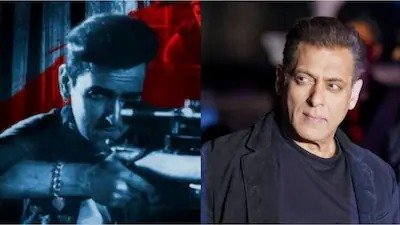
The court issued a strong reprimand to the film’s producer, Amit Jani, while hearing a petition filed by Bollywood superstar Salman Khan, who has alleged that the film unlawfully exploits his personality and public image.In a significant development concerning celebrity personality rights and digital content regulation, the Delhi High Court has directed the removal of social media links related to the teaser of the upcoming film “Kala Hiran: The Battle for Legacy” from X (formerly Twitter) and YouTube.
The order marks an important moment in India’s evolving legal landscape surrounding the protection of personality rights, particularly in the entertainment industry where films, digital content, and social media promotions frequently draw inspiration from public figures.
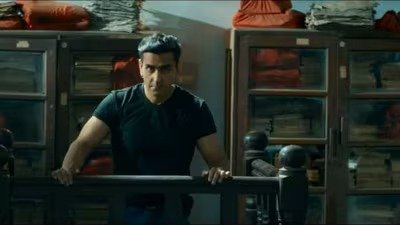
The teaser of Kala Hiran: The Battle for Legacy, released on July 17, reportedly references incidents associated with Salman Khan’s long-running 1998 blackbuck poaching case and his alleged rivalry with gangster Lawrence Bishnoi, prompting the actor to seek judicial intervention.
Table of Contents
Delhi High Court Expresses Strong Displeasure
During the hearing, the Delhi High Court took a firm stance against the producer’s actions, expressing serious concerns over the alleged infringement of Salman Khan’s personality rights.
The bench reportedly observed that producer Amit Jani appeared to be acting as though no legal consequences would follow despite earlier proceedings.
Addressing the producer through his legal counsel, the court remarked:
“You seem to think you are above the law. Things are only getting worse day by day. You cannot do this even to an ordinary citizen.”
The court’s remarks underscored its concern that the issue extends beyond a celebrity dispute and involves broader legal protections available to every individual against unauthorized commercial exploitation of identity.
Following the hearing, the court directed that the teaser links circulating on X and YouTube be removed pending further proceedings.
Why Salman Khan Approached the Delhi High Court
Salman Khan filed a petition before the Delhi High Court alleging that the proposed film violates his personality rights by drawing clear references to his personal life, legal history, and public image without authorization.
Although the film reportedly does not explicitly use the actor’s name throughout the teaser, Salman Khan’s legal team argued that the overall presentation unmistakably identifies him through contextual references.
According to the petition, the teaser contains multiple indirect references associated with the actor, including:
- The 1998 blackbuck poaching case.
- References linked to his blockbuster films such as “Dabangg” and “Sikander.”
- Alleged rivalry with gangster Lawrence Bishnoi.
- Events widely associated with Salman Khan in public discourse.
His legal representatives argued that such portrayals amount to unauthorized commercial exploitation of his identity while potentially influencing public perception.
Producer Defends the Film
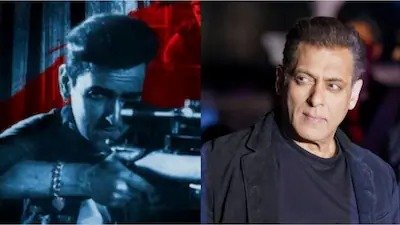
Appearing before the court, producer Amit Jani’s legal counsel defended the teaser and denied allegations of violating Salman Khan’s rights.
The producer’s counsel argued:
“This is only a teaser. How does it violate Salman Khan’s personality rights? I am not even taking his name.”
The defense further maintained that the promotional material:
- Does not contain Salman Khan’s actual image.
- Does not use AI-generated visuals.
- Does not employ deepfake technology.
- Merely depicts public events rather than private information.
The counsel also submitted that:
“There is no protection over events or public performances.”
According to the producer’s side, the teaser discusses publicly known incidents without directly identifying or impersonating the Bollywood actor.
Salman Khan’s Legal Team Raises Serious Concerns
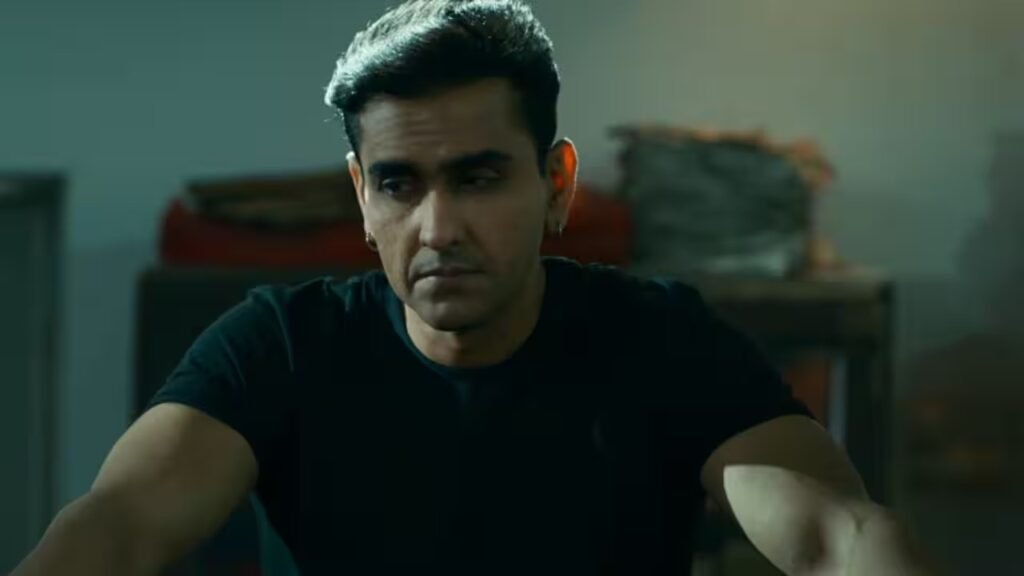
Representing Salman Khan, his counsel strongly opposed the producer’s arguments.
The actor’s legal team informed the court that:
- Salman Khan has already been acquitted in three out of four criminal proceedings connected with the matter.
- In the remaining case, the sentence has been stayed.
The counsel argued that despite these legal developments, the teaser attempts to create a misleading narrative around the actor.
According to Salman Khan’s lawyer, the teaser also risks generating hostility against the actor by portraying events in a manner capable of influencing public opinion.
The legal team stated before the court:
“The teaser is attempting to turn an entire community against Salman Khan.”
This argument formed a central element of the petition seeking immediate judicial intervention.
What Is ‘Kala Hiran: The Battle for Legacy’?
Kala Hiran: The Battle for Legacy is an upcoming Hindi film directed by Bharat S. Shrinet and produced by Amit Jani.
Although officially presented as a fictional cinematic work, reports suggest the story draws inspiration from real-life controversies associated with Salman Khan.
The teaser released earlier this month reportedly includes symbolic references that audiences have linked to:
- The 1998 blackbuck poaching case.
- Salman Khan’s public image.
- His legal proceedings.
- His alleged conflict with Lawrence Bishnoi.
The teaser also reportedly contains indirect references to some of Salman Khan’s popular films, increasing speculation regarding the inspiration behind the project.
Background: The 1998 Blackbuck Poaching Case
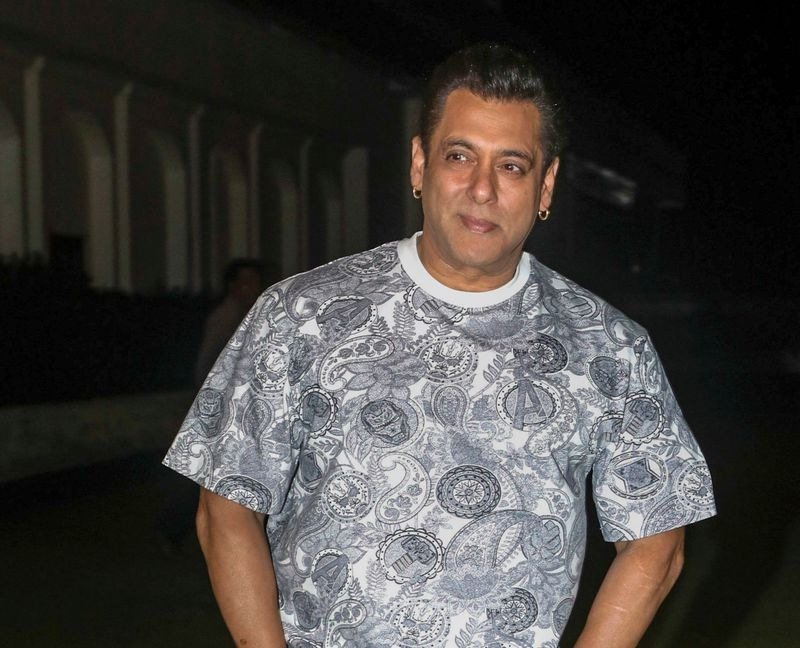
One of the central references associated with the controversy is the 1998 blackbuck poaching case, one of the most widely reported legal matters involving Salman Khan.
The case dates back to October 1998, during the shooting of the Bollywood film Hum Saath-Saath Hain near Jodhpur, Rajasthan.
Authorities alleged that Salman Khan hunted two endangered blackbucks, a protected species under Indian wildlife laws.
Over the years, the matter went through multiple rounds of judicial proceedings involving several co-accused from the film industry.
While Salman Khan was convicted in one aspect of the case, his legal challenges have continued through higher courts. His counsel informed the Delhi High Court that in three related matters he has been acquitted, while the sentence in the remaining matter currently stands stayed pending further legal proceedings.
The case has remained one of the most discussed legal episodes in Bollywood history.
Personality Rights Becoming Increasingly Important
The present dispute highlights the growing importance of personality rights in India’s legal system.
Personality rights generally refer to an individual’s ability to control the commercial use of their:
- Name
- Image
- Voice
- Signature
- Identity
- Public persona
- Distinctive characteristics
Indian courts have increasingly recognized that celebrities possess valuable commercial rights associated with their identity.
Unauthorized use of those attributes for commercial gain may constitute infringement even where names or photographs are not directly used, particularly if audiences can easily identify the individual being portrayed.
The rise of digital media, artificial intelligence, deepfakes, and online promotional campaigns has made personality rights litigation increasingly common in recent years.
Court Examines Wider Public Interest
During the hearing, the Delhi High Court emphasized that legal protections concerning personality rights are not limited to celebrities alone.
Its observation that:
“You cannot do this even to an ordinary citizen.”
indicates that unauthorized exploitation of identity raises broader constitutional and legal concerns affecting every individual.
Legal experts believe the observations may influence future cases involving fictionalized portrayals inspired by identifiable real persons.
Digital Platforms Under Judicial Scrutiny
The order directing removal of teaser links from X and YouTube also reflects the judiciary’s increasing willingness to address online dissemination of disputed content.
Social media platforms have become central to film marketing strategies, enabling teasers and promotional campaigns to reach millions of viewers within hours.
Courts have increasingly required digital platforms to remove or restrict access to disputed material pending adjudication when fundamental legal rights appear to be at stake.
The Delhi High Court’s latest order continues this evolving judicial approach.
Freedom of Expression Versus Personality Rights
The case also raises important legal questions concerning the balance between:
- Creative freedom.
- Freedom of expression.
- Public interest storytelling.
- Personality rights.
- Reputation.
- Commercial exploitation.
Filmmakers often argue that works inspired by real events fall within artistic expression, while public figures maintain that unauthorized portrayals may damage reputation or commercially exploit their identity.
Indian courts generally seek to balance these competing interests based on the specific facts presented in each case.
The final outcome of Salman Khan’s petition may contribute significantly to future legal interpretation in this area.
Industry Watching the Case Closely
The entertainment industry is closely monitoring the proceedings because the judgment could establish important precedents regarding films inspired by real-life personalities.
With streaming platforms, documentaries, biopics, fictional adaptations, and AI-generated content becoming increasingly common, producers are paying greater attention to legal risks surrounding personality rights.
The Delhi High Court’s observations suggest that creators may need to exercise greater caution when depicting identifiable public figures without authorization.
What Happens Next?
The removal of teaser links represents an interim development rather than a final verdict on the merits of the dispute.
The Delhi High Court is expected to continue hearing submissions from both parties before deciding whether:
- The teaser unlawfully infringes Salman Khan’s personality rights.
- The film may proceed with modifications.
- Additional restrictions become necessary.
- Permanent relief should be granted.
Until further orders are issued, the dispute remains under judicial consideration.
The Delhi High Court’s decision to order the removal of teaser links for Kala Hiran: The Battle for Legacy has brought renewed attention to the evolving legal framework surrounding Salman Khan’s personality rights. While producer Amit Jani argues that the teaser merely references public events without directly naming or depicting the actor, Salman Khan contends that the promotional material unmistakably identifies him and commercially exploits his public persona.
Beyond the immediate controversy, the case has broader implications for India’s entertainment industry, where filmmakers increasingly draw inspiration from real-life personalities and events. As courts continue to define the boundaries between artistic freedom and individual rights, the outcome of this litigation could become a landmark reference for future disputes involving celebrity identity, fictional storytelling, and digital media promotions.