Gyan Bhartam has emerged as one of India’s most significant digital initiatives for preserving the country’s rich manuscript heritage, with the Ministry of Culture informing the Lok Sabha that the portal currently maintains digital records of more than 88,800 manuscripts. The update, shared by Union Minister for Culture and Tourism Gajendra Singh Shekhawat in a written reply, highlights the government’s ongoing efforts to digitally document centuries of India’s literary, cultural, philosophical, and scientific knowledge for future generations.
According to the information presented in Parliament, Gyan Bhartam includes manuscripts written on different materials, with paper manuscripts forming the overwhelming majority. The portal currently houses records of 83,045 paper manuscripts, 5,772 palm leaf manuscripts, and three birch bark manuscripts. At present, no parchment manuscripts have been recorded on the platform.
The latest figures underline the growing importance of Gyan Bhartam as India continues expanding its digital preservation programmes. Ancient manuscripts are among the country’s most valuable historical resources, offering insights into subjects ranging from philosophy, religion, medicine, astronomy, mathematics, literature, governance, art, and traditional knowledge systems.
Table of Contents
Gyan Bhartam serves as a national digital repository
The primary objective of Gyan Bhartam is to create a comprehensive digital record of India’s manuscript wealth while making valuable information easier to preserve for scholars, researchers, educational institutions, and future generations.
India possesses one of the world’s richest manuscript traditions. For centuries, important texts were handwritten on various materials depending on regional practices and available resources. Many of these manuscripts remain scattered across libraries, temples, monasteries, museums, educational institutions, and private collections.
By bringing digital records together on a common platform, Gyan Bhartam helps reduce the risk of valuable historical documents being permanently lost due to natural ageing, environmental damage, disasters, or poor storage conditions.
Digital documentation also allows researchers to identify available manuscripts more efficiently, encouraging further academic research and preservation work.
Paper manuscripts dominate the collection
The data shared by the Ministry of Culture shows that paper manuscripts account for the largest share of records available on Gyan Bhartam.
Out of more than 88,800 documented manuscripts:
- 83,045 are paper manuscripts
- 5,772 are palm leaf manuscripts
- 3 are birch bark manuscripts
- No parchment manuscripts are currently recorded
The dominance of paper manuscripts reflects changes in writing practices over several centuries, particularly after paper became more widely available across different parts of India.
Many historical records, royal documents, literary works, legal writings, educational texts, and religious manuscripts were eventually produced on paper because it became easier to prepare, write upon, transport, and preserve compared to earlier writing materials.
Palm leaf manuscripts preserve ancient traditions
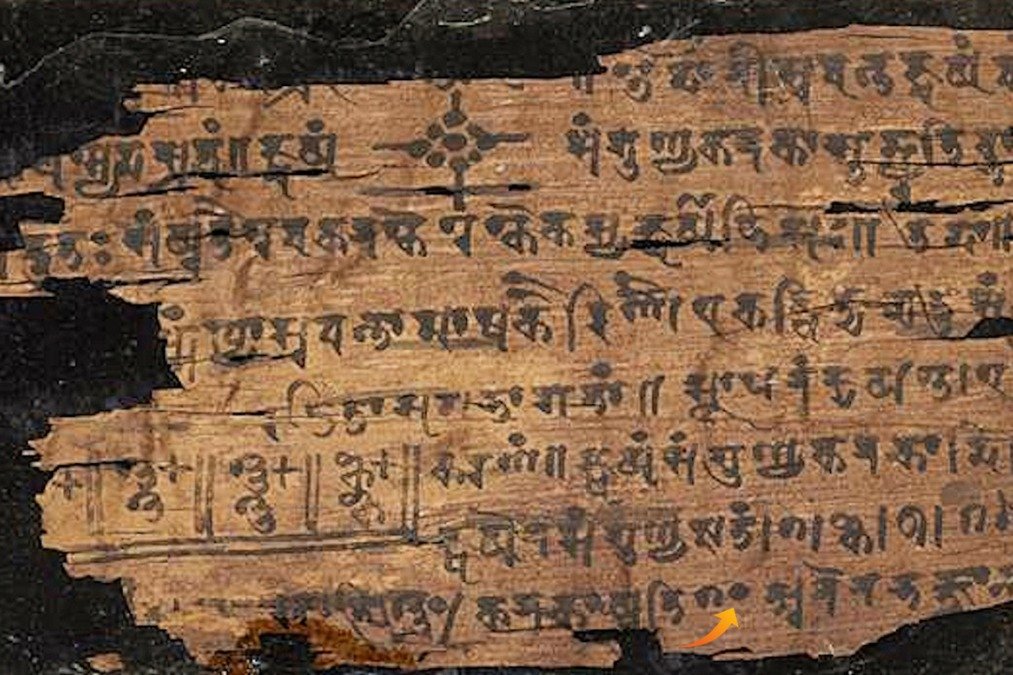
Although smaller in number compared to paper records, palm leaf manuscripts remain among the oldest surviving forms of written knowledge in India.
Before paper became widely available, scholars across southern, eastern, and parts of western India commonly wrote on specially prepared palm leaves. These leaves were dried, treated, polished, and inscribed using metal styluses before being preserved with protective coverings.
Palm leaf manuscripts contain an extraordinary range of subjects, including:
- Ancient religious scriptures
- Ayurveda and traditional medicine
- Sanskrit literature
- Astronomy
- Mathematics
- Grammar
- Music
- Temple architecture
- Philosophy
- Local administrative records
Many of these manuscripts continue to provide valuable information for historians studying India’s intellectual traditions.
The presence of more than 5,700 palm leaf manuscripts on Gyan Bhartam demonstrates the government’s effort to preserve these fragile historical documents through digital documentation.
Birch bark manuscripts represent some of India’s oldest records
The Ministry informed Parliament that Gyan Bhartam currently includes three birch bark manuscripts.
Birch bark, known historically as Bhojpatra, was widely used as a writing material in parts of northern India and the Himalayan region before paper became common.
Because birch bark naturally deteriorates over time when exposed to moisture and changing weather conditions, surviving examples are relatively rare today.
Many ancient Sanskrit texts, Buddhist writings, and early scholarly works were originally written on birch bark, making these manuscripts especially valuable for researchers interested in India’s early literary history.
Although only three such manuscripts are currently listed on Gyan Bhartam, they represent an important part of India’s documentary heritage.
Determining the age of manuscripts requires detailed research
One important clarification made by the Ministry concerns the dating of manuscripts available on Gyan Bhartam.
The government stated that determining the exact age of every manuscript is an ongoing scholarly process rather than a straightforward exercise.
Experts often rely on several methods while estimating the age of historical manuscripts, including:
- Analysis of handwriting styles
- Language and vocabulary used
- Script identification
- References to historical events
- Material composition
- Ink examination
- Scientific dating techniques where applicable
In many cases, manuscripts do not include a precise date of creation. Researchers therefore examine internal references, writing styles, and historical evidence before arriving at approximate time periods.
The Ministry noted that decipherment, academic research, and continuous scholarly analysis remain essential before definitive conclusions can be drawn regarding the age of many manuscripts recorded on Gyan Bhartam.
Why digital preservation matters
The expansion of Gyan Bhartam reflects the growing importance of digital preservation in protecting historical records.
Physical manuscripts remain vulnerable to several risks, including:
- Humidity
- Fire
- Flooding
- Insect damage
- Fungus
- Fading ink
- Natural ageing of writing materials
- Improper storage
Even careful handling over long periods can gradually weaken fragile documents.
Creating digital records helps ensure that valuable information survives even if original manuscripts suffer physical deterioration over time.
Digital preservation also reduces repeated handling of delicate originals, helping conservation experts protect them for future generations.
Supporting research and education
The availability of manuscript records through Gyan Bhartam has significant academic value.
Researchers studying Indian history, archaeology, linguistics, literature, religion, medicine, mathematics, law, and philosophy often depend on original manuscripts rather than later printed editions.
Many handwritten texts contain regional variations, annotations, corrections, and commentaries that are absent from published versions.
By documenting these resources systematically, Gyan Bhartam strengthens opportunities for interdisciplinary research while helping universities, museums, archives, and cultural institutions identify relevant materials more efficiently.
Students pursuing higher education in history, Sanskrit studies, Indology, manuscriptology, and cultural heritage may also benefit from easier access to manuscript records.
Preserving India’s intellectual legacy
India’s manuscript tradition spans thousands of years and reflects contributions made by scholars from different regions, languages, religions, and cultural backgrounds.
Ancient manuscripts preserve knowledge across numerous disciplines, including governance, agriculture, trade, medicine, education, astronomy, philosophy, poetry, performing arts, architecture, and environmental practices.
Many historical texts continue to influence modern research, especially in fields such as Ayurveda, classical literature, yoga, linguistics, and traditional sciences.
Through initiatives such as Gyan Bhartam, the government aims to strengthen long-term preservation while ensuring that these valuable records remain available for future study.
Information shared in Parliament
The latest figures regarding Gyan Bhartam were presented in a written reply before the Lok Sabha by Union Minister for Culture and Tourism Gajendra Singh Shekhawat.
The Ministry reiterated that manuscript documentation remains an evolving process, with continued research helping experts better understand the historical significance, authorship, age, and cultural context of the records preserved on the portal.
With more than 88,800 manuscript records already documented, Gyan Bhartam represents a major step towards safeguarding India’s documentary heritage, supporting scholarly research, and digitally preserving centuries of knowledge that form an essential part of the country’s civilisational history.