

Government efforts to open a channel of communication with the Cockroach Janta Party (CJP) marked a significant development on Monday as a two-member delegation from the organisation travelled to meet BJP National President and Union Minister J.P. Nadda. The meeting came on the same day as the party’s planned “Sansad Chalo” march in New Delhi, signalling the possibility of dialogue even as thousands of supporters gathered in the national capital to press for examination reforms and accountability.
The development represents an important shift in the ongoing standoff between the Government and CJP. After weeks of demonstrations, public campaigns and growing support from students and civil society groups, the decision to initiate talks suggests that both sides are willing to explore a peaceful resolution through discussion.
According to CJP leaders, the Government reached out earlier in the day to initiate communication, following which a delegation comprising spokesperson Saurav Das and party representative Ashutosh Ranka proceeded to meet J.P. Nadda. While expectations surrounding the meeting remained high, CJP leaders maintained that they would present a clear set of demands centred on alleged irregularities in competitive examinations, particularly the NEET-UG controversy.
Table of Contents
Government Signals Readiness for Discussion
The decision by the Government to hold discussions comes at a politically sensitive moment. The Monsoon Session of Parliament began amid heightened security in Delhi, with thousands of demonstrators gathering at Jantar Mantar and surrounding areas to participate in CJP’s planned protest.
Rather than allowing the situation to escalate further, the Government’s outreach was viewed as an attempt to establish dialogue with protest organisers. Political observers often consider such discussions an important democratic mechanism, especially when public movements attract widespread participation and national attention.
Although details of the proposed discussions were not made public before the meeting, the initiative itself indicated that the Government was willing to hear the concerns being raised by the organisation.
For many participants gathered at the protest site, the announcement of the meeting was seen as the first formal engagement between both sides after weeks of demonstrations.
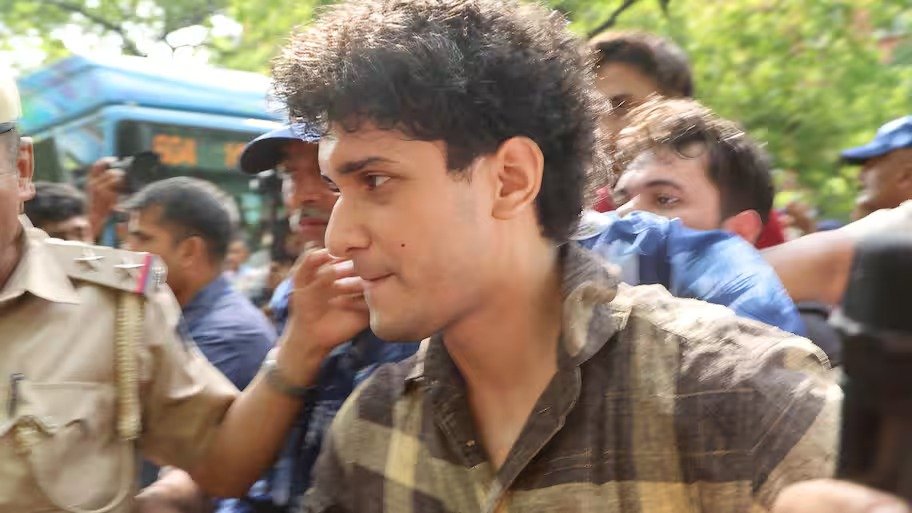
CJP Says Its Demands Are Clear
Before leaving for the meeting, CJP spokesperson Saurav Das stated that the delegation would present the organisation’s demands directly before the Government.
Speaking publicly, Das said that both he and Ashutosh Ranka were travelling to meet J.P. Nadda after receiving communication from the Government earlier in the morning. He added that the organisation’s demands remained unchanged and reflected concerns repeatedly raised by students and young aspirants across the country.
According to CJP, the primary issues include allegations surrounding the NEET-UG examination, demands for greater transparency in recruitment and entrance examinations, and wider reforms aimed at strengthening accountability within India’s examination system.
The organisation has consistently argued that examination reforms should focus not only on preventing paper leaks but also on improving institutional transparency, protecting students’ rights and restoring confidence in competitive examinations.
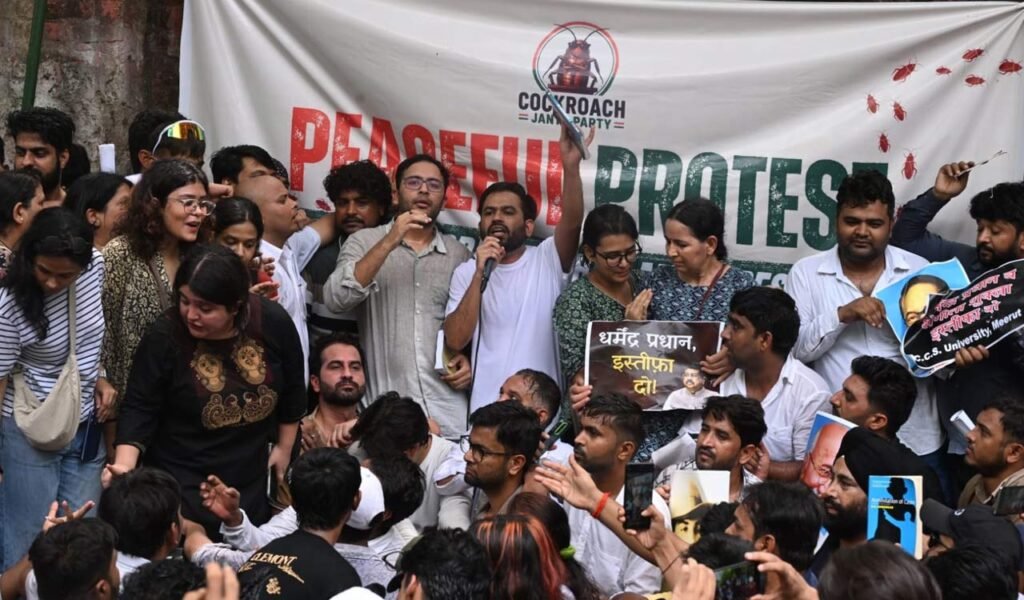
Youth Participation Shapes the Movement
One of the defining features of the CJP campaign has been the large participation of young people.
Supporters from different parts of the country travelled to Delhi to join demonstrations, making the movement largely youth-driven. Many participants believe that competitive examinations determine educational opportunities and future careers, making fairness and transparency essential for millions of aspirants.
The Government’s decision to initiate talks therefore carries significance beyond the immediate political context. It reflects recognition that concerns raised by students deserve structured engagement through dialogue rather than prolonged confrontation.
Education experts have frequently observed that trust in examination systems depends on transparency, timely investigations into alleged irregularities and effective communication between authorities and stakeholders.
Why Dialogue Matters
Public protests have historically played an important role in bringing policy concerns into national discussion. However, lasting solutions generally emerge through negotiation and institutional reforms.
The Government’s willingness to meet CJP representatives demonstrates that dialogue remains an important part of democratic decision-making. Meetings between protest organisers and policymakers provide opportunities to clarify demands, reduce misunderstandings and identify practical solutions that may not emerge during public demonstrations alone.
For the Government, engaging directly with representatives can help better understand public concerns. For protest organisers, discussions offer an opportunity to present detailed proposals before decision-makers instead of relying solely on street demonstrations.
Political analysts note that successful negotiations often require flexibility from both sides while maintaining focus on substantive issues rather than political rhetoric.
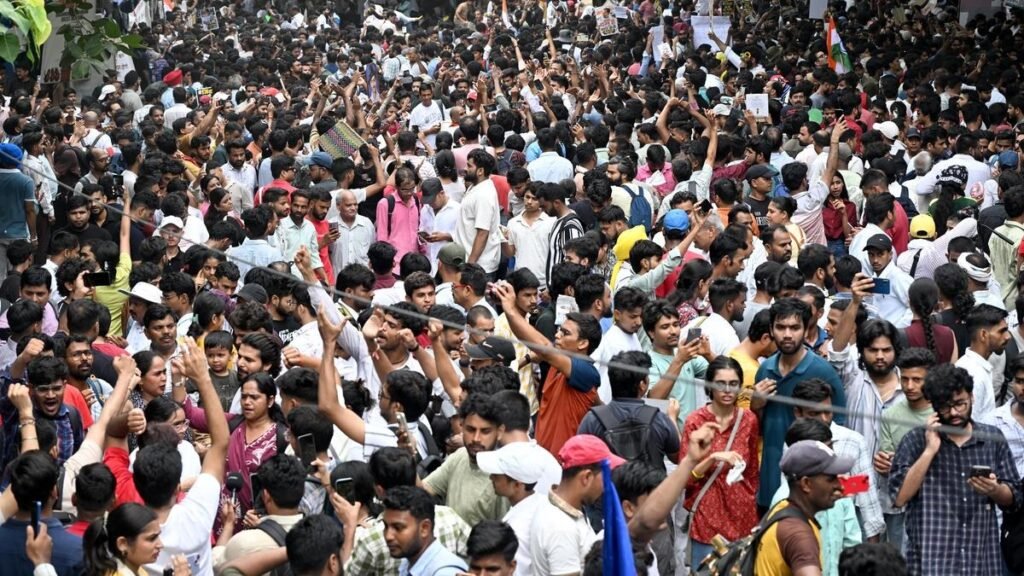
Protest Continues Alongside Talks
Even as the delegation travelled for discussions, demonstrations continued at Jantar Mantar under heavy security arrangements.
Thousands of supporters remained gathered at the designated protest site while police maintained extensive deployment across central Delhi because Parliament’s Monsoon Session was underway.
Authorities continued monitoring crowd movement to ensure demonstrations remained peaceful and within authorised areas. Security personnel were deployed at multiple locations around Parliament, Janpath and adjoining roads to prevent unauthorised marches toward high-security zones.
Despite the heightened security, organisers urged participants to remain disciplined and peaceful while awaiting updates from the meeting.
Focus Remains on Examination Reforms
At the centre of the ongoing discussions is CJP’s demand for comprehensive reforms in India’s examination framework.
The organisation has repeatedly highlighted concerns relating to examination security, transparency, accountability and protection of candidates’ interests. According to CJP leaders, restoring public confidence requires systemic improvements that go beyond isolated administrative action.
Education specialists have often argued that competitive examinations involving millions of candidates require robust digital infrastructure, stronger monitoring systems, faster investigations into alleged irregularities and transparent communication whenever controversies arise.
Given the increasing number of students appearing for national entrance examinations each year, examination governance has become an important public policy issue with implications for higher education, employment and social mobility.
Political Significance of the Meeting
The meeting between the Government and the CJP delegation also carries broader political importance.
Large-scale public movements frequently test how institutions respond to citizen concerns. By opening communication with protest representatives, the Government has signalled a willingness to address issues through institutional engagement while maintaining law and order.
Whether the discussions produce immediate outcomes or lead to future negotiations, the meeting itself represents a notable development in the ongoing movement.
For CJP, participating in formal discussions provides an opportunity to directly communicate its demands before senior leadership. For the Government, it offers a platform to understand public concerns and potentially explore policy responses through dialogue rather than confrontation.
As thousands of supporters continued gathering in Delhi, attention remained focused on the outcome of the talks, with both the Government and CJP indicating that communication had begun. The discussions are expected to shape the next phase of engagement between the two sides as debate over examination reforms, transparency and accountability continues to draw nationwide attention.