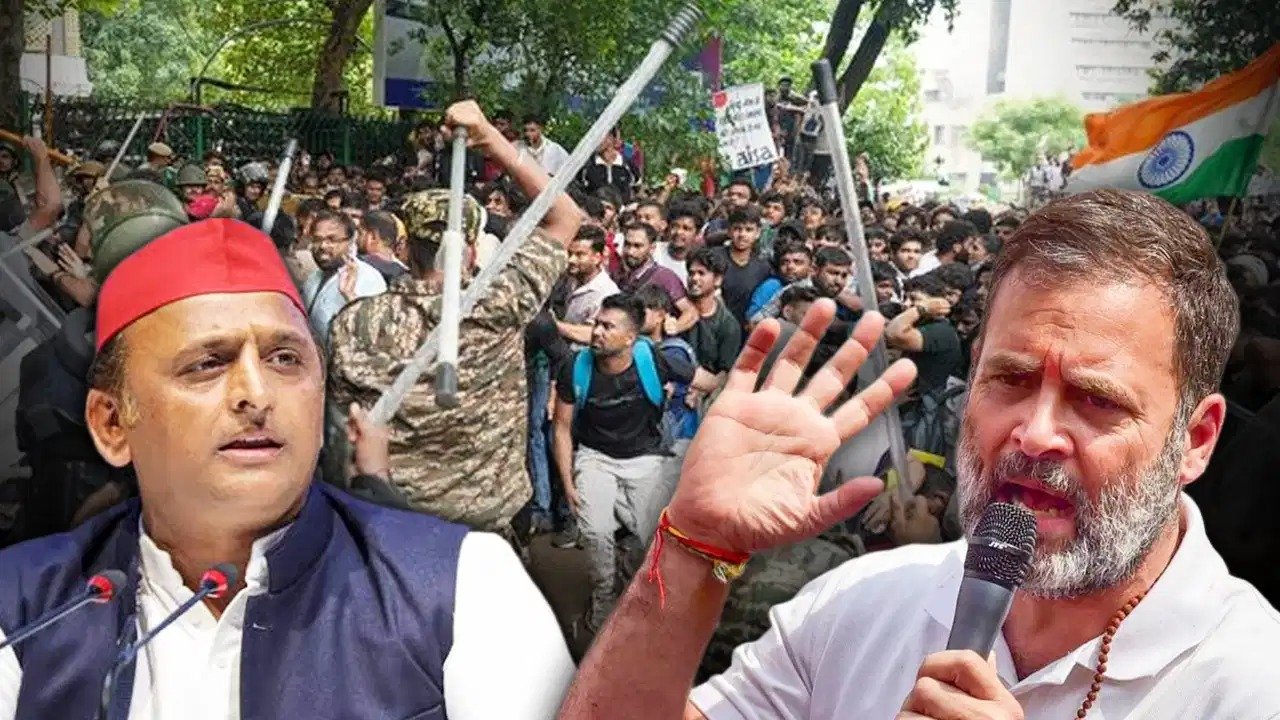
Parliament March, The ongoing protest led by the Cockroach Janta Party (CJP) has entered a crucial phase as supporters gathered at Jantar Mantar ahead of the organisation’s proposed “Chalo Sansad” march towards Parliament. While the protest movement continues to demand accountability over alleged examination irregularities and broader education reforms, CJP leaders have indicated that they remain willing to engage in dialogue with the government.
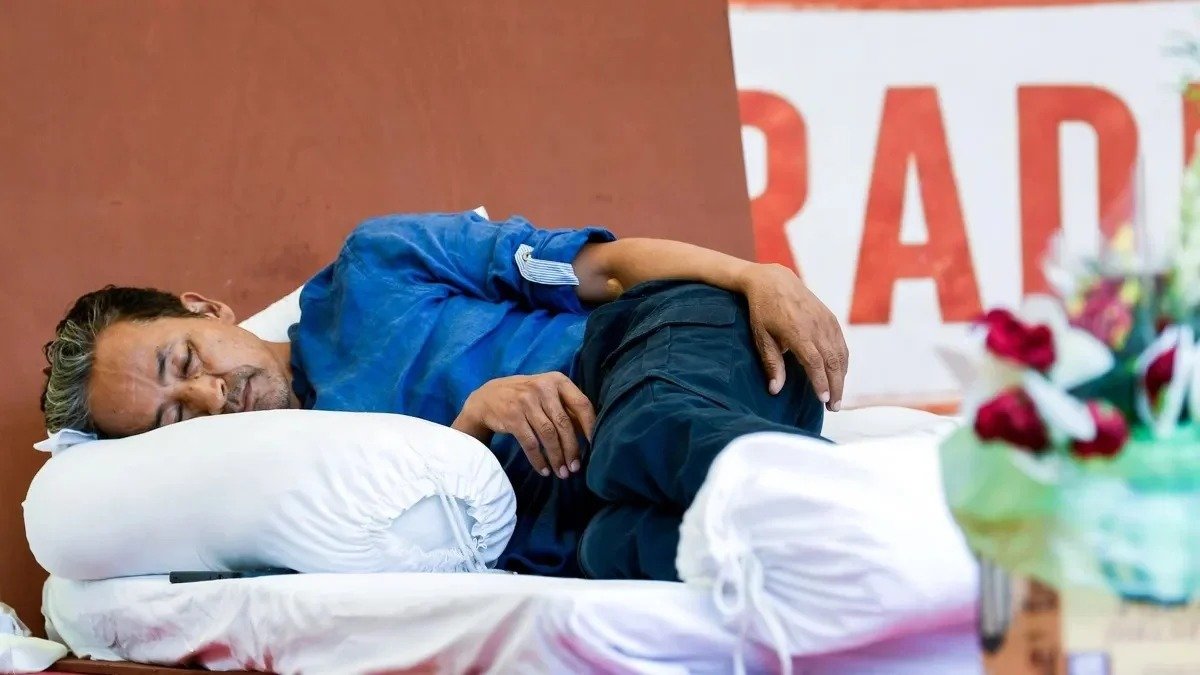
The latest development comes as activist and education reform advocate Sonam Wangchuk, who has been on an indefinite hunger strike, continues receiving medical care at Safdarjung Hospital after being shifted from the protest site. Even as Wangchuk remains hospitalised, the movement has gathered momentum with supporters arriving from different parts of the country and the organisation reaffirming its intention to continue peaceful demonstrations.
Table of Contents
Meanwhile, the Delhi Police has significantly strengthened security arrangements across the national capital in view of the Monsoon Session of Parliament. Authorities have reiterated that no permission has been granted for any march towards Parliament and warned that legal action will be taken against anyone violating prohibitory orders currently in force in the New Delhi district.
CJP Says It Is Ready for Dialogue with the Government
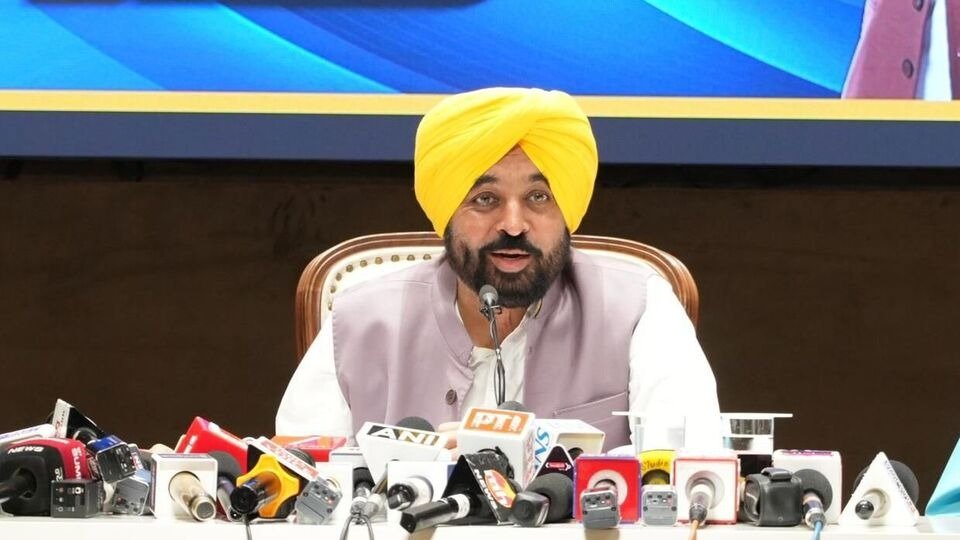
In a significant political development, CJP spokesperson Saurav Das stated that the organisation remains open to discussions with the government despite expressing disappointment over what it described as a delayed response from the administration.
Speaking to the media, Das said that CJP’s primary objective is to secure meaningful reforms in India’s education system rather than prolong confrontation.
According to him, the organisation has consistently demanded accountability regarding examination-related issues and believes constructive dialogue remains the best way to resolve the ongoing dispute.
Das remarked that although government representatives have shown signs of initiating communication, the organisation is still awaiting greater clarity regarding any formal negotiations.
He stated that the organisation has already conveyed its willingness to hold discussions and that the next step now rests with the government.
His remarks reflected a softer tone compared to the protest rhetoric, indicating that CJP remains hopeful that meaningful engagement could help address the concerns raised by students and education reform advocates.
Focus Remains on Education Reforms
The central issue behind the ongoing protest continues to be the demand for greater transparency and accountability in India’s examination system.
The movement has repeatedly highlighted concerns regarding alleged examination paper leaks, irregularities in competitive examinations, and the need for stronger institutional mechanisms to safeguard the integrity of public recruitment and entrance examinations.
According to the protesters, restoring confidence in the education system requires comprehensive reforms, timely investigations into alleged irregularities, and greater accountability from authorities responsible for conducting examinations.
Education experts have observed that examination integrity has emerged as an important national issue in recent years, with repeated controversies prompting calls for improved digital security, stronger monitoring mechanisms, and stricter action against those involved in malpractice.
Sonam Wangchuk Continues Hunger Strike
Despite being shifted to Safdarjung Hospital, Sonam Wangchuk continues his indefinite hunger strike.
According to CJP spokesperson Saurav Das, Wangchuk’s health condition remains stable under medical supervision, although he continues to observe his fast in support of the movement’s demands.
Das said Wangchuk has conveyed his appreciation to students and young protesters who have participated peacefully in the movement over the past several weeks.
He also praised the demonstrators for maintaining discipline and ensuring that protests remain peaceful despite heightened political attention and increased security arrangements.
Supporters believe Wangchuk’s continued fast symbolizes the movement’s commitment to demanding systemic reforms rather than short-term political gains.
Wangchuk Lists Three Conditions to End His Fast
Earlier, Sonam Wangchuk publicly outlined the circumstances under which he would consider ending his hunger strike.
According to his statement, he would conclude the fast if the government accepted responsibility for recent failures related to the education system, including alleged examination paper leaks.
Alternatively, he said he would also end the protest if Members of Parliament from various political parties assured him that education accountability and examination reforms would be discussed during the ongoing Monsoon Session of Parliament.
The third condition states that if his medical condition prevents him from physically reaching Parliament, political leaders should visit him at the hospital and provide similar assurances regarding parliamentary discussion on the issue.
These conditions indicate that the movement’s primary objective remains policy-level discussion rather than confrontation with authorities.
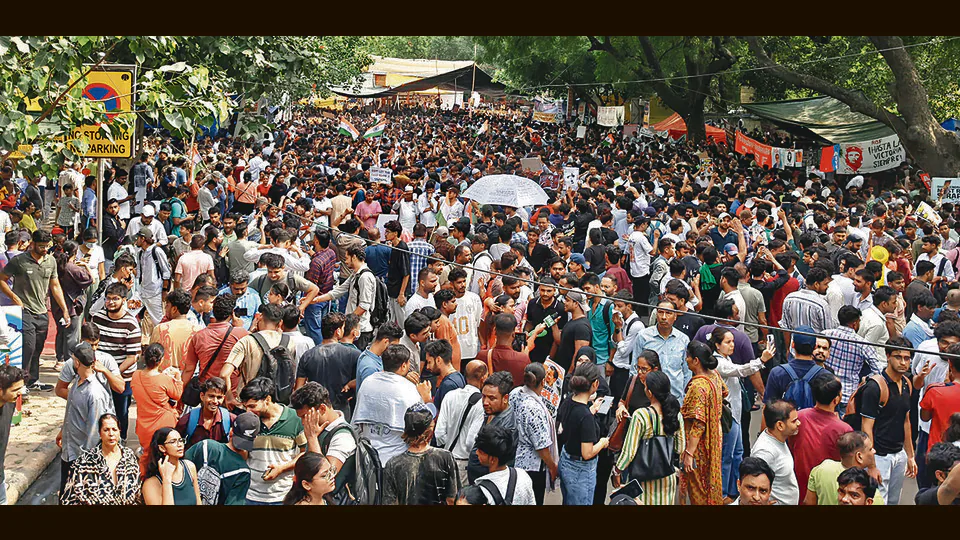
Supporters Gather at Jantar Mantar
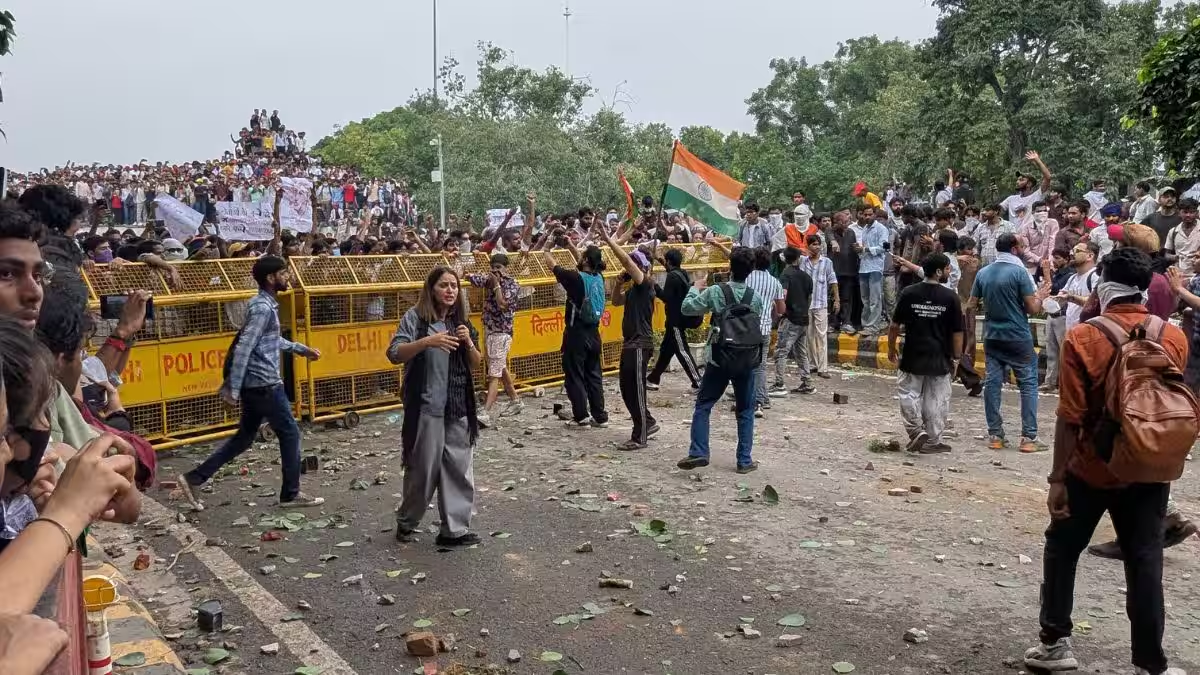
The protest site at Jantar Mantar witnessed growing activity as supporters assembled ahead of the proposed Parliament march.
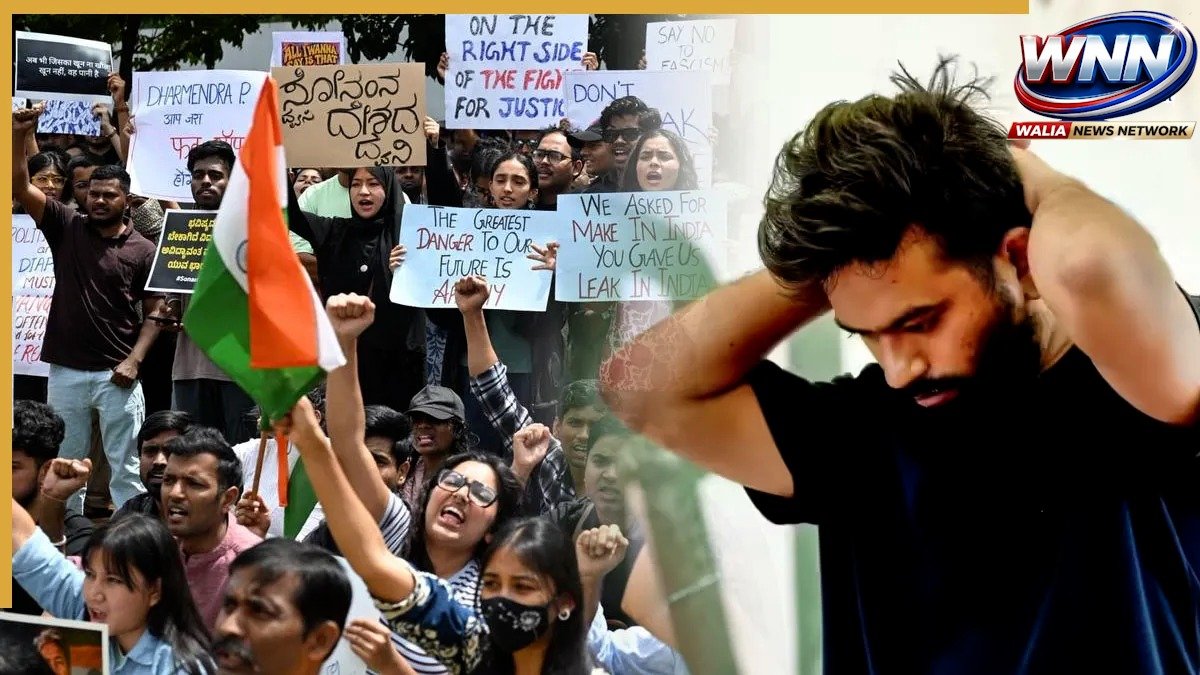
Participants carrying banners and placards gathered peacefully while raising slogans demanding education reforms and greater accountability.
Volunteers coordinated the movement, urging participants to maintain discipline and avoid any confrontation with security personnel.
The atmosphere remained largely peaceful as organisers repeatedly appealed to demonstrators to follow lawful procedures during the protest.
Several participants described the movement as a nationwide campaign aimed at protecting the credibility of India’s education system.
CJP Leadership Calls for Continued Peaceful Protest
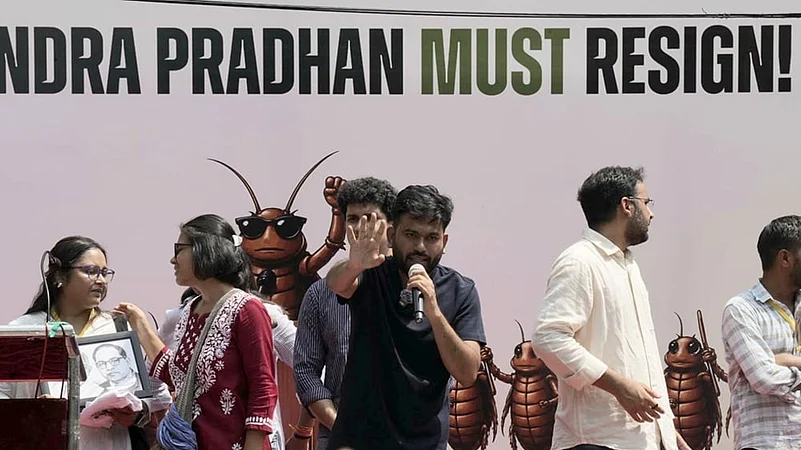
Addressing supporters gathered at Jantar Mantar, CJP President Abhijeet Dipke said the organisation remained determined to continue its movement through peaceful democratic means.
He stated that supporters from across the country had continued arriving even after nearly a month of demonstrations, reflecting growing public participation in the campaign.
Dipke described the movement as an effort to strengthen democratic participation and encourage greater public accountability regarding education policy.
He also expressed confidence that public support would continue increasing as more citizens became aware of the movement’s objectives.
Organisers repeatedly emphasised that the demonstrations should remain peaceful and orderly.
Proposed ‘Chalo Sansad’ March Draws Attention
The proposed “Chalo Sansad” march has become the focal point of the current phase of the protest.
Organisers have announced plans to march towards Parliament to highlight their demands before lawmakers during the Monsoon Session.
However, authorities have clarified that no permission has been granted for such a procession.
The issue has therefore become a point of contention between protest organisers and law enforcement agencies.
While organisers maintain that peaceful protest is a democratic right, police have stressed the importance of complying with existing legal restrictions in sensitive government zones.
Delhi Police Strengthens Security Across the Capital
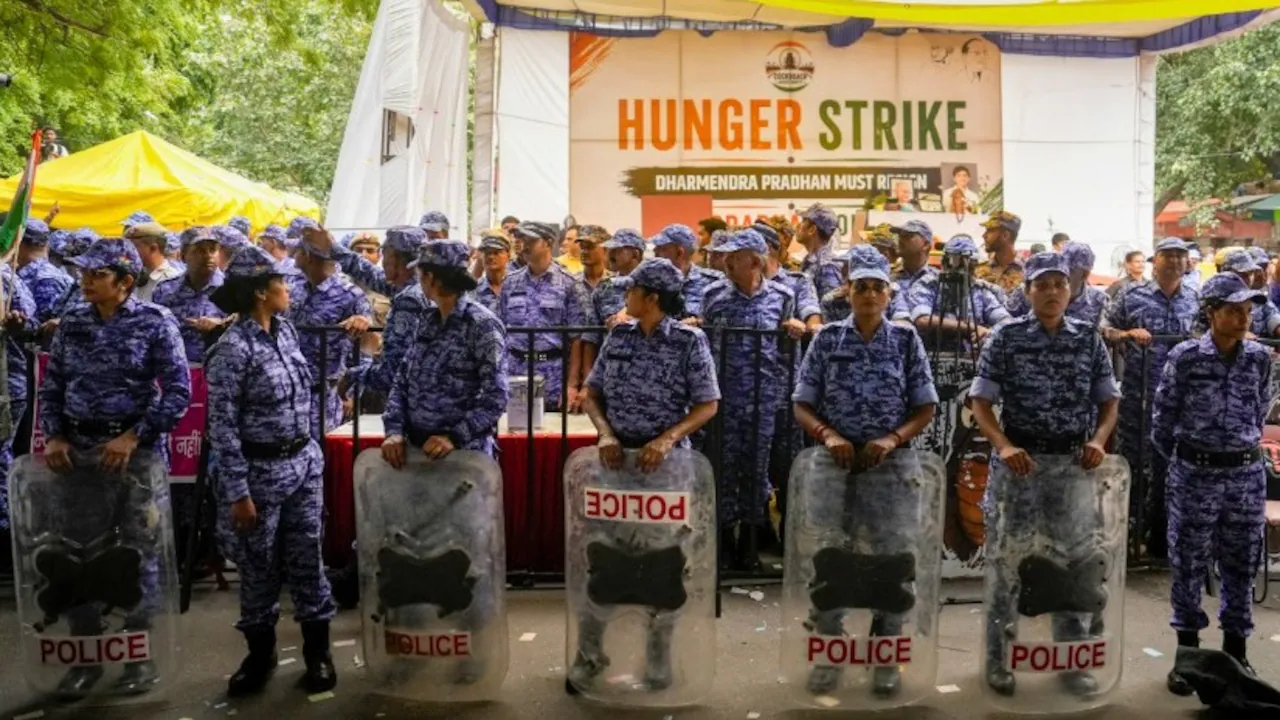
In anticipation of possible demonstrations, Delhi Police has implemented extensive security measures throughout central Delhi.
Large numbers of police personnel have been deployed near Parliament House, Jantar Mantar, Vijay Chowk, North Block, South Block, and other strategically important government locations.
Barricades have been erected across several roads leading towards Parliament to regulate public movement.
Additional surveillance systems, including CCTV monitoring and rapid-response teams, have also been activated.
Officials said the objective is to ensure public safety while allowing Parliament to function without disruption during the Monsoon Session.
Section 163 BNSS Remains in Force
Delhi Police has reiterated that prohibitory orders under Section 163 of the Bharatiya Nagarik Suraksha Sanhita (BNSS) continue to remain in force throughout the New Delhi district.
The restrictions prohibit:
- Protest marches
- Public processions
- Demonstrations
- Gatherings involving five or more persons
- Unauthorised assemblies in notified areas
Authorities clarified that demonstrations are permitted only at designated locations after obtaining the necessary approval.
Police warned that anyone violating these restrictions could face legal action under relevant provisions of the Bharatiya Nyaya Sanhita (BNS).
Police Clarify No Permission Granted for Parliament March
Delhi Police has categorically stated that no permission has been sought or granted for the proposed march towards Parliament.
Officials have urged protest organisers to cooperate with security arrangements and respect the restrictions imposed around high-security government zones.
According to the advisory, these measures are intended to protect government institutions, ensure the safety of Members of Parliament, and maintain public order during the parliamentary session.
Authorities have appealed to citizens to avoid entering restricted areas unnecessarily.
Monsoon Session Adds to Security Sensitivity
The commencement of Parliament’s Monsoon Session has significantly increased the security sensitivity in the national capital.
The session, which is expected to continue until August 13, will witness discussions on several important legislative and policy matters.
Security agencies traditionally enhance arrangements whenever Parliament is in session.
However, the ongoing protest movement has prompted even stricter security measures this year.
Officials continue monitoring developments closely while maintaining communication between various law enforcement agencies.
Public Debate Over Education Accountability Continues
The protest has renewed national discussions surrounding examination reforms and institutional accountability.
Education policy experts believe that repeated allegations of paper leaks have highlighted the need for stronger safeguards in conducting competitive examinations.
Suggested reforms include:
- Improved digital security systems
- Better encryption of question papers
- Faster investigation mechanisms
- Greater transparency
- Stronger accountability for officials
- Enhanced monitoring of examination centres
Many analysts believe that public confidence in India’s education system depends on ensuring fairness, transparency, and integrity throughout the examination process.
Peaceful Protest and Democratic Dialogue
Political observers note that peaceful demonstrations remain an important part of democratic participation.
At the same time, authorities are responsible for balancing citizens’ right to protest with maintaining law and order, especially around highly sensitive government institutions.
The current situation illustrates the importance of constructive dialogue between protest groups and the administration.
With CJP expressing willingness to engage in discussions and the government reportedly exploring communication channels, many observers hope that negotiations may help reduce tensions in the coming days.
The ongoing CJP protest has entered a critical stage as supporters continue gathering at Jantar Mantar while preparing for the proposed “Chalo Sansad” march. Even as activist Sonam Wangchuk remains on an indefinite hunger strike from Safdarjung Hospital, the organisation has signalled its readiness to engage in dialogue with the government regarding long-standing demands for examination reforms and greater accountability in the education system.
At the same time, Delhi Police has intensified security arrangements across the national capital, reiterating that no permission has been granted for any march towards Parliament and warning against violations of prohibitory orders under Section 163 of the BNSS. As Parliament’s Monsoon Session progresses, attention is expected to remain focused not only on the security situation in Delhi but also on the broader debate surrounding education governance, examination integrity, democratic protest, and the possibility of meaningful dialogue between the government and the protest organisers.