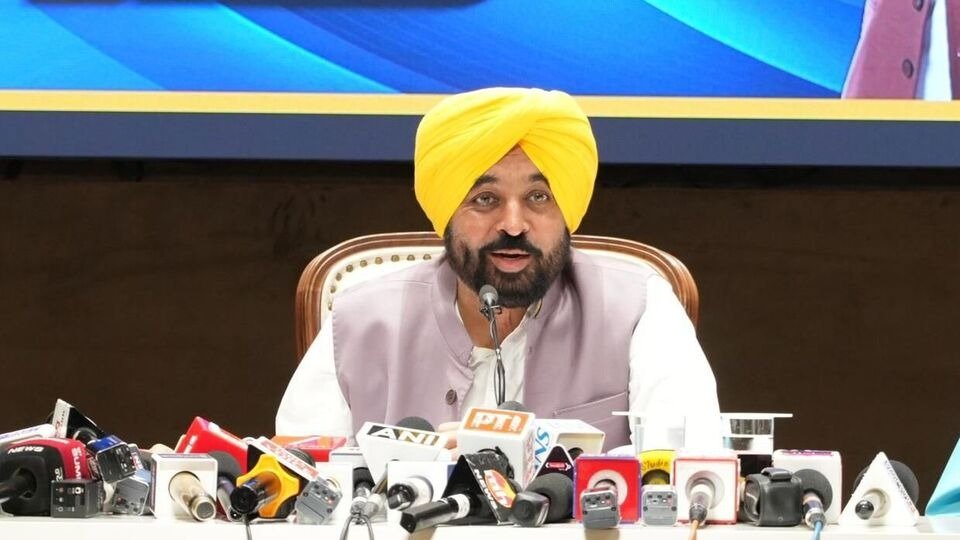
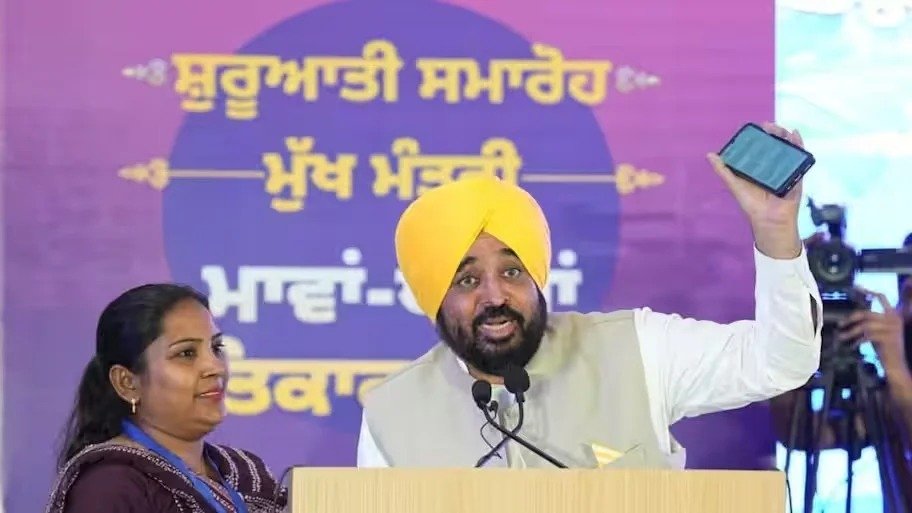
Bhagwant Mann has placed affordable healthcare at the centre of Punjab’s public welfare efforts, with the state government extending cashless cardiac treatment worth Rs 2.71 crore to 135 patients under the Mukh Mantri Sehat Yojna. The initiative aims to ensure that life-saving heart treatment is not delayed because of financial hardship, allowing eligible families to access specialised cardiac care without worrying about expensive hospital bills.
The latest figures released by the State Health Agency (SHA), Punjab, show how the scheme is making a difference for patients suffering from various heart conditions, including blocked arteries, congenital heart defects, valve disorders, and other complex cardiovascular diseases. At a time when heart disease has emerged as one of India’s biggest public health concerns, the healthcare initiative under Bhagwant Mann is offering timely treatment while reducing the financial burden on families.
Table of Contents
Affordable Cardiac Care Reaching More Families
Heart disease is one of the leading causes of death in India, affecting people across different age groups. While medical science has made tremendous progress in treating cardiac illnesses, the high cost of procedures such as angioplasty, bypass surgery, and valve replacement often prevents patients from seeking immediate care.
Recognising this challenge, Bhagwant Mann introduced measures under the Mukh Mantri Sehat Yojna to provide eligible beneficiaries with cashless treatment at empanelled hospitals. Bhagwant Mann ,Instead of delaying medical intervention due to financial limitations, patients can now receive advanced cardiac procedures without paying out-of-pocket expenses.
According to official data available till July 15, a total of 135 patients have already undergone cashless cardiac procedures, with treatment support amounting to Rs 2.71 crore. These figures underline the increasing demand for specialised heart care and the importance of government-backed financial protection.
A Patient’s Story Reflects the Need for Timely Treatment
The impact of the programme can be understood through the experience of 58-year-old Manjeet Singh from Punjab’s Fazilka district.
Initially, he believed his constant tiredness was simply part of ageing. As the weeks passed, chest discomfort became more frequent, and even routine activities such as walking short distances became difficult. When he finally visited a hospital, doctors discovered that one of his coronary arteries had developed a serious blockage requiring urgent treatment.
Medical specialists immediately shifted him to the catheterisation laboratory, where an angioplasty was performed and a stent was inserted to restore normal blood flow to the heart.
The treatment was successful, allowing him to recover before his condition developed into a major cardiac emergency.
His experience demonstrates how recognising symptoms early and receiving immediate medical attention can significantly improve patient outcomes.
Younger Population Also Facing Cardiac Risks
One of the significant observations emerging from the programme is that cardiovascular disease is no longer limited to elderly citizens.
Health officials have noted that beneficiaries aged 17 to 35 years account for the largest proportion of patients receiving cashless cardiac procedures under the scheme. This trend reflects changing lifestyles and growing health risks among younger adults.
Medical professionals attribute the rise in heart-related illnesses among younger individuals to several contributing factors, including:
- Sedentary lifestyles with limited physical activity
- Unhealthy eating habits and processed foods
- Tobacco consumption
- Diabetes and uncontrolled blood pressure
- Chronic stress
- Obesity
- Rapid urbanisation
Doctors emphasise that younger people often ignore early warning signs because they assume heart disease only affects older adults.
Heart Disease Continues to Challenge India’s Healthcare System
According to the Indian Council of Medical Research (ICMR), cardiovascular disease has become India’s leading cause of illness and death over the past three decades.
Experts explain that heart disease often develops gradually. While some patients experience sudden cardiac events, many notice warning symptoms long before a serious emergency occurs.
Common warning signs include:
- Persistent chest pain or pressure
- Breathlessness during routine activities
- Unusual fatigue
- Pain radiating towards the arms, shoulders, jaw, or back
- Dizziness or fainting episodes
Doctors advise that these symptoms should never be ignored, as early diagnosis can prevent severe complications and significantly improve survival rates.
The healthcare initiatives introduced under Bhagwant Mann seek to encourage early medical consultation instead of waiting until conditions become life-threatening.
Financial Support Encourages Early Medical Care
Healthcare experts often point out that cost remains one of the biggest reasons patients postpone treatment.
Many families hesitate to undergo expensive cardiac procedures because of concerns about hospital expenses, long-term medication, and recovery costs. Such delays frequently worsen the patient’s condition, increasing both medical risks and treatment expenses.
Bhagwant Mann ,By offering cashless cardiac treatment through the Mukh Mantri Sehat Yojna, Bhagwant Mann has attempted to remove one of the biggest barriers to quality healthcare.
The scheme covers several specialised cardiac procedures, including:
- Angioplasty
- Treatment for congenital heart defects
- Valve replacement and repair surgeries
- Complex cardiac interventions
- Other specialised heart procedures approved under the programme
Officials believe financial protection enables patients to seek timely treatment rather than postponing hospital visits.
Government Focuses on Prevention Alongside Treatment
Punjab Health and Family Welfare Minister Dr. Balbir Singh has stressed that while providing affordable treatment remains essential, preventing heart disease is equally important.
He said cardiovascular disease continues to pose one of the biggest public health challenges and highlighted the importance of creating awareness about symptoms that require immediate medical attention.
The minister urged citizens not to ignore chest pain, unexplained tiredness, breathing difficulties, or other warning signs.
He also emphasised that no family should delay life-saving treatment because of financial constraints, adding that the government’s objective is to make advanced cardiac care accessible to every eligible household across Punjab.
The healthcare initiatives under Bhagwant Mann are therefore designed to combine financial support with greater public awareness regarding early diagnosis.
Doctors Stress Lifestyle Changes for Better Heart Health
Cardiology experts believe treatment alone cannot solve India’s growing heart disease burden.
Dr. Karandeep Singh Sayal, Consultant Cardiologist and Head of the Department of Cardiology at My Hospital, Mohali, explained that congenital heart defects and other complex cardiovascular conditions continue to account for a significant number of procedures performed in hospitals.
However, he emphasised that timely diagnosis and immediate treatment can save lives.
Bhagwant Mann ,He further noted that financial protection schemes encourage patients to undergo necessary treatment without delay, improving both recovery rates and long-term outcomes.
Doctors also recommend adopting healthier daily habits to reduce cardiovascular risk, including:
- Engaging in regular physical exercise
- Maintaining a balanced diet rich in fruits and vegetables
- Avoiding tobacco products
- Controlling blood pressure and diabetes
- Managing stress effectively
- Undergoing routine heart check-ups, especially for high-risk individuals
Health experts agree that prevention remains the most effective strategy for reducing the growing burden of cardiovascular disease across the country.
Rising Demand Highlights Importance of Public Health Schemes
The growing number of beneficiaries under the programme reflects increasing awareness among patients regarding government-supported healthcare initiatives.
As more people become informed about Bhagwant Mann cashless treatment facilities, officials expect greater participation under the Mukh Mantri Sehat Yojna.
The figures released by the State Health Agency indicate not only rising utilisation of specialised cardiac services but also growing confidence in publicly supported healthcare programmes introduced under Bhagwant Mann.
With cardiovascular disease affecting both urban and rural populations, financial assistance continues to play an important role in ensuring equal access to advanced medical treatment.
Healthcare Beyond Hospital Bills
For patients like Manjeet Singh, recovering from heart disease was only part of the journey. Bhagwant Mann and availability of cashless treatment meant that his family could focus entirely on his recovery rather than worrying about arranging funds for emergency medical care.
His experience mirrors that of many beneficiaries who have received specialised cardiac procedures under the scheme. Access to timely treatment without financial pressure has provided reassurance to families facing one of the most difficult medical situations.
As heart disease continues to affect increasing numbers of Indians, healthcare initiatives introduced under Bhagwant Mann are helping improve access to specialised cardiac care, encouraging early diagnosis, supporting timely medical intervention, and Bhagwant Mann ensuring that financial limitations do not become an obstacle to receiving life-saving treatment.