Stress has become an unavoidable part of student life in today’s fast-changing world. From scoring high marks in school and college to preparing for highly competitive entrance examinations, students face enormous pressure every day. Whether it is preparing for NEET, JEE, UPSC, CUET, CLAT, SSC, banking examinations, or university admissions, the journey toward success often brings emotional, mental, and physical challenges. While ambition pushes students to achieve their goals, excessive Stress can affect their health, confidence, relationships, and overall quality of life.
Modern education has opened countless career opportunities, but it has also increased competition like never before. Every year, millions of students compete for a limited number of seats in prestigious colleges, government jobs, and professional courses. Social media has further intensified the pressure by constantly exposing young people to stories of success, rankings, and achievements, often making them compare themselves with others.
However, experts believe that success does not come from studying endlessly or sacrificing mental health. Instead, students who learn to manage Stress effectively often perform better academically while maintaining a healthier and happier lifestyle. Understanding how to balance education, career aspirations, personal well-being, and emotional resilience has become just as important as scoring high marks.
Table of Contents
Why Stress Has Become So Common Among Students
Stress is a natural response to challenges or demanding situations. A certain amount of Stress can motivate students to stay focused, complete assignments, and prepare well for examinations. The problem begins when Stress becomes continuous, overwhelming, and difficult to control.
Today’s students face multiple responsibilities at the same time. They are expected to perform well academically, participate in extracurricular activities, prepare for competitive examinations, develop technical skills, build impressive resumes, and plan their future careers while maintaining social relationships.
The fear of failure often becomes one of the biggest sources of Stress. Many students worry about disappointing their parents, losing opportunities, or falling behind their peers. Financial concerns, uncertainty about career choices, and constant academic evaluations further increase emotional pressure.
Unlike previous generations, students today also experience digital Stress. Social media platforms frequently showcase success stories, rank lists, admission announcements, and career achievements, creating unrealistic expectations and unhealthy comparisons.
The Growing Competition in Education
India has one of the world’s largest education systems, producing millions of graduates every year.
However, the number of aspirants often far exceeds the available opportunities. For example, entrance examinations such as NEET and JEE attract millions of applicants, while only a fraction secure seats in top institutions. Government job examinations witness similar competition, with thousands of candidates competing for a limited number of vacancies.
Such intense competition naturally increases Stress levels.
Students often spend several years preparing for a single examination. Coaching classes, mock tests, revision schedules, and performance comparisons become part of daily life.
Although competition encourages excellence, experts advise students to remember that one examination cannot define their intelligence, potential, or future success.
How Stress Affects Academic Performance
Many students believe that working longer hours automatically produces better results.
In reality, excessive Stress often reduces productivity rather than improving it.
When Stress becomes chronic, it affects concentration, memory, problem-solving ability, decision-making, and emotional stability. Students may find it difficult to remember information, remain focused during classes, or perform confidently during examinations.
Physical symptoms can also appear, including headaches, disturbed sleep, fatigue, digestive problems, increased anxiety, irritability, and loss of motivation.
Instead of improving performance, unmanaged Stress often creates a cycle where reduced productivity leads to more pressure, causing even greater emotional exhaustion.

Time Management Is One of the Best Solutions
One of the simplest ways to reduce Stress is effective time management.
Students frequently feel overwhelmed because they try to complete everything simultaneously without proper planning.
Creating a realistic daily schedule helps organise study sessions, revision, exercise, meals, relaxation, and sleep.
Rather than studying continuously for long hours, education experts recommend dividing study time into smaller focused sessions with short breaks in between.
Prioritising important subjects, setting achievable daily goals, and avoiding last-minute preparation can significantly reduce examination-related Stress.
Small, consistent progress over several months often produces better results than occasional marathon study sessions.
Focus on Learning Instead of Only Marks
Marks are important, but they should not become the only measure of success.
Students who focus entirely on examination scores often experience higher Stress because every test appears to determine their future.
Education experts encourage students to develop conceptual understanding rather than memorising information solely for examinations.
Learning with curiosity makes studies more enjoyable and improves long-term retention.
Strong concepts also help students perform better in interviews, higher education, professional careers, and real-life problem-solving.
Success achieved through genuine understanding usually lasts much longer than success based only on short-term memorisation.
Taking Care of Physical Health
Physical health and mental health are closely connected.
Students sometimes sacrifice sleep, nutrition, and exercise while preparing for competitive examinations.
Although this may seem productive initially, it often reduces concentration, weakens memory, and increases Stress over time.
Most health professionals recommend sleeping for around seven to eight hours each night because proper sleep helps the brain process new information and improves learning efficiency.
Regular physical activity, including walking, cycling, yoga, stretching, or sports, releases endorphins that naturally reduce Stress.
Balanced nutrition, adequate hydration, and limiting excessive caffeine also contribute to better mental performance during examination preparation.

Learning to Handle Failure
Failure is one of the most difficult experiences students face.
Not qualifying for an examination, receiving lower marks than expected, or missing admission to a preferred college can feel emotionally overwhelming.
However, many successful professionals have experienced setbacks before achieving their goals.
Failure should be viewed as feedback rather than a final judgment.
Students who analyse their mistakes objectively often perform much better during future attempts.
Developing resilience—the ability to recover from disappointment—is one of the most valuable life skills.
Every unsuccessful attempt provides valuable lessons about preparation strategies, time management, and personal strengths.
Career Success Is Not Limited to One Path
One of the biggest misconceptions among students is believing that only a few careers guarantee success.
While medicine, engineering, civil services, law, and management remain popular choices, today’s economy offers opportunities across journalism, digital media, artificial intelligence, design, finance, psychology, biotechnology, sports management, entrepreneurship, environmental science, filmmaking, animation, and many other emerging fields.
Career counsellors increasingly advise students to choose careers based on their interests, abilities, personality, and long-term goals rather than social pressure.
A fulfilling career is usually built through continuous learning, adaptability, and passion rather than a single examination result.

Building Emotional Strength
Emotional resilience helps students manage Stress more effectively.
Instead of suppressing emotions, students should feel comfortable discussing academic pressure with parents, teachers, mentors, or trusted friends.
Seeking guidance is a sign of maturity rather than weakness.
Many schools, colleges, and universities now offer counselling services where trained professionals help students manage anxiety, examination pressure, career uncertainty, and emotional challenges.
Talking openly often reduces Stress and provides practical solutions that students may not have considered independently.
Digital Balance Matters
Technology has transformed education by providing online lectures, digital libraries, educational applications, and virtual classrooms.
However, excessive screen time can also contribute to Stress.
Constant notifications, endless scrolling, comparison with others, and information overload may distract students from their goals.
Maintaining healthy digital habits can significantly improve concentration.
Experts recommend limiting unnecessary social media use during examination preparation while using technology primarily as a learning resource.
Creating technology-free study periods helps improve focus and productivity.
Parents and Teachers Play a Crucial Role
Managing Stress is not solely the responsibility of students.
Parents and teachers play an equally important role in creating supportive learning environments.
Encouragement, understanding, realistic expectations, and open communication help students feel emotionally secure.
Comparing children with classmates or relatives often increases unnecessary Stress and damages self-confidence.
Recognising effort instead of only celebrating results encourages healthier motivation.
Teachers who inspire curiosity and guide students patiently can significantly reduce classroom anxiety while improving academic engagement.
Society Must Redefine Success
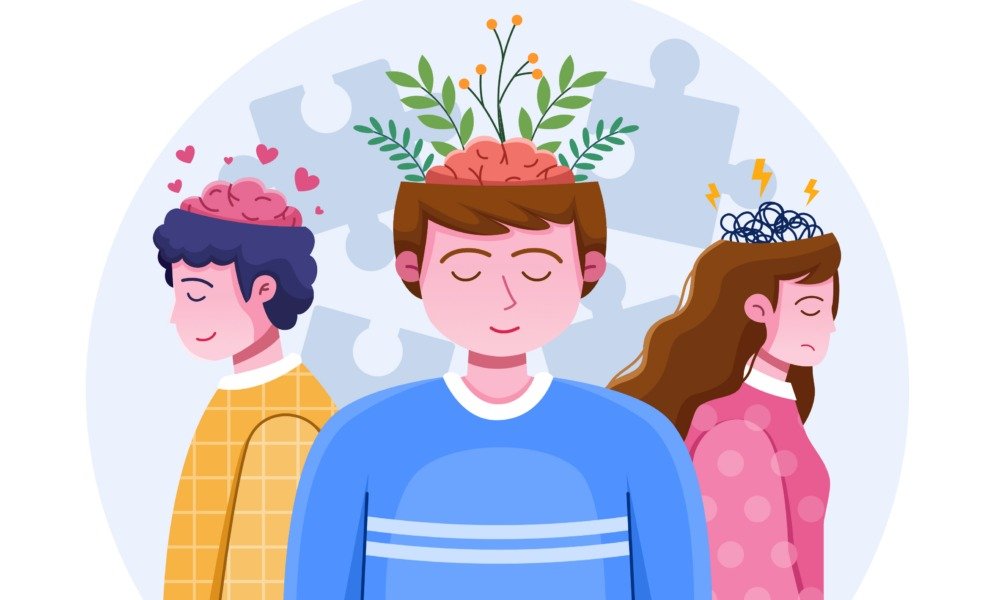
Modern society often measures success through examination scores, salaries, and prestigious institutions.
While these achievements are valuable, they do not fully define an individual’s capabilities.
Qualities such as integrity, creativity, compassion, adaptability, leadership, communication, and lifelong learning are equally important.
Students should understand that every individual progresses at a different pace.
Some achieve success early, while others discover their strengths later in life.
Comparing personal journeys with others only increases Stress without providing meaningful motivation.
Staying Determined Without Giving Up on Dreams
Every dream requires patience, discipline, perseverance, and consistent effort.
There will always be challenges, disappointments, unexpected failures, and moments of self-doubt.
The key is to continue moving forward while protecting mental and physical well-being.
Managing Stress does not mean avoiding hard work. It means working intelligently, maintaining balance, seeking help when needed, learning from setbacks, and believing that success is built over time.
Students who remain disciplined while caring for their health are more likely to achieve sustainable success than those who sacrifice everything for short-term results.
The journey through education and competitive examinations is undoubtedly demanding, but it is also an opportunity to develop resilience, confidence, knowledge, and character. By managing Stress effectively, maintaining a healthy lifestyle, embracing continuous learning, and refusing to give up on their dreams, students can build meaningful careers while protecting the most valuable asset they possess—their physical and mental well-being.