
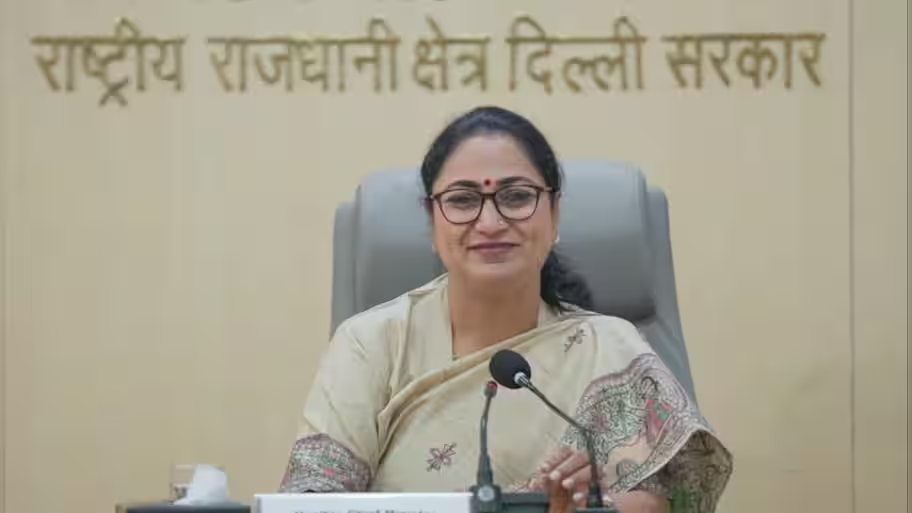
Delhi Chief Minister Rekha Gupta carried out an inspection of Lal Bahadur Shastri (LBS) Hospital in East Delhi, reviewing patient care, hospital infrastructure, medical facilities, and the overall quality of healthcare services. During the visit, the Chief Minister interacted directly with patients, attendants, doctors, and hospital officials to understand the challenges being faced by both healthcare workers and the public, while stressing the need for efficient, transparent, and patient-centric governance in Delhi’s government hospitals.
The inspection forms part of the Delhi government’s continuing efforts to strengthen public healthcare infrastructure through regular monitoring, improved accountability, and better service delivery across government-run medical institutions. Officials said such surprise inspections are intended to identify operational gaps, ensure timely treatment, and improve the overall patient experience.
Table of Contents
Direct Interaction With Patients
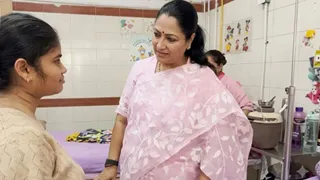
One of the key highlights of Rekha Gupta’s visit was her interaction with patients receiving treatment at the hospital. Rather than relying solely on official briefings, the Chief Minister personally spoke with patients and their family members to gather first-hand feedback regarding medical care, waiting times, cleanliness, staff behaviour, and the availability of medicines and diagnostic services.
Patients reportedly shared their experiences, suggestions, and expectations regarding healthcare services. Such interactions are increasingly viewed as an important administrative tool because they provide policymakers with direct insights into the functioning of hospitals beyond routine departmental reports.
Healthcare experts note that patient feedback often helps identify issues such as overcrowding, delays in treatment, maintenance concerns, and gaps in service delivery that may otherwise go unnoticed.
Review of Hospital Infrastructure
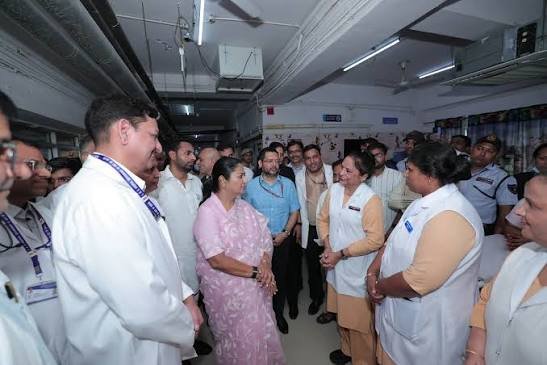
During the inspection, the Chief Minister reviewed several sections of Lal Bahadur Shastri Hospital to assess whether healthcare facilities were functioning efficiently. The visit included an examination of patient care arrangements, cleanliness standards, infrastructure maintenance, and the overall environment within the hospital.
Officials briefed the Chief Minister about ongoing services, hospital operations, and existing healthcare facilities. Discussions also focused on improving patient convenience while ensuring that doctors and medical staff have the necessary resources to deliver quality healthcare.
Hospital inspections have become an important component of governance, particularly in large metropolitan cities where government hospitals serve thousands of patients every day.
Focus on Quality Healthcare
Rekha Gupta reiterated that government hospitals should provide accessible, affordable, and high-quality healthcare to every citizen irrespective of economic background.
Healthcare delivery remains one of the most significant responsibilities of any state government. Public hospitals often become the first point of treatment for economically weaker sections, making improvements in infrastructure, staffing, diagnostics, and patient care particularly important.
Officials indicated that continuous monitoring helps ensure that hospitals maintain expected standards while addressing deficiencies promptly.
Importance of Government Hospital Monitoring
Healthcare administrators believe periodic inspections play an essential role in improving hospital performance.
Regular visits by senior government officials help:
- Monitor cleanliness and sanitation.
- Assess patient satisfaction.
- Review availability of medicines.
- Evaluate medical infrastructure.
- Identify maintenance requirements.
- Improve administrative accountability.
- Encourage timely implementation of reforms.
Such inspections also provide hospital authorities with an opportunity to present challenges requiring government intervention.
Lal Bahadur Shastri Hospital: A Key Public Healthcare Facility
The visit by Rekha Gupta highlighted the importance of strengthening healthcare facilities that serve thousands of residents daily.
Located in East Delhi, Lal Bahadur Shastri Hospital serves as a secondary-level government hospital catering to a large population from nearby residential areas. According to its official website, the hospital provides outpatient services, inpatient care, laboratory facilities, emergency care, and several other essential medical services, while referring super-specialty cases to higher tertiary-care institutions when required.
The hospital handles a significant number of daily patients, making efficient management crucial for maintaining quality healthcare services.
Healthcare professionals say hospitals such as LBS Hospital play a vital role in reducing pressure on larger tertiary-care hospitals by managing routine medical cases locally.
Strengthening Public Healthcare in Delhi
Delhi’s healthcare network includes a mix of primary health centres, Mohalla Clinics, district hospitals, multi-specialty government hospitals, and super-specialty institutions.
Under the leadership of Rekha Gupta, the Delhi government has indicated that improving healthcare infrastructure remains among its governance priorities. Recent inspections of various hospitals reflect efforts to monitor the implementation of health policies and improve service standards.
Experts believe that sustained investment in healthcare infrastructure, human resources, digital systems, and patient safety can significantly improve outcomes for citizens.
Patient Care at the Centre
Rekha Gupta stressed that patient satisfaction should remain a key indicator while evaluating the performance of government hospitals.
Modern healthcare management increasingly focuses on patient-centred care rather than merely expanding infrastructure.
Patient-centred healthcare includes:
- Timely diagnosis.
- Quick access to doctors.
- Clean hospital environment.
- Effective communication.
- Availability of medicines.
- Safe treatment practices.
- Respectful behaviour toward patients.
Health experts suggest that hospitals performing well in these areas generally achieve higher patient satisfaction and better clinical outcomes.
Challenges Facing Government Hospitals
By conducting regular inspections, Rekha Gupta aims to identify healthcare challenges and ensure timely improvements in public hospitals.
Like many urban public hospitals across India, Delhi’s government healthcare institutions continue to face several operational challenges.
These include:
- High patient footfall.
- Infrastructure maintenance.
- Staff workload.
- Equipment upgrades.
- Efficient appointment management.
- Bed availability during peak seasons.
- Timely procurement of medicines.
Periodic inspections allow governments to assess these issues directly and formulate appropriate policy responses.
Administrative Accountability
The approach adopted by Rekha Gupta places greater emphasis on transparency, monitoring, and accountability within healthcare institutions.
Healthcare governance today extends beyond budget allocation.
Experts emphasise that accountability involves:
- Monitoring hospital performance.
- Measuring patient satisfaction.
- Reviewing staff attendance.
- Ensuring transparent procurement.
- Maintaining sanitation standards.
- Strengthening emergency preparedness.
Visits by senior officials often reinforce administrative responsibility while encouraging faster implementation of corrective measures.
Digital Healthcare and Future Improvements
Rekha Gupta’s healthcare vision also includes improving the use of technology for better hospital management and patient services.
The Delhi government has also been promoting greater use of technology within public healthcare.
Areas where digital systems are expected to improve hospital functioning include:
- Electronic medical records.
- Online appointments.
- Digital diagnostics.
- Telemedicine.
- Better inventory management.
- Hospital management information systems.
Experts believe digital transformation can reduce waiting times, improve record-keeping, and enhance coordination between departments.
Public Confidence in Government Healthcare
Public trust in government hospitals depends largely on service quality.
When patients receive timely treatment, find medicines available, experience clean facilities, and interact with responsive medical staff, confidence in public healthcare increases substantially.
Administrative inspections conducted by leaders like Rekha Gupta help demonstrate the government’s commitment to maintaining healthcare standards.
Broader Healthcare Vision
The inspection by Rekha Gupta represents an effort to create a more efficient and patient-friendly healthcare system in Delhi.
The inspection of Lal Bahadur Shastri Hospital aligns with broader efforts to strengthen Delhi’s healthcare delivery system through continuous monitoring and institutional improvements.
Healthcare analysts believe that regular inspections, combined with infrastructure investment and effective management, can contribute significantly to improving healthcare accessibility and patient outcomes across the National Capital Territory.
Delhi Chief Minister Rekha Gupta’s inspection of Lal Bahadur Shastri Hospital highlights the government’s emphasis on improving patient care, strengthening hospital accountability, and enhancing the quality of public healthcare services. By directly interacting with patients, reviewing hospital operations, and assessing infrastructure, the Chief Minister underscored the importance of responsive governance in the healthcare sector. As Delhi continues to modernise its public health system, sustained monitoring, administrative reforms, and investments in medical infrastructure are expected to play a key role in delivering better healthcare services to residents across the capital.
With continued initiatives under Rekha Gupta’s leadership, Delhi’s healthcare system is expected to focus more on accessibility, accountability, and quality patient care.