
Finance Minister Clarifies UPI Charges Amid Political Dispute
Union Finance Minister Nirmala Sitharaman has rejected claims that ordinary users could soon be charged for making payments through the Unified Payments Interface (UPI), pushing back against Congress leader Jairam Ramesh over the issue.
Nirmala Sitharaman clarified that if a Merchant Discount Rate (MDR) is introduced on UPI transactions in the future, the proposed charge would apply to merchants and businesses rather than customers. She accused Ramesh of spreading what she described as a “canard” and said the matter should not be presented as a plan to make UPI payments costly for the public.
The clarification comes at a time when UPI has become one of India’s most widely used digital payment systems. Concerns about possible transaction charges can therefore have a direct impact on consumers, small businesses and India’s broader digital-payment ecosystem.
Table of Contents
The controversy also highlights the difference between MDR, which is a fee associated with processing certain digital payments, and a direct charge imposed on consumers for using UPI.
What Did Nirmala Sitharaman Say About UPI Charges?
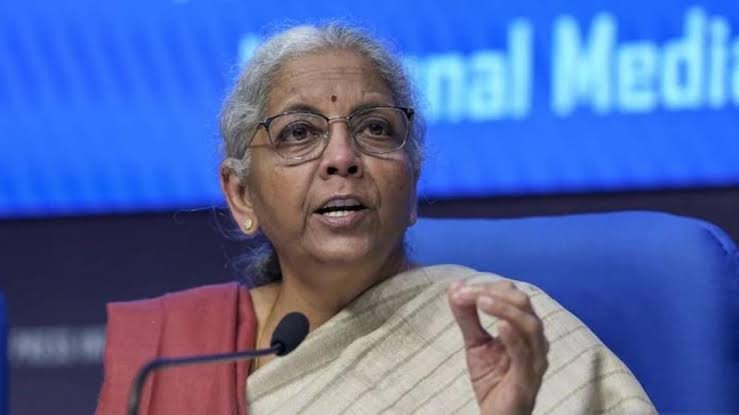
Nirmala Sitharaman’s latest clarification was aimed at countering the suggestion that people using UPI could be required to pay additional fees for routine transactions.
According to reports, the Finance Minister Nirmala Sitharaman said that any potential MDR under discussion would affect businesses rather than individual customers. She also indicated that the issue would have to go through the legislative process before any such framework could take effect.
This distinction is important because UPI users have become accustomed to making digital payments without a separate transaction fee being deducted from their accounts.
The Finance Minister Nirmala Sitharaman comments were directed at claims made by Jairam Ramesh, who had raised concerns about the implications of the government’s proposed legislative changes for UPI users.
Nirmala Sitharaman described his assertions as misleading and sought to reassure the public that the government was not announcing a direct charge on consumers for using UPI.
Jairam Ramesh Raises Concerns Over Possible UPI Costs
Congress leader Jairam Ramesh questioned the government’s position on UPI and argued that proposed changes could potentially alter the current economics of digital payments.
The political disagreement has centred on whether changes involving MDR could ultimately affect ordinary users.
Ramesh’s concerns gained attention because UPI has become deeply integrated into everyday transactions in India. From small roadside shops and restaurants to online purchases and utility payments, UPI is now a routine payment option for millions of people.
The Finance Minister Nirmala Sitharaman, however, rejected the interpretation that consumers would automatically be required to pay a fee.
The latest exchange between the two leaders therefore revolves around a key question: Who would bear the cost if an MDR framework is introduced?
Nirmala Sitharaman’s answer is that any such merchant-side charge would not amount to a direct fee on consumers.
What Is MDR and Why Does It Matter?
Merchant Discount Rate, commonly known as MDR, is a fee associated with the processing of digital payments. It is generally paid by merchants to payment ecosystem participants for facilitating transactions.
The issue has become particularly significant in the context of UPI because the system has historically been promoted as a low-cost and accessible digital payment mechanism.
Under the existing framework, there is no MDR on UPI transactions. The government has previously stated that it remains committed to supporting digital payments through UPI.
The absence of MDR has helped make UPI attractive to small merchants because they can accept digital payments without the type of transaction costs traditionally associated with some other payment instruments.
Any change in that structure could therefore have implications for businesses, payment service providers and the broader digital-payments industry.
UPI Charges and Consumer Fees Are Not the Same Thing
One of the biggest points of confusion in the debate is the difference between MDR and a consumer transaction fee.
If an MDR is imposed on merchants, it does not automatically mean that customers would see a charge when they scan a QR code or send money through a UPI application.
For example, a merchant-side fee would be part of the economics of processing a transaction. A direct consumer fee, on the other hand, would mean that the person making the payment is specifically charged for completing the transaction.
Nirmala Sitharaman’s latest clarification focuses precisely on this distinction.
The Finance Minister said the potential MDR would affect businesses rather than consumers, meaning the current political debate should not be interpreted as an announcement that ordinary UPI users will have to pay a fee.
Government Has Previously Denied Claims About UPI Charges
This is not the first time the government has had to clarify speculation surrounding UPI charges.
In June 2025, the Finance Ministry rejected reports that MDR would be imposed on UPI transactions, describing such claims as “false, baseless and misleading.” The ministry said the government remained committed to promoting digital payments through UPI.
The government had also previously clarified that there was no proposal to impose GST on UPI transactions above ₹2,000.
In an April 2025 clarification, the Press Information Bureau said claims that the government was considering GST on UPI transactions above ₹2,000 were false and misleading. It also explained that GST could apply to charges such as MDR, but since no MDR was then being charged on UPI transactions, there was consequently no GST applicable to those transactions.
These previous clarifications are relevant because they show how discussions about UPI costs have repeatedly generated confusion online and in public debate.
Why UPI Charges Have Become a Major Issue
UPI is no longer a niche digital payment platform. It has become a central component of India’s digital economy.
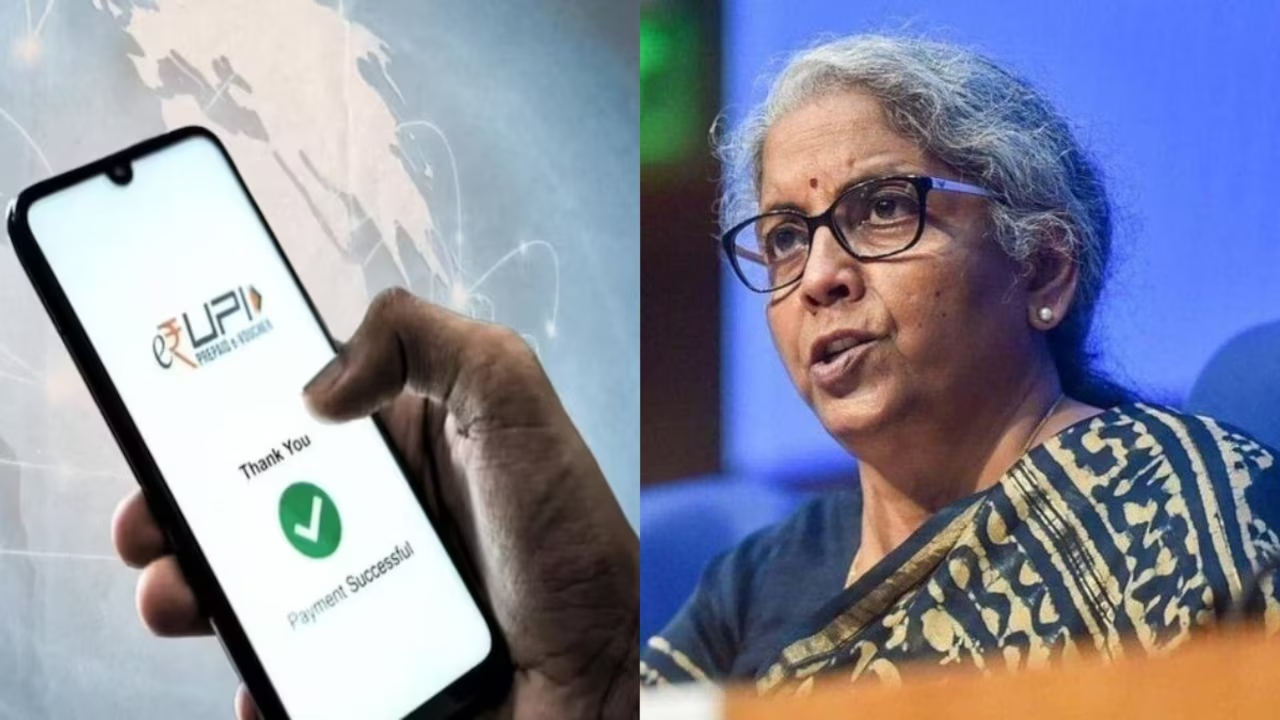
According to data cited by Akashvani in June 2025, UPI processed 18.68 billion transactions in May 2025, with the total value reaching approximately ₹25.14 lakh crore. Transaction volume was reported to have risen 33% year-on-year at that time.
The enormous scale of the network explains why any discussion about payment charges attracts immediate attention.
For consumers, UPI offers convenience because payments can be completed using mobile phones without cash. For small merchants, QR-based payments have reduced the need for cash handling and enabled even very small businesses to participate in digital commerce.
As usage has expanded, questions about how the underlying payment infrastructure should be financed have also become increasingly important.
Impact on Small Businesses Could Be Significant
Although the current clarification is focused on ensuring that consumers are not directly charged, the possible introduction of MDR could still have implications for merchants.
Small businesses generally operate with limited margins. Even a relatively small payment-processing cost can become significant when applied to a large number of transactions.
Businesses could potentially respond to additional payment costs in different ways, depending on the eventual rules and market conditions.
The issue therefore extends beyond whether consumers themselves will see a separate charge.
It also raises broader questions about:
- The cost of maintaining digital-payment infrastructure
- The economics of UPI for payment companies
- Merchant acceptance of digital payments
- Government support for digital transactions
- The long-term sustainability of India’s payment ecosystem
However, the precise impact would depend on the final legal and regulatory framework.
Why the Government Supports Digital Payments
The government has consistently promoted digital payments as part of India’s broader digitalisation strategy.
UPI has played an important role in this transformation by allowing individuals and businesses to transfer money almost instantly through participating banks and payment applications.
The system has also helped bring digital payments to smaller merchants that may previously have relied heavily on cash.
The government has repeatedly said that promoting digital payments remains a priority. Its earlier clarification on MDR specifically stated that it remained committed to encouraging UPI adoption.
The latest debate therefore comes against the backdrop of India’s larger ambition to expand digital financial services while ensuring that the underlying payment ecosystem remains sustainable.
Political Clash Adds Another Dimension to the Debate
The disagreement between Nirmala Sitharaman and Ramesh has also turned the issue into a political controversy.
Ramesh’s comments focused attention on the possibility of additional costs, while Nirmala Sitharaman’s response sought to distinguish between a merchant-side MDR and a consumer-facing UPI fee.
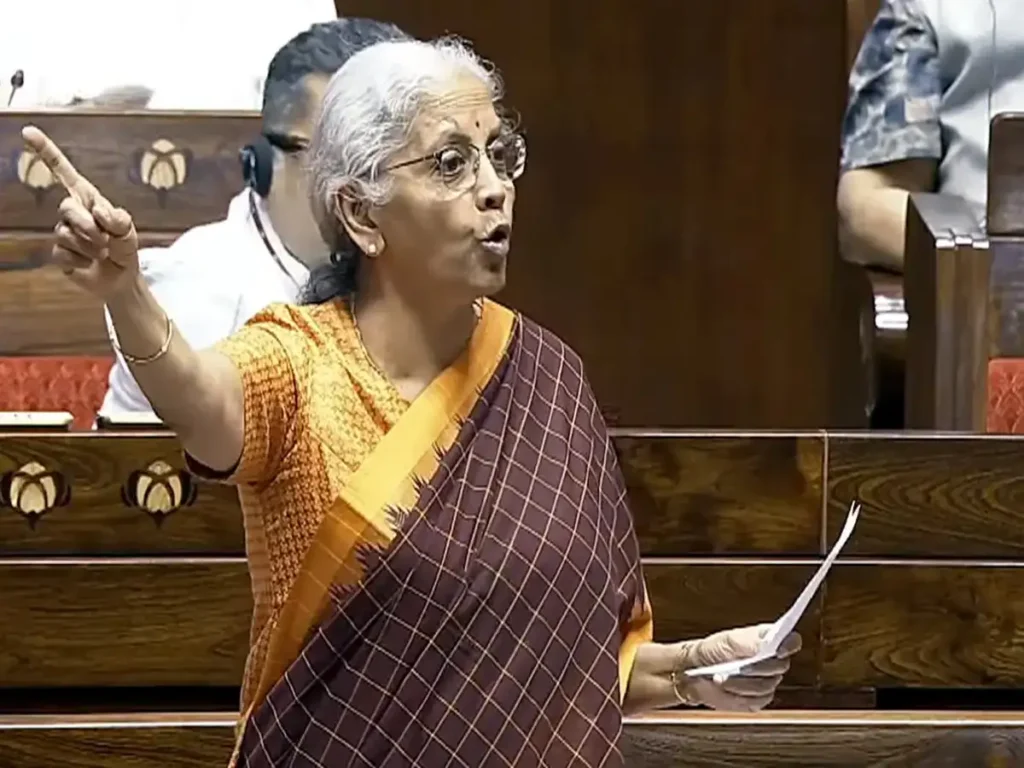
Calling the allegation a “canard,” the Finance Minister Nirmala Sitharaman strongly rejected the interpretation put forward by the Congress leader.
The exchange illustrates how technical policy issues can quickly become political talking points when they involve a service used by a large portion of the population.
For consumers, however, the most important issue is whether they will actually have to pay to use UPI.
Based on Nirmala Sitharaman’s latest clarification, the proposed MDR should not be interpreted as a direct charge on ordinary users.
According to Nirmala Sitharaman
For ordinary users, the key points from the latest clarification are relatively straightforward.
UPI Is Not Being Declared a Paid Consumer Service
The Finance Minister has rejected the suggestion that ordinary users will be required to pay simply for using UPI.
MDR and Consumer Charges Are Different
MDR is associated with payment processing and, under the proposal discussed by the Finance Minister, would be borne by merchants rather than customers.
Legislative Process Matters
Nirmala Sitharaman indicated that any new framework would depend on the relevant Bill and legislative process rather than taking effect merely because the issue is being discussed.
Consumers Should Avoid Unverified Claims
The repeated government clarifications surrounding UPI demonstrate why users should rely on official announcements rather than social-media posts or unverified messages when assessing possible changes to payment rules.
What Happens Next?
The next stage of the debate will depend on the legislative and policy process surrounding MDR.
The government will have to address questions about how payment infrastructure is funded, who should bear associated costs and how any changes could affect merchants and the wider digital economy.
At the same time, policymakers will need to balance the interests of payment service providers, banks, merchants and consumers.
For India’s digital economy, maintaining confidence in UPI will be particularly important. The system’s success has been built partly on convenience and ease of use, and sudden uncertainty over payment costs could affect user and merchant behaviour.
Finance Minister Nirmala Sitharaman’s latest clarification has sought to put an end to speculation that ordinary UPI users will have to pay a direct charge for making digital payments. Responding to Congress leader Jairam Ramesh, she rejected his interpretation and described it as a “canard,” while explaining that any potential Merchant Discount Rate would apply to businesses rather than customers.
The controversy has brought renewed attention to the economics of India’s digital-payment ecosystem. While UPI currently operates without MDR for these transactions, the question of how payment infrastructure should be funded remains an important policy issue.
For now, the central message from Nirmala Sitharaman is that the discussion about MDR should not be confused with a decision to impose a direct UPI usage fee on consumers. The final impact, if any policy changes are enacted, will depend on the legislation and rules that emerge from the process.
As UPI continues to handle billions of transactions, the debate is likely to remain important for consumers, merchants, banks and India’s rapidly expanding digital economy.