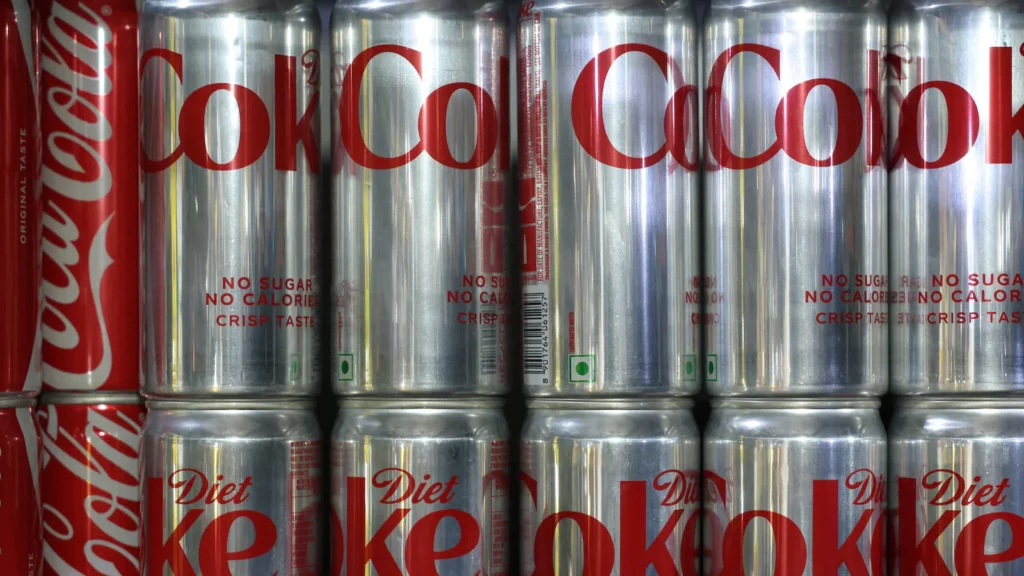
Consumers of Diet Coke in India may now have to pay more for their favourite sugar-free soft drink as Coca-Cola has increased the effective price of Diet Coke by more than 10%. The price revision comes amid global supply chain disruptions linked to the ongoing conflict in the Middle East, which has affected the availability of aluminium cans used for beverage packaging.
According to sources familiar with the matter, disruptions in shipping routes through the Strait of Hormuz have impacted the supply of aluminium cans and related raw materials. As a result, Coca-Cola has reportedly begun importing larger and more expensive cans from South-East Asia, increasing packaging costs and leading to changes in the product’s pricing in India.
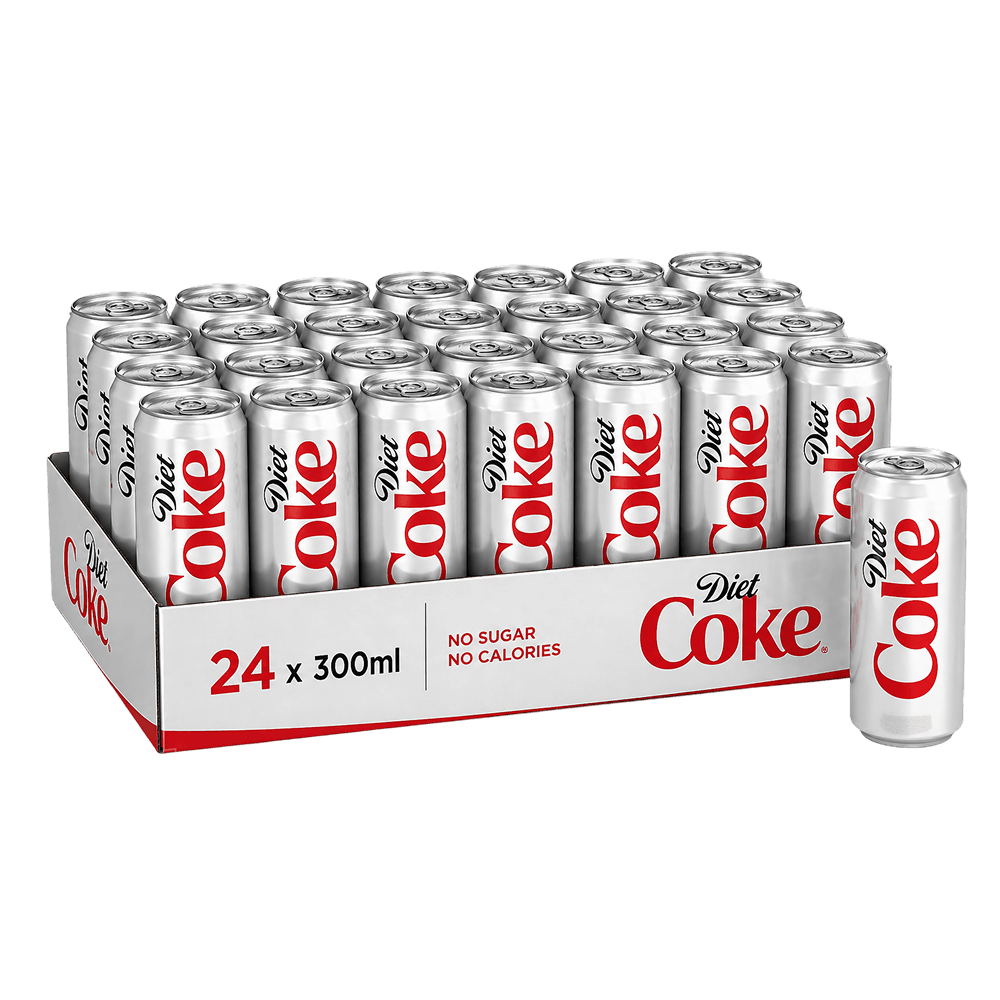
Instead of the earlier 300 ml aluminium can priced at ₹40, consumers are now finding a 330 ml can priced at ₹50 in the market. While Coca-Cola has not officially announced a price hike, the change in packaging size and price has increased the cost per millilitre by approximately 13.6%, according to market calculations.
Table of Contents
Diet Coke Becomes More Expensive in India
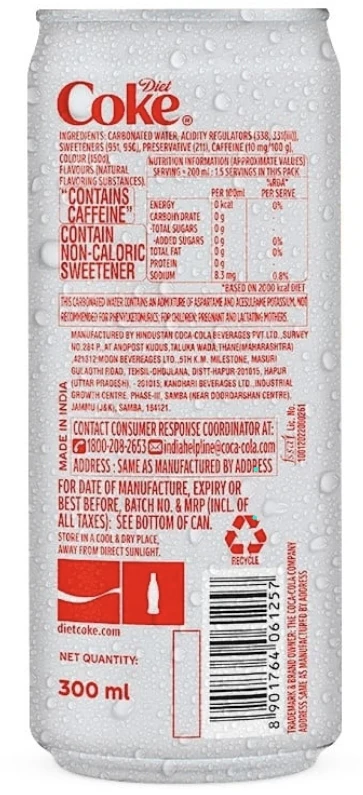
Diet Coke, which has long been sold in India in a 300 ml aluminium can for ₹40, is now being offered in a 330 ml can priced at ₹50.
Although consumers are receiving an additional 30 ml of the beverage, the overall price per millilitre has increased, making the product effectively more expensive than before.
According to available information, the pricing change is linked to higher packaging costs rather than a change in the beverage itself.
Supply Chain Disruptions Behind the Price Increase
The increase in Diet Coke’s effective price is being attributed to disruptions in the global supply chain.
Sources associated with the matter stated that the ongoing conflict involving Iran has affected shipping activity through the Strait of Hormuz, one of the world’s most important maritime trade routes.
The route plays a significant role in transporting aluminium cans and related raw materials used by beverage manufacturers.
Following renewed disruptions after the breakdown of a temporary ceasefire, shipping movements through the region have reportedly become more difficult, affecting the availability of aluminium packaging.
Why the Strait of Hormuz Matters
The Strait of Hormuz is considered one of the busiest and most strategically important shipping lanes in the world.
According to sources, aluminium cans and several raw materials required for beverage packaging are transported through this maritime corridor before reaching manufacturing and distribution networks.
Any disruption to shipping activity in the region can delay supplies, increase freight costs and force companies to seek alternative sourcing options.
These logistical challenges are believed to have contributed to Coca-Cola’s increased packaging costs for Diet Coke in India.
Company Imports Larger Aluminium Cans
Due to the reduced availability of smaller aluminium cans, Coca-Cola has reportedly started importing 330 ml cans from South-East Asia.
These imported cans are understood to be more expensive than the previously used 300 ml packaging.
The higher procurement cost has resulted in changes to the retail packaging format currently available in India.
Instead of the traditional 300 ml can, customers are now being offered a 330 ml can at a higher retail price.
No Official Statement on the Price Revision
Despite the visible change in pricing and packaging, Coca-Cola has not officially announced a price hike.
The company has also not issued any public comment explaining the changes in Diet Coke packaging or pricing.
However, the revised retail availability in the market indicates that consumers are now paying more for the product than before.
Diet Coke Also Available in Glass Bottles
According to sources, one of Coca-Cola’s bottling partners in India has also started selling Diet Coke in a 200 ml glass bottle on a limited basis.
The move is reportedly aimed at ensuring product availability during the current supply constraints affecting aluminium cans.
Sources further indicated that the glass bottle version is priced higher than the earlier aluminium can option.
The introduction of glass bottles is being viewed as a temporary measure to maintain market supply while packaging challenges continue.
India Remains a Key Market for Coca-Cola
India has emerged as one of the fastest-growing consumer markets for both Coca-Cola and Pepsi.
Most carbonated beverages sold in the country are available in plastic bottles and glass bottles.
However, Diet Coke has traditionally been sold primarily in aluminium cans, making it more vulnerable to disruptions affecting aluminium packaging supplies.
Because of this dependence on cans, Diet Coke has experienced a greater impact from the current supply chain challenges than several other beverage products.
Why Coke Zero Has Been Less Affected
Unlike Diet Coke, Coke Zero has largely remained unaffected by the present packaging challenges.
The product is available in multiple packaging formats, including both plastic bottles and aluminium cans.
This flexibility has helped reduce the impact of aluminium can shortages on the availability of Coke Zero in the Indian market.
As a result, consumers have continued to find Coke Zero more easily despite the ongoing supply disruptions.
Growing Popularity Among Health-Conscious Consumers
Diet Coke continues to enjoy increasing popularity among health-conscious consumers seeking sugar-free beverage options.
The product has become a preferred choice for many people looking to reduce sugar intake while continuing to consume carbonated soft drinks.
Its growing consumer base has made supply disruptions more noticeable in the retail market.
The combination of strong demand and packaging shortages has contributed to increased attention surrounding the product’s availability and pricing.
Diet Coke Shortage Creates Business Opportunities
The limited availability of Diet Coke has also created unexpected business opportunities in recent months.
According to sources, several pubs and social media influencers organised special “Diet Coke Parties”, where visitors paid entry fees to participate in events centred around the beverage.
These events combined Diet Coke with music, entertainment and social gatherings, reflecting the product’s growing popularity among consumers.
The shortage itself became a talking point, contributing to increased public interest in the brand.
Global Events Affect Everyday Consumer Products
The developments surrounding Diet Coke demonstrate how international geopolitical events can directly influence everyday consumer products.
Supply chain disruptions caused by conflict, shipping delays and higher transportation costs often affect the availability and pricing of imported materials used across industries.
For beverage companies, packaging represents a significant component of production costs.
When essential materials such as aluminium cans become more expensive or difficult to source, companies may adjust packaging sizes, pricing or sourcing strategies to maintain product availability.
The current situation illustrates how global events can eventually influence retail prices paid by consumers in local markets.
- Coca-Cola has effectively increased the price of Diet Coke in India by over 10%.
- The previous 300 ml can priced at ₹40 has been replaced by a 330 ml can priced at ₹50.
- The effective cost per millilitre has increased by around 13.6%.
- Supply chain disruptions linked to the ongoing Iran conflict have affected aluminium can availability.
- Shipping disruptions through the Strait of Hormuz have reportedly increased packaging costs.
- Coca-Cola is sourcing larger aluminium cans from South-East Asia.
- The company has not officially announced or commented on the price revision.
- A limited number of 200 ml glass bottles have also been introduced by one of the company’s bottling partners.
- India remains one of Coca-Cola’s fastest-growing consumer markets.
- Coke Zero has been less affected because it is available in both plastic bottles and cans.
The ongoing disruption in global supply chains has begun affecting consumer products in India, with Diet Coke becoming one of the latest examples. According to sources, higher packaging costs linked to reduced aluminium can availability have resulted in the replacement of the traditional 300 ml can with a 330 ml can priced at ₹50, effectively increasing the product’s cost by more than 10%.
Although Coca-Cola has not officially announced the price change or commented on the matter, developments in the market suggest that international geopolitical events, particularly those affecting shipping through the Strait of Hormuz, are influencing the availability and pricing of everyday products. As India continues to be a rapidly growing market for beverage companies, industry observers will be closely watching how ongoing supply chain challenges affect product availability and pricing in the coming months.