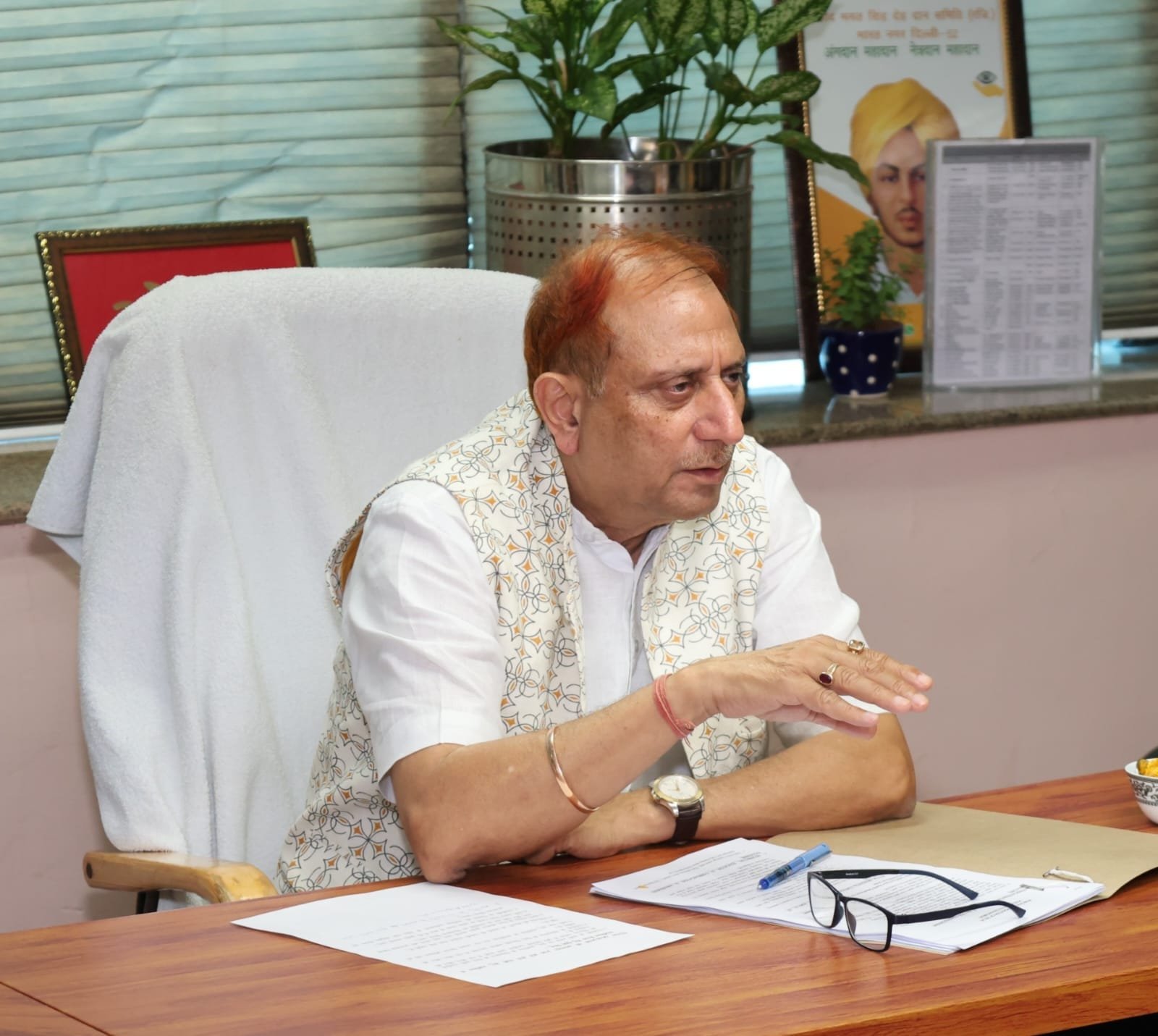
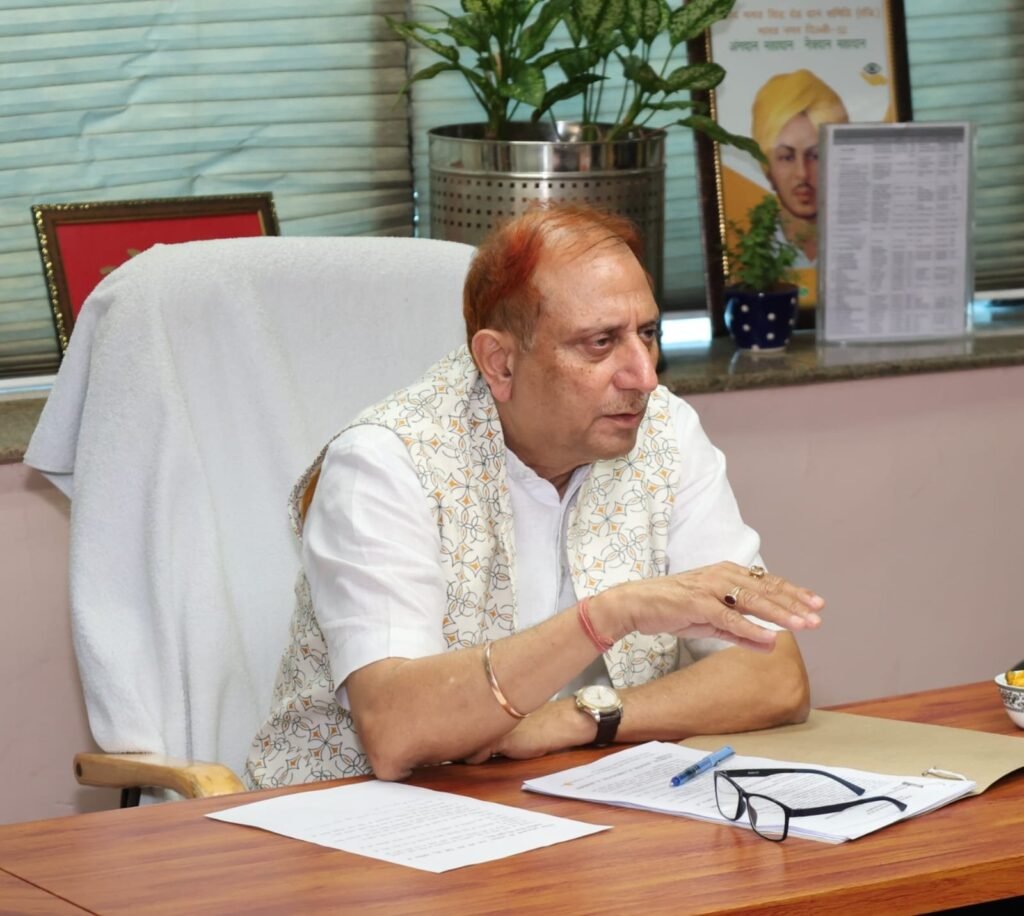
The Municipal Corporation of Delhi (MCD) has stepped up preparations to tackle mosquito-borne diseases as the capital gears up for the coming rainy season, with Delhi Mayor Pravesh Wahi directing civic officials to intensify anti-mosquito operations across the city.
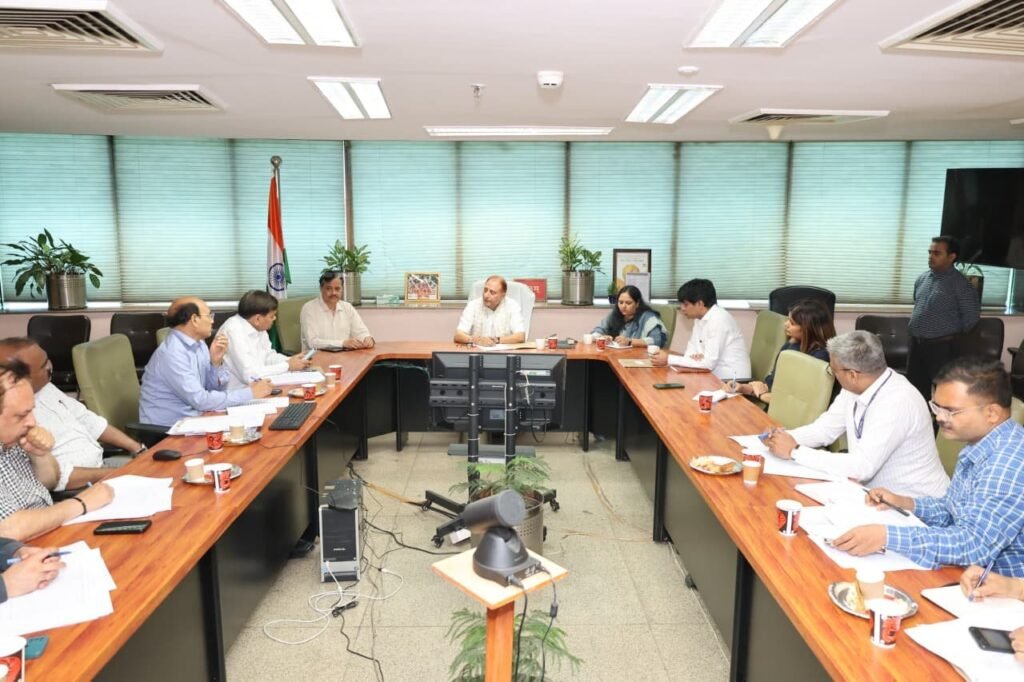
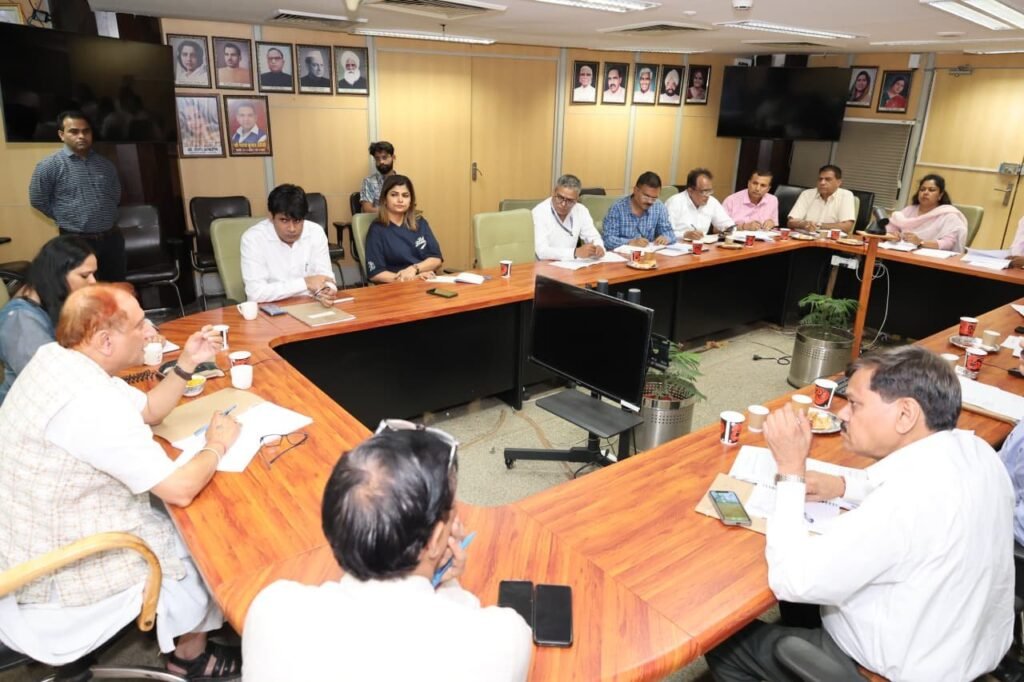
At a review meeting focused on dengue, malaria and chikungunya prevention, the Mayor called for stronger field-level monitoring, regular fogging, improved training of health workers and wider public awareness campaigns. He stressed that civic authorities must operate on a “war footing” to prevent mosquito-borne diseases from developing into large-scale outbreaks.
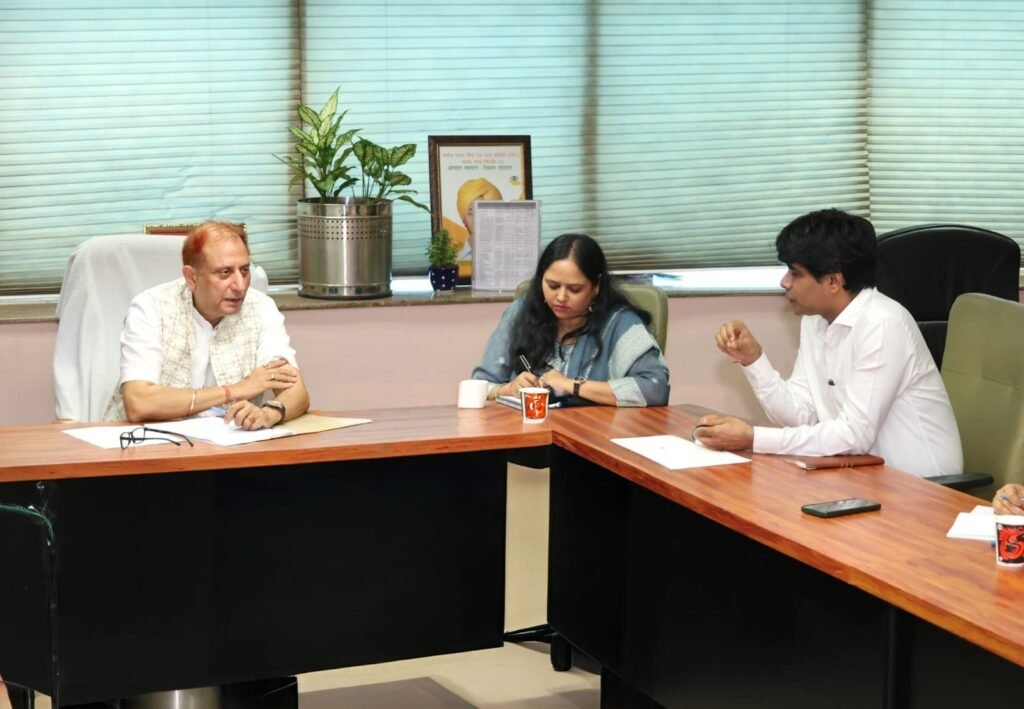
The meeting brought together senior MCD health officials, including Additional Commissioner Dr. Satyendra Singh Dursawat, Municipal Health Officer Dr. Ashok Rawat, Dr. Lallan Verma and Deputy Health Officers representing all 12 MCD zones.
The review comes ahead of the period when Delhi traditionally sees increased mosquito activity. Rising temperatures, humidity, rainfall and waterlogging can create favourable conditions for mosquito breeding, increasing the risk of diseases such as dengue, malaria and chikungunya.
Table of Contents
MCD Steps Up Mosquito Control Ahead of Rainy Season
Mosquito-borne diseases remain a recurring public health challenge for Delhi, particularly during and after the monsoon.
Stagnant water is one of the biggest factors contributing to mosquito breeding. Water accumulated in containers, coolers, rooftops, construction sites, drains and other locations can provide breeding grounds for mosquitoes.
Against this backdrop, the MCD’s latest review has focused on prevention rather than waiting for disease numbers to increase.
Mayor Pravesh Wahi instructed officials to ensure that anti-mosquito activities are carried out consistently across wards. He emphasised that field operations must be properly implemented and monitored instead of being treated as routine administrative exercises.
The approach includes fogging, anti-larval measures, household inspections, staff training, public awareness and digital monitoring.
The objective is to reduce mosquito populations and identify breeding sites before the disease season reaches its peak.
Mayor Orders Fogging Every 15 Days in High-Risk Areas
One of the key directions issued during the meeting was to conduct fogging every 15 days in highly crowded areas.
The areas identified for intensive attention include markets, slum colonies, religious places and densely populated neighbourhoods.
Such locations can present additional challenges for mosquito control because of high population density, narrow lanes, drainage issues and the possibility of water accumulation.
Regular fogging is intended to help reduce adult mosquito populations in areas where the risk of transmission may be higher.
However, the broader anti-mosquito strategy is not limited to fogging. Civic authorities have also been directed to undertake anti-larval activities and inspections to identify and eliminate breeding sites.
The Mayor stressed that fogging should be carried out seriously and effectively, with officials responsible for ensuring that operations are properly implemented.
Why Early Mosquito Control Matters
Early intervention is considered important because mosquito populations can increase rapidly once favourable breeding conditions develop.
During periods of rainfall and humidity, stagnant water can remain in multiple locations across urban areas. Even relatively small collections of water can become breeding sites.
Once mosquito breeding increases significantly, controlling the population can become more challenging. This makes regular surveillance and early preventive measures important components of public health planning.
The MCD’s emphasis on preparations before the peak disease season reflects an attempt to prevent a crisis rather than respond to one after infection numbers begin rising.
The strategy involves repeated field inspections, mosquito-control operations and awareness campaigns to reduce the conditions that allow mosquitoes to multiply.
Door-to-Door Inspections to Be Strengthened
Mayor Pravesh Wahi also directed officials to ensure that every house in every ward is inspected carefully.
Field teams have been asked to check residential colonies, slum areas, commercial premises and other locations where mosquito breeding may occur.
Special attention is required for places such as:
- Coolers
- Water tanks
- Flowerpots
- Rooftops
- Construction sites
- Containers
- Stagnant water areas
- Other potential breeding sites
The importance of household inspections is linked to the breeding behaviour of mosquitoes that transmit dengue and chikungunya.
Not all breeding sites are necessarily located in large drains or open sewage areas. Small quantities of stagnant water around homes can also create suitable conditions for mosquito breeding.
As a result, identifying breeding sites at the household level is an important part of preventive mosquito-control operations.
Training for MTS Employees and Malaria Inspectors
Another major focus of the meeting was the training of field personnel.
The Mayor directed officials to provide proper training to MTS employees and malaria inspectors involved in anti-mosquito operations.
These workers play a frontline role in the city’s mosquito-control system. Their responsibilities can include inspecting properties, identifying breeding sites, conducting field-level preventive activities and educating residents about measures to reduce mosquito breeding.
Effective training is therefore important not only for technical operations but also for interaction with residents.
The Mayor instructed personnel to conduct inspections thoroughly while maintaining respectful and cooperative communication with the public.
Better-trained field workers could help improve the quality of inspections and increase cooperation between residents and civic authorities.
Daily Reports to Be Shared Through WhatsApp
To strengthen accountability, the Mayor directed officials to share daily work reports through WhatsApp groups in every ward.
The digital reporting system is expected to help senior officials monitor anti-mosquito operations more closely.
Reports can provide information about activities such as fogging, field inspections and awareness campaigns, allowing authorities to track implementation at the ward level.
For a city as large and densely populated as Delhi, monitoring activities across multiple zones can be difficult without effective communication systems.
Digital reporting can help senior officials identify areas where operations may not be progressing as expected and enable faster coordination between field teams and higher authorities.
The move also reflects a broader push towards technology-supported monitoring in civic administration.
MCD Says Adequate Insecticide Stock Available
During the review, Mayor Pravesh Wahi stated that the MCD currently has sufficient stocks of insecticides and anti-mosquito chemicals.
Officials were instructed to ensure that these resources are used properly and scientifically.
The availability of insecticides is an important operational requirement during mosquito-control campaigns. However, their effectiveness depends on appropriate application and integration with other measures such as breeding-site elimination and surveillance.
The emphasis on scientific use also highlights the importance of avoiding unnecessary or ineffective spraying.
Mosquito-control operations need to be carefully planned to ensure that available resources are directed towards areas where they can have the greatest public health impact.
Public Awareness to Become a Major Part of Mosquito Control
Civic authorities have also been directed to expand public awareness campaigns across Delhi.
The Mayor emphasised that government action alone cannot eliminate mosquito-borne diseases. Residents need to understand how mosquitoes breed and what simple measures they can take to prevent breeding around their homes.
The awareness campaign is expected to promote practices such as preventing water stagnation, regularly cleaning coolers and water tanks, covering stored water containers and maintaining cleanliness around homes.
Residents are also encouraged to dispose of waste properly, use mosquito repellents and nets where appropriate, and report mosquito breeding sites to civic authorities.
Public participation is particularly important because some mosquito breeding sites can be found within or around residential premises.
Schools to Join Delhi’s Anti-Mosquito Awareness Campaign
The MCD also plans to involve schools in spreading awareness about diseases.
Mayor Pravesh Wahi directed officials to organise painting competitions and slogan-writing contests in educational institutions.
The initiative is intended to use schools as platforms for communicating basic information about prevention and environmental cleanliness.
Children can also help extend health messages from classrooms to households. By learning about stagnant water, cleanliness and prevention, students can encourage family members to adopt preventive practices.
The planned activities are expected to focus on themes such as cleanliness, water management, prevention and civic responsibility.
This approach adds a community-based component to the MCD’s broader control strategy.
Delhi’s Recurring Dengue, Malaria and Chikungunya Challenge
Delhi regularly faces increased risks from mosquito-borne diseases during the rainy season.
Dengue, malaria and chikungunya can become significant public health concerns when weather conditions favour.
Urban density, waterlogging, construction activity, drainage problems and waste accumulation can further complicate control efforts.
The source material notes that dengue cases generally rise between July and November, while malaria can continue to pose a risk for a longer period depending on weather conditions.
Changing weather patterns can also complicate seasonal disease planning. Warmer conditions combined with humidity can create favourable environments for mosquito breeding.
For civic authorities, this makes early surveillance and preventive action especially important.
Multi-Layered Strategy Needed to Control Mosquito-Borne Diseases
The MCD’s latest measures indicate that t o control requires more than a single intervention.
Fogging can help reduce adult mosquitoes, but eliminating breeding sites is equally important. Regular inspections can identify stagnant water, while anti-larval measures can address populations before they reach adulthood.
Public awareness can further reduce breeding opportunities by encouraging households to remove stagnant water.
The overall strategy therefore includes several layers:
Early surveillance: Monitoring activity and potential breeding sites.
Regular fogging: Conducting fogging operations in identified high-risk and crowded areas.
Larval control: Detecting and addressing mosquito breeding before populations expand.
Household inspections: Checking homes and other premises for stagnant water.
Staff training: Improving the skills and accountability of field personnel.
Public awareness: Educating residents about preventive measures.
Digital monitoring: Using daily reports to track field-level implementation.
This combination is intended to create a stronger preventive framework ahead of the peak season.
MCD Urges Residents to Cooperate With Field Teams
The Mayor has also called on residents to cooperate with civic officials and maintain cleanliness in and around their homes.
Residents have been urged not to allow water to accumulate in containers, rooftops, unused items or other open spaces.
Civic health teams also need cooperation when conducting household inspections.
Officials say resistance to inspections can make it more difficult to identify and eliminate breeding sites. Cooperation between residents and field workers can therefore improve the effectiveness of preventive operations.
The message from the MCD is that to control is a shared responsibility involving civic authorities, health workers, schools, communities and individual households.
Preventive Action Remains Central to Delhi’s Strategy
The latest review meeting reflects the MCD’s effort to strengthen to control preparations before disease cases begin to rise.
By ordering fortnightly fogging in crowded areas, strengthening household inspections, training field workers, monitoring activities digitally and expanding public awareness campaigns, the civic body is attempting to create a more comprehensive defence against dengue, malaria and chikungunya.
The decision to involve schools and use competitions to spread awareness further indicates an effort to make prevention a community-level campaign rather than solely an administrative exercise.
For Delhi, the coming rainy season will once again test the effectiveness of its control infrastructure.
The success of the campaign will depend not only on the availability of insecticides and the frequency of fogging but also on whether breeding sites are consistently identified and eliminated, field workers are adequately trained, reports are properly monitored and residents actively participate.
As the city prepares for the monsoon season, the MCD’s focus on early action signals an attempt to prevent diseases from escalating into wider outbreaks. Consistent implementation of these measures, combined with public cooperation, will be crucial in determining how effectively Delhi can protect residents from dengue, malaria and chikungunya in the months ahead.