

Reinforcing this vision, Union Minister for Railways Shri Ashwini Vaishnaw visited the Medha Bogies Factory in Hyderabad, where he interacted directly with engineers, technicians and manufacturing teams involved in producing railway coaches and critical components .India’s railway manufacturing sector continues to gain momentum as the government focuses on expanding domestic production, improving quality standards and building a highly skilled workforce.
Accompanied by Union Minister for Coal and Mines Shri G. Kishan Reddy, Shri Ashwini Vaishnaw reviewed key manufacturing operations, assessed production capabilities and gathered firsthand feedback from employees working on the factory floor. The visit reflected the government’s emphasis on strengthening India’s railway manufacturing ecosystem through innovation, workforce development and modern industrial practices.
Rather than limiting the visit to formal inspections, Shri Ashwini Vaishnaw spent time engaging with engineers and technical staff, discussing their daily responsibilities, training programmes and the technologies being adopted to improve manufacturing efficiency. The interaction highlighted the importance of human expertise alongside advanced machinery in supporting the continued modernization of Indian Railways.
Table of Contents
Shri Ashwini Vaishnaw Reviews Advanced Manufacturing Operations
During his visit to the Medha Bogies Factory, Shri Ashwini Vaishnaw closely examined various stages of railway coach and component manufacturing.
The factory is involved in producing essential railway equipment that contributes to India’s expanding rail infrastructure. Manufacturing railway coaches requires precision engineering, strict quality control and coordination across multiple production stages, from fabrication and assembly to testing and final inspection.
Shri Ashwini Vaishnaw reviewed these processes in detail, seeking updates on production timelines, manufacturing efficiency and technological improvements being introduced across the facility.
His visit underlined the government’s continued focus on strengthening domestic railway manufacturing under the broader objective of making India a global hub for railway technology and rolling stock production.
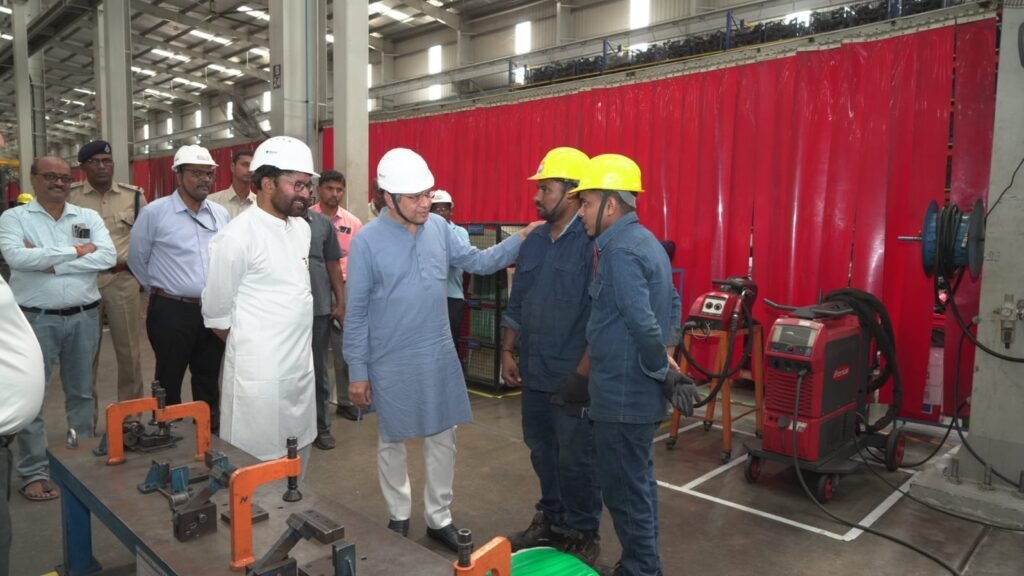
Direct Interaction with Engineers and Manufacturing Teams
One of the most significant aspects of the visit was Shri Ashwini Vaishnaw’s direct engagement with engineers and manufacturing personnel.
Instead of relying only on management presentations, the Railway Minister interacted with employees responsible for day-to-day production activities. He discussed their work environment, operational challenges, technical responsibilities and learning experiences.
Such interactions provide policymakers with valuable ground-level insights into factory operations while allowing employees to share practical suggestions that may contribute to improving productivity and workplace efficiency.
Shri Ashwini Vaishnaw also enquired about the technical expertise required for different manufacturing processes and the evolving skill requirements associated with modern railway production.
This people-centric approach reflects the government’s growing recognition that industrial growth depends not only on advanced infrastructure but also on continuous investment in human capital.
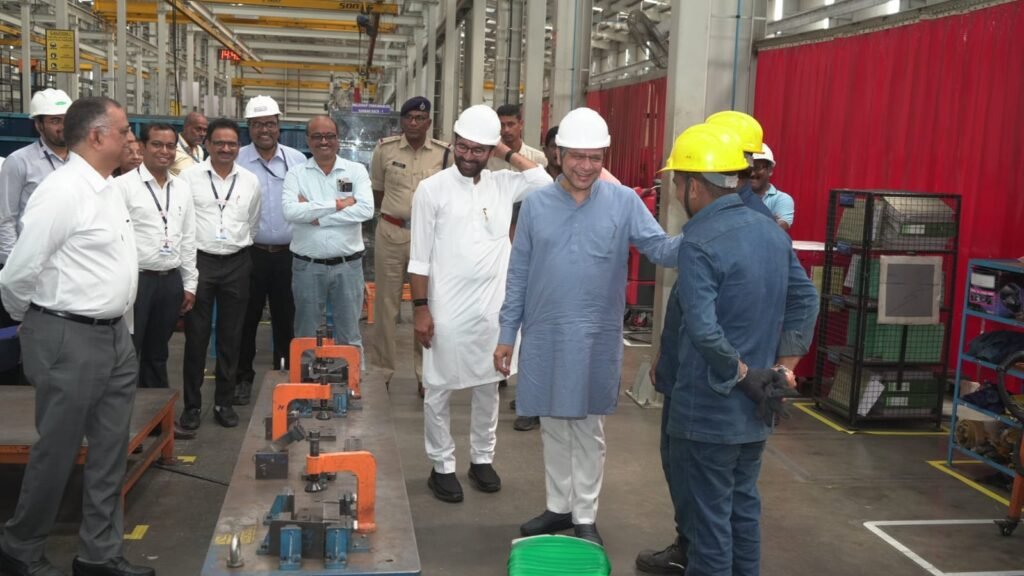
Skilled Workforce Driving Railway Manufacturing
Throughout the visit, Shri Ashwini Vaishnaw emphasized that India’s rapidly expanding railway manufacturing sector is being driven by a highly skilled workforce.
Modern railway production involves sophisticated engineering systems, precision welding, automated fabrication, digital quality inspection and advanced assembly technologies.
Operating these systems requires engineers and technicians with specialized training and technical competence.
The minister appreciated the dedication and professionalism displayed by employees at the Medha Bogies Factory, acknowledging that their expertise plays a critical role in maintaining production quality and operational efficiency.
As Indian Railways continues introducing modern trains, upgraded coaches and advanced safety technologies, demand for technically skilled professionals is expected to grow even further.
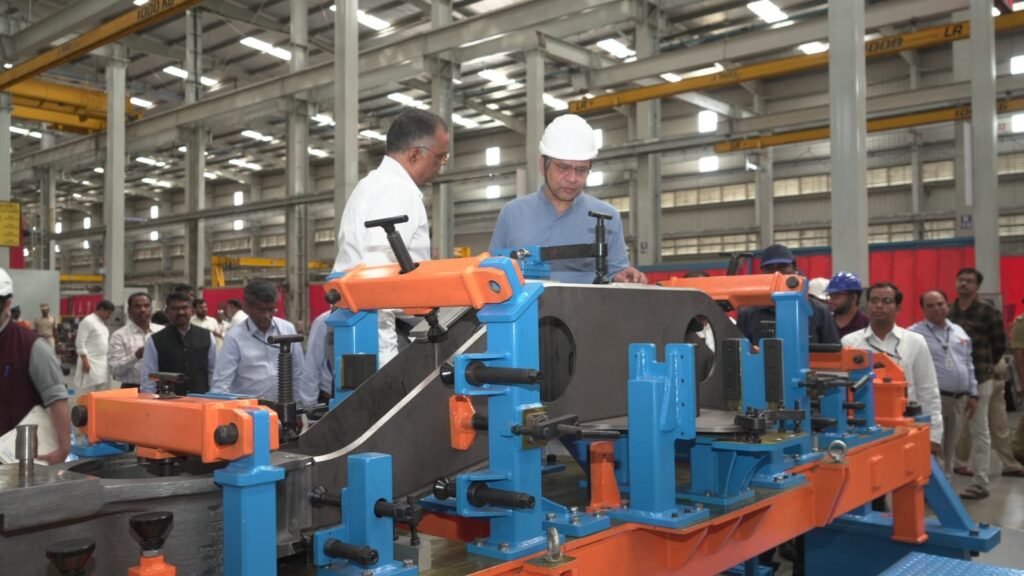
Focus on Training and Skill Development
Training emerged as another major area of discussion during Shri Ashwini Vaishnaw’s visit.
He interacted with engineers regarding their learning experiences and the training programmes available within the organization.
Continuous skill development has become increasingly important as manufacturing technologies evolve rapidly.
Traditional manual production methods are gradually being complemented by automation, robotics, computer-aided manufacturing and digital monitoring systems.
To operate these technologies effectively, workers require regular upskilling and exposure to modern industrial practices.
Shri Ashwini Vaishnaw reviewed how the factory prepares employees to work with advanced manufacturing equipment while ensuring adherence to international production standards.
Industry experts widely agree that workforce development remains one of the most important factors determining long-term manufacturing competitiveness.
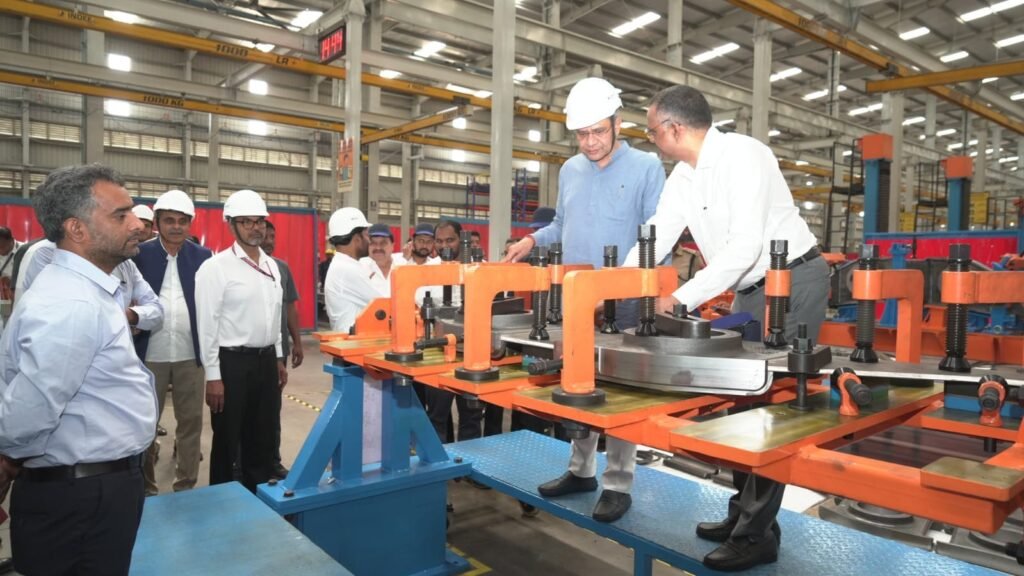
Modern Manufacturing Practices Improving Productivity
Another important aspect of the visit involved reviewing the adoption of modern manufacturing practices.
Today’s railway manufacturing facilities increasingly rely on digital technologies to improve efficiency, reduce production errors and enhance product quality.
Automated production lines, precision measurement tools, computer-controlled machinery and real-time monitoring systems have transformed how railway coaches and components are manufactured.
Shri Ashwini Vaishnaw sought detailed information about these technological improvements and their contribution to productivity.
Modern manufacturing systems not only increase production speed but also improve consistency, helping manufacturers meet demanding quality and safety requirements.
As India expands its railway network and introduces next-generation trains, such technological advancements become essential for maintaining timely deliveries and reliable performance.
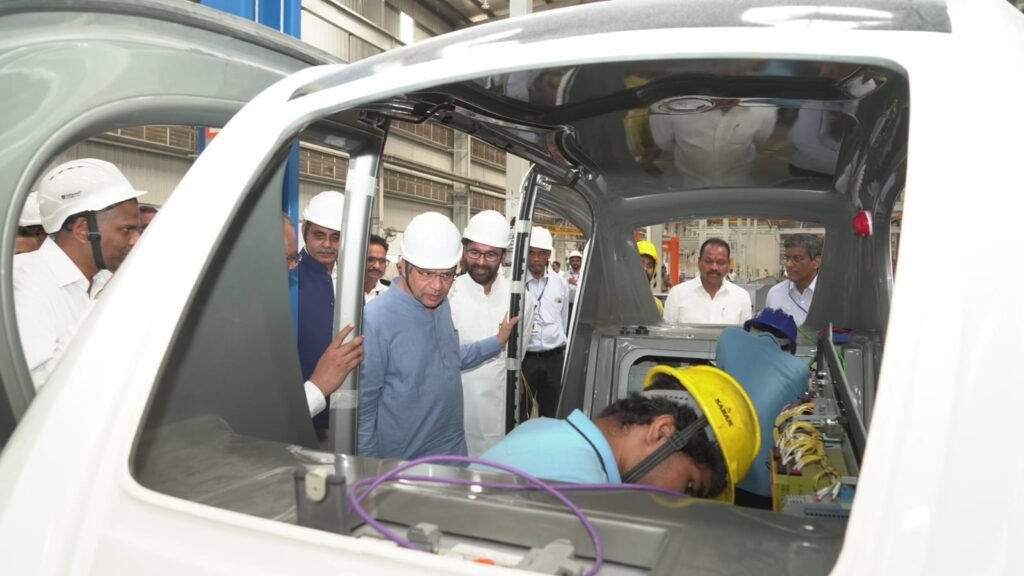
Quality Standards Remain a Key Priority
Maintaining high quality standards remains one of the most important objectives in railway manufacturing.
Every railway coach and component must undergo rigorous inspection before entering service to ensure passenger safety and long-term operational reliability.
During his inspection, Shri Ashwini Vaishnaw reviewed the quality assurance mechanisms implemented at the Medha Bogies Factory.
Officials briefed the minister on testing procedures, inspection systems and quality control measures followed during different stages of production.
Quality management in railway manufacturing extends beyond final inspections. It includes material selection, precision engineering, manufacturing accuracy and continuous monitoring throughout the production cycle.
By focusing on quality at every stage, manufacturers can reduce maintenance requirements, improve operational reliability and enhance passenger safety.
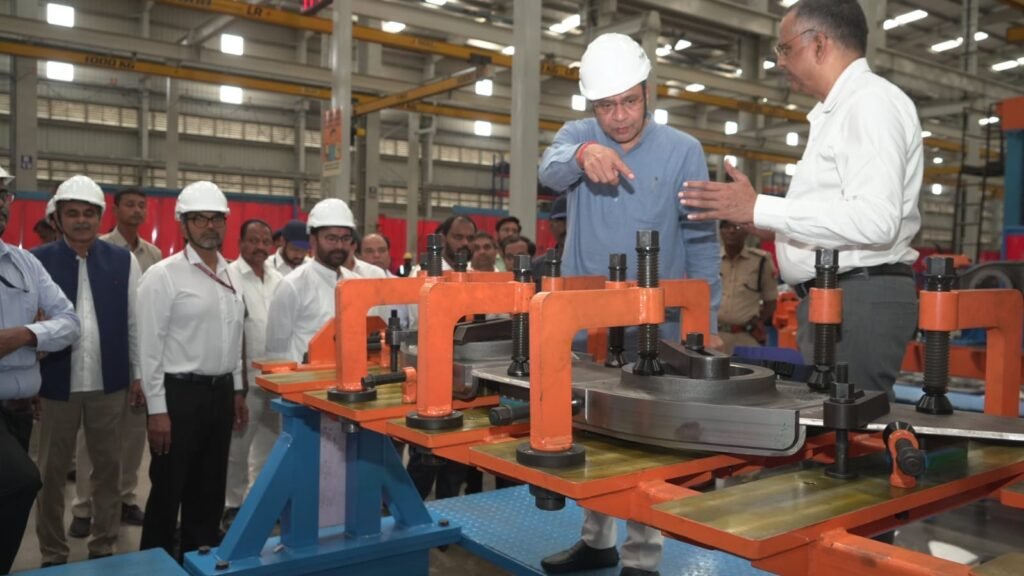
Expanding Manufacturing Capacity
India’s railway sector is witnessing sustained investment in infrastructure, rolling stock and technological modernization.
This growth requires manufacturing facilities capable of producing increasing numbers of coaches and railway components without compromising quality.
Shri Ashwini Vaishnaw reviewed capacity enhancement initiatives currently underway at the Medha Bogies Factory.
Capacity expansion may involve introducing additional production lines, upgrading machinery, improving workflow planning and strengthening supply chain management.
Increasing production capacity enables manufacturers to meet the growing demand generated by railway expansion projects, modernization programmes and future transportation requirements.
With Indian Railways operating one of the world’s largest rail networks, efficient manufacturing remains critical for supporting infrastructure development across the country.
Railway Manufacturing Supporting India’s Industrial Growth
The visit also highlighted the broader importance of railway manufacturing within India’s industrial economy.
Railway production supports thousands of direct and indirect jobs across engineering, metallurgy, electronics, fabrication, logistics and component manufacturing.
Factories such as Medha Bogies contribute to developing domestic industrial capabilities while reducing dependence on imported railway equipment.
The government’s emphasis on indigenous manufacturing aligns with broader initiatives promoting self-reliance, technology development and export competitiveness.
As India’s railway sector continues modernizing through projects such as Vande Bharat trains, dedicated freight corridors, station redevelopment and signalling upgrades, manufacturing facilities will play an increasingly important role in supporting these ambitions.
Employee Feedback Helps Improve Operations
An important feature of Shri Ashwini Vaishnaw’s visit was his emphasis on listening to employees.
Rather than focusing exclusively on production statistics, he encouraged discussions about workplace experiences, operational challenges and opportunities for improvement.
Employees shared insights into their day-to-day responsibilities, technical training and practical experiences working with modern manufacturing technologies.
Such direct engagement allows policymakers to better understand operational realities while encouraging a culture of continuous improvement within manufacturing organizations.
Regular interaction between leadership and frontline workers often helps identify process improvements that may not be visible through formal reports alone.
Strengthening India’s Position in Railway Manufacturing
India has emerged as one of the world’s largest railway markets, with continuous investments in infrastructure modernization, indigenous technology and advanced rolling stock.
Visits such as this demonstrate the government’s commitment to ensuring that manufacturing facilities remain equipped with modern technology, skilled professionals and efficient production systems.
By reviewing manufacturing infrastructure, assessing quality standards, encouraging workforce development and engaging directly with engineers, Shri Ashwini Vaishnaw reaffirmed the central role of innovation and skilled manpower in India’s railway growth story.
The interaction at the Medha Bogies Factory reflects a broader vision of building a globally competitive railway manufacturing ecosystem capable of meeting domestic demand while positioning India as a trusted manufacturing destination for railway equipment and advanced transportation technologies.