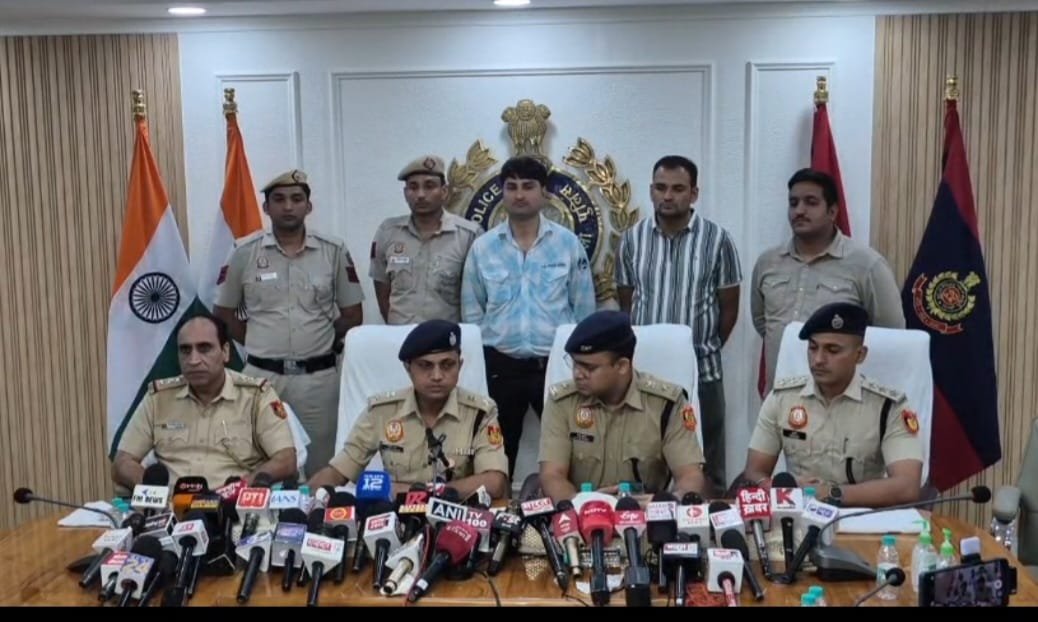
New delhi, In a striking example of efficiency, coordination, and modern Robbery investigative excellence, the East District of Delhi Police successfully solved a blind night armed robbery case within just 24 hours. The case, which initially had no clear leads and involved a violent assault under the cover of darkness, was cracked through a combination of sharp fieldwork, advanced surveillance, and timely intelligence inputs.
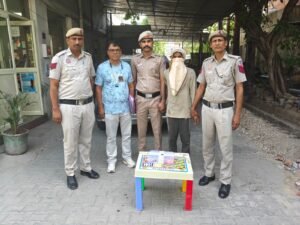
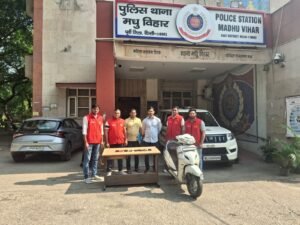
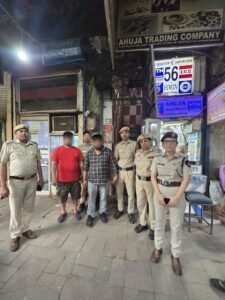
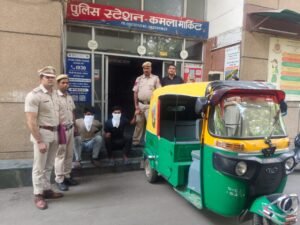
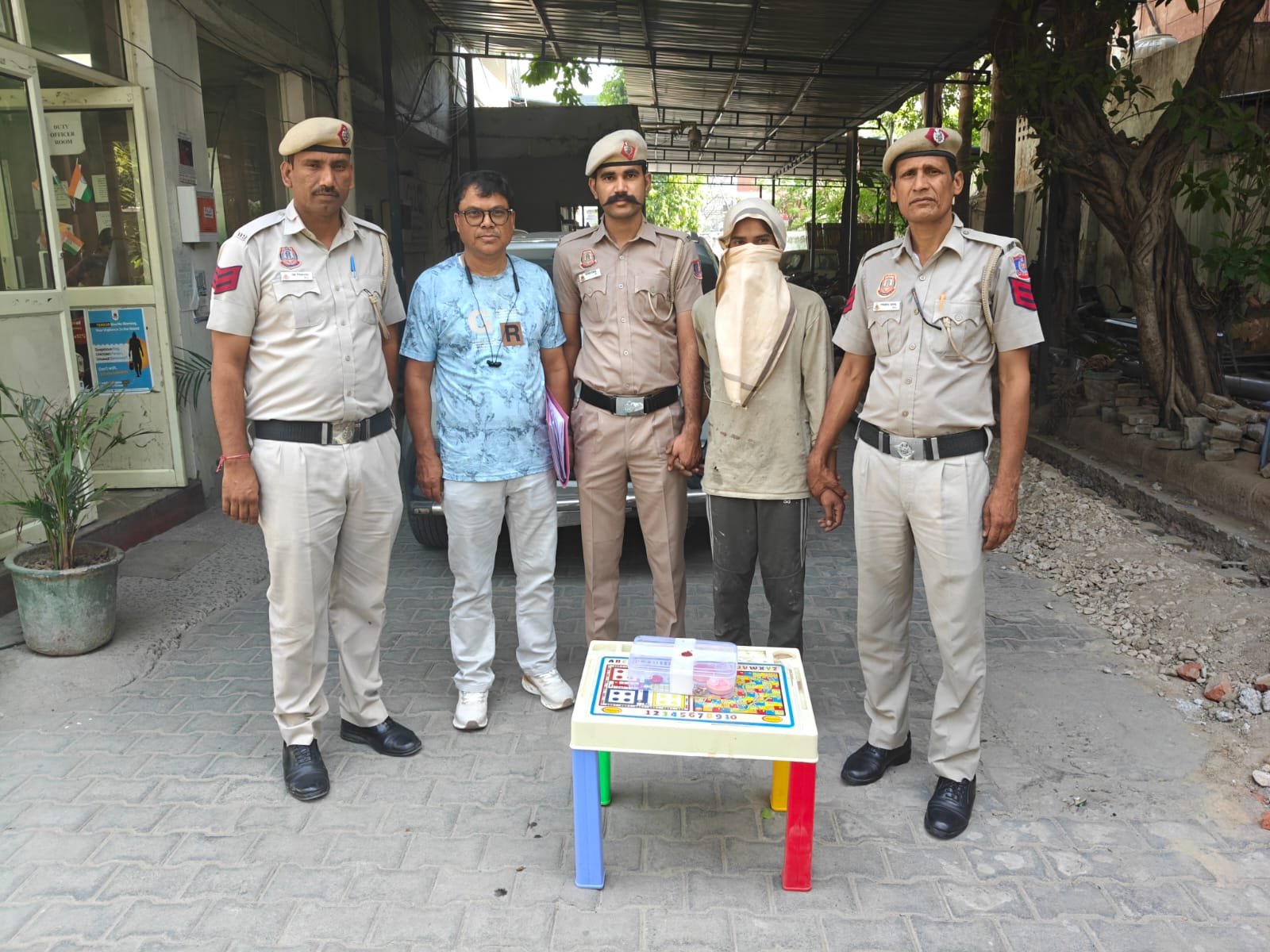
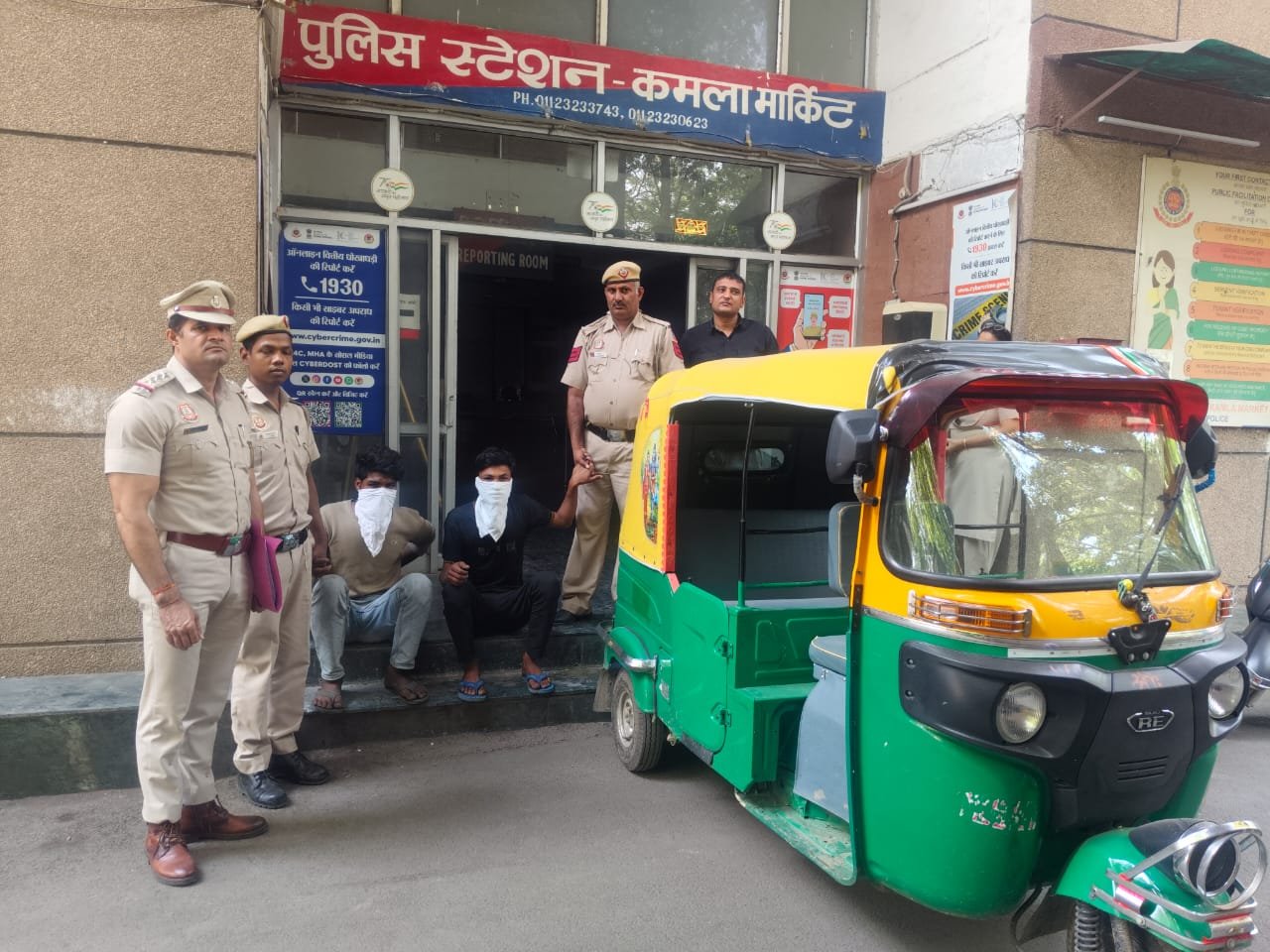
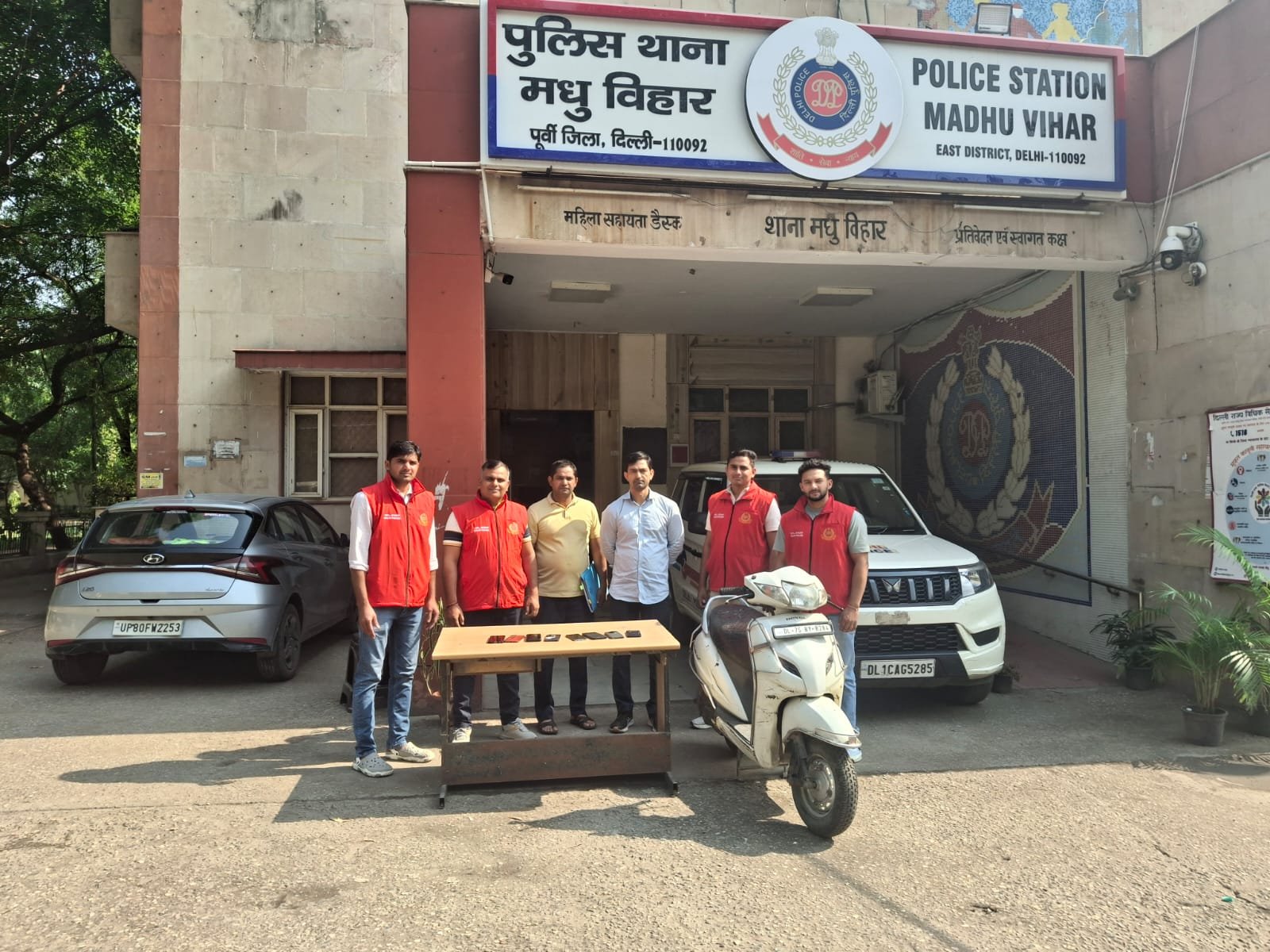
The operation was jointly carried out by Special Staff, East District and Police Station Madhu Vihar. It resulted in the apprehension of four individuals, including three children in conflict with law (CCLs) and one adult accused. Alongside the arrests, police recovered the stolen scooty used in the crime, the blood-stained weapon, and multiple stolen mobile phones—clearly establishing the involvement of the accused in the offence.
Table of Contents
A Violent Night Crime That Triggered Swift Action
The incident took place on the intervening night of April 2 and 3, 2026, when two unidentified assailants riding a scooty carried out an armed robbery in the Madhu Vihar area. The attackers used a deadly weapon to threaten and assault the victim before fleeing the spot.
Such cases are often termed as “blind cases” in policing, meaning there are no immediate suspects, eyewitnesses, or identifiable leads. These cases demand quick thinking and immediate action, as delays can allow offenders to escape or destroy evidence.
Recognizing the seriousness of the offence, the police registered a case under relevant provisions of the Bharatiya Nyaya Sanhita (BNS) and initiated an intensive investigation without any delay.
Immediate Formation of Dedicated Investigation Teams
Understanding the gravity of the situation, senior officers promptly constituted two specialized teams to handle the investigation. This included the Special Staff unit, known for its expertise in technical surveillance, and the local police team from PS Madhu Vihar, which contributed valuable ground-level insights.
This dual-team approach ensured that the investigation progressed simultaneously on multiple fronts—technical tracking, field verification, and intelligence gathering. The leadership ensured that there was constant monitoring, quick decision-making, and smooth coordination between teams.
Massive CCTV Analysis: Turning Clues into Breakthroughs
One of the most critical aspects of the investigation was the extensive use of CCTV surveillance. The police team meticulously analyzed footage from more than 100 cameras installed in and around the area of the incident.
This process required patience and precision. Officers tracked the suspects’ movements across multiple locations, identifying patterns and narrowing down possible escape routes. In urban policing, CCTV networks have become an essential tool, and in this case, they proved decisive.
By correlating different footage segments, the team was able to build a clear visual trail of the accused, transforming a case with no leads into one with actionable intelligence.
Role of Technical Surveillance and Intelligence
Alongside CCTV analysis, technical surveillance played a major role in identifying the suspects. Digital tracking methods, combined with local intelligence inputs, helped the police pinpoint the movements and hideouts of the accused.
Human intelligence also contributed significantly. Informers and local sources provided valuable inputs that complemented the technical findings. This blend of modern technology and traditional policing methods ensured a comprehensive and effective investigation.
Swift Apprehension of Accused Within 24 Hours
The combined efforts of the police teams led to the successful apprehension of four individuals within 24 hours of the crime. Among them were two CCLs directly involved in the robbery, along with two receivers of stolen property—one CCL and one adult accused.
The speed of the arrests highlights the efficiency and readiness of the police force. Acting on precise information and maintaining constant pressure on suspects, the teams ensured that the accused had little opportunity to evade capture.
Significant Recoveries Strengthen the Case
The operation also led to the recovery of crucial evidence, which played a key role in establishing the case:
.Stolen Scooty: The vehicle used in the commission of the offence was recovered. Investigation revealed that it had been stolen earlier from the Geeta Colony area, linking the accused to additional criminal activity.
.Blood-Stained Knife: The weapon used during the robbery and assault was seized, providing strong forensic evidence.
.Eight Mobile Phones: Multiple stolen or snatched mobile phones were recovered, indicating involvement in a series of crimes.
Each recovery added a layer of evidence, making the case stronger and more comprehensive.
Uncovering a Broader Crime Network
During interrogation, the accused disclosed that they were involved in multiple offences on the same night. Their activities were not limited to a single location but spread across several areas, including Madhu Vihar, Mandawali, Connaught Place, and Ghaziabad.
This revelation highlighted the organized nature of their operations. The accused were actively targeting different areas within a short span of time, using mobility and speed to their advantage.
The police, however, effectively countered this by connecting the dots across jurisdictions, showcasing strong coordination and analytical capability.
Importance of Coordinated Policing
The success of this case lies in the seamless coordination between different police units. Special Staff brought technical expertise, while the local police team contributed ground intelligence and quick response capabilities.
Such coordination ensures that investigations are not carried out in isolation but as a unified effort. It allows for faster information sharing, better resource utilization, and more efficient results.
This case stands as a model example of how teamwork and structured planning can lead to quick breakthroughs even in complex situations.
Addressing the Challenge of Urban Crime
Urban environments often present unique challenges for law enforcement. High population density, constant movement, and anonymity can make it easier for criminals to operate and harder for police to track them.
However, this case demonstrates how these challenges can be effectively managed through:
.Strong surveillance networks
.Advanced technology
.Active intelligence gathering
.Rapid response teams
The ability of the police to solve a blind case within 24 hours reflects their preparedness and adaptability in dealing with modern urban crime.
Professionalism and Commitment to Public Safety
The operation reflects the high level of professionalism within the Delhi Police. Every stage of the investigation—from registering the case to analyzing evidence and making arrests—was carried out with precision and urgency.
The focus remained on ensuring public safety, preventing further crimes, and bringing the accused to justice as quickly as possible. The recovery of stolen property and weapons further ensured that the suspects were effectively neutralized.
Building Public Confidence Through Swift Action
Incidents of armed robbery can create fear among citizens, especially when they occur at night. However, the quick resolution of this case sends a strong message that such crimes will not go unchecked.
The proactive approach taken by the police reassures the public that law enforcement agencies are vigilant and capable of responding effectively to threats. It also highlights the importance of community cooperation and surveillance infrastructure in maintaining law and order.
A Benchmark for Future Investigations
This case sets a high benchmark for future investigations. It shows that even in situations where there are no initial leads, a well-planned and determined approach can lead to success.
The integration of technology, intelligence, and teamwork provides a roadmap for handling similar cases in the future. It reinforces the idea that modern policing is not just about reacting to crime but staying ahead of it through preparation and innovation.