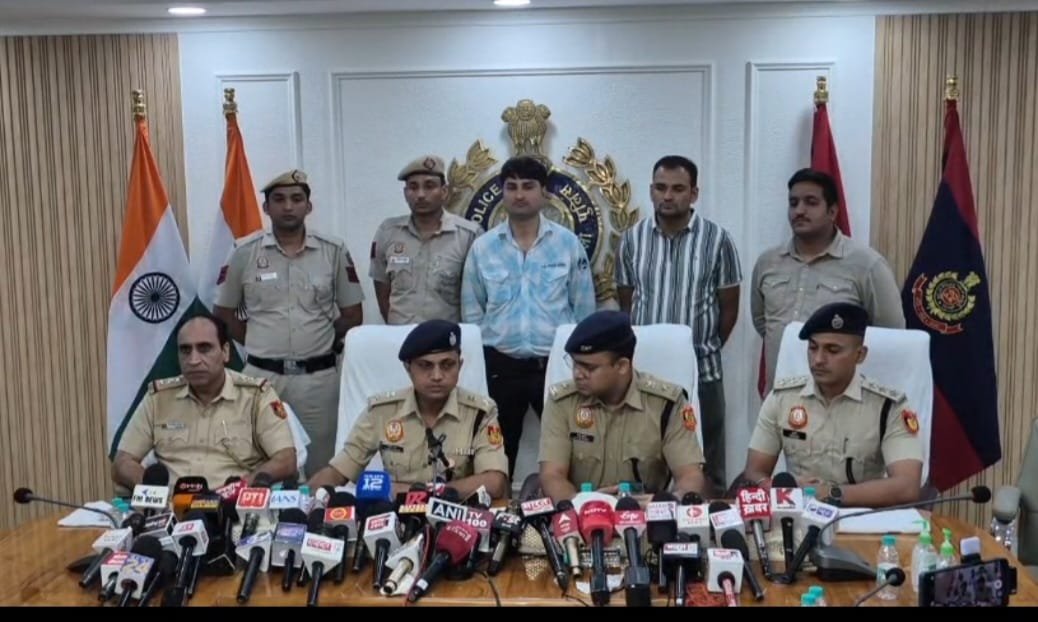
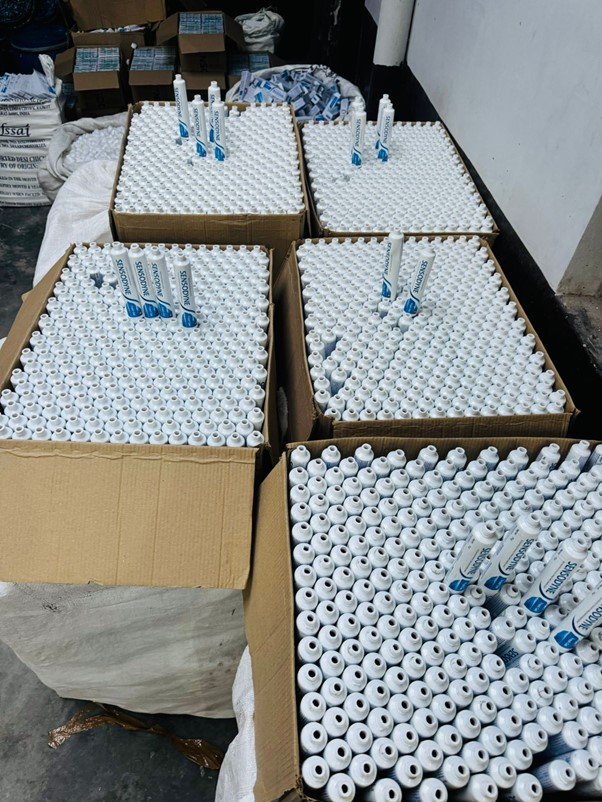
New Delhi, In a significant breakthrough against Fake sensodyne, the Crime Branch of the Delhi Police has dismantled a large-scale illegal manufacturing unit producing fake Sensodyne toothpaste in the Khanjawala area of outer Delhi. The operation, not only exposed a well-organized racket but also prevented potentially harmful products from reaching unsuspecting consumers.
This case highlights a growing concern in India’s consumer market—counterfeit personal care products that pose serious health risks while undermining trust in established brands. Acting swiftly on intelligence inputs, the police demonstrated both efficiency and vigilance in tackling a crime that often operates quietly but impacts thousands.
Table of Contents
A Well-Planned Operation Based on Intelligence
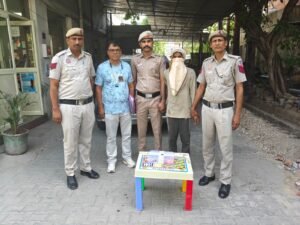
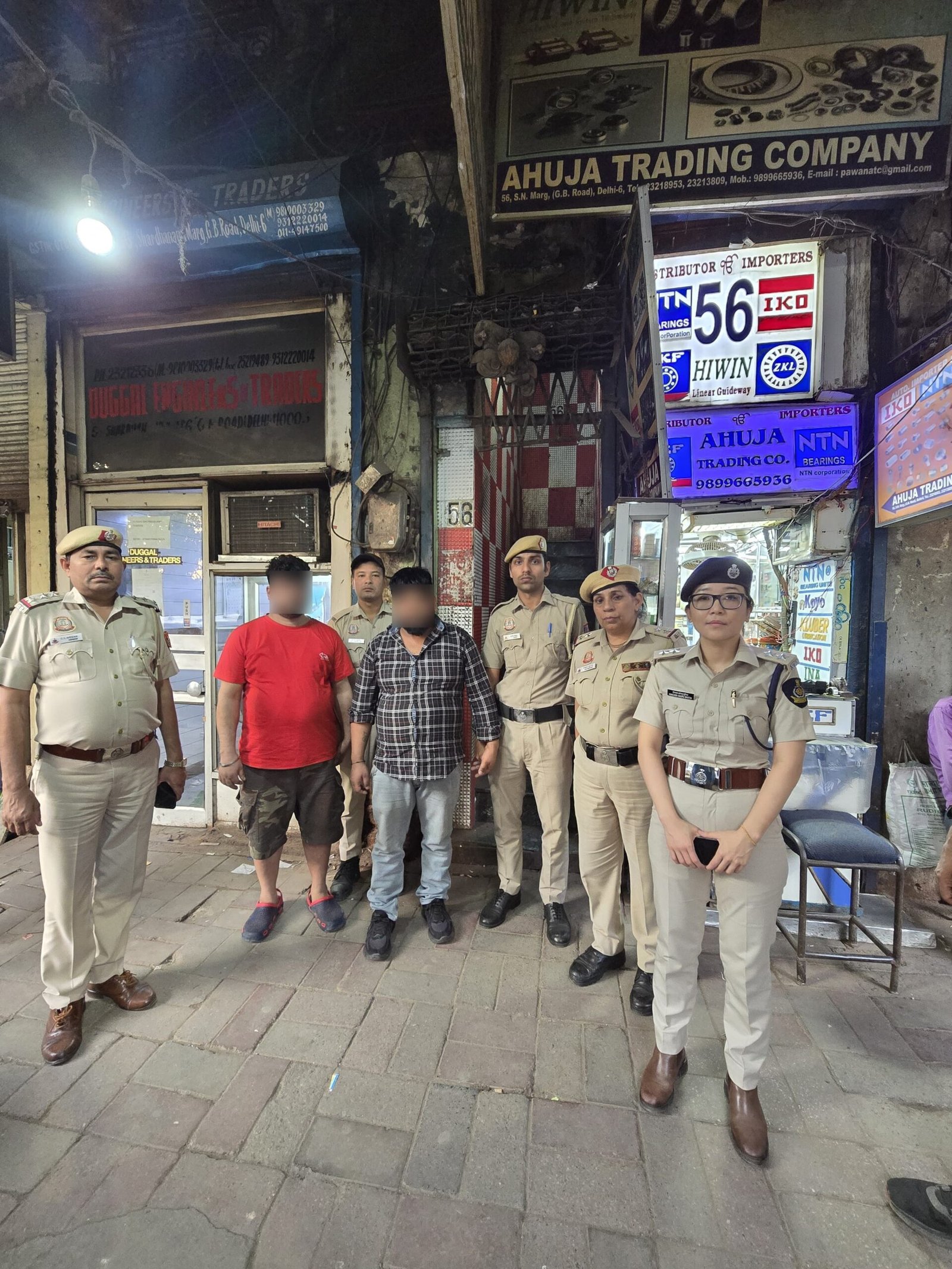
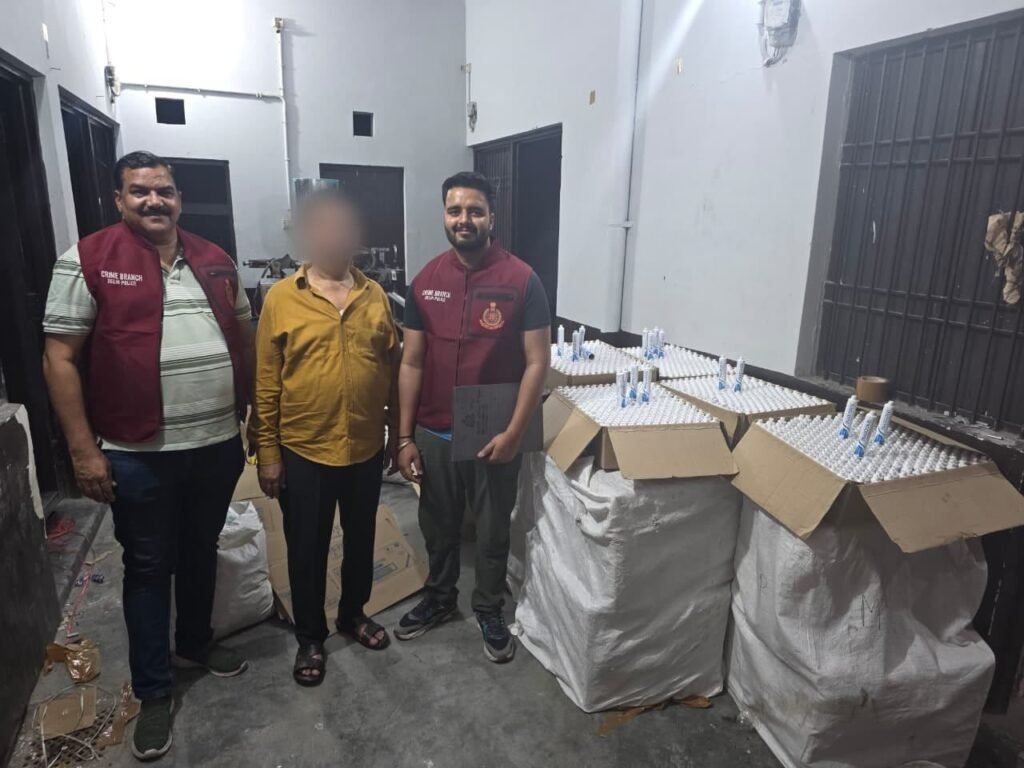
The raid was conducted by the Eastern Range-1 team of the Crime Branch under the supervision of senior officers. The team was led by Inspector Ashish Sharma, along with Sub-Inspectors Prakash, Ranjit Singh, Guman Singh, and Assistant Sub-Inspector Ashok.
According to officials, the operation was initiated after receiving credible secret information about illegal activity taking place inside a godown located in C-Block, Mahaveer Vihar, Khanjawala. The tip-off suggested that counterfeit toothpaste was being manufactured by filling low-quality, unhygienic paste into empty tubes of the well-known brand Sensodyne and selling them in the market as genuine products.
Rather than rushing in blindly, the team first verified the information. This step was crucial—it ensured accuracy and strengthened the legal foundation of the raid. Once the information was confirmed, the police moved quickly and conducted a coordinated raid at the location.
Inside the Counterfeit Manufacturing Unit
What the police discovered inside the godown painted a disturbing picture. Six labourers were found actively engaged in the process of filling and sealing toothpaste tubes. The setup was far from a legitimate manufacturing facility—it lacked basic hygiene standards, safety protocols, and legal authorisation.
The seized materials revealed the scale of the operation:
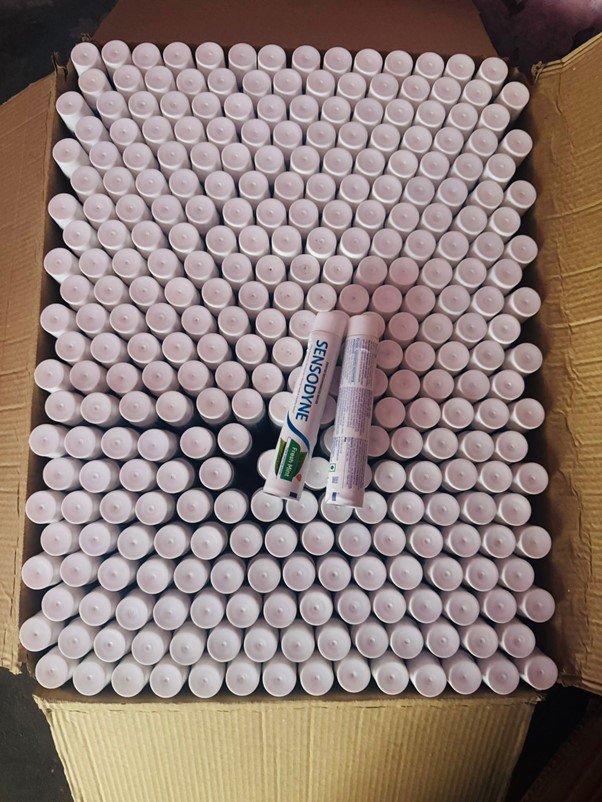
- Thousands of fake Sensodyne toothpaste tubes, both filled and empty
- Large quantities of packaging materials, including printed cartons and wrappers
- Around 130 kilograms of counterfeit toothpaste paste stored in drums
- Tube filling and sealing machines
- Heating machines, adhesive tapes, glue, and caps
These items indicate that the unit was not a small, local operation but a well-structured setup capable of mass production. The use of branded packaging made the fake products almost indistinguishable from genuine ones, increasing the risk of them entering mainstream retail channels.
The Arrest and Confession
During questioning, the labourers informed the police that the godown belonged to Hari Om Mishra, a 58-year-old resident of Rohini. He was immediately brought to the site and taken into custody.
Upon interrogation, Mishra admitted to renting the premises and running the counterfeit manufacturing operation without any license or permission. His confession confirmed what the evidence had already suggested—that this was a deliberate and organised attempt to deceive consumers and profit from the popularity of a trusted brand.
His arrest marks a crucial step in the investigation, but authorities believe that he may not be the only person involved. Counterfeit networks often operate through multiple layers, including suppliers, distributors, and retailers.
Health Risks and Public Safety Concerns
One of the most alarming aspects of this case is the potential health risk posed by these counterfeit products. Toothpaste is a daily-use item that directly affects oral hygiene and overall health. Using substandard or contaminated products can lead to serious issues such as gum infections, tooth decay, and even long-term health complications.
An authorised representative of the company inspected the seized goods and confirmed that they were counterfeit and manufactured in highly unhygienic conditions. This confirmation is critical, as it establishes not just trademark violation but also a direct threat to public health.
Unlike counterfeit luxury goods, fake personal care products have immediate and personal consequences. Consumers trust brands like Sensodyne for their quality and safety standards. When counterfeiters exploit that trust, the damage goes beyond financial loss—it affects well-being.
The Scale of the Racket
The quantity of materials recovered suggests that the operation was running at a significant scale. With machinery capable of filling and sealing tubes efficiently, the unit could produce large volumes of fake toothpaste in a short period.
The estimated value of the seized items runs into lakhs of rupees, indicating substantial investment and expected returns. This further points to a broader supply chain that may extend beyond Delhi.
Police officials have stated that efforts are underway to trace the entire network, including:
- Suppliers of raw materials
- Distributors who pushed the fake products into the market
- Retailers who may have unknowingly—or knowingly—sold them
Uncovering this chain is essential to dismantle the racket completely and prevent similar operations from emerging elsewhere.
Legal Action and Ongoing Investigation
A case has been registered under relevant sections of law at the Crime Branch police station. These likely include charges related to cheating, forgery, trademark violation, and endangering public safety.
The investigation is ongoing, and officials are focusing on identifying other individuals connected to the operation. Given the organised nature of the setup, it is unlikely that the accused acted alone.
Such cases often require coordination with other agencies, including regulatory bodies and brand representatives, to ensure a comprehensive crackdown.
The Bigger Picture: Counterfeit Goods in India
This incident is part of a larger issue affecting markets across India. Counterfeit goods, especially in the FMCG (Fast-Moving Consumer Goods) sector, have been on the rise due to high demand, brand recognition, and the ease of distribution through informal networks.
Commonly counterfeited items include:
- Personal care products like toothpaste, shampoos, and creams
- Packaged food items
- Medicines and health supplements
The challenge lies in the fact that counterfeit products are often designed to look identical to original ones. Consumers may not realise they are using fake products until it is too late.
This makes enforcement actions like the Khanjawala raid extremely important. They not only disrupt illegal operations but also send a strong message to others involved in similar activities.
Appreciating the Police Effort
The success of this operation reflects the professionalism, alertness, and dedication of the Delhi Police Crime Branch.
Under the leadership of DCP Pankaj Kumar, the team demonstrated how intelligence-led policing can effectively tackle complex crimes. Their ability to act swiftly on verified information, execute a precise raid, and secure critical evidence is commendable.
Inspector Ashish Sharma and his team deserve particular recognition for their coordinated efforts on the ground. From planning to execution, the operation was handled with efficiency and discipline.
Their work not only exposed a major counterfeit racket but also safeguarded public health by preventing dangerous products from reaching consumers. In many ways, this is policing at its best—proactive, impactful, and focused on the well-being of citizens.