Delhi ,In a decisive and meticulously executed operation, the Delhi Police’s Central District team dismantled a well-organized human trafficking racket operating out of S.N. Marg near Ajmeri Gate. The late-night raid on April 8, 2026, led to the rescue of eight women, including a minor, and uncovered disturbing evidence pointing to a deeply entrenched network of exploitation. The operation not only highlights the persistent challenge of human trafficking in urban centers but also underscores the effectiveness of coordinated law enforcement efforts when backed by timely intelligence and strategic planning.
Table of Contents
A Critical Tip-Off and Immediate Response
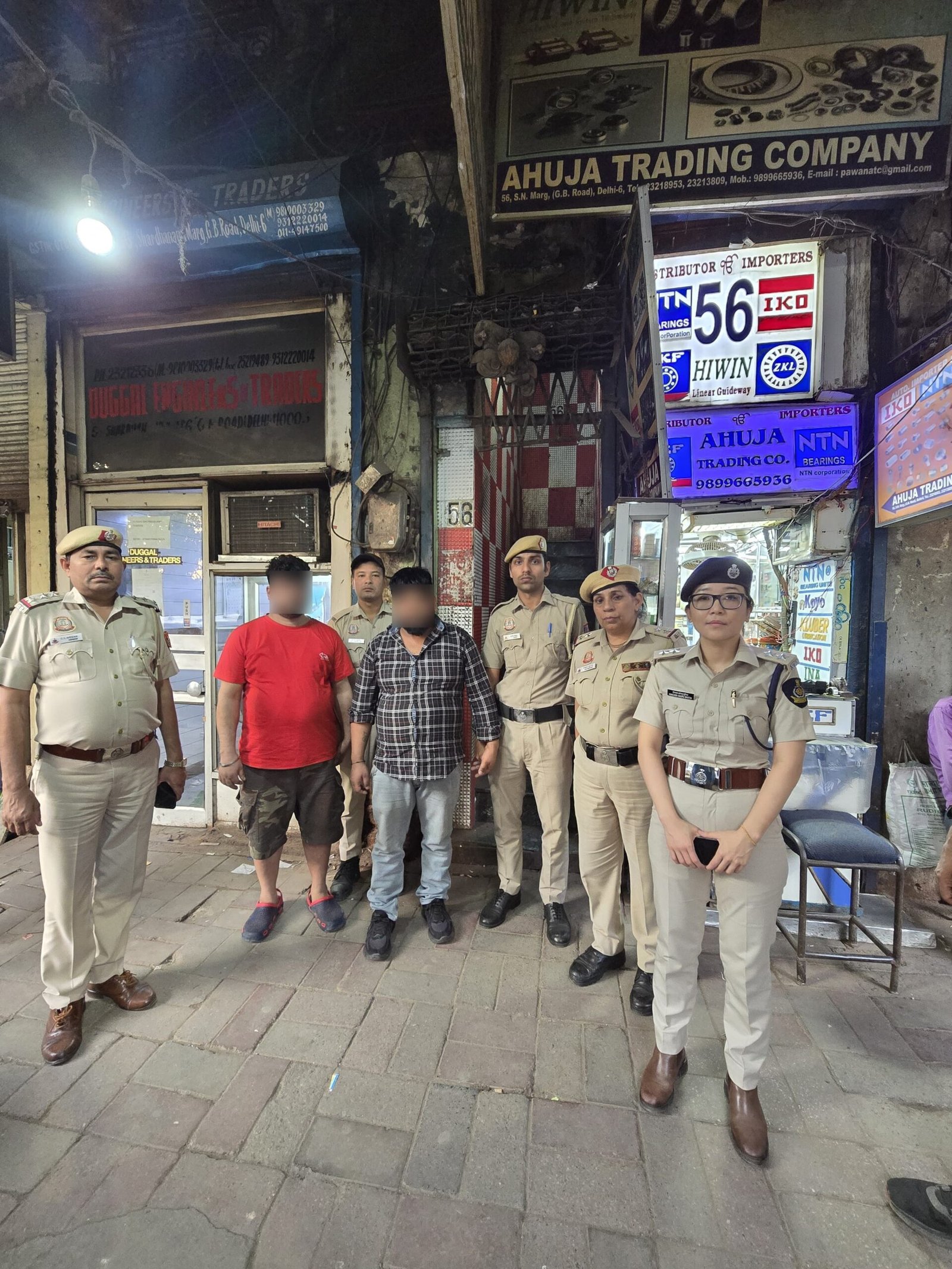
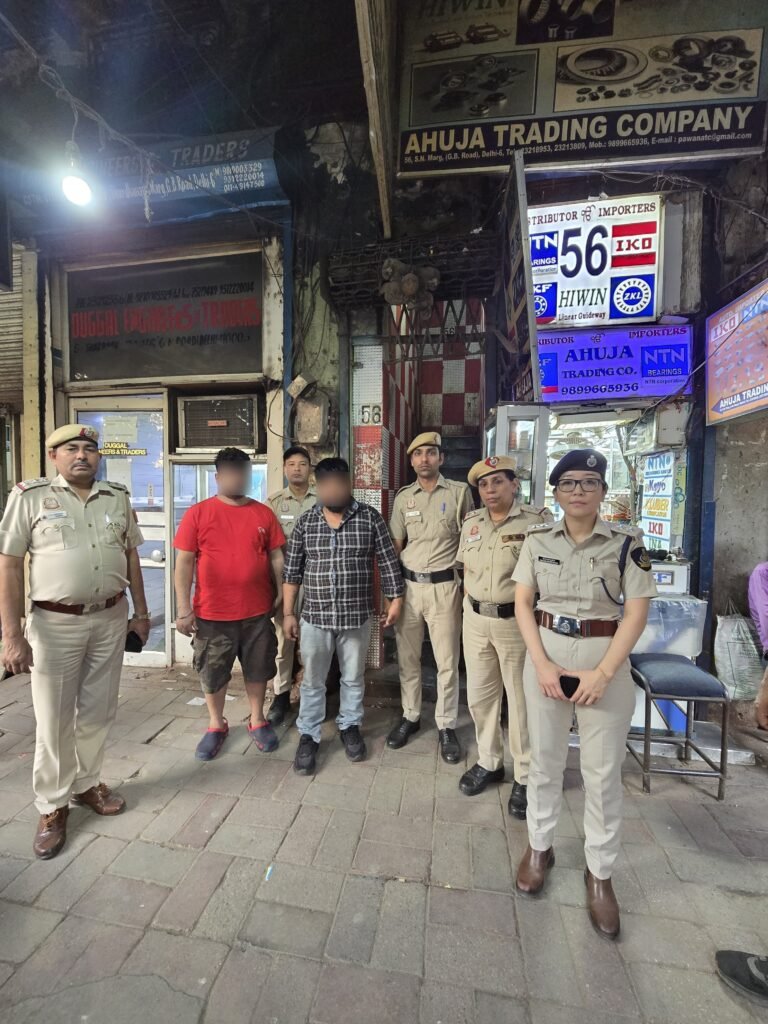
The breakthrough came when police received a sensitive and credible input regarding immoral trafficking activities being conducted from a premises at Shop No. 56, first floor, Ajmeri Gate. Recognizing the gravity of the situation, the information was treated with urgency. A specialized team was promptly constituted under the supervision of ACP Ms. Rinchen Ongmu Bhutia, with W/SI Kiran Sethi leading the operation on the ground.Rather than rushing in prematurely, the team adopted a careful approach.
Surveillance was conducted discreetly, and local intelligence was gathered to verify the authenticity of the input. This step proved crucial, as it confirmed that the location was actively being used for organized prostitution and trafficking activities. Such preparation ensured that the subsequent raid would be both effective and sensitive to the victims involved.
A Well-Coordinated Raid
The raid was not a standalone police action but a coordinated effort involving multiple units, including the Crime Team, Forensic Science Laboratory (FSL) experts, and members of the NGO Sahyog Care For You. This multi-agency collaboration played a key role in ensuring that the operation adhered to legal protocols while prioritizing victim safety.
When the team entered the premises, they found several individuals inside, including women and male associates. A detailed verification process quickly revealed the true nature of the establishment—it was functioning as a hub for organized immoral trafficking. What followed was a carefully managed rescue operation.Eight women were safely rescued from the premises.
Notably, some of them had been hidden in cramped and concealed compartments, indicating deliberate attempts by the accused to evade detection. Among the rescued was a 17-year-old minor whose account shed light on the larger trafficking network.
A Disturbing Chain of Exploitation
The minor victim’s statement revealed a chilling narrative of exploitation. She disclosed that she had been trafficked from West Bengal by a woman known as Alia, alias Pinki. Upon arrival in Delhi, she was handed over to individuals identified as Kumari and her husband Rahul, who were allegedly running the illegal operation.
Further details indicated that the racket extended beyond a single location. Victims were reportedly sourced from multiple regions, including West Bengal, Assam, and even Nepal, pointing to an interstate and cross-border trafficking network.
The involvement of individuals acting as “managers” to handle finances and logistics suggested a structured and profit-driven enterprise.Such networks often prey on vulnerable individuals, exploiting economic hardship, lack of awareness, and social marginalization. The minor’s testimony not only strengthened the case against the accused but also highlighted the urgent need for continued vigilance and intervention.
Significant Recoveries Point to Organized Crime
One of the most striking aspects of the operation was the volume and variety of items recovered from the premises. These recoveries provided strong evidence of systematic illegal activities being conducted over a sustained period.Police seized cash amounting to ₹1,97,040, along with foreign currencies including 118 US dollars and Nepalese notes. The presence of mixed foreign currency further indicated the possibility of international links or clientele.Additionally, 33 grams of ganja were recovered, along with a large quantity of liquor—264 bottles and 478 beer cans—suggesting that substance use was integrated into the operations, possibly to control or exploit victims and attract customers.
Other items recovered included transaction slips, diaries, and notebooks, which are likely to serve as crucial evidence in mapping the financial trail and identifying additional suspects. The presence of colored tokens indicated a coded system for managing clients or services, a common feature in organized illegal establishments.
Forensic evidence was also collected, including gauze cloth pieces with suspected biological stains, which will be analyzed to support the investigation. The recovery of such material underscores the importance of scientific evidence in building a strong legal case.
Arrests and Ongoing Investigation
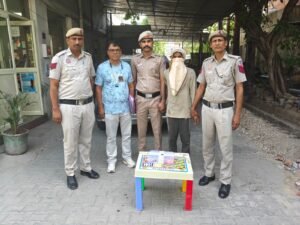
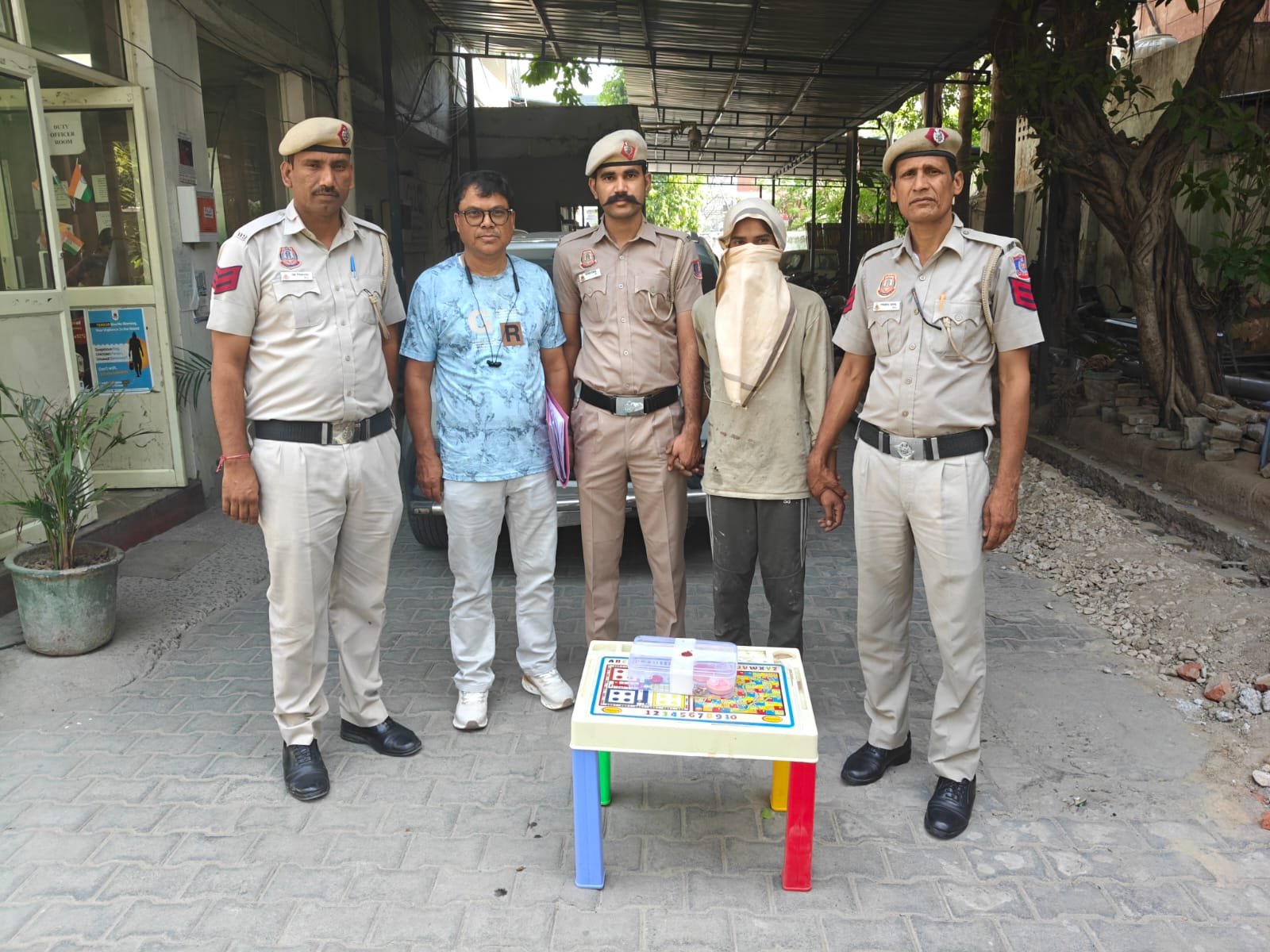
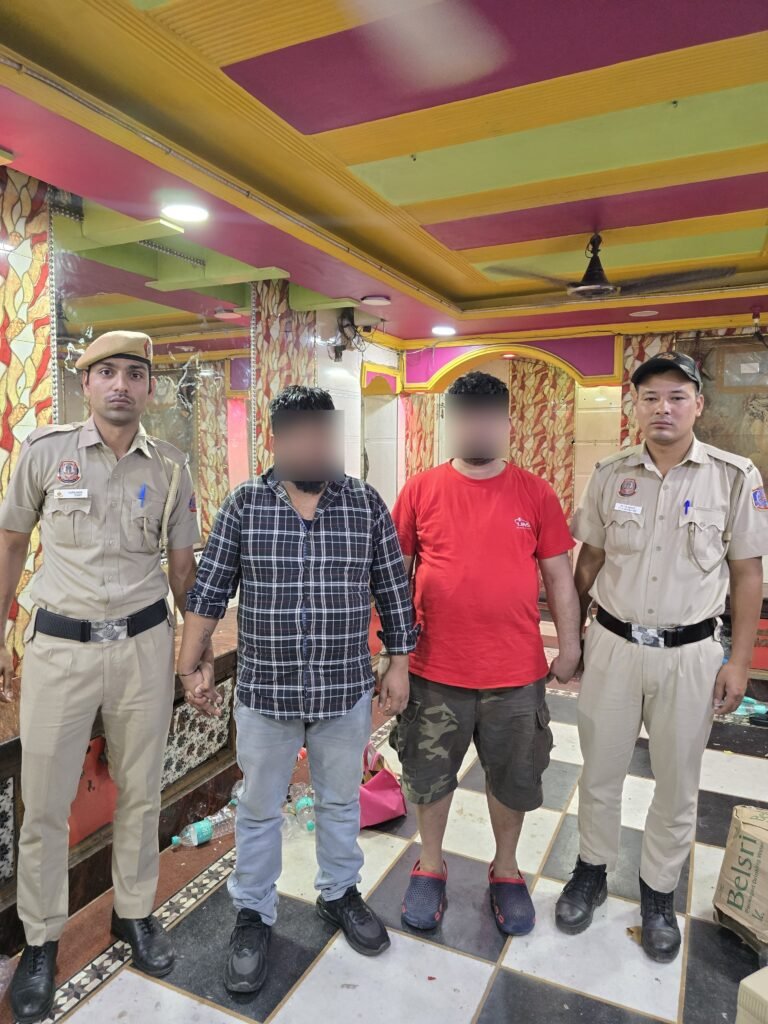
During the operation, two individuals—Gopi Ram Parihar, also known as Suraj, and Luma Kant Pandey—were arrested. Both are residents of Nepal and were reportedly functioning as managers within the racket, handling financial transactions and operational logistics.Meanwhile, key accused individuals, including Rahul and Kumari, are currently absconding.
Police teams are actively working to trace and apprehend them. Given the scale and organization of the racket, investigators are also exploring potential links to other networks and locations.Multiple FIRs have been registered under relevant legal provisions, including those related to human trafficking, protection of minors, narcotics, and excise violations. This comprehensive legal approach ensures that all aspects of the crime are addressed, increasing the likelihood of successful prosecution.
The Role of Police: Professionalism and Sensitivity
The success of this operation reflects the professionalism, coordination, and sensitivity of the Delhi Police. Handling cases of human trafficking requires not only enforcement of the law but also a humane approach toward victims, who often endure significant trauma.
By involving an NGO in the operation, the police ensured that the rescued individuals would receive immediate support, including counseling and rehabilitation assistance. This victim-centric approach is essential in helping survivors rebuild their lives and in encouraging others to come forward.Moreover, the use of forensic teams and detailed documentation highlights a commitment to thorough investigation, which is critical in dismantling organized crime networks.
A Broader Perspective on Human Trafficking
Human trafficking remains a significant challenge in India and globally. According to various studies, thousands of individuals—particularly women and children—are trafficked each year for purposes such as forced labor and sexual exploitation. Urban centers often act as hubs due to higher demand and anonymity.
Operations like the one at S.N. Marg demonstrate that with the right combination of intelligence, coordination, and determination, such networks can be effectively disrupted. However, they also serve as a reminder that continuous efforts are needed to address the root causes, including poverty, lack of education, and limited economic opportunities.
Public awareness, community vigilance, and inter-agency collaboration are key components in combating this issue. Citizens can play a role by reporting suspicious activities and supporting initiatives aimed at prevention and rehabilitation.