Google’s new screenless Fitbit Air fitness tracker is coming to India in October, with continuous health monitoring and AI-powered wellness features
Google Fitbit Air, the company’s first screen-free fitness wearable, will launch in India in October 2026. The new device expands Google’s health-focused wearable portfolio in the Indian market, offering an alternative to conventional smartwatches through its screenless design and dedicated fitness-tracking approach.
The Fitbit Air was showcased during Google’s India event following the company’s annual “Made by Google” keynote, where it also unveiled its latest Pixel hardware, including the Pixel 11 series, Pixel 11 Pro Fold and Pixel Watch 5. While Google has confirmed the October launch window for the Fitbit Air, the company has not yet revealed its official Indian price, exact retail availability or a specific launch date.
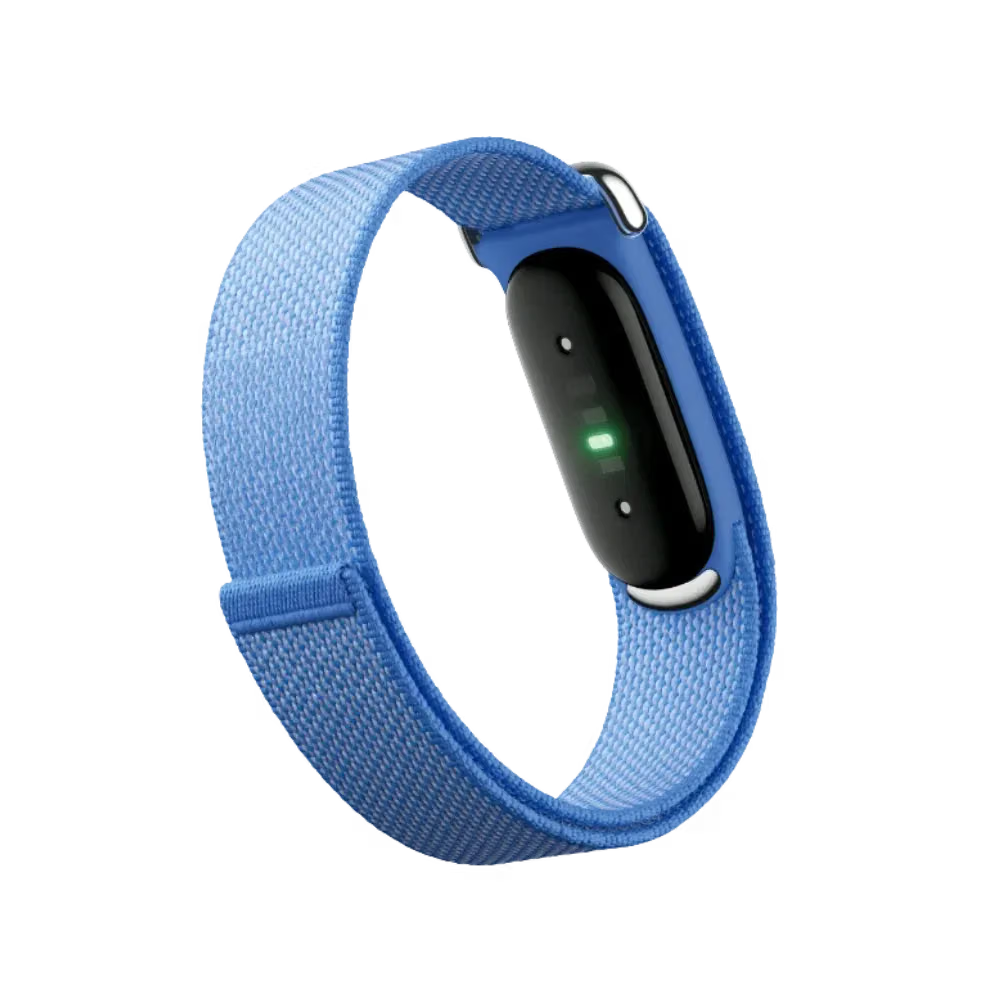
The device takes a different approach from conventional smartwatches. Instead of adding a display and notifications to a wearable, Fitbit Air is designed without a screen. The focus is instead on continuous health tracking, passive data collection and fitness monitoring.
That screen-free philosophy is intended to reduce distractions while allowing users to keep track of key health indicators in the background.
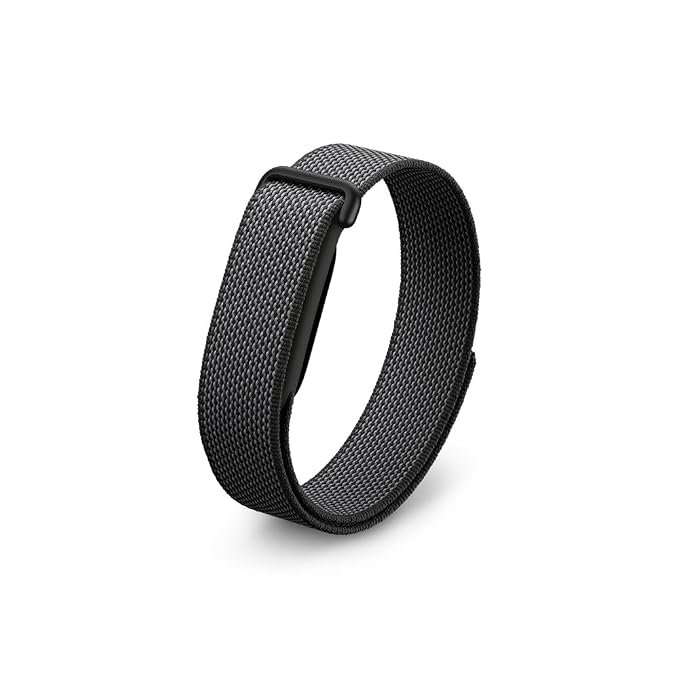
Table of Contents
Fitbit Air Is Google’s First Screen-Free Fitness Wearable
The most distinctive feature of the Google Fitbit Air is its lack of a screen.
Google has designed the Google Fitbit Air around the idea that users do not necessarily need another display competing for their attention throughout the day. Instead, the wearable continuously collects health and activity data while keeping the information primarily within the connected software experience.
The concept is aimed at users who want health tracking without the notifications, apps and constant visual interaction associated with a smartwatch.
According to Google, Google Fitbit Air is focused on passive health telemetry and background data collection. That means the device is intended to monitor selected health indicators throughout the day without requiring users to repeatedly interact with it.
This approach also positions the Google Fitbit Air differently from products such as the Pixel Watch. Rather than trying to be a miniature smartphone on the wrist, the tracker is primarily designed as a dedicated health and fitness device.
Continuous Health Monitoring Is the Core Feature
Health tracking is central to the Google Fitbit Air experience.
Google says the device can continuously monitor heart rate, resting heart rate and heart rate variability, or HRV. It can also track irregular heart rhythms associated with atrial fibrillation, commonly known as AFib, as well as blood oxygen saturation levels or SpO2.
The Google Fitbit Air tracker also supports automated sleep-cycle monitoring.
Together, these features are designed to provide users with a broader picture of their health and daily activity patterns.
Heart-rate monitoring can provide information about changes in cardiovascular activity, while resting heart rate and HRV can offer additional indicators that users may use to understand changes in their overall health and recovery patterns.
Sleep tracking adds another layer by helping users understand how their sleep patterns change over time.
As with other consumer health wearables, measurements from the Google Fitbit Air should be viewed as wellness information and trends rather than a substitute for professional medical diagnosis.
Screen-Free Design Could Reduce Notification Fatigue
One of the main ideas behind the Google Fitbit Air is to address the growing amount of screen exposure associated with modern connected devices.
Smartphones, smartwatches and other devices have made notifications a constant part of everyday life. A fitness tracker without a display removes much of that visual interaction.
Google says the screenless design of the Google Fitbit Air is intended to eliminate distractions and notification fatigue.
That could appeal to users who want the benefits of a connected wearable without having another device demanding their attention.
Instead of checking a wrist display throughout the day, users can focus on their activities while the Google Fitbit Air collects data in the background.
The concept is particularly interesting for people who want to monitor health metrics but do not want the smartwatch experience.
Google Fitbit Air Price in India Is Yet to Be Confirmed
Google has not officially announced the Indian price of the Google Fitbit Air.
The device originally launched in selected global markets in May at $99.99, which is approximately Rs 9,400 based on the conversion cited in the report. However, that global pricing should not be treated as the confirmed Indian price.
Adding to the speculation, third-party listings for the Google Fitbit Air have appeared on Amazon India.
Those listings showed prices ranging from around Rs 17,380 for the black Performance Loop variant to Rs 18,490 for the pink version. However, these are third-party listings rather than official Google pricing.
Google is expected to announce official Indian retail pricing for the Google Fitbit Air closer to the October rollout.
For prospective buyers, the final price will be an important factor in determining how the Google Fitbit Air compares with other fitness trackers and smart wearables available in India.
Three Strap Options Available Internationally
Google Fitbit Air is designed to provide different strap options for different use cases.
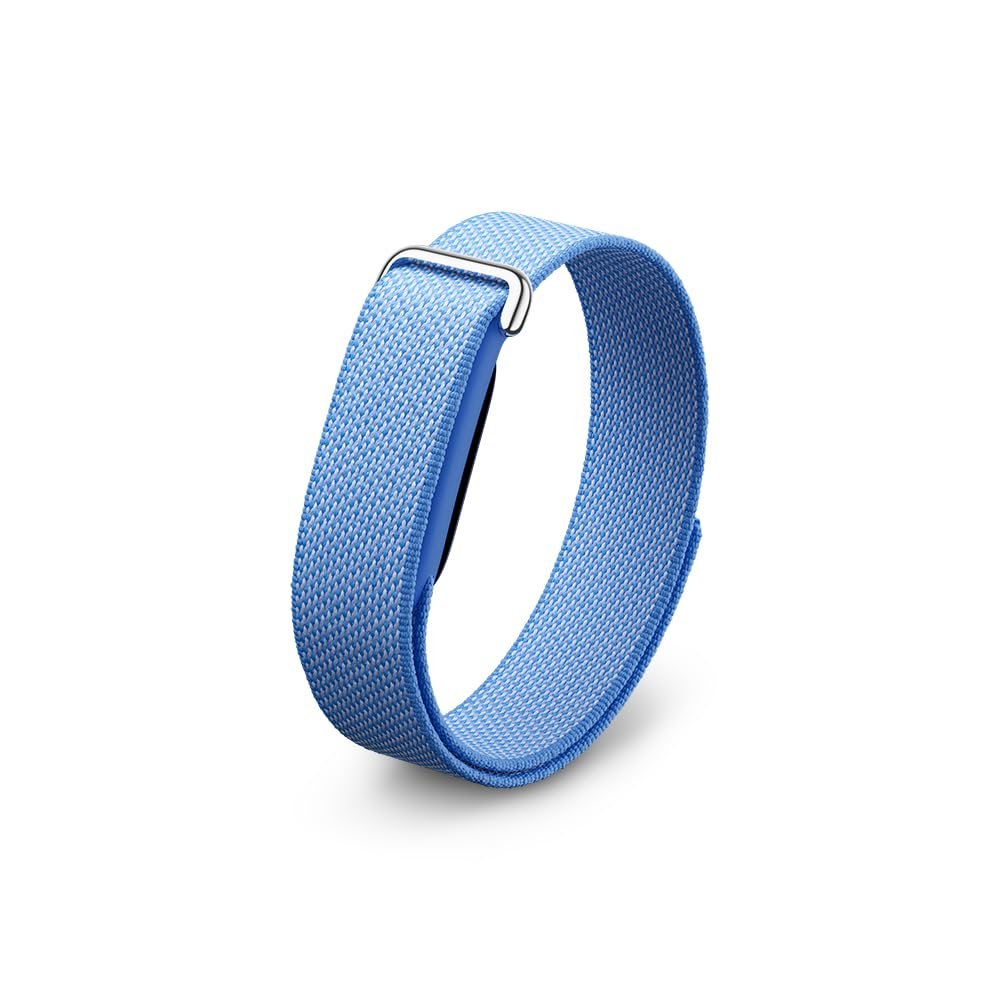
Internationally, the Google Fitbit Air is available with three interchangeable strap designs: the lightweight Performance Loop Band, the water-resistant Active Band and the premium Elevated Modern Band.
The Performance Loop is positioned as a lightweight option that can suit everyday fitness and extended wear.
The Active Band is designed with water resistance in mind, making it better suited to users who want a more activity-focused option.
The Elevated Modern Band offers a more premium appearance for users who want a wearable that can fit into less sporty settings.
The availability of different bands gives the Google Fitbit Air some flexibility despite its minimalist hardware design.
AI-Powered Google Health Coach Adds a Software Layer
Google is also connecting the Google Fitbit Air with its broader AI-powered health ecosystem.
Global purchases include a three-month complimentary trial of Google Health Premium and access to Google’s AI-powered Google Health Coach tools.
The addition of AI changes the role of the Google Fitbit Air.
Rather than simply collecting numbers such as heart rate and sleep duration, an AI-powered health platform can potentially help users understand their data in a more accessible way.
The broader objective is to make health information easier to interpret by connecting individual measurements with longer-term patterns.
For example, instead of simply presenting raw sleep or heart-rate data, a software platform could help users understand changes and trends over time.
The exact features and availability of Google Health Premium and Health Coach in India will be important details to watch as the Google Fitbit Air launch approaches.
Fitbit Air Takes a Different Route From Smartwatches
The fitness wearable market has increasingly been dominated by devices with displays.
Smartwatches now combine fitness tracking with messaging, notifications, calls, applications, music controls and other functions.
Fitbit Air deliberately moves in the opposite direction.
The lack of a display means there is no obvious on-device interface for notifications or conventional smartwatch functions. Its purpose is primarily to record health and activity information continuously.
That makes the device closer to a dedicated fitness tracker than a traditional smartwatch.
For some users, this simplicity could be a major attraction.
The absence of a screen can mean fewer distractions, lower emphasis on constant interaction and potentially a more focused health-monitoring experience.
Sleep Tracking Is Another Major Focus
Automatic sleep-cycle tracking is one of the main health features built into Fitbit Air.
Sleep has become an increasingly important part of consumer health technology, with wearable devices attempting to help people better understand how long and how consistently they sleep.
By monitoring sleep automatically, Fitbit Air can collect information without requiring the user to start or stop a tracking session manually.
Combined with heart-rate, HRV and SpO2 measurements, sleep tracking could help build a broader picture of the user’s daily health patterns.
Again, the value of these measurements lies largely in identifying trends over time rather than relying on a single night’s data.
India Launch Comes Alongside New Pixel Hardware
The Fitbit Air’s India launch announcement was made during a broader Google hardware event.
The company used the event to showcase several major products, including the Pixel 11 smartphone lineup, the Pixel 11 Pro Fold and the Pixel Watch 5. The US market also received the Pixel Tag Bluetooth tracker.
The addition of Fitbit Air to the Indian portfolio suggests that Google is continuing to expand its hardware ecosystem in the country.
The company now has products spanning smartphones, smartwatches, fitness tracking and other connected devices.
For consumers, this increasingly connected portfolio creates opportunities for health and fitness information to become part of a wider Google ecosystem.
What Makes Fitbit Air Different?
The biggest selling point of Fitbit Air is its philosophy rather than any single hardware specification.
It is built around the idea that health data can be collected continuously without requiring users to interact with a screen.
That could be particularly appealing to people who find smartwatches distracting or unnecessary for their fitness needs.
The device also offers a more focused proposition: instead of trying to be an all-purpose wearable, it concentrates on health telemetry, sleep monitoring and fitness-related data.
This makes the Fitbit Air an interesting alternative for users deciding between a full smartwatch and a simpler fitness tracker.
Official Indian Details Still Pending
Although the October launch has been confirmed, several important details remain unknown.
Google has not yet announced the exact Indian retail price, specific launch date or final retail availability.
The company is expected to provide those details closer to the launch.
It will also be important to see whether the same health features and subscription benefits offered internationally will be available in India from day one.
The Indian wearable market is highly competitive, with consumers able to choose from smartwatches, fitness bands and other health-focused devices across a wide range of price points.
Fitbit Air’s success will therefore depend not only on its hardware but also on how Google positions its software ecosystem and subscription services.
A New Direction for Fitbit Wearables
The launch of Fitbit Air represents a notable change in the Fitbit product philosophy.
Instead of adding more features to a screen-based wearable, Google has introduced a device designed to stay in the background.
That makes the tracker particularly relevant to the growing conversation around digital wellbeing.
For users tired of constant notifications but still interested in monitoring fitness and health metrics, a screen-free tracker could offer an attractive middle ground.
The approach also gives Google a way to differentiate Fitbit Air from the Pixel Watch, which remains the company’s more feature-rich smartwatch offering.
Google’s confirmation that Fitbit Air will launch in India in October 2026 marks an important development in the country’s wearable technology market.
The screen-free fitness tracker is designed around continuous health monitoring rather than notifications or smartwatch-style interaction. It can track heart rate, resting heart rate, HRV, irregular heart rhythm, SpO2 and sleep patterns, while Google’s AI-powered Health Coach ecosystem adds a software-driven layer to the collected data.
The absence of a display is likely to be the device’s biggest differentiator.
For users looking for a discreet fitness tracker with fewer distractions, that could prove to be a major advantage. For others who want calls, notifications and apps on their wrist, a traditional smartwatch may remain the more suitable choice.
With the official Indian price and exact retail details still to be announced, the Fitbit Air’s October launch will be closely watched.
What is already clear is that Google is taking a different approach to wearable technology: less screen, more background health tracking and a stronger emphasis on turning collected data into useful health insights.