
A late-night routine may seem harmless when it happens occasionally, but consistently getting too little sleep can have important implications for heart health. Current evidence shows that sleep is not simply a period of rest; it is an important part of cardiovascular health, alongside factors such as physical activity, diet, blood pressure, cholesterol and blood glucose.
The American Heart Association (AHA) recommends that most adults aim for 7–9 hours of sleep per night. Its 2025 scientific statement also notes that sleep health involves more than duration: regularity, timing, continuity and daytime functioning can all matter for cardiometabolic health.
That makes the common habit of staying awake late, sleeping for only a few hours and repeating the pattern the next day worth taking seriously.
Table of Contents
Why 7 Hours of Sleep Matters
Sleeping duration is one of the simplest ways to assess whether someone is getting enough rest.
According to the AHA, evidence from multiple studies indicates that adults who regularly sleep less than seven hours per night have higher risks of several cardiometabolic problems, including high blood pressure, atrial fibrillation and metabolic syndrome. Metabolic syndrome refers to a group of conditions that can increase the likelihood of heart disease, stroke and type 2 diabetes.

The AHA’s Life’s Essential 8 framework also identifies healthy sleep as one of the key components of cardiovascular health, with 7–9 hours per night considered the ideal range for adults.
This does not mean that one night of short sleep will suddenly cause heart disease. Rather, the concern is about persistent or habitual insufficient sleep and its association with cardiovascular risk.
The Heart Does Not Simply “Switch Off” at Night
During sleep, the body continues performing important functions.
Blood pressure normally falls during sleep, giving the cardiovascular system a period of reduced workload. The AHA notes that insufficient sleep can be associated with blood pressure that does not decrease as much overnight as it normally should.
Poor sleep can also affect metabolic processes, inflammation and other factors associated with cardiovascular health.
This is why sleep is increasingly being considered part of a broader approach to heart-health prevention rather than an isolated lifestyle issue.
Late Nights Can Affect More Than Sleep Duration
The problem with a late-night routine is not necessarily the clock itself.
Researchers distinguish between sleep duration and sleep timing. The AHA’s 2025 scientific statement says evidence on sleep timing is still developing, but available research suggests that suboptimal timing may be associated with cardiovascular risk factors. Some studies have linked bedtimes at midnight or later with higher risks of overweight or obesity, insulin resistance and elevated blood pressure.
In other words, someone who stays awake until very late may face two separate issues: they may sleep fewer hours, and their sleep schedule may become less aligned with their body’s normal rhythm.
However, scientists are still studying exactly how sleep timing affects cardiovascular health, so it would be inaccurate to say that simply going to bed after a particular hour directly causes heart disease.
Irregular Sleeping Can Also Matter
A person may sleep seven or eight hours on some nights but significantly less on others.
That kind of constantly changing schedule can create irregular sleep patterns.
The AHA reports that day-to-day variability in sleep timing has been associated with higher risks of cardiovascular disease, high blood pressure, inflammation and obesity. Greater consistency in sleep-wake timing has also been associated with substantially lower cardiovascular mortality in large observational studies.
This is particularly relevant to people who maintain one schedule during the week and then dramatically change it on weekends.
A consistent routine may therefore be more beneficial than repeatedly shifting between very late nights and early mornings.
What Happens When Sleeping Is Cut Short?
Short sleep can influence several systems involved in cardiovascular health.
Blood Pressure
Insufficient or disrupted sleep has been associated with elevated blood pressure and abnormal nighttime blood-pressure patterns. High blood pressure is one of the major risk factors for heart disease and stroke.
Metabolic Health
Poor sleep is associated with factors including insulin resistance, obesity and blood-sugar problems. These conditions can increase long-term cardiovascular risk.
Inflammation
The AHA notes that sleep disruption can be associated with increased inflammation, another factor relevant to cardiovascular health.
Heart Rhythm
The latest AHA scientific statement also identifies an association between sleeping less than seven hours and increased risk of atrial fibrillation, an irregular heart rhythm.
These relationships do not prove that inadequate sleep alone causes every cardiovascular problem. Genetics, diet, physical activity, existing medical conditions, stress and other lifestyle factors also matter.
A Large Number of Adults Are Not Getting Enough Sleep
Short sleep is not a rare issue.
According to a 2026 CDC National Center for Health Statistics report based on 2024 data, 30.5% of U.S. adults slept less than seven hours on average during a 24-hour period. The report also examined difficulties falling asleep and staying asleep.
The figures illustrate why sleep has become an important public-health concern.
For many people, insufficient sleep is connected to work schedules, studies, family responsibilities, screen use, stress or difficulty maintaining a regular bedtime.
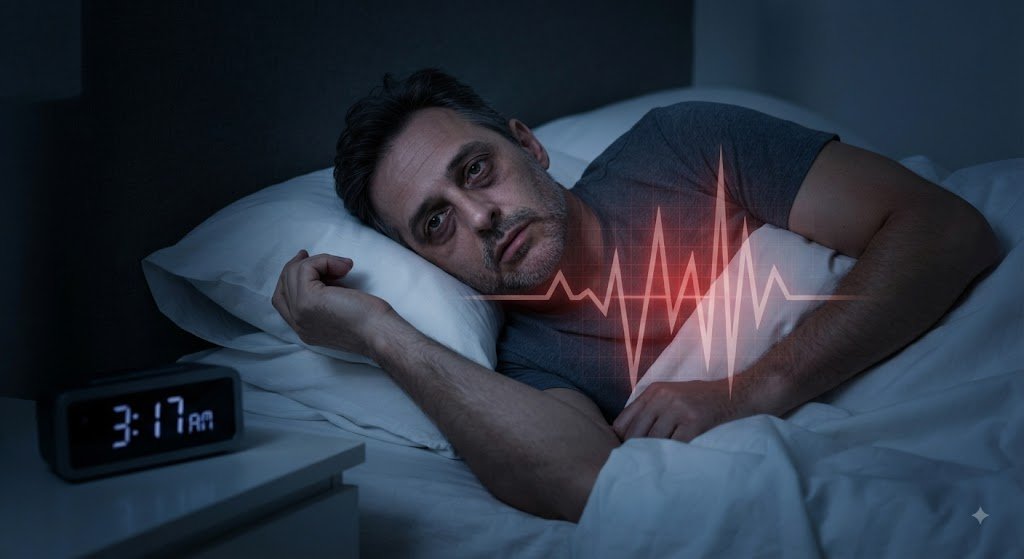
The Difference Between One Bad Night and a Long-Term Pattern
It is important not to panic after an occasional late night.
Everyone can have nights when they sleep less than usual because of travel, exams, work, illness or other circumstances.
The bigger concern is when short sleep becomes a regular pattern.
Repeatedly sleeping for only five or six hours can mean the body is not consistently getting the restorative sleep it needs. Over time, that pattern can contribute to an unhealthy overall lifestyle and may be associated with cardiovascular risk factors.
The goal should therefore be consistency rather than perfection.
“Catching Up” on Sleeping May Not Fully Solve the Problem
Some people try to compensate for short weekday sleep by sleeping much longer on weekends.
While additional rest may feel helpful, it should not be considered a complete solution to chronic sleep deprivation.
The AHA notes that weekend catch-up sleep does not necessarily counteract the effects of insufficient sleep during the rest of the week. It also emphasizes the importance of maintaining healthy sleep habits consistently.
A more sustainable approach is to gradually establish a regular sleep and wake schedule.
Sleeping Quality Matters Too
Getting seven hours in bed does not necessarily mean getting seven hours of good-quality sleep.
A person may wake repeatedly during the night, take a long time to fall asleep or experience breathing problems while sleeping.
The AHA describes healthy sleep as multidimensional, involving duration, continuity, timing, regularity, satisfaction and daytime functioning.
For example, someone who spends eight hours in bed but wakes frequently may not experience the same benefits as someone who gets eight hours of relatively uninterrupted sleep.
Sleeping Apnea Can Be an Important Warning Sign
Sleeping problems can sometimes indicate an underlying medical condition.
Obstructive sleep apnea is one example. During sleep, breathing repeatedly stops and restarts, disrupting normal sleep and placing additional stress on the body.
The AHA says sleep apnea has been associated with cardiovascular problems including irregular heart rhythms and high blood pressure.
Persistent loud snoring, repeated nighttime awakenings, breathing pauses noticed by another person, or significant daytime sleepiness can warrant discussion with a healthcare professional.
Why Your Nighttime Routine Deserves Attention
A late-night routine can involve more than simply going to bed late.
People may spend hours on phones, computers or television, consume caffeine late in the day, eat heavy meals close to bedtime or maintain different sleeping hours every night.
These habits can make it harder to establish a consistent sleep schedule.
The AHA recommends maintaining specific bedtimes and wake-up times as much as possible and reducing unnecessary bright light and technology use before bedtime.
The objective is not to create a perfect bedtime routine overnight. Small, consistent changes can be easier to maintain.
How to Build a Healthier Sleep Routine
A few practical habits can help support better sleep:
- Keep bedtime and wake-up time relatively consistent.
- Aim for 7–9 hours of sleep if you are an adult.
- Reduce unnecessary screen exposure and bright light before bed.
- Avoid making caffeine a late-evening habit.
- Keep the bedroom comfortable and suitable for sleep.
- Give yourself enough time to wind down before bedtime.
- Pay attention to persistent snoring or breathing difficulties.
- Seek professional advice if sleep problems continue.
These habits should be viewed as general sleep-health guidance, not as treatment for a medical condition.
Sleeping Is Now Part of Heart-Health Guidance
The growing recognition of sleep’s importance is reflected in the AHA’s Life’s Essential 8 framework.
The framework includes healthy sleeping alongside diet, physical activity, nicotine exposure, healthy weight, blood glucose, cholesterol and blood pressure. For adults, the recommended sleep duration is 7–9 hours.
This represents an important shift in how cardiovascular health is discussed.
Heart health is not determined by exercise and diet alone. Rest and recovery also form part of a healthy lifestyle.

When Should You Talk to a Doctor?
Occasional poor sleep usually does not require medical attention.
However, persistent sleep difficulties should not simply be ignored.
If someone regularly struggles to fall asleep, repeatedly wakes during the night, feels excessively sleepy during the day or suspects they may have sleep apnea, speaking with a healthcare professional can help identify the underlying cause. The AHA specifically recommends discussing suspected sleep disorders with a healthcare professional.
People with existing heart conditions or cardiovascular risk factors should also discuss significant or persistent sleep problems with their doctor.
The Bottom Line
Getting less than seven hours of sleep regularly should not be treated as a harmless lifestyle habit.
Current evidence links insufficient and irregular sleep with several cardiovascular and metabolic risk factors, including high blood pressure, atrial fibrillation, obesity, insulin resistance and metabolic syndrome. The American Heart Association recommends that most adults aim for 7–9 hours of sleep each night and emphasizes that healthy sleep involves duration, quality, regularity and timing.
The message is not that one late night will damage your heart. Instead, it is a reminder that chronic sleep deprivation deserves attention.
A consistent sleep schedule, adequate rest and good sleep quality can be important parts of a heart-healthy lifestyle. If persistent sleep problems or symptoms of a sleep disorder are present, professional medical advice is the safest next step.