

Setting goals is one of the most powerful Motivated ways to create direction in life. Whether someone wants to build a successful career, improve their health, start a business, complete higher education, or learn a new skill, goals provide a clear sense of purpose. However, one challenge almost everyone faces is maintaining motivation when progress seems slow or the destination still feels far away.
Many people begin their journey with enthusiasm, but weeks or months later, daily responsibilities, unexpected setbacks, or slow results can make their goals appear distant. This is a completely normal experience. Motivation is not something that remains constant every day. Instead, it grows through consistent habits, positive thinking, and the ability to focus on progress rather than perfection.
Research in psychology suggests that long-term success depends less on temporary motivation and more on sustainable routines. People who achieve their Motivated are often not the most talented or the luckiest—they are usually the ones who continue moving forward even when immediate results are not visible.
Table of Contents
Why Long-Term Goals Can Feel Difficult
Large Motivated often require months or even years of consistent effort. Building a career, saving money, writing a book, preparing for competitive exams, or improving physical fitness rarely happens overnight.
The human brain naturally enjoys immediate rewards. When results take longer to appear, people may begin questioning whether their efforts are making a difference.
Behavioral scientists explain that delayed rewards require stronger self-discipline because the brain does not receive instant satisfaction. This is why many people lose motivation despite making steady progress.
Understanding this psychological pattern helps people realize that temporary frustration does not mean failure. It simply means the brain is adjusting to long-term commitment.

Focus on Progress Instead of Perfection
One of the biggest obstacles to achieving Motivated is the belief that everything must be perfect.
Many people delay taking action because they believe they need the perfect plan, perfect timing, or perfect skills before they begin.
In reality, consistent progress matters far more than perfection.
Reading ten pages every day eventually completes a book. Saving a small amount each month gradually builds financial security. Practicing a new language for fifteen minutes daily creates noticeable improvement over time.
Successful individuals often emphasize that small improvements repeated consistently produce remarkable long-term results.
Instead of asking, “Am I there yet?” a better question is, “Am I improving compared to last month?”
This shift in perspective keeps motivation alive throughout the journey.

Break Big Goals Into Smaller Milestones
Large Motivated often seem overwhelming because they appear too far away.
Breaking them into smaller milestones makes success feel achievable.
For example, someone preparing for a competitive examination should not focus only on the final result. Completing one chapter, solving practice questions, improving mock test scores, and maintaining a study routine are meaningful milestones worth celebrating.
Similarly, someone aiming to run a marathon begins by walking regularly, then jogging short distances before gradually increasing endurance.
Each completed milestone creates a sense of accomplishment that encourages continued effort.
Psychologists refer to this as the “progress principle,” where recognizing small achievements increases motivation for future tasks.

Create Habits Instead of Depending on Motivation
Motivation naturally changes from day to day.
Habits, however, continue regardless of emotions.
This is why experts recommend building daily routines instead of waiting to “feel motivated.”
A writer who writes every morning, a student who studies at the same time daily, or an athlete who trains according to schedule is relying on habits rather than temporary inspiration.
Research from behavioral science consistently shows that automatic routines require less mental effort than constantly making decisions.
Once productive habits become part of daily life, working toward Motivated becomes much easier.

Celebrate Small Wins
People often wait until they reach their biggest Motivated before feeling proud of themselves.
This approach can make long journeys feel exhausting.
Celebrating small achievements creates positive reinforcement.
Completing a difficult project, maintaining a healthy routine for a month, learning a new skill, or finishing an important course all deserve recognition.
These celebrations do not need to be expensive or elaborate.
Taking a relaxing walk, enjoying a favorite meal, spending time with loved ones, or simply acknowledging personal progress can strengthen motivation.
Recognizing achievements reminds people that success is built through many small victories rather than one dramatic moment.
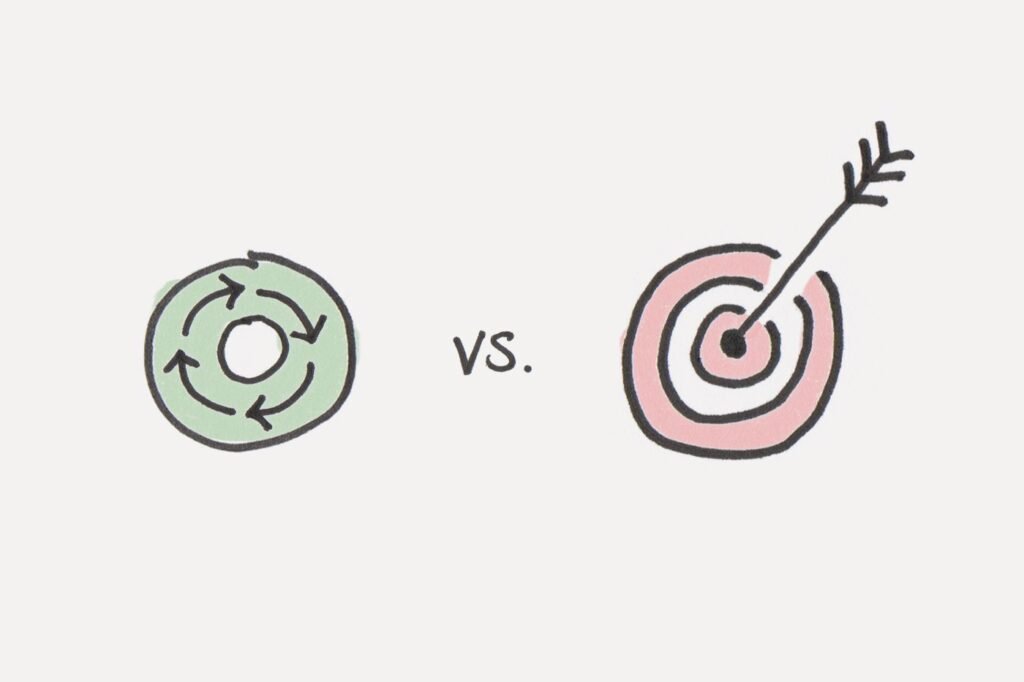
Learn From Setbacks Instead of Fearing Them
Every meaningful journey includes obstacles.
Successful entrepreneurs experience business failures.
Professional athletes lose competitions.
Scientists conduct experiments that do not produce expected results.
Students sometimes perform below expectations despite careful preparation.
The difference lies in how they respond.
Rather than viewing setbacks as permanent failures, successful people treat them as opportunities to learn.
Each challenge provides valuable information about what can be improved.
This growth mindset, developed through research by psychologist Dr. Carol Dweck, encourages individuals to believe that abilities improve through learning and effort rather than remaining fixed.
People who adopt this perspective are more likely to remain committed to their Motivated during difficult periods.

Surround Yourself With Positive Influences
The environment plays a major role in maintaining motivation.
Supportive friends, family members, mentors, and professional networks can encourage continued progress.
Reading inspiring books, listening to educational podcasts, or following experts who share practical knowledge can also reinforce positive thinking.
At the same time, reducing exposure to constant negativity helps maintain focus.
Comparing personal progress with carefully curated social media posts often creates unnecessary pressure.
Every journey follows its own timeline.
Focusing on personal improvement instead of comparison creates healthier motivation.
Visualize Success While Enjoying the Journey
Visualization is a technique frequently used by athletes, performers, and business leaders.
Imagining future success helps maintain emotional connection to long-term goals.
However, experts recommend balancing visualization with appreciation for the present.
Enjoying daily learning, celebrating meaningful experiences, and recognizing personal growth make the journey itself rewarding.
When people enjoy the process rather than only the destination, they are more likely to remain committed over long periods.

Take Care of Physical and Mental Well-Being
Working toward ambitious Motivated requires energy.
Regular exercise, balanced nutrition, quality sleep, and stress management significantly influence productivity.
Studies published in health and psychology Motivated journals have repeatedly shown that physical activity improves concentration, memory, creativity, and emotional resilience.
Even moderate daily exercise can increase motivation by improving mood through the release of endorphins.
Similarly, adequate sleep supports better decision-making and sustained attention, both essential for achieving long-term goals.
Taking care of health is not separate from success—it is one of its strongest foundations.
Keep Learning Along the Way
Every goal presents opportunities to gain Motivated new knowledge.
Professionals attend workshops.
Students explore additional learning resources.
Entrepreneurs study market trends.
Artists continuously refine their craft.
Lifelong learning keeps motivation fresh because every new skill increases confidence.Instead of focusing only on the final achievement, people begin appreciating how much they have grown throughout the process.
Continuous learning also creates flexibility, allowing individuals to adapt when circumstances change.
Remember Your Purpose
Whenever motivation begins to fade, returning to the original reason behind the goal can be incredibly powerful.
Ask simple questions:
Why did this goal matter in the first place?
Whose life will improve if this goal is achieved?
How will future opportunities change because of today’s efforts?
Purpose creates emotional strength during difficult moments.
People who understand their deeper reasons often remain committed even when progress feels slow.
Purpose transforms ordinary daily tasks into meaningful steps toward a larger vision.
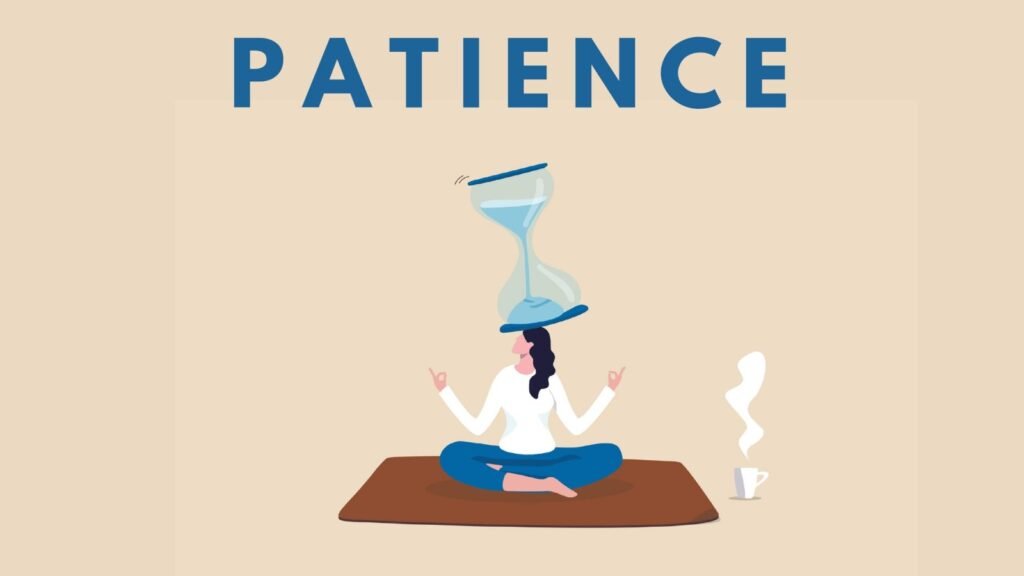
Patience Is Part of Every Success Story
Many of the world’s greatest achievements required years of consistent effort before visible success appeared.
Businesses often take years to become profitable.
Authors sometimes receive multiple rejections before publication.
Researchers spend years solving complex scientific problems.
Elite athletes train for decades before standing on international podiums.
These examples remind us that meaningful Motivated rarely produce instant results.
Patience allows consistent effort to accumulate into extraordinary outcomes.
Success is usually the result of thousands of small actions performed with dedication over time rather than one defining moment.
Stay Flexible Without Losing Sight of Your Goals
Life changes, and sometimes Motivated need to evolve as well.
Unexpected opportunities, changing priorities, or new experiences may require adjustments to original plans.
Flexibility should not be confused with giving up.
People who remain adaptable while staying committed to their core Motivated are often better prepared to overcome unexpected challenges.
Changing the route does not mean abandoning the destination.
Some of the most inspiring success stories began with individuals who adjusted their strategies while continuing to move toward the future they envisioned.
By combining consistent Goal habits, continuous learning, patience, self-belief, and a positive mindset, people can continue making meaningful progress even when Motivated seem distant. Every small action completed today becomes part of tomorrow’s achievement, proving that lasting success is built one determined step at a time.