

A good night’s sleep is one of the most important pillars of overall health, yet millions of people struggle to fall asleep or wake up repeatedly during the night. In today’s fast-paced world, irregular work schedules, excessive screen time, stress, and unhealthy lifestyle habits have made sleep problems increasingly common among people of all age groups.
Occasional difficulty falling asleep is generally not a cause for concern. However, when sleeplessness becomes a regular occurrence, it can affect both physical and mental well-being. Poor Night’s rest can lead to fatigue, irritability, difficulty concentrating, reduced productivity, and lower overall quality of life.
Health experts emphasize that healthy Night’s rest habits, relaxation techniques, and a consistent bedtime routine can significantly improve Night’s rest quality without the need for medication in many cases. According to Healthline, adopting simple lifestyle changes and practicing relaxation methods before bedtime can help the body and mind prepare for restful sleep.
Table of Contents
Here’s a closer look at the reasons behind poor Rest, practical techniques that may help you fall asleep faster, habits to avoid before bedtime, and when persistent Night’s rest problems require medical attention.
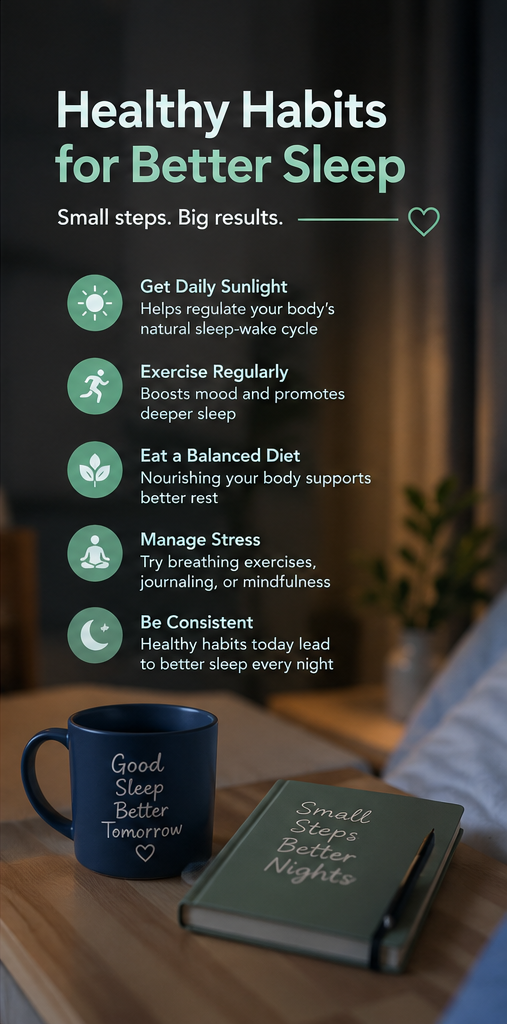
Why Good Night’s rest Is Essential for Overall Health
Rest is not simply a period of rest; it is a crucial biological process that allows the body and brain to recover from the day’s activities.
During Night’s rest, the body repairs tissues, strengthens the immune system, regulates hormones, and supports healthy brain function. Adequate Rest also improves memory, concentration, emotional well-being, and overall physical performance.
On the other hand, poor Night’s rest over an extended period can negatively impact daily life by causing:
- Constant fatigue
- Reduced concentration
- Mood swings and irritability
- Lower productivity
- Difficulty making decisions
- Reduced immunity
These effects highlight why maintaining healthy sleep habits is essential for long-term health.
Common Reasons Why Many People Cannot Sleep at Night
Modern lifestyles have introduced several factors that interfere with natural Night’s rest patterns.
Some of the most common reasons include:
Excessive Screen Time
Using smartphones, laptops, tablets, or watching television late into the night exposes the eyes to blue light, which can interfere with the body’s natural Night’s rest cycle.
Stress and Anxiety
Work pressure, financial concerns, personal responsibilities, and overthinking often make it difficult for the mind to relax before bedtime.
Irregular Night’s rest Schedule
Going to bed and waking up at different times every day disrupts the body’s internal biological clock.
Poor Lifestyle Habits
Lack of physical activity, unhealthy eating habits, and consuming stimulants close to bedtime can all affect Night’s rest quality.
Simple Tricks That Can Help You Fall Asleep Faster
According to Healthline, several relaxation techniques and bedtime habits may improve the chances of falling asleep more quickly.
1. Reduce Light Before Bedtime
Keeping bedroom lights dim before sleeping signals the brain that it is time to rest.
Bright lights, especially from electronic devices, may delay the body’s natural production of melatonin, the hormone responsible for regulating Night’s rest.
Creating a darker sleeping environment may help the body prepare for bedtime naturally.
2. Stay Away From Mobile Phones and Other Screens
One of the most effective habits is avoiding screens before bedtime.
Looking at a mobile phone, laptop, or television shortly before sleeping may keep the brain active and make it harder to fall asleep.
Experts recommend limiting screen exposure before bedtime to help improve sleep quality.
3. Follow a Consistent Night’s rest Schedule
Night’s rest and waking up at the same time every day helps maintain the body’s natural internal clock.
A consistent routine allows the brain to recognize when it is time to Night’s rest and when it is time to wake up.
Even on weekends, maintaining similar Night’s rest timings may help improve overall Rest quality.
4. Practice the 4-7-8 Breathing Technique
One of the simplest relaxation methods recommended by experts is the 4-7-8 breathing technique.
The steps include:
- Inhale slowly through the nose for 4 seconds
- Hold the breath for 7 seconds
- Exhale gently through the mouth for 8 seconds
This controlled breathing exercise may help relax the nervous system and prepare the body for sleep.
5. Try Meditation Before Night’s rest
Meditation encourages mental relaxation and helps reduce racing thoughts that often prevent Night’s rest.
Even a few minutes of quiet breathing or mindfulness before bedtime may help calm the mind.
Many people find meditation useful for reducing bedtime stress and improving overall Night’s rest quality.
6. Progressive Muscle Relaxation
Progressive muscle relaxation is another technique that may help reduce physical tension.
This involves tightening different muscle groups for a few seconds and then gradually relaxing them.
The process allows the body to release tension accumulated during the day, promoting relaxation before Night’s rest.
7. Get Out of Bed if Night’s rest Doesn’t Come
If you remain awake for around 20 minutes after going to bed, experts recommend getting out of bed instead of continuing to lie awake.
Reading a light book or engaging in another calm activity until you begin to feel sleepy may be more helpful than forcing yourself to Night’s rest.
8. Keep the Bedroom Comfortable
A peaceful Rest environment plays an important role in improving Night’s rest quality.
Experts recommend:
- Maintaining a comfortable room temperature
- Reducing unnecessary noise
- Keeping the room dark and quiet
These small environmental adjustments may support better Night’s rest.
9. Exercise Regularly During the Day
Regular physical activity supports overall health and may improve Night’s rest quality.
However, experts advise avoiding intense workouts immediately before bedtime, as they may make it harder to fall asleep.
Morning or evening exercise completed well before bedtime may be more beneficial.
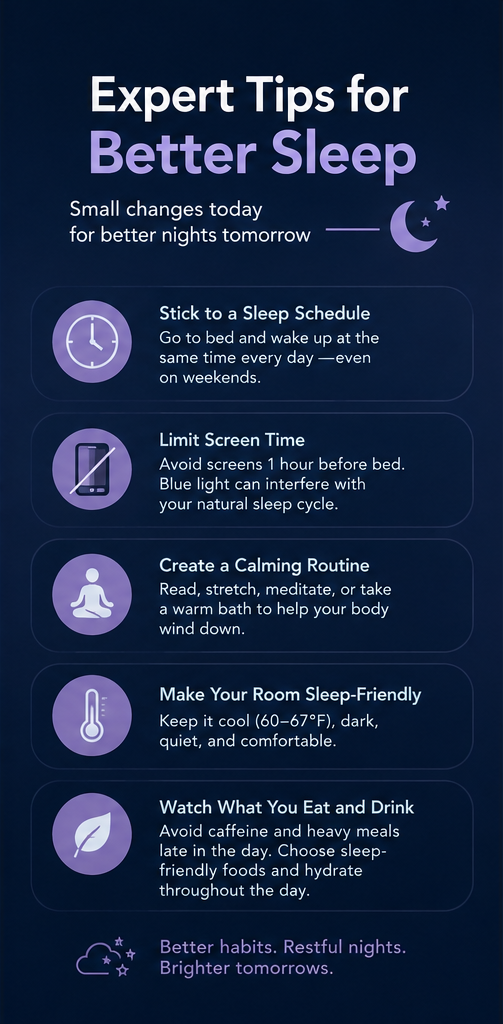
Habits You Should Avoid Before Sleeping
Certain everyday habits may unknowingly interfere with healthy Night’s rest.
Avoid Tea, Coffee, and Caffeinated Drinks
Caffeine is a stimulant that may keep the brain alert for several hours.
Consuming tea, coffee, energy drinks, or other caffeinated beverages close to bedtime may delay Night’s rest.
Avoid Heavy or Spicy Meals at Night
Eating a large or spicy dinner immediately before bedtime may cause discomfort and affect Night’s rest.
A lighter evening meal may help the body relax more comfortably.
Limit Mobile Phone Usage
Scrolling through social media, watching videos, or replying to messages while lying in bed may stimulate the brain and delay Night’s rest.
Creating a screen-free bedtime routine may improve the body’s natural Night’s rest cycle.
Avoid Working Late at Night
Continuing office work or studying late into the night may keep the mind active.
Allowing sufficient time to unwind before sleeping helps prepare the brain for rest.
Reduce Stressful Thinking Before Bed
Constantly thinking about work, personal issues, or future responsibilities may increase mental stress.
Relaxation techniques, meditation, or light reading may help shift attention away from stressful thoughts before bedtime.
When Should You Consult a Doctor?
While occasional Rest problems are common, persistent insomnia should not be ignored.
Medical consultation becomes important if:
- You regularly struggle to fall asleep.
- Sleep breaks repeatedly throughout the night.
- Poor sleep causes fatigue during the day.
- You experience irritability or difficulty concentrating.
- Lack of sleep affects your daily activities.
In addition, professional medical evaluation is recommended if Night’s rest problems occur along with:
- Loud snoring
- Breathlessness during sleep
- Other health-related symptoms
Identifying the underlying cause early may help doctors recommend appropriate treatment and prevent further health complications.
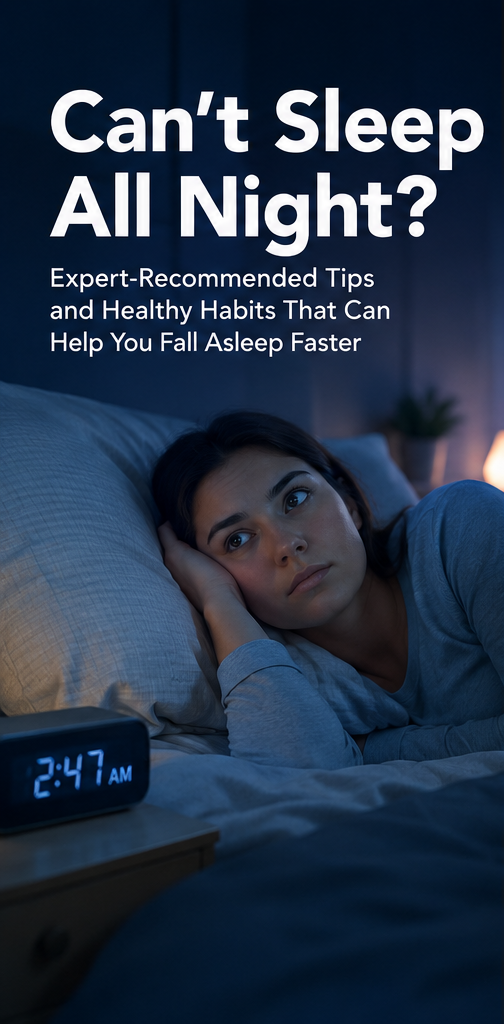
Healthy Night’s rest Starts With Healthy Habits
Good Night’s rest is often the result of consistent daily habits rather than a single solution.
Simple lifestyle changes—such as maintaining a regular bedtime, reducing screen time, practicing relaxation exercises, exercising regularly, and avoiding caffeine before bed—may significantly improve Rest quality for many people.
Experts emphasize that creating a calm bedtime routine allows both the body and mind to relax naturally, making it easier to fall asleep and wake up feeling refreshed.
Difficulty sleeping has become increasingly common due to modern lifestyles, work-related stress, excessive screen exposure, and irregular daily routines. Although occasional sleeplessness may not indicate a serious problem, persistent Night’s rest difficulties can negatively affect physical health, mental well-being, and overall quality of life.
According to Healthline, adopting healthy bedtime habits such as following a consistent Night’s rest schedule, limiting screen exposure, practicing the 4-7-8 breathing technique, trying meditation or progressive muscle relaxation, and creating a comfortable sleeping environment may help improve Night’s rest naturally. Avoiding caffeine, heavy meals, late-night work, and excessive mobile phone use before bedtime can also support better sleep.
If Night’s rest problems continue for a prolonged period or are accompanied by symptoms such as loud snoring, breathlessness, or persistent daytime fatigue, seeking medical advice is important. Timely evaluation can help identify the underlying cause and ensure appropriate treatment, allowing individuals to enjoy healthier, more restful Night’s rest.