Blood sugar management is often associated with food choices, exercise and medication, But what people drink can also make a meaningful difference in blood sugar management. Beverages can contain significant amounts of added sugar and carbohydrates, sometimes without making people feel as full as a solid meal. Regular consumption of sugary drinks has been associated with weight gain and an increased risk of conditions including type 2 diabetes and heart disease.
That has led to growing interest in simple homemade drinks that can be included in a balanced diet. However, calling any beverage a “magic drink” that controls blood sugar would be misleading. No homemade drink should replace prescribed diabetes treatment or proper blood sugar monitoring, a balanced diet or medical advice, a balanced diet or medical advice.
Instead, the more practical approach is to choose beverages that contain little or no added sugar. The US Centers for Disease Control and Prevention (CDC) recommends water, sparkling water and unsweetened coffee or tea as healthier beverage choices, while Diabetes UK also identifies water and unsweetened tea and coffee among suitable options for people living with diabetes.
Here are five simple options that can make a diabetes-conscious beverage routine easier.
Table of Contents
1. Plain Water: The Simplest Choice
Water may not sound exciting, but it remains one of the best beverage choices for everyday hydration and blood sugar-conscious diets.
Plain water contains no added sugar and no calories. Replacing sugary drinks with water can reduce the amount of added sugar a person consumes. The CDC specifically recommends choosing water instead of sugar-sweetened beverages.
Easy at-home recipe
The simplest version requires nothing more than clean drinking water.
For people who prefer flavour, the CDC suggests adding ingredients such as berries to water. A person can also add slices of lemon, cucumber or mint for flavour without turning the drink into a sugar-loaded beverage.
The important point is to avoid adding sugar, honey or sweetened syrups simply to make the drink more appealing.
Water is particularly useful with meals because it does not add the carbohydrates found in many sweetened beverages.
2. Unsweetened Lemon Water
Lemon water can be an easy alternative for people who find plain water boring.
The basic recipe is simple: add a few slices or a small amount of fresh lemon juice to water. There is no need to add sugar.
The benefit here is primarily the replacement of a sugary drink with a low-calorie, unsweetened alternative—not a special blood-sugar-lowering effect from lemon itself.
This distinction is important because social media often presents lemon water as a remedy capable of dramatically lowering glucose. Such claims should be treated cautiously.
How to make it
Add fresh lemon slices or a small amount of lemon juice to a glass or bottle of water. Serve chilled or at room temperature according to preference.
Avoid turning it into lemonade by adding sugar, honey or sweetened concentrates.
3. Unsweetened Tea
Tea can be another practical option when prepared without added sugar.
The CDC lists unsweetened coffee and tea among healthier beverage choices. Diabetes UK similarly includes unsweetened tea and coffee among drinks suitable for people with diabetes.
Black tea, green tea and several herbal teas can be consumed without sugar. However, it is important to distinguish unsweetened tea from packaged bottled teas or restaurant-style tea drinks, which can contain considerable amounts of added sugar.
Easy preparation
Steep a tea bag or loose tea leaves in hot water and allow the drink to reach the desired strength. Let it cool if an iced drink is preferred.
For flavour, people can experiment with ingredients such as lemon, mint or spices without adding sugar.
The key is the word unsweetened.
If someone normally drinks several cups of sweetened tea each day, gradually reducing the amount of sugar may be a more realistic approach than making an abrupt change.
4. Unsweetened Coffee
For people who already enjoy coffee, an unsweetened version can fit into a healthy beverage routine.
Plain coffee is considered a low-calorie beverage when it is consumed without added sugar and high-calorie additions. The CDC includes plain coffee among low- or no-calorie beverage choices.
The problem often arises from what is added to coffee.
Large quantities of sugar, flavoured syrups, sweetened creamers and dessert-style toppings can substantially change the nutritional profile of a drink. The CDC also warns that coffee drinks can contain surprisingly high amounts of added sugar.
A simple homemade version
Prepare regular coffee with water and avoid adding sugar or sweetened syrups.
If milk is used, choose an amount appropriate for the person’s overall eating plan and consider unsweetened options.
Coffee is not a treatment for diabetes, and people who notice that caffeine affects their blood sugar, sleep or other health concerns should discuss their individual situation with a healthcare professional.
5. Sparkling Water With Natural Flavour
Sparkling water can be useful for people who miss the fizzy sensation of soft drinks.
The CDC lists sparkling water, seltzers and some sugar-free flavoured waters among low-calorie beverage choices.
A homemade version can be made with plain sparkling water and natural flavouring.
Easy recipe
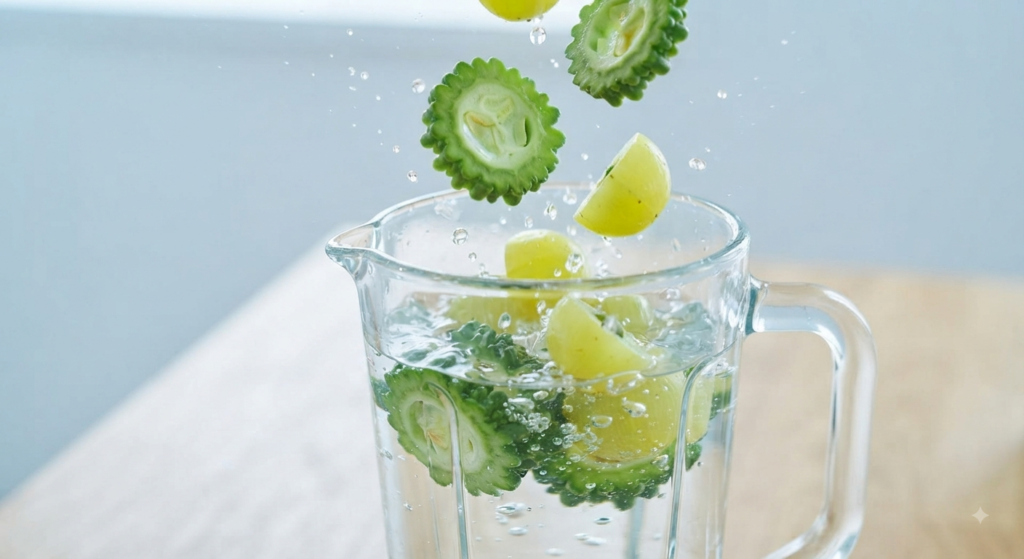
Pour plain sparkling water into a glass and add lemon, lime, cucumber, mint or a few berries for flavour.
There is no need to add sugar.
However, consumers should check labels on commercially flavoured drinks because not every product marketed as a “healthy” or “natural” beverage is necessarily low in added sugar.
Why Sugary Drinks Can Be a Problem
One of the most useful lessons from current nutrition guidance is that beverage choices can quietly increase sugar intake.
Regular soda, sweetened tea, sweetened coffee, energy drinks and many other sweetened beverages can contain substantial amounts of added sugar. The CDC notes that frequently consuming sugar-sweetened beverages is associated with several health risks, including type 2 diabetes and heart disease.
Unlike a balanced meal, a sugary drink may provide considerable sugar without providing the same level of fullness.
That means someone can consume a significant amount of sugar through beverages while still feeling hungry afterwards.
Replacing even some sugary beverages with water or unsweetened alternatives can therefore be a practical dietary change.
What About Fruit Juice?
Fruit juice is sometimes promoted as a naturally healthy alternative to soda, but “natural” does not automatically mean suitable for unlimited consumption.
Diabetes UK includes fruit juices and smoothies among beverages that contribute to fluid intake, but they still need to be considered as part of the overall diet. The CDC also recommends that 100% fruit or vegetable juice be consumed in limited amounts.
Whole fruit is generally a different nutritional proposition because it contains fibre and requires chewing, while juice can be consumed quickly.
For someone trying to manage blood sugar, replacing sugary beverages with plain water or unsweetened tea is generally a simpler strategy than assuming that large quantities of fruit juice are harmless.
Drinks That Should Not Be Marketed as “Magic” Blood Sugar Remedies
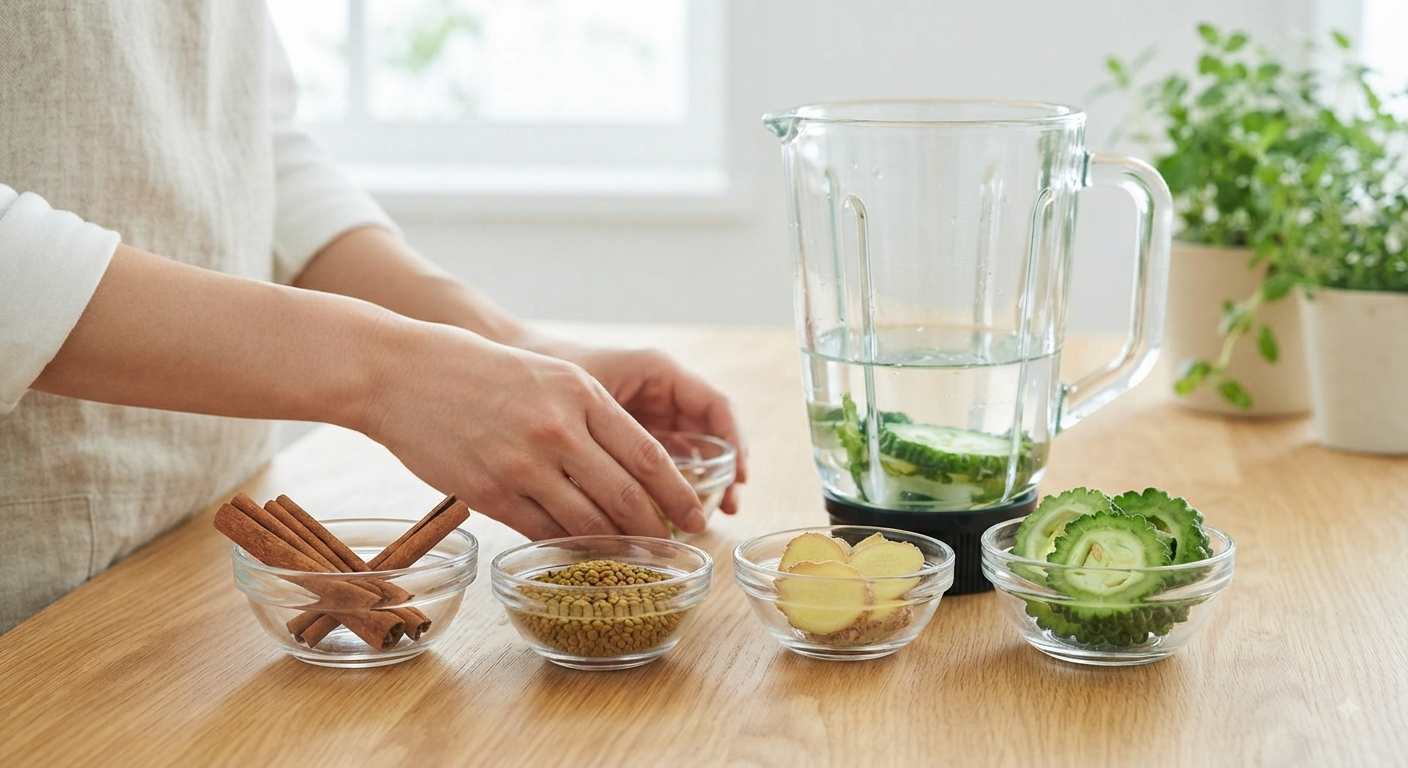
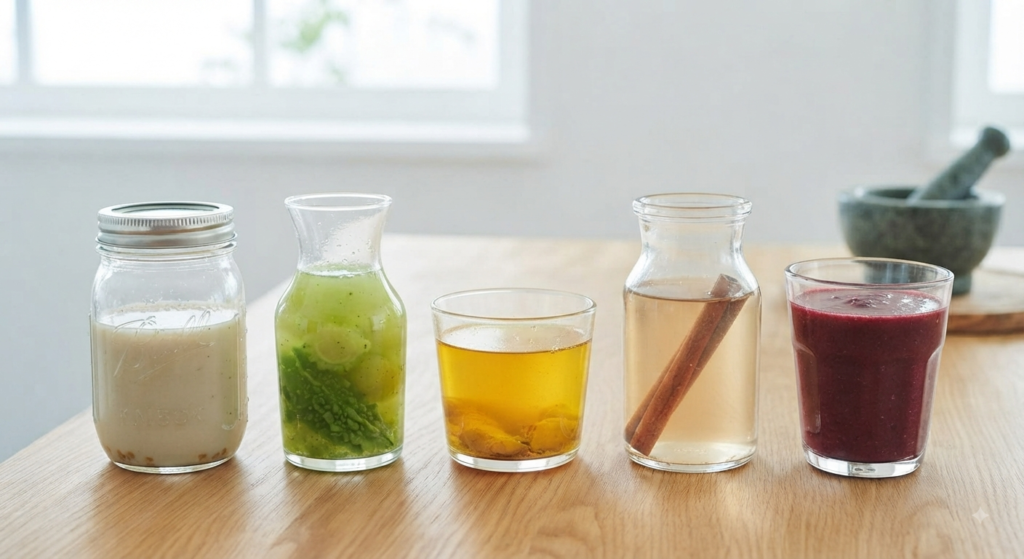
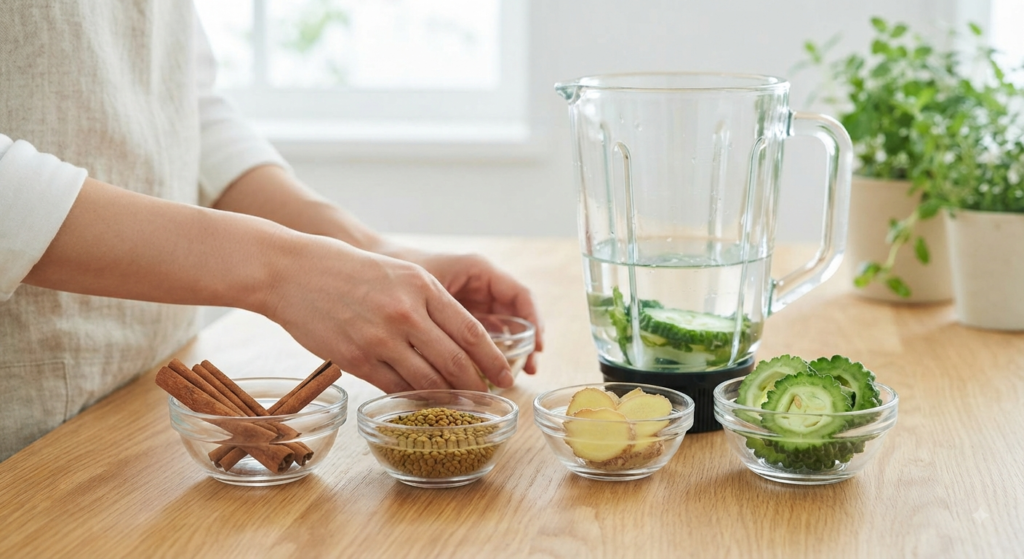
Many homemade recipes circulating online contain ingredients such as cinnamon, apple cider vinegar, bitter herbs or other plant products and claim to dramatically lower blood glucose.
Such claims should not be presented as established medical facts.
A beverage may be part of a healthy eating pattern, but that does not mean it can independently treat diabetes.
People taking diabetes medication should be especially careful about making major dietary changes based on social-media claims. Blood glucose management is individual, and treatment plans may involve medication, food choices, physical activity and regular monitoring.
What About “Sugar-Free” Drinks?
Sugar-free does not necessarily mean that a beverage is automatically the best choice.
Some sugar-free drinks can help reduce added sugar intake, but water remains the simplest everyday option. The CDC recommends water and unsweetened beverages as healthier choices and advises people to be aware of hidden sugars in drinks.
Reading the nutrition label is therefore useful.
Look for:
- Added sugars
- Total carbohydrates
- Serving size
- Sweetened syrups
- Flavoured creamers
- Juice concentrates
A product may appear to be a single serving when the bottle actually contains multiple servings.
A Simple Daily Beverage Strategy
Rather than searching for one special drink, people can build a simple beverage routine.
For example, water can be the main drink throughout the day. Unsweetened tea or coffee can be used when someone wants a hot or flavoured beverage, while sparkling water can provide an alternative to fizzy soft drinks.
The objective is not to make every drink complicated.
In fact, the most sustainable strategy may be the opposite: make healthier choices easier and sugary drinks less frequent.
Blood Sugar Management Requires More Than Drinks
Beverages are only one part of diabetes management.
A person’s overall eating pattern, physical activity, medication when prescribed, sleep, stress and other health factors can all influence blood glucose.
The CDC’s diabetes meal-planning guidance recommends building balanced meals and choosing water or a low-calorie beverage such as unsweetened iced tea with meals.
This means a healthy beverage cannot compensate for an otherwise unbalanced diet.
Likewise, someone should not stop prescribed medication because they have started drinking water, tea or another homemade beverage.
The Bottom Line
There is no scientifically proven “magic drink” that can independently control or cure high blood sugar.
The more evidence-based message is much simpler: choose beverages with little or no added sugar and make water the everyday default whenever possible.
Plain water, unsweetened lemon water, unsweetened tea, unsweetened coffee and naturally flavoured sparkling water can all be practical at-home choices. The CDC and Diabetes UK both support water and unsweetened tea or coffee as appropriate beverage options, while the CDC recommends limiting sugar-sweetened drinks because of their association with important health risks.
For people living with diabetes or concerned about blood sugar, the most important step is not finding a miracle recipe. It is developing a consistent, sustainable routine that combines appropriate food choices, physical activity, medical care and regular monitoring when recommended.
Anyone with diabetes, prediabetes or unexplained blood-sugar changes should discuss individual dietary and treatment decisions with a qualified healthcare professional rather than relying on internet remedies alone.