Gooseberries, particularly the Indian gooseberry or amla, have long been valued in Indian food traditions for their distinctive tart flavour and nutritional profile. Rich in vitamin C and containing a variety of plant compounds, amla can be incorporated into everyday meals and drinks in several simple ways. Research has also examined its antioxidant properties and possible effects on markers related to cardiovascular and metabolic health, although more large-scale human studies are needed before making strong health claims.
For people looking to make their morning beverage routine more interesting, gooseberry-based drinks can offer a refreshing alternative to heavily sweetened beverages. The key is to keep recipes simple and avoid adding excessive sugar.
Here are four easy drinks that can be prepared at home using fresh Indian gooseberries.
Table of Contents
Why Gooseberries Are Gaining Attention
Indian gooseberries, commonly known as amla, is the fruit of Phyllanthus emblica. It has a sharp, sour and slightly astringent taste, which makes it particularly well suited to drinks when combined with water and other naturally flavourful ingredients.

Gooseberries contains vitamin C and various polyphenols and other bioactive compounds. A scientific review has highlighted its nutritional composition and antioxidant properties, while clinical research has investigated potential effects on vascular function, cholesterol-related markers and oxidative stress.
However, it is important not to describe amla drinks as a cure for disease or as a replacement for medical treatment. Their biggest practical advantage is that they can be a convenient way to include a nutrient-rich fruit in a balanced diet.
1. Classic Amla Water
The simplest option is also one of the easiest to prepare.
Ingredients
- 1–2 fresh amla fruits
- 1 glass of drinking water
- A few mint leaves, optional
- A small squeeze of lemon, optional
How to prepare
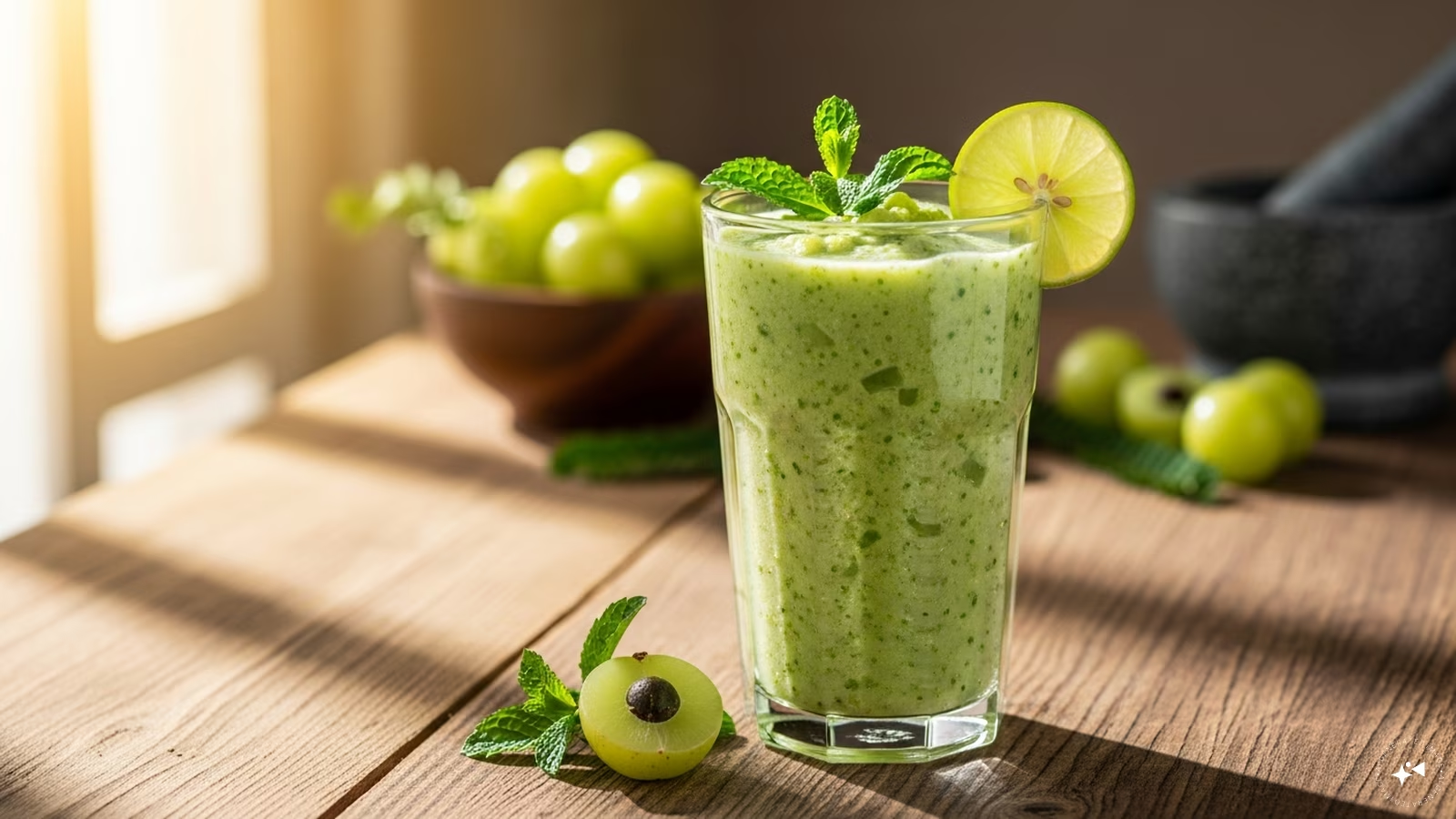
Wash the amla thoroughly and remove the seed. Cut the fruit into small pieces and blend it with water. Strain the mixture if you prefer a smoother drink.
Pour it into a glass and add a few mint leaves for freshness. Because amla is naturally quite sour, there is usually no need to add a large amount of sweetener.
If you want to reduce the sharpness, simply dilute the drink with additional water.
Why it works as a morning drink
Amla water is light, simple and hydrating. The fruit contributes vitamin C and plant compounds, while water provides the hydration needed to start the day.
The drink should be viewed as a nutritious beverage rather than a medicinal remedy.
2. Amla-Mint Cooler
For people who find plain amla water too tart, mint can provide a refreshing twist.
Ingredients
- 1 fresh Gooseberries
- 1 glass of chilled water
- 5–6 fresh mint leaves
- A small piece of cucumber
- Ice, optional
Preparation
Wash the ingredients thoroughly. Remove the amla seed and cut the fruit into pieces.
Blend the amla, cucumber, mint and water until combined. Strain if desired and serve chilled.
The cucumber and mint help create a lighter flavour profile, while the amla provides the drink’s characteristic tang.
Keep the recipe low in added sugar
There is little nutritional reason to turn a healthy homemade drink into a sugary beverage. If the tartness is too strong, adding more water or cucumber is a better first step than adding several teaspoons of sugar.
For people who regularly consume sweetened drinks, gradually reducing sweetness can also help make naturally tart flavours easier to enjoy.
3. Amla-Ginger Morning Drink
Amla can also be paired with a small amount of fresh ginger for a more pronounced flavour.
Ingredients
- 1 fresh amla
- A small piece of fresh ginger
- 1 glass of water
- A few mint leaves, optional
Method
Wash the amla and ginger carefully. Remove the amla seed and cut the fruit into pieces.
Blend both ingredients with water. Strain the drink if you prefer a clear texture.
The resulting beverage has a combination of sourness from amla and mild warmth from ginger.
A simple way to enjoy it
This drink does not need to be consumed in large quantities to be part of a balanced diet. A small homemade serving can accompany breakfast or simply be enjoyed as a refreshing beverage.
People who experience acidity or stomach discomfort from sour foods should be cautious and choose a milder preparation.
4. Amla-Coconut Water Refresher
For a naturally flavoured variation, amla can be combined with coconut water.
Ingredients
- 1 fresh amla
- 1 glass of plain coconut water
- A few mint leaves
- Ice, optional
How to make it
Remove the seed from the amla and cut the fruit into small pieces. Blend it with a small amount of coconut water.
Add the mixture to the remaining coconut water and stir well. Add mint and ice if desired.
Because coconut water already contains naturally occurring sugars and carbohydrates, there is no need to add additional sugar or syrup.
This drink can be particularly appealing to people who prefer a milder flavour than straight amla water.
Amla’s Nutritional Appeal
The nutritional interest surrounding amla comes largely from its vitamin C content and its variety of plant compounds.
Scientific reviews describe amla as a source of polyphenols, tannins and other bioactive substances. These compounds have been studied for antioxidant and other biological activities.
Antioxidants are substances that help protect cells from oxidative damage. However, the presence of antioxidants in a food does not mean that consuming that food will automatically prevent a particular disease.
That distinction is important when discussing so-called “superfoods.”
Gooseberries can be a nutritious addition to a varied diet, but overall dietary patterns matter much more than one individual food or drink.
What Human Research Says About Amla
Research into Gooseberries is continuing.
One small randomized, double-blind, crossover study involving healthy adults examined daily Gooseberries supplementation over 18 weeks. Researchers reported improvements in some vascular and lipid-related measures and markers associated with oxidative stress, while the study did not observe significant safety problems during the trial.
However, the study was small, with only 15 participants. That means its findings should not be interpreted as proof that drinking homemade amla beverages will produce the same effects in everyone.
A recent medical review similarly notes that evidence is more limited for many of the broader health claims associated with emblica supplementation.
Therefore, it is more accurate to describe these drinks as nutritious food choices rather than treatments.
Fresh Amla vs Sweetened Amla Products
The way gooseberries are consumed matters.
Fresh Gooseberries blended with water is very different from a commercially prepared Gooseberries beverage containing added sugar.
Some processed products can contain sweeteners, syrups or concentrated fruit ingredients. Consumers should therefore check nutrition labels when purchasing ready-made drinks.
A homemade drink gives people greater control over the ingredients.
For a healthier everyday option, the basic formula is simple:
Fresh amla + water + natural flavouring = a simple homemade drink.
Should You Add Honey or Sugar?
Amla’s natural sourness can make sweetening tempting.
However, honey is still a source of sugar, and adding large quantities can substantially increase the drink’s overall sugar content.
If sweetness is necessary, using a small amount is preferable to turning the beverage into a dessert-like drink.
People watching their blood glucose or overall sugar intake should be especially mindful of sweeteners and portion sizes.
Who Should Be Careful?
Although Gooseberries is commonly consumed as a food, concentrated supplements and medicinal quantities are a different matter.
People with medical conditions or those taking regular medicines should discuss significant dietary or supplement changes with a healthcare professional. Evidence on amla supplementation is not equally strong for every claimed health benefit, and medication interactions can be relevant.
People who experience acidity or stomach discomfort from sour foods may also prefer diluted preparations or consume amla alongside food rather than having a concentrated drink.
The goal should be moderation rather than treating amla as a miracle ingredient.
How to Make Your Morning Drink Healthier
A healthy morning beverage does not need to be complicated.
A few simple habits can make a difference:
- Keep added sugar low.
- Use fresh ingredients where possible.
- Drink enough plain water throughout the day.
- Pair a fruit-based drink with a balanced breakfast.
- Avoid relying on one drink for supposed medical benefits.
- Check labels on packaged beverages.
- Treat homemade drinks as part of an overall healthy eating pattern.
The most useful feature of these recipes may simply be that they make nutritious ingredients easier to include in everyday meals.
The Bottom Line
Gooseberries, especially Indian Gooseberries or amla, can add a distinctive flavour and useful nutrients to homemade morning drinks. Its vitamin C and plant-compound content has made it the subject of nutritional and clinical research, although evidence does not support presenting amla beverages as miracle treatments.
Classic amla water, an amla-mint cooler, an amla-ginger drink and an amla-coconut water refresher are four simple ways to enjoy the fruit.
The healthiest approach is to keep the recipes lightly sweetened or unsweetened, use reasonable portions and remember that no single beverage can replace a balanced diet or appropriate medical care.