
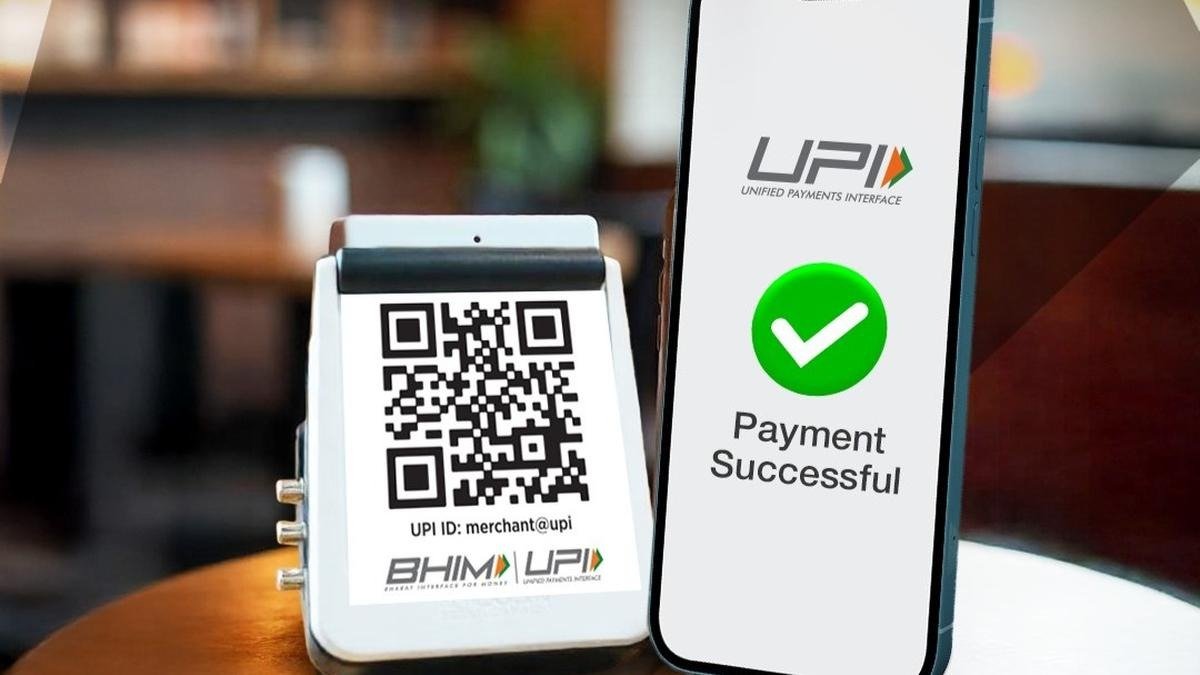
India’s Unified Payments Interface (UPI) has transformed the way millions of people pay for goods and services, making digital transactions quick, secure, and free for users. However, a newly proposed amendment introduced by the Central Government has sparked widespread discussion over whether UPI payments could become chargeable in the future.
The concern arose after Finance Minister Nirmala Sitharaman introduced the Taxation and Other Laws (Amendment) Bill, 2026 in the Lok Sabha on August 4. While the proposed legislation does not immediately impose any charges on UPI transactions, it seeks to amend an important provision of the Payment and Settlement Systems Act, 2007, giving the government greater flexibility to determine whether certain digital payment systems should continue enjoying exemptions from Merchant Discount Rate (MDR).
The development has triggered confusion among consumers, businesses, and digital payment companies alike. Here’s a detailed look at what the proposed amendment means, why it has been introduced, and whether ordinary UPI users should be worried.
Table of Contents
Government Proposes Changes to Digital Payment Rules
The Taxation and Other Laws (Amendment) Bill, 2026 contains several legal amendments across different sectors. One of the most discussed proposals is the amendment to Section 10A of the Payment and Settlement Systems Act, 2007, which currently prevents banks and payment service providers from charging Merchant Discount Rate (MDR) on specified digital payment methods, including UPI and RuPay debit card transactions.
If Parliament approves the amendment, the existing legal restriction on imposing MDR would be removed. Instead of the law permanently exempting specific payment systems, the Central Government would gain the authority to decide through official notifications which digital payment methods remain exempt and which could attract MDR in the future.
Importantly, the amendment itself does not introduce any charge on UPI transactions. It merely changes the legal framework under which future decisions regarding MDR can be made.
What Exactly is Merchant Discount Rate (MDR)?
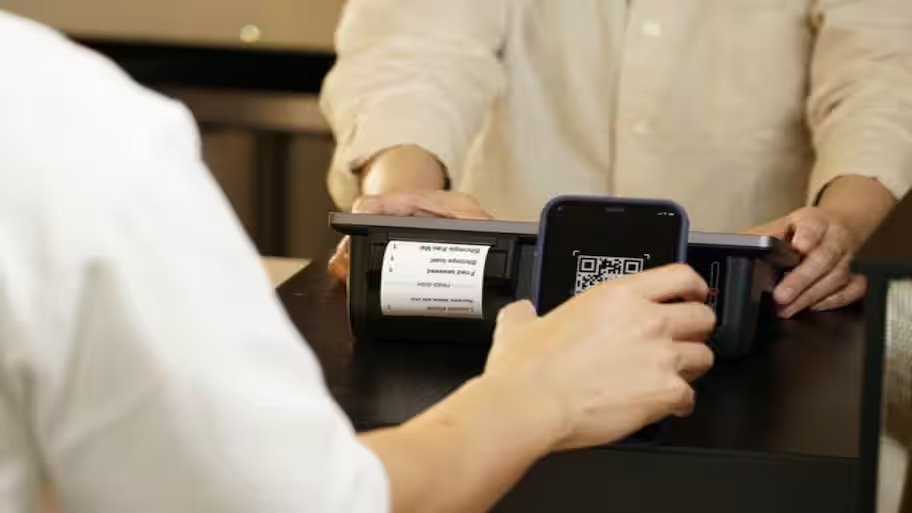
Merchant Discount Rate, commonly known as MDR, is a fee charged for processing digital payment transactions.
Whenever a customer makes a digital payment using cards or certain electronic payment systems, merchants usually pay a small percentage of the transaction amount to banks, payment gateways, acquiring institutions, and payment network operators for facilitating the payment.
This fee helps cover expenses related to:
- Payment processing infrastructure
- Banking network operations
- Fraud detection systems
- Cybersecurity measures
- Server maintenance
- Settlement and reconciliation services
One of the biggest misconceptions surrounding the current debate is that MDR is a direct charge on consumers.
In reality, MDR is primarily a merchant-side fee. Customers do not see this charge deducted from their bank accounts while making UPI payments.

Why Was MDR Removed from UPI?
When the government removed MDR on UPI transactions in January 2020, the objective was straightforward: encourage digital payments across India.
The move came at a time when the government was actively promoting a cashless economy and increasing financial inclusion. Eliminating transaction costs encouraged businesses—especially small retailers—and consumers to adopt UPI rapidly.
The strategy proved remarkably successful.
Today, UPI has evolved into one of the world’s largest real-time digital payment systems. Every month, billions of transactions worth several lakh crore rupees are processed through the platform, making India a global leader in digital payments.
The zero-MDR policy played a major role in:
- Increasing merchant acceptance
- Boosting consumer confidence
- Expanding digital financial inclusion
- Supporting small businesses
- Accelerating fintech innovation
Why is the Government Reconsidering MDR Rules?
Although consumers benefited from free digital payments, payment companies and financial institutions faced growing challenges.
Banks, payment service providers, fintech companies, and the National Payments Corporation of India (NPCI) continue to invest heavily in maintaining the country’s digital payments infrastructure.
Their responsibilities include:
- Expanding server capacity
- Preventing cyberattacks
- Upgrading payment infrastructure
- Reducing transaction failures
- Improving transaction speed
- Ensuring uninterrupted services
Unlike traditional card transactions, UPI currently generates little or no MDR revenue because of the government’s zero-MDR policy.
To support the ecosystem, the government has periodically provided financial incentives to payment service providers.
However, industry stakeholders have argued that these incentives are insufficient to sustain long-term infrastructure growth.
Parliamentary Committee Raises Sustainability Concerns
The debate over MDR gained further attention after the Parliamentary Standing Committee on Finance examined the economics of India’s digital payment ecosystem.
According to the committee, the government’s proposed ₹2,000 crore incentive scheme for 2026–27 covers only a small portion of the industry’s actual operational costs.
The committee observed that maintaining a completely zero-MDR model indefinitely may become financially challenging.
Digital payment companies require consistent investment to manage:
- Rapid transaction growth
- Advanced cybersecurity threats
- Cloud infrastructure
- Technology upgrades
- Fraud monitoring systems
- Customer support networks
Without sustainable revenue sources, the committee suggested that long-term investment in payment infrastructure could become difficult.

Will UPI Users Have to Pay for Transactions Now?
The simple answer is No.
Despite widespread speculation, the proposed amendment does not impose any immediate charge on UPI transactions.
Even if the Taxation and Other Laws (Amendment) Bill, 2026 is passed by Parliament, no MDR will automatically apply.
Before any charge can be introduced, the government would have to issue a separate official notification clearly specifying:
- Which payment systems will attract MDR
- The types of transactions covered
- Applicable rates
- Effective implementation dates
- Exemptions, if any
As of now, no such notification has been issued, and there is no official announcement introducing MDR on UPI payments.
Consumers can therefore continue using UPI as they currently do.
If MDR Returns, Who Will Actually Pay?
Another important aspect of the debate concerns who bears the cost.
MDR is generally paid by merchants rather than customers.
If MDR is reintroduced for UPI in the future, merchants accepting digital payments would likely be responsible for paying the transaction fee to banks and payment service providers.
Businesses would then have several options:
- Absorb the additional cost themselves.
- Increase product prices slightly.
- Reduce promotional discounts.
- Introduce minimum purchase limits for digital payments.
Large retail chains may be able to absorb these expenses more easily due to higher sales volumes.
However, small businesses, neighbourhood shops, local vendors, and micro-enterprises could face greater financial pressure because of thinner profit margins.
Possible Impact on Consumers
Although customers would not directly pay MDR, they could experience indirect effects.
Businesses facing higher operating costs may choose to:
- Increase retail prices.
- Reduce cashback offers.
- Limit promotional discounts.
- Encourage cash payments for smaller purchases.
- Set minimum billing amounts for digital transactions.
Such changes could influence consumer behaviour, particularly if digital payments become relatively more expensive for merchants.
However, experts believe that any future MDR policy would likely attempt to balance industry sustainability with consumer convenience.
Impact on India’s Digital Payment Growth
India’s digital payments revolution has been driven by affordability, accessibility, and ease of use.
UPI’s free transaction model has encouraged millions of users—from urban professionals to rural consumers—to embrace cashless payments.
If merchants face significantly higher transaction costs in the future, some experts believe smaller businesses could reconsider accepting digital payments for low-value transactions.
Possible consequences may include:
- Greater reliance on cash for small purchases.
- Reduced digital payment acceptance among micro-businesses.
- Slower expansion of digital payments in certain sectors.
- Changes in merchant pricing strategies.
At the same time, payment companies argue that sustainable revenue is essential to continue improving network reliability, security, and innovation.
Maintaining one of the world’s busiest payment systems requires continuous investment in technology and infrastructure.
Why the Proposed Amendment Matters
The proposed legal amendment represents a significant policy shift rather than an immediate financial burden.
Instead of permanently guaranteeing MDR exemptions through legislation, the government wants the flexibility to modify digital payment rules based on evolving market conditions.
Supporters believe this approach allows policymakers to respond to future technological and economic developments more effectively.
Critics, however, argue that any future charges—if implemented—could reduce the attractiveness of digital payments, particularly among small merchants and low-income users.
The final outcome will depend on future government decisions and notifications, not merely the passage of the amendment.
The Taxation and Other Laws (Amendment) Bill, 2026 is still part of the legislative process. Parliament must debate and pass the bill before it becomes law.
Even after that, any change regarding Merchant Discount Rate would require a separate government notification detailing the scope, rate, exemptions, and implementation framework.
For now, there is no change in the way consumers use UPI. Payments remain free for users, and merchants continue operating under the existing zero-MDR regime.
The proposed amendment should therefore be viewed as a policy framework that grants the government greater regulatory flexibility rather than an immediate decision to charge UPI users.
As India’s digital economy continues expanding at an unprecedented pace, policymakers face the challenge of balancing three important objectives: ensuring the long-term sustainability of payment infrastructure, supporting innovation in the fintech ecosystem, and preserving the affordability and convenience that have made UPI one of the most successful digital payment platforms in the world.