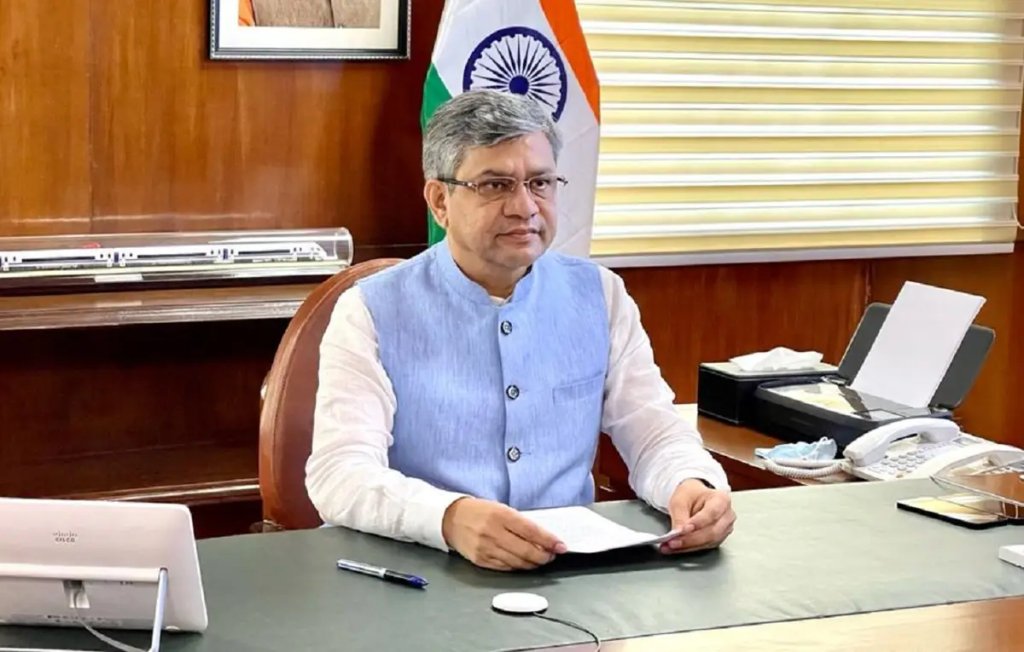
New Delhi, In a decisive push to modernize one of the world’s largest railway networks, Ashwini Vaishnaw recently chaired a high-level review meeting at Rail Bhawan, bringing together senior officials of Indian Railways. The meeting was not just a routine assessment—it signaled a clear shift toward a more passenger-centric, efficient, and future-ready railway system.
At its core, the discussion revolved around three pillars: improving passenger experience, strengthening safety measures, and accelerating infrastructure development. What stood out, however, was the Minister’s emphasis on translating policy into visible, ground-level transformation.
Table of Contents
A Year of Strong Performance: Setting the Stage
Before outlining future goals, Vaishnaw acknowledged the significant progress made by Indian Railways over the past year. The system has recorded a historic decline in rail accidents—an achievement that reflects sustained investments in track maintenance, signaling upgrades, and safety protocols.
Freight loading has also reached record levels, underlining the railway’s growing importance as the backbone of India’s logistics economy. During peak festive seasons, the seamless operation of special trains ensured that millions of passengers could travel without major disruptions. These improvements have not only enhanced operational efficiency but also strengthened public trust.
This dual success—balancing freight growth with passenger convenience—has been crucial in repositioning Indian Railways as both an economic engine and a public service institution.
Clean Stations, Modern Image: Why First Impressions Matter
One of the most striking points raised during the meeting was the importance of railway stations as the “face” of the entire system. Vaishnaw emphasized that a passenger’s journey begins long before boarding a train—it starts the moment they step into a station.
Cleanliness, therefore, is not just about hygiene; it directly shapes public perception.
Over the past few years, initiatives like mechanized cleaning, waste segregation, and station redevelopment have shown promising results. However, the Minister made it clear that consistency is key. A few well-maintained stations are not enough—there needs to be a uniform standard across urban hubs and rural stops alike.
Officials were directed to ensure:
- Regular monitoring of sanitation systems
- Upgrading waiting areas and restrooms
- Better signage and digital information boards
- Enhanced accessibility for elderly and differently-abled passengers
The goal is simple yet ambitious: every station, regardless of size, should reflect efficiency and modern standards.
Passenger-First Approach: Inclusion at the Core
A major highlight of the meeting was the reaffirmation of a “passenger-first” philosophy. Indian Railways serves millions daily, many of whom belong to economically weaker sections. For them, affordability and comfort are not luxuries—they are necessities.
Vaishnaw stressed that policies must prioritize:
- Affordable travel options
- Comfortable seating and sleeper facilities
- Easy ticket booking systems
- Reduced overcrowding
This inclusive approach recognizes the railway not just as a transport system, but as a social equalizer.
Crowd management, especially during festivals and peak travel seasons, was another key focus area. Overcrowding has long been a challenge, often leading to inconvenience and safety risks. Officials were urged to adopt smarter strategies, including:
- Data-driven scheduling of special trains
- Real-time passenger flow monitoring
- Improved platform management
These measures aim to make travel smoother and more predictable, even during high-demand periods.
Punctuality: The Silent Indicator of Efficiency
While cleanliness and comfort are visible improvements, punctuality remains a silent yet powerful indicator of operational excellence.
The Minister appreciated railway zones that have achieved over 85% on-time performance—a notable milestone given the complexity of managing thousands of trains daily. Factors like track congestion, weather conditions, and technical issues often disrupt schedules, making high punctuality rates even more commendable.
To sustain and improve this performance, the focus will be on:
- Better coordination between zones
- Advanced scheduling systems
- Predictive maintenance to prevent delays
In global benchmarks, punctuality is often the first metric used to evaluate a railway system. By improving in this area, Indian Railways is steadily moving toward international standards.
Tackling Land Challenges with Sensitivity
Infrastructure expansion often faces one major hurdle: land acquisition. Railway projects, especially new lines and station redevelopment, frequently get delayed due to legal and administrative challenges.
During the review, Vaishnaw addressed this issue with a balanced perspective. While emphasizing the need for speed, he also highlighted the importance of sensitivity—particularly when dealing with communities living near railway tracks.
Officials were encouraged to:
- Engage with local communities
- Ensure fair compensation and rehabilitation
- Seek expertise from retired revenue and forest officers
This humane approach acknowledges that development should not come at the cost of livelihoods. Instead, it should aim for solutions that are both efficient and equitable.
A Strategic Shift: Underpasses Over Foot Overbridges
One of the most forward-looking decisions from the meeting was the push to prioritize underpasses (puliyas) over traditional foot overbridges.
At first glance, this may seem like a minor infrastructural tweak, but its implications are significant.
Foot overbridges, while common, are often underutilized due to accessibility issues—especially for elderly passengers, cyclists, and those carrying heavy luggage. Underpasses, on the other hand, offer a more inclusive solution.
The proposed designs will accommodate:
- Pedestrians
- Cyclists
- Two-wheelers
- In some cases, even small vehicles like tractors
Pilot projects are set to be launched across different regions, with designs tailored to both urban and rural needs. In rural areas, for instance, underpasses can double as connectivity routes for local communities, making them far more practical than overbridges.
This shift reflects a deeper understanding of how infrastructure interacts with everyday life.
Efficient Use of Funds: From Allocation to Impact
Another critical aspect discussed was the optimal utilization of funds. Large budgets have been allocated for railway modernization in recent years, but the real challenge lies in ensuring that this money translates into visible improvements.
Vaishnaw emphasized accountability and results-driven execution. Officials were instructed to:
- Avoid delays in project implementation
- Monitor progress closely
- Focus on outcomes rather than just spending targets
This approach aims to bridge the gap between policy announcements and on-ground reality—a challenge that has historically affected large public sector projects.
The Bigger Picture: Toward a World-Class Railway System
The vision outlined during the meeting goes beyond incremental improvements. It is about transforming Indian Railways into a system that can compete with the best in the world.
Globally, modern rail networks are defined by:
- High-speed connectivity
- Seamless passenger experience
- Advanced safety systems
- Integrated digital services
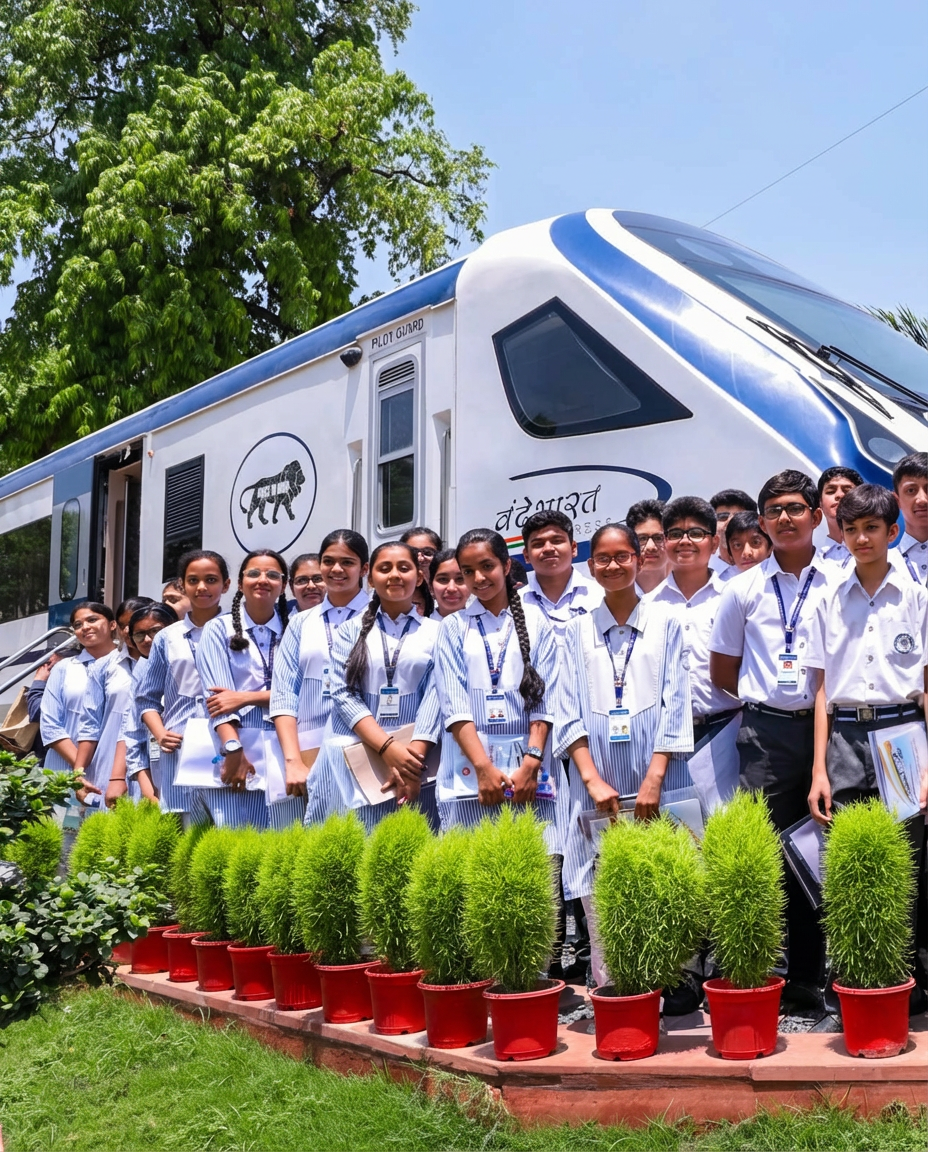
India has already taken steps in this direction with initiatives like Vande Bharat trains, station redevelopment projects, and digital ticketing platforms. The roadmap discussed in this meeting builds on these efforts, aiming to create a cohesive and future-ready ecosystem.