
The Public Provident Fund (PPF) continues to remain one of India’s most popular long-term savings schemes, especially among investors looking for safety, tax benefits, and disciplined wealth creation. Backed by the Government of India, PPF has become a preferred investment option for individuals who want guaranteed returns without taking market-related risks.
However, many investors fail to maximise the benefits of their PPF account because of small mistakes related to deposits, timing, withdrawals, and account management. Financial experts suggest that understanding the rules and following a planned investment strategy can significantly improve the final maturity amount.
Table of Contents
A PPF account comes with a long investment horizon of 15 years, allowing investors to build a substantial corpus through regular contributions and the power of compounding. The scheme also offers tax benefits, with eligible contributions qualifying for deduction under Section 80C and interest earned being exempt from income tax under applicable rules.
Here are five common mistakes investors should avoid while investing in PPF to get maximum benefits.
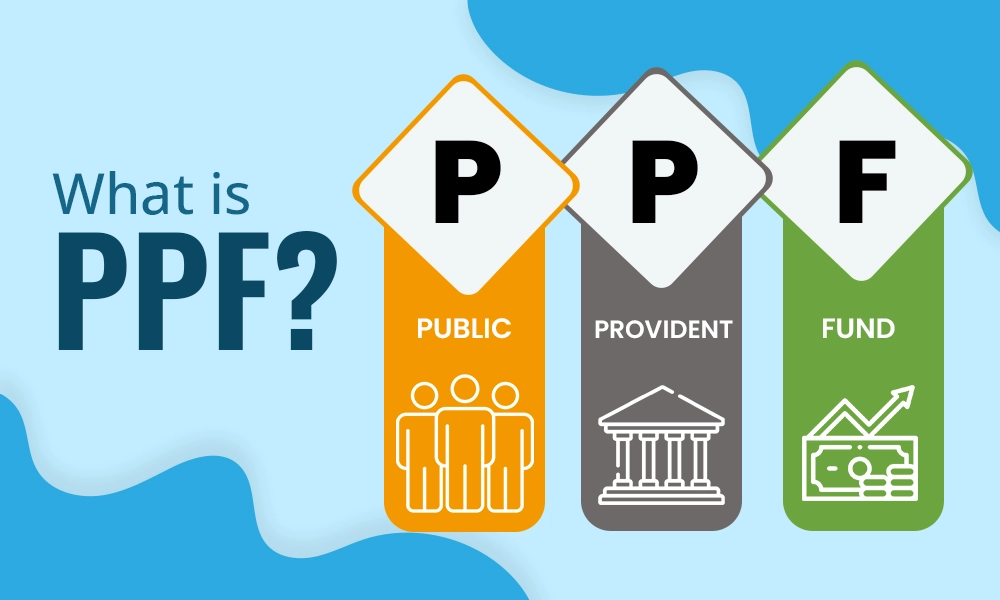
What Is PPF and Why Do Investors Prefer It?
The Public Provident Fund is a government-backed small savings scheme designed to encourage long-term savings among citizens. It is commonly used for retirement planning, children’s education goals, and long-term financial security.
Unlike market-linked investments such as mutual funds or stocks, Public Provident Fund provides stability because returns are linked to government-notified interest rates. The interest rates for small savings schemes, including PPF, are reviewed periodically by the government.
Key features of PPF include:
- Minimum annual deposit: ₹500
- Maximum annual deposit: ₹1.5 lakh
- Lock-in period: 15 years
- Loan facility available during specified years
- Partial withdrawal allowed after completion of certain conditions
- Extension facility available after maturity in blocks of five years
Because of these features, PPF remains attractive for investors who prefer security and tax-efficient savings.
Mistake 1: Depositing Money Without Understanding Interest Calculation
One of the biggest mistakes investors make is depositing money at any random time during the financial year.
Many people invest the entire amount near the end of the financial year, usually in March. While this helps them claim tax benefits, it may reduce the interest benefit compared with investing earlier.
PPF interest calculation is linked to the balance available in the account during the month. Investors who deposit money earlier can potentially allow their funds to earn interest for a longer period.
Financial planners often suggest investing before the beginning of the interest calculation period rather than waiting until the last moment.
For example, instead of depositing ₹1.5 lakh in March, investors may consider investing earlier in the financial year to maximise the earning potential.
Mistake 2: Not Making Regular Contributions
Although PPF allows investors flexibility in deposits, failing to maintain regular contributions can reduce the final maturity amount.
Some investors open a PPF account but do not continue investing consistently. Since PPF works best through long-term compounding, irregular deposits can affect wealth creation.
Experts recommend treating PPF as a disciplined savings commitment rather than a one-time investment.
Even smaller regular contributions can create a significant corpus over 15 years because of the combined effect of yearly deposits and accumulated interest.
Investors should also ensure that the minimum yearly deposit requirement is fulfilled to keep the account active.
Mistake 3: Ignoring the Power of Compounding
Many investors focus only on the annual interest rate and underestimate the importance of compounding.
In Public Provident Fund, interest earned gets added to the account balance, and future interest calculations are based on the increased balance.
For example, an investor who continues contributing for the entire 15-year period can benefit from:
- Regular yearly deposits
- Interest accumulation
- Long-term compounding growth
However, withdrawing money unnecessarily during the investment period can reduce this compounding advantage.
Experts advise investors to consider Public Provident Fund as a long-term wealth-building tool rather than a short-term savings account.
Mistake 4: Making Unplanned Withdrawals
PPF has a long-term structure, and premature withdrawals are restricted under specific rules.
While partial withdrawal facilities are available after completing certain conditions, frequent withdrawals can affect the growth potential of the account.
Investors should carefully evaluate whether they genuinely need to withdraw money or whether another financial option can meet their requirement.
PPF is designed mainly for long-term goals such as:
- Retirement planning
- Children’s education
- Future financial security
- Wealth preservation
Using the account for unnecessary short-term expenses may reduce the benefits of staying invested.
Mistake 5: Not Planning After Public Provident Fund Maturity
Many investors assume that their Public Provident Fund journey ends after 15 years. However, the scheme provides options after maturity.
After completing the maturity period, investors can choose to:
- Withdraw the entire maturity amount
- Extend the account for another five-year block with contributions
- Continue the account without further deposits under applicable rules
Failing to plan after maturity may result in missing opportunities for further tax-efficient growth.
Investors should review their financial goals before deciding whether to withdraw or extend the account.
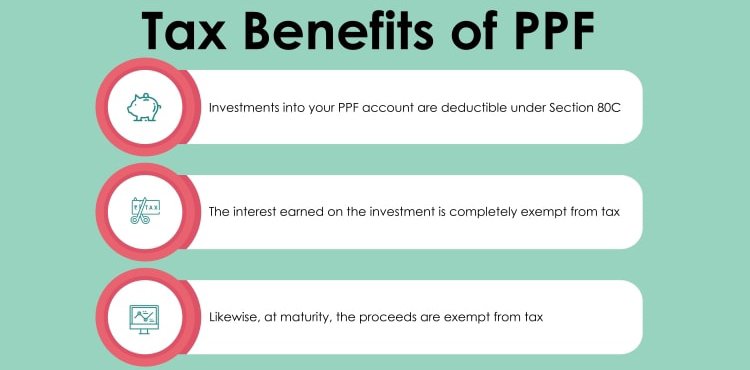
Tax Benefits Make Public Provident Fund Attractive
One of the major reasons behind PPF’s popularity is its tax advantage.
PPF follows a tax-efficient structure where:
- Investment contributions may qualify for deduction under Section 80C
- Interest earned is exempt from income tax
- Maturity proceeds receive tax benefits under applicable provisions
However, investors should understand that tax rules can vary depending on the chosen tax regime and individual circumstances. It is advisable to check current income tax provisions before making financial decisions.
Who Should Invest in PPF?
PPF is generally considered suitable for investors who:
- Prefer safe investment options
- Want long-term savings
- Need tax-efficient investment avenues
- Are building retirement savings
- Do not want market fluctuations
Young investors can particularly benefit because starting early allows more time for compounding.
For example, a person starting PPF investment in their 20s may create multiple maturity cycles before retirement.
PPF vs Other Investment Options
While PPF offers safety and stability, investors should compare it with their overall financial goals.
Different investment options serve different purposes:
PPF
- Government-backed security
- Fixed long-term savings
- Tax benefits
Equity Investments
- Higher growth potential
- Market-linked risks
Fixed Deposits
- Predictable returns
- Different maturity periods
A balanced financial plan may include multiple investment instruments depending on risk preference and goals.
Expert Tips to Maximise PPF Benefits
Financial experts suggest following these strategies:
Start Early
Beginning investments at a young age provides more time for compounding.
Invest Consistently
Regular annual contributions help build financial discipline.

Avoid Unnecessary Withdrawals
Allowing money to remain invested can improve long-term growth.
Track Account Status
Regularly monitor deposits, maturity dates, and account rules.
Plan Tax Investments Early
Do not wait until the last month of the financial year to make investment decisions.
The Public Provident Fund remains one of India’s most trusted long-term savings schemes due to its government backing, tax benefits, and stable returns. However, investors must avoid common mistakes such as delayed deposits, irregular contributions, unnecessary withdrawals, and poor maturity planning.
A well-managed PPF account can become an important part of long-term financial planning. By investing consistently, understanding the rules, and allowing the power of compounding to work, investors can maximise the benefits of this popular savings scheme.
For individuals seeking a secure and disciplined approach to wealth creation, PPF continues to remain a valuable financial tool for building a stronger future.