
The Lok Sabha on Wednesday passed the Public Examinations (Prevention of Unfair Means) Amendment Bill, 2026, marking a significant step in the government’s efforts to strengthen the legal framework against examination-related malpractices, including paper leaks, impersonation, and organized cheating. Approved by a voice vote after two days of intense debate, the legislation amends the Public Examinations (Prevention of Unfair Means) Act, 2024, introducing tougher punishments, faster investigations, and expedited judicial proceedings aimed at restoring confidence in India’s public examination system.
The passage of the Bill comes amid growing public concern over recurring paper leak incidents that have disrupted several major competitive examinations in recent years, affecting millions of students across the country. The amended law seeks to reinforce transparency, accountability, and the credibility of public examinations by introducing stricter enforcement mechanisms while protecting the interests of genuine candidates.
Although the ruling National Democratic Alliance (NDA) and its allies described the legislation as a necessary reform to curb organized examination fraud, Opposition members questioned whether the amendments alone would address the systemic weaknesses that continue to enable large-scale paper leaks.
With the Bill now approved by the Lok Sabha, India moves closer to implementing one of the country’s toughest legal frameworks against examination-related offences.
Table of Contents
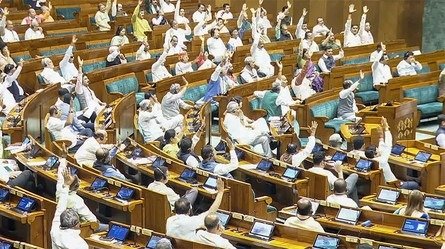
Lok Sabha Passes the Amendment Bill After Two Days of Intense Debate
The Lok Sabha , Bill was passed following prolonged discussions that witnessed sharp exchanges between treasury and Opposition benches.
Members of the ruling alliance argued that stronger legal deterrence was essential to protect the future of students and preserve the integrity of India’s competitive examination system. They maintained that organized cheating networks had evolved into sophisticated criminal operations requiring stringent legal intervention.
Opposition members, while acknowledging the seriousness of paper leaks, questioned whether harsher punishments alone would eliminate the recurring problem. Several lawmakers argued that administrative failures, inadequate examination security, and institutional accountability also require significant reforms.
Despite these concerns, the Bill secured approval through a voice vote, allowing the proposed amendments to move forward.
Background: Why the Amendment Bill Was Introduced
The Public Examinations (Prevention of Unfair Means) Act, 2024 was enacted to establish India’s first comprehensive legal framework specifically targeting organized examination fraud.
The law criminalized various forms of malpractice, including:
- Paper leaks.
- Unauthorized access to question papers.
- Organized cheating.
- Impersonation.
- Tampering with examination systems.
- Computer-based examination fraud.
However, subsequent examination controversies and repeated allegations of question paper leaks exposed gaps in implementation and procedural delays.
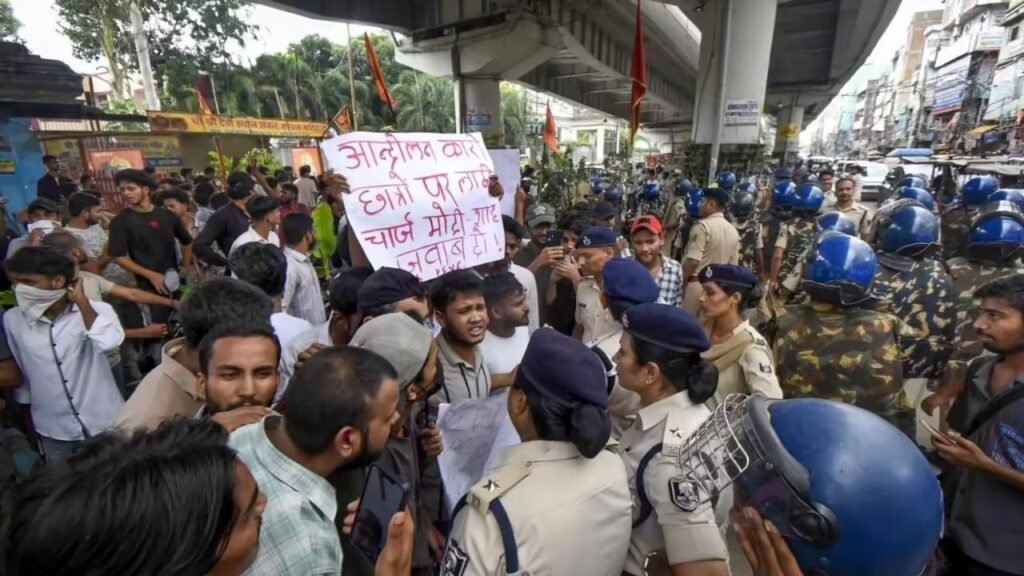
Several major recruitment and entrance examinations faced disruptions, leading to nationwide protests by students demanding stronger legal safeguards and quicker action against those responsible.
The 2026 Amendment Bill has been introduced to address these shortcomings by strengthening enforcement provisions and accelerating the judicial process.
Key Features of the Lok Sabha-Approved Amendment Bill
The amended legislation introduces several significant changes aimed at improving deterrence and ensuring quicker justice.
1. Tougher Punishments
One of the most important features is the enhancement of criminal penalties.
Individuals found guilty of serious examination-related offences may now face:
- Imprisonment of up to 10 years.
- Fines of up to ₹10 crore.
- Confiscation of illegally acquired assets.
These provisions are intended to dismantle organized criminal networks that profit from examination fraud.
2. Fast-Track Investigations
The amendments seek to reduce procedural delays that have historically weakened prosecution in paper leak cases.
Investigating agencies are expected to conduct inquiries more efficiently to ensure timely filing of cases.
Faster investigations are also expected to improve conviction rates by preserving evidence and reducing opportunities for interference.
3. Speedy Judicial Process
The Bill introduces a mechanism aimed at ensuring that judgments in examination-related criminal cases are delivered within three months, wherever possible.
This provision is expected to significantly reduce delays that often undermine deterrence.
Quick disposal of cases would also provide greater certainty for affected students and institutions.
4. Stronger Enforcement
The legislation further strengthens enforcement by improving coordination among investigating agencies, examination authorities, and law enforcement institutions.
Authorities believe this integrated approach will improve detection of organized examination fraud.
Prime Minister Narendra Modi Calls Paper Leaks a Serious Concern
Speaking about the proposed legislation, Prime Minister Narendra Modi described paper leaks as a matter of deep national concern.
He observed that examination irregularities not only undermine merit but also cause significant emotional distress to lakhs of students and their families.
According to the Prime Minister, Lok Sabha the government has already acted against individuals responsible for previous paper leak incidents and ensured that nearly 22 lakh students were able to reappear for affected examinations without losing an academic year.
He stated that the amendments would facilitate:
- Speedier investigations.
- Fast-track judicial proceedings.
- Stronger punishment for offenders.
- Greater transparency.
- Improved fairness.
- Enhanced credibility of public examinations.
The government believes these measures will strengthen public confidence in India’s examination system.
Why Paper Leaks Have Become a National Issue
Paper leak incidents have emerged as one of the most significant challenges facing India’s education and recruitment ecosystem.
Over the past several years, allegations of leaked question papers have affected multiple examinations involving:
- University admissions.
- Recruitment tests.
- Professional entrance examinations.
- Government job recruitment.
- Teacher eligibility examinations.
Each incident has impacted thousands—or sometimes millions—of candidates who spend months or years preparing for highly competitive examinations.
Cancellation of examinations often leads to:
- Academic uncertainty.
- Financial burden.
- Psychological stress.
- Loss of public trust.
- Delayed recruitment.
These recurring disruptions have intensified demands for stronger legal safeguards.
Balancing Punishment with Systemic Reform
While the Lok Sabha debate largely focused on criminal penalties, several lawmakers emphasized that legislative reforms alone cannot solve the problem.
Opposition members argued that preventing future paper leaks also requires:
- Better examination security systems.
- Improved digital infrastructure.
- Stronger institutional accountability.
- Transparent recruitment processes.
- Better monitoring of examination centres.
- Enhanced cybersecurity.
Education experts similarly note that legal deterrence should be accompanied by administrative modernization to eliminate vulnerabilities before they are exploited.
How the 2024 Act Changed India’s Legal Framework
Before the enactment of the Public Examinations (Prevention of Unfair Means) Act, 2024, paper leak investigations often relied on general criminal provisions under existing laws.
The 2024 legislation created a specialized legal framework targeting organized examination crime.
It introduced offences covering:
- Unauthorized disclosure of question papers.
- Tampering with examination systems.
- Computer hacking.
- Organized cheating syndicates.
- Financial gains from examination fraud.
The 2026 amendments build upon this framework by making enforcement faster and more effective.
Impact on Students and Recruitment Agencies
The amended law is expected to benefit multiple stakeholders.
Students
Candidates may gain greater confidence that examination processes will remain secure and merit-based.
The possibility of faster action against offenders may also reduce uncertainty following examination controversies.
Recruitment Agencies
Public recruitment bodies conducting examinations could benefit from stronger legal support when tackling organized fraud.
Enhanced penalties may discourage criminal syndicates targeting recruitment examinations.
Educational Institutions
Universities and examination authorities are expected to strengthen internal security measures alongside compliance with the amended law.
Organized Examination Fraud Under Greater Scrutiny
Authorities increasingly view paper leaks as organized economic crimes rather than isolated incidents.
Investigations in previous cases have uncovered networks involving:
- Brokers.
- Middlemen.
- Technology experts.
- Printing personnel.
- Examination insiders.
- Financial intermediaries.
The introduction of asset confiscation provisions reflects the government’s intention to financially dismantle such criminal organizations.
Experts believe economic penalties often serve as stronger deterrents than imprisonment alone.
Importance of Fast-Track Trials
One of the most notable features of the amendment is the emphasis on speedy justice.
Delayed criminal proceedings often weaken public confidence and reduce the deterrent value of prosecution.
If implemented effectively, faster trials may:
- Deliver quicker justice.
- Improve conviction rates.
- Prevent prolonged uncertainty.
- Strengthen public trust.
- Discourage repeat offenders.
Lok Sabha ,The proposed three-month timeline signals the government’s intention to prioritize examination-related offences.
Restoring Trust in India’s Public Examination System
India conducts thousands of public examinations every year involving millions of candidates.
The credibility of these examinations directly influences:
- Higher education admissions.
- Government recruitment.
- Professional licensing.
- Career progression.
Even isolated paper leak incidents can damage public confidence in the fairness of these processes.
By strengthening legal enforcement and accelerating judicial action, Lok Sabha policymakers hope to reassure students that merit—not malpractice—will determine success.
What Happens Next?
Following its passage in the Lok Sabha, the Amendment Bill will proceed through the remaining stages of the legislative process before becoming law.
Once enacted, relevant ministries, examination authorities, investigating agencies, and state governments are expected to implement the revised provisions through updated operational guidelines and enforcement protocols.
Public examination authorities may also review existing security mechanisms to align with the strengthened legal framework.
The Lok Sabha’s approval of the Public Examinations (Prevention of Unfair Means) Amendment Bill, 2026 represents a significant milestone in India’s efforts to combat paper leaks and organized examination fraud. Lok Sabha By introducing tougher penalties, fast-track investigations, quicker judicial proceedings, and provisions for asset confiscation, the legislation seeks to reinforce transparency, accountability, and fairness across public examinations.
Lok Sabha While debates continue over the need for broader administrative reforms, the amended law signals a stronger commitment to protecting the interests of millions of students and ensuring that merit remains the foundation of India’s education and recruitment systems. Lok Sabha As the legislation progresses Lok Sabha through the remaining parliamentary process, its implementation will be closely watched by students, educational institutions, recruitment agencies, and policymakers alike.