
Deepfake videos generated using advanced Artificial Intelligence (AI) tools, including Google Gemini, were allegedly leveraged by a sophisticated fraud ring to orchestrate identity theft and financial fraud, which has been dismantled by the Ahmedabad Cyber Crime Branch in a landmark case that underscores the rapidly evolving landscape of cybercrime in India. The accused reportedly used these highly convincing digital replicas to bypass stringent Aadhaar-based electronic Know Your Customer (e-KYC) verification processes, ultimately securing unauthorized loans and compromising the victims’ secure digital repositories.
The arrest of four individuals in Gujarat’s economic hub highlights a critical pivot point in modern digital fraud. What previously demanded advanced programming skills, malicious software deployment, or complex network infiltration can now be executed by utilizing commercially available AI systems alongside strategic insider access. This development has triggered urgent discussions among cybersecurity experts, financial regulators, and law enforcement agencies regarding the resilience of India’s foundational digital identity infrastructure against synthetic media generation.
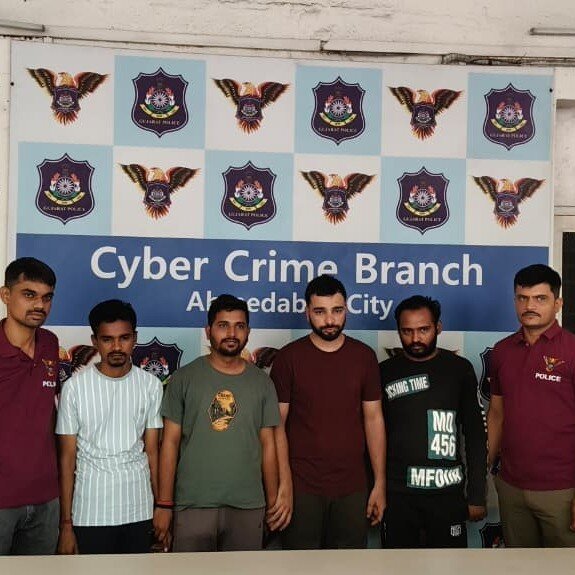
Table of Contents
The Investigation: A Businessman’s Silenced Phone Unlocks a National Security Concern
The multi-layered fraud operation began unraveling when a prominent local businessman based in Ahmedabad, operating within the import-export sector, noticed a sudden and persistent disruption in his daily communications. Over a forty-eight-hour period, the entrepreneur stopped receiving critical One-Time Password (OTP) text messages from his banking institutions—a vital component for authorizing his standard commercial transactions.
Recognizing that a total cessation of financial alerts was highly uncharacteristic of routine network glitches, the businessman proactively lodged a formal complaint with the Ahmedabad Cyber Crime Branch.
When cyber investigators initiated a forensic audit of the victim’s digital footprint, they discovered an alarming sequence of systemic breaches driven by a deepfake identity operation:
- Unauthorized Registry Alteration: The mobile number systematically linked to the victim’s central identification profile had been modified through deepfake bypass methods without triggering the standard verification alerts to his original device.
- Biometric Circumvention: The hackers successfully manipulated the biometric authentication thresholds, using synthetic data to establish administrative access over the victim’s official identification profile.
- Data Exfiltration via DigiLocker: With administrative control established via deepfake access, the perpetrators penetrated the victim’s secure DigiLocker account, extracting highly sensitive personal credentials, tax records, and corporate documentation to reinforce their subsequent financial applications.
- Illicit Credit Acquisition: The network utilized these verified credentials and deepfake setups to open a rogue bank account under the businessman’s identity, swiftly executing and pocketing a loan amounting to Rs 25,000, while laying the groundwork for substantially larger credit requests.
Exploiting the System: Deepfakes and the Vulnerability of Modern e-KYC
The core operational breakthrough for the criminal enterprise rested on their ability to deceive automated identity verification protocols using advanced deepfake technology. Traditional dynamic banking systems rely heavily on e-KYC checks, which frequently require users to present a live video feed, perform specific facial movements, or hold up identification documents to a camera to verify physical presence.
According to senior investigators, the fraud syndicate bypassed this safeguard by utilizing generative AI platforms, including Google Gemini, to extract specific facial characteristics, structures, and expressions from publicly available photographs or media of the victim. By synthesizing this data, they produced high-fidelity deepfake videos designed to impersonate the victim in real-time during live digital verification assessments.
The sophisticated deepfake rendering successfully fooled the automated facial recognition algorithms used by financial institutions. Once the system authenticated the synthetic deepfake video as a live human match, the criminals immediately updated the primary contact information on file, redirecting all future transaction codes, bank alerts, and security OTPs away from the victim and onto their own untraceable devices. Armed with this secondary deepfake authentication loop, the gang targeted multiple banking entities, successfully establishing a functional operational portal with Jio Payments Bank to process their initial fraudulent loans.

Inside the Syndicate: The Exploitation of Institutional Access
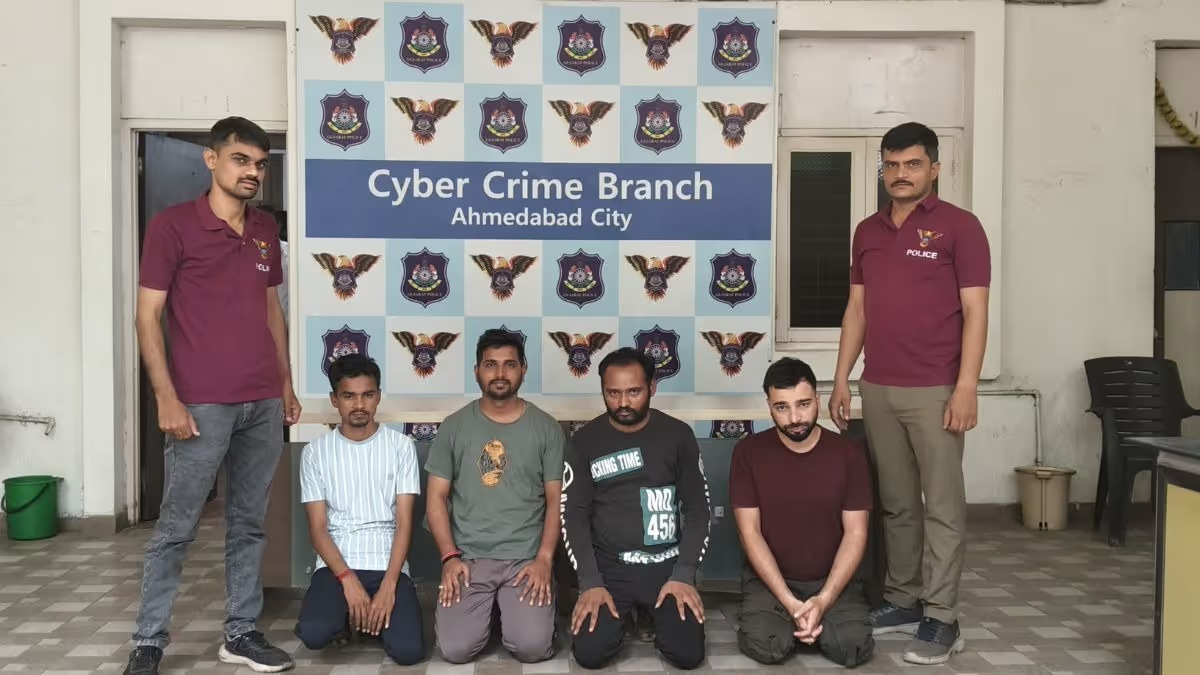
The enforcement operation culminated in the targeted arrest of four individuals identified as crucial operators within the localized cyber fraud network: Kanubhai Parmar, Ashish Vanand, Mohammad Kaif Patel, and Deep Gupta.
As the Ahmedabad Cyber Crime Branch charted the structural mechanics of the ring, a critical internal vulnerability emerged. Investigators revealed that one of the primary accused possessed direct professional employment at a regional Common Service Centre (CSC).
Common Service Centres are essential pillars of the Digital India framework, authorized by the state to deliver crucial public utility services, healthcare access, agricultural assistance, and banking enrollment to rural and semi-urban populations. Most importantly, select CSC operators hold direct terminal access to assist citizens with identity profile updates, documentation modifications, and demographic corrections.
This internal positioning provided the syndicate with an invaluable operational asset. The insider utilized his institutional credentials to bypass standard diagnostic friction, enabling the seamless upload of manipulated biometric data and synthetic deepfake media directly into processing systems. This strategic blending of advanced generative AI technology with old-fashioned insider collusion allowed the group to operate efficiently without triggering typical cybersecurity alarms.
A Vulnerable Digital Frontier: Protecting Users Against AI Identity Fraud
The exposure of the Ahmedabad deepfake scam highlights a pressing technical gap between commercial AI capabilities and existing institutional defense parameters. As secure identity portals and cloud storage systems continue to streamline everyday administrative tasks for hundreds of millions of citizens, they simultaneously create centralized points of interest for malicious entities utilizing synthetic media tools.
For everyday consumers navigating this evolving digital landscape, behavioral defense and immediate response protocols remain the frontline protection against identity manipulation:
- Immediate Escalation of Network Disruption: A sudden cessation of operational OTP alerts, unauthorized network disconnections, or unexplained drops in mobile carrier signals should never be dismissed as minor technical errors. Individuals must immediately contact their banking partners and telecommunication providers to verify that their SIM cards or registry credentials have not been illicitly duplicated or altered.
- Routine Digital Audits: Users should consistently review their login histories, linked devices, and active authorized applications within their central identification accounts and secure cloud repositories like DigiLocker.
- Multi-Factor Authentication Overhaul: Wherever available, shifting security authentication models away from traditional SMS-based delivery and towards hardware security keys or authenticator applications can drastically lower the success rate of routing interception scams.
For national technology vendors, corporate banking compliance teams, and central administrative architects, the incident serves as an urgent call to upgrade digital gatekeeping. Relying solely on standard visual e-KYC checks is no longer sufficient in an era where generative AI can easily replicate human expressions. Security infrastructures must adapt rapidly, implementing advanced liveness detection methods, deeper cryptographic tracking, and anomaly-detection systems capable of identifying synthetic artifacts in video feeds. Only by pacing security innovation with AI development can the integrity of modern digital identity systems be effectively maintained.