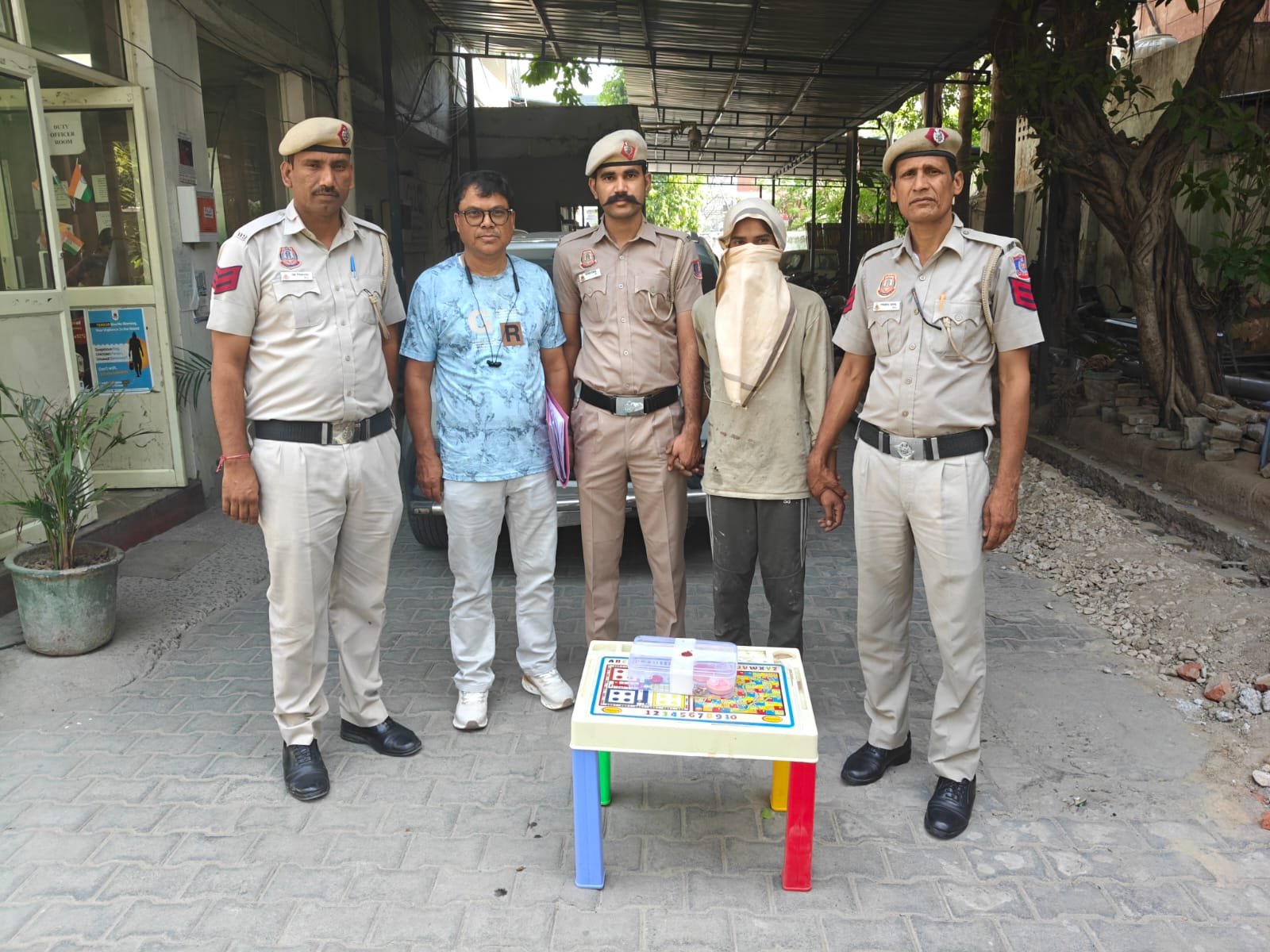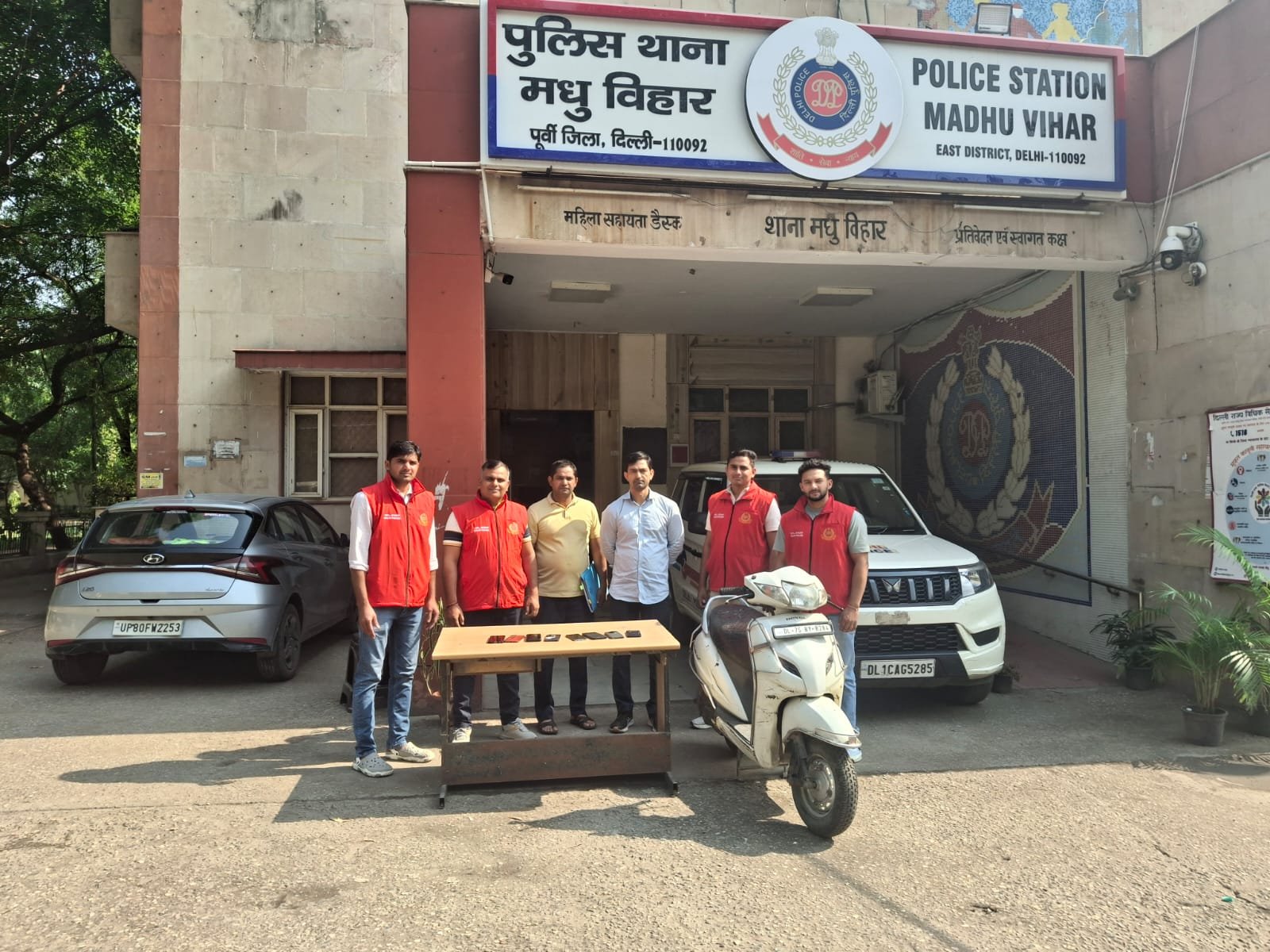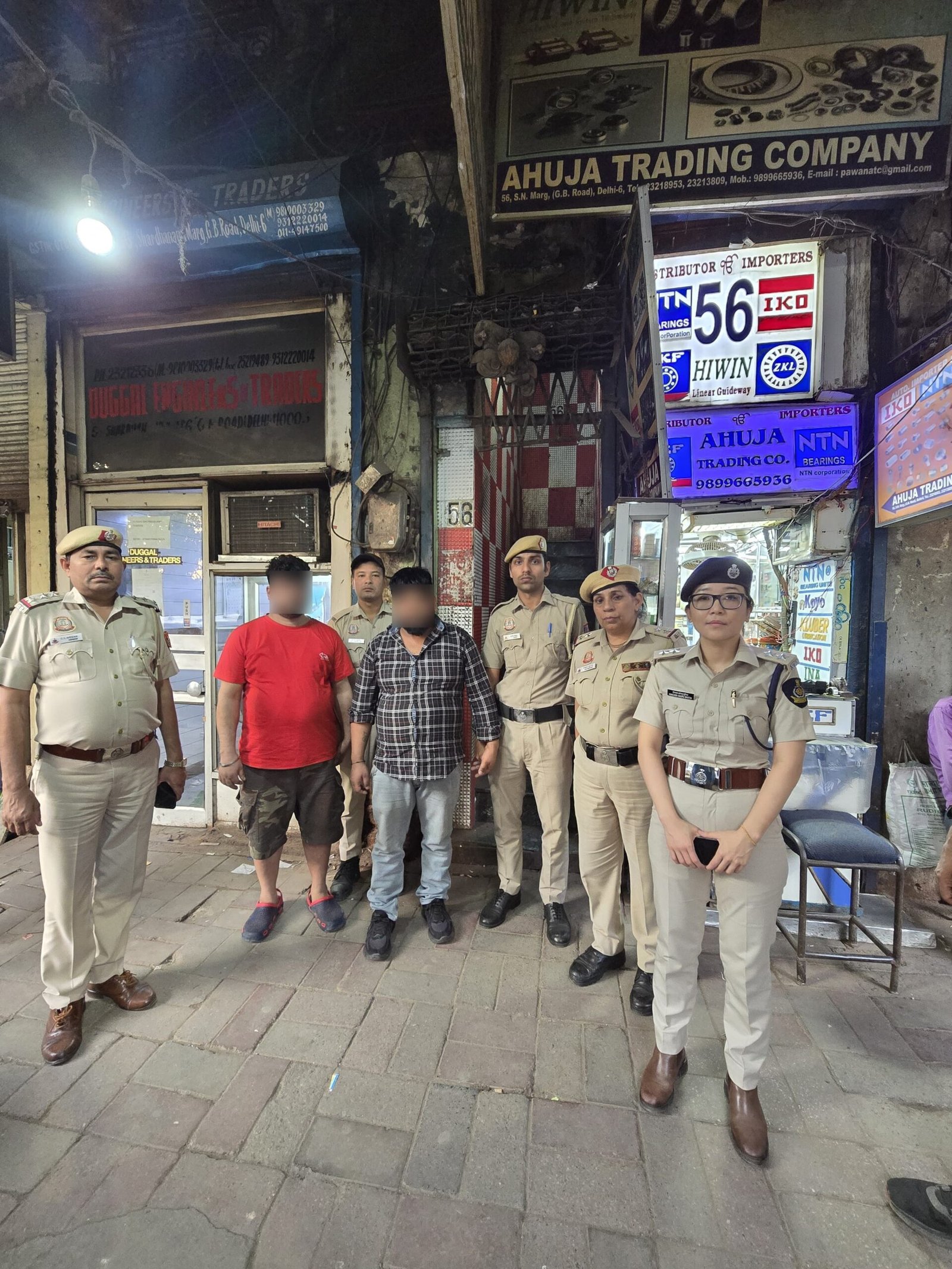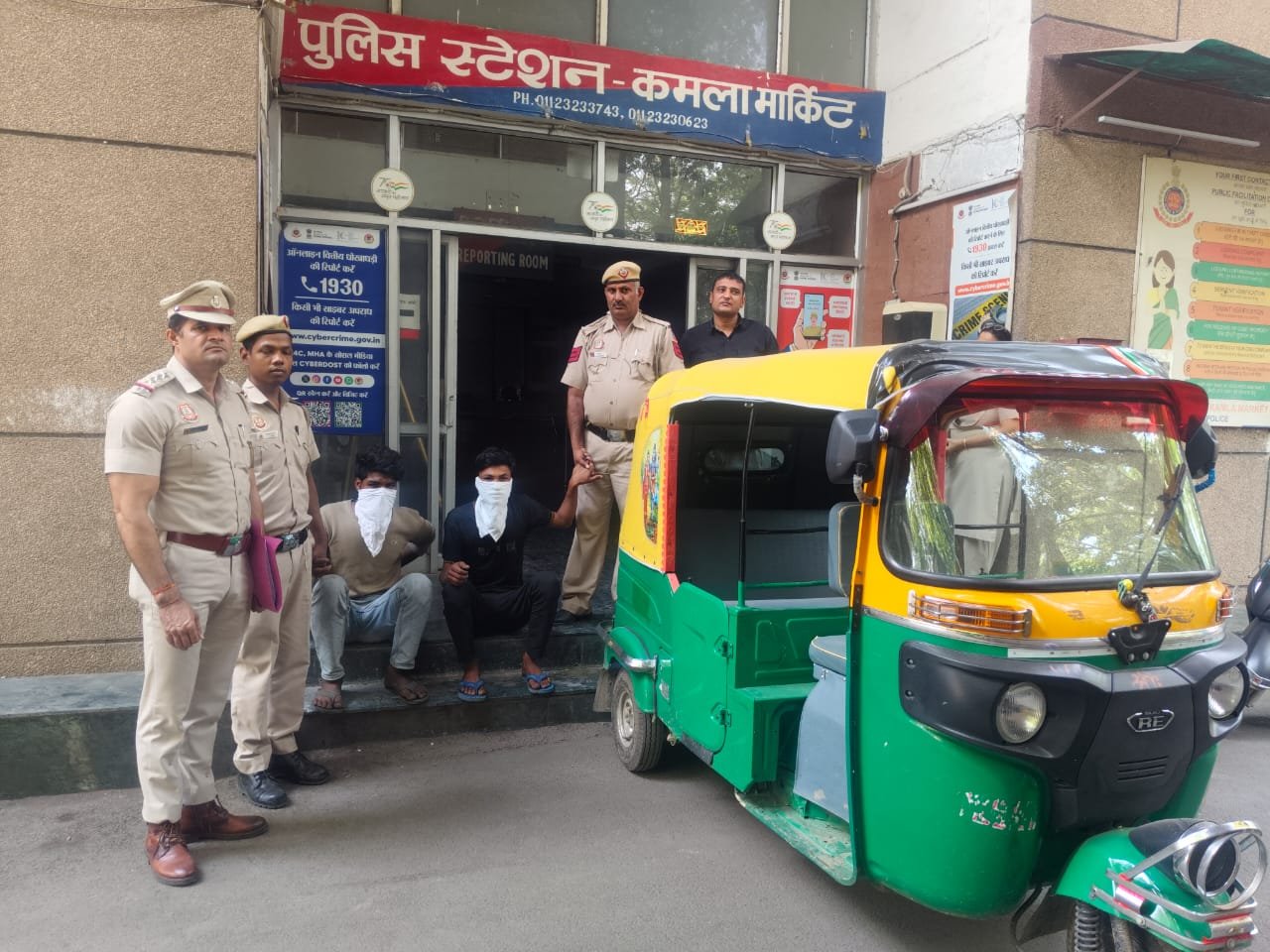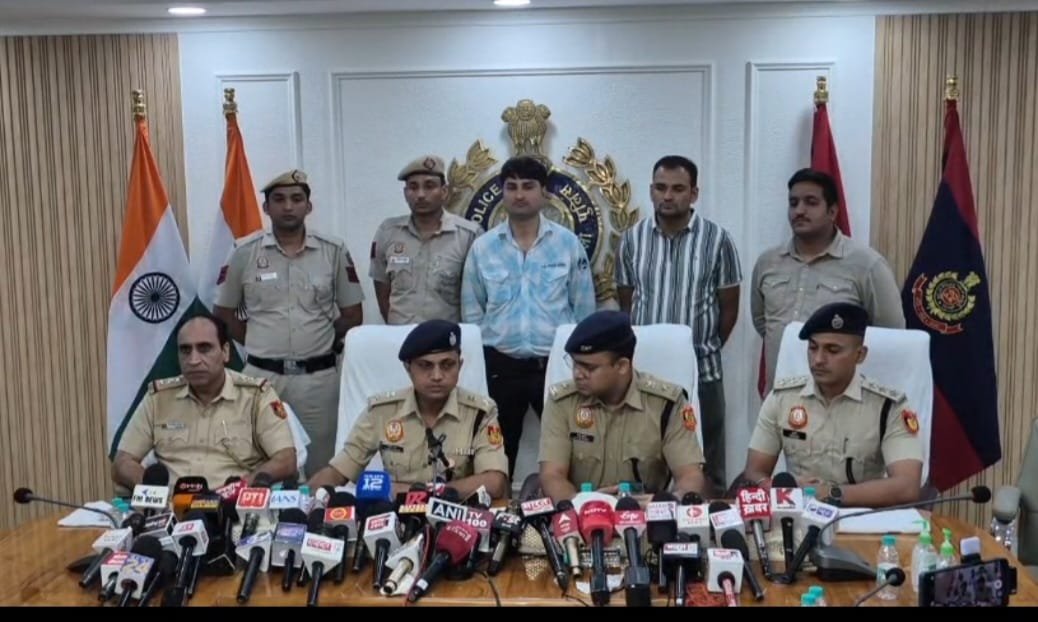
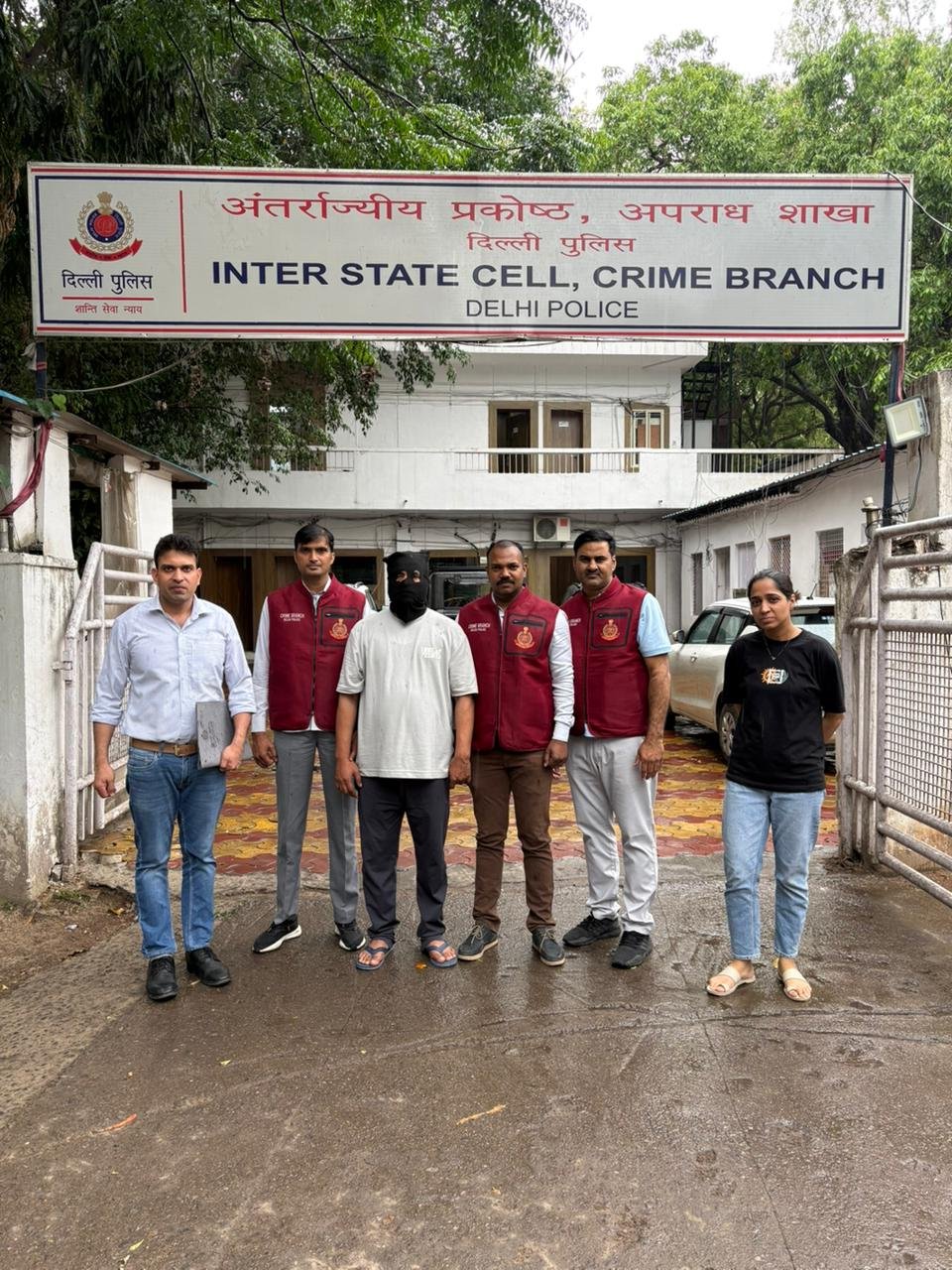
New Delhi, In a major break through against ATM fraud network responsible for more than 50 incidents across the national capital, organized financial crime, the Inter State Cell (ISC) of the Crime Branch of Delhi Police has arrested the alleged kingpin of a sophisticated ATM fraud network responsible for more than 50 incidents across the national capital. The arrest not only exposes the scale and structure of such street-level financial crimes but also highlights the evolving tactics used by fraudsters to exploit unsuspecting citizens—especially the elderly.
The accused, identified as Ravi Kumar Bharti (36), a resident of Gaya district in Bihar, is believed to have masterminded a well-coordinated gang that operated across multiple locations in Delhi. His arrest follows months of technical surveillance, field intelligence, and meticulous investigation, marking a significant step in dismantling a network that preyed on public trust and technological vulnerabilities.
Table of Contents
A Crime Hidden in Plain Sight
ATM fraud is not new in India’s urban centres, but what makes this case particularly alarming is the simplicity of the method combined with its effectiveness. Unlike high-end cybercrime operations that require technical expertise, this gang relied on psychological manipulation and basic tools to carry out their fraud.
The case came to light following a complaint by Avtar Singh, a resident of Paschim Vihar, who reported losing ₹35,000 along with his ATM card at an Axis Bank ATM kiosk in September 2025. What initially appeared to be an isolated incident soon revealed deeper links to a larger criminal operation.
During the investigation, two associates—Raushan Kumar and Pintu Kumar—were arrested earlier. Their interrogation led police to Bharti, the alleged mastermind coordinating these operations.
The Operational Method: Simple Yet Deceptive
One of the most striking aspects of this case is the gang’s operational method—deceptively simple but highly effective. The accused and his associates used everyday materials and human psychology to execute their crimes.
They would apply adhesive substances like Fevikwik inside ATM card slots, causing cards to get stuck. Once a victim’s card was trapped, panic would naturally follow. At that moment, the fraudsters’ next move came into play—they had already pasted fake customer care numbers inside or near the ATM kiosk.
Victims, believing these numbers to be legitimate, would call for help. The accused would then impersonate bank officials, speaking confidently and convincingly to gain the victim’s trust. They would often instruct victims to re-enter their PIN or share sensitive details under the pretext of resolving the issue.
Once the victim left the ATM, assuming help was on the way, the gang would retrieve the trapped card and withdraw money using the PIN obtained through deception.
This method shows how fraud today is not just about hacking systems—it’s about hacking human behaviour.
Targeting the Vulnerable
Investigators found that the gang deliberately targeted elderly individuals and those less familiar with digital banking systems. These individuals are often more trusting and less likely to question instructions given by someone posing as a bank official.
This trend reflects a broader pattern seen in financial fraud cases across India, where criminals exploit not just technological loopholes but also gaps in public awareness.
According to various banking and law enforcement reports, ATM-related frauds continue to be a significant concern, especially in densely populated cities like Delhi. While banks have strengthened digital security, physical ATM kiosks remain vulnerable points of attack.
The Investigation: Technology Meets Ground Intelligence
The success of this operation lies in the combination of traditional policing methods and modern investigative tools.
A dedicated team led by Inspector Shivraj Singh Bisht, under the supervision of ACP Ramesh Chander Lamba, worked tirelessly to track the accused. The team used CCTV footage analysis, call detail records, and technical surveillance to map the movements and connections of the suspects.
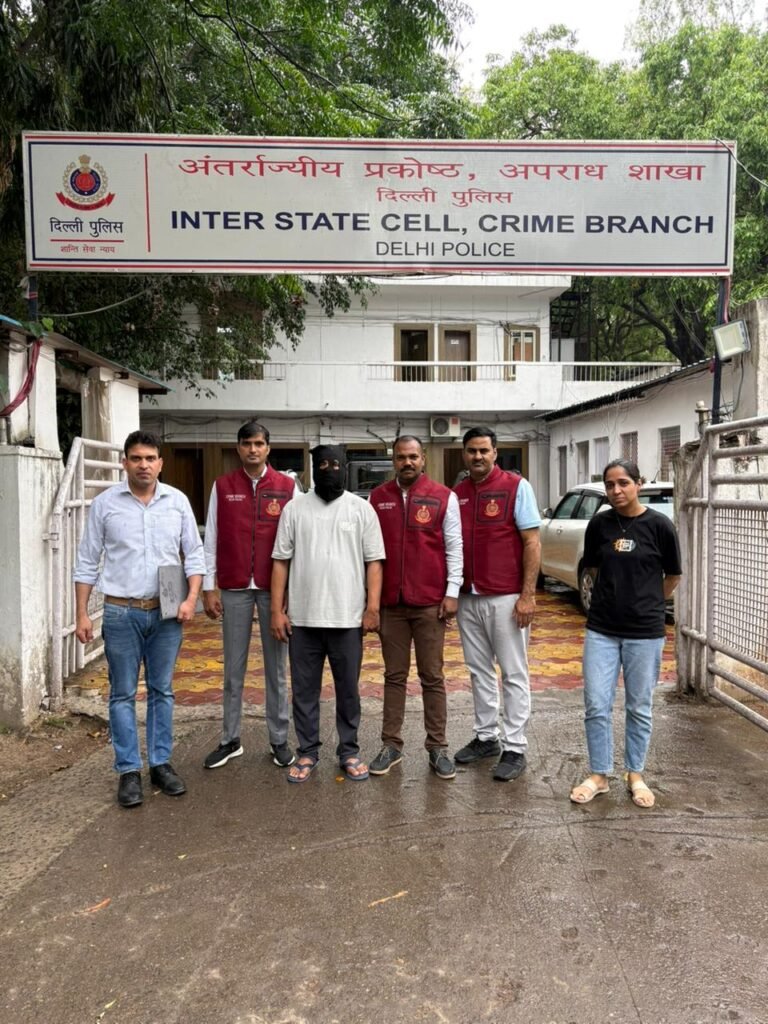
Local intelligence also played a crucial role. Based on specific inputs, the team traced Bharti’s presence to Rajpur Khurd in Chhattarpur. Acting swiftly, they conducted a targeted raid and successfully apprehended him.
This operation highlights how effective policing today requires both digital expertise and on-ground coordination.
Connecting the Dots: 50+ Cases Uncovered
Following his arrest, Bharti was linked to more than 50 incidents of ATM fraud and attempted fraud across Delhi. So far, nine victims have been formally identified, leading to the registration of four FIRs and five complaints.
However, investigators believe the actual number of victims could be much higher. Many cases of ATM fraud go unreported due to embarrassment, lack of awareness, or the perception that recovery is unlikely.
The accused was also found to have a prior criminal history, with involvement in at least seven previous cases. This pattern underscores the challenge law enforcement agencies face in dealing with repeat offenders who continuously adapt their methods.
Recoveries and Evidence
During the arrest, police recovered key evidence linking Bharti to the crimes. This included a mobile phone used to coordinate activities and items such as clothes and shoes worn during the commission of offences—crucial for matching CCTV footage.
While these recoveries may seem routine, they play a critical role in building a strong legal case. Physical evidence, when combined with digital data, creates a comprehensive chain that is difficult to challenge in court.
A Larger Issue: The Rise of Hybrid Fraud
This case is a classic example of what experts call “hybrid fraud”—a blend of physical and digital tactics. Unlike purely online scams, hybrid fraud involves real-world interaction, making it harder for victims to recognise the threat.
Experts in financial security often point out that while banks invest heavily in cybersecurity, criminals are increasingly shifting focus to human vulnerabilities. Social engineering—manipulating people into revealing confidential information—has become one of the most effective tools in a fraudster’s arsenal.
What This Means for the Public
The arrest of Bharti is undoubtedly a success for law enforcement, but it also serves as a wake-up call for the public. ATM users must remain cautious and aware of their surroundings.
Some key precautions include:
- Never trust phone numbers displayed inside ATM kiosks unless verified
- Avoid seeking help from strangers at ATMs
- Never share your PIN with anyone, even if they claim to be bank officials
- Immediately report any suspicious activity to your bank and the police
Awareness remains the first line of defence against such crimes.
The Road Ahead: Strengthening Prevention
While arrests like this disrupt criminal networks, prevention is equally important. Banks and authorities may need to consider additional measures such as:
- Regular inspection of ATM kiosks
- Public awareness campaigns
- Enhanced surveillance systems
- Quick response mechanisms for complaints
Collaboration between banks, law enforcement, and citizens is essential to curb such crimes effectively.