Union Cabinet, In a major push to strengthen India’s railway infrastructure and improve freight and passenger movement, the Cabinet Committee on Economic Affairs (CCEA), chaired by Prime Minister Narendra Modi, has approved three major multi-tracking railway projects with a total estimated cost of ₹23,437 crore. The approval, granted on May 5, 2026, marks another significant step toward expanding the capacity and efficiency of the Indian Railways network.
The three approved projects include:
- Nagda–Mathura Third and Fourth Railway Line
- Guntakal–Wadi Third and Fourth Railway Line
- Burhwal–Sitapur Third and Fourth Railway Line
Table of Contents
Together, these projects will significantly enhance railway capacity, reduce congestion, improve operational efficiency, and strengthen connectivity across 19 districts in the states of Madhya Pradesh, Rajasthan, Uttar Pradesh, Karnataka, Andhra Pradesh, and Telangana.
Major Expansion of the Indian Railways Network
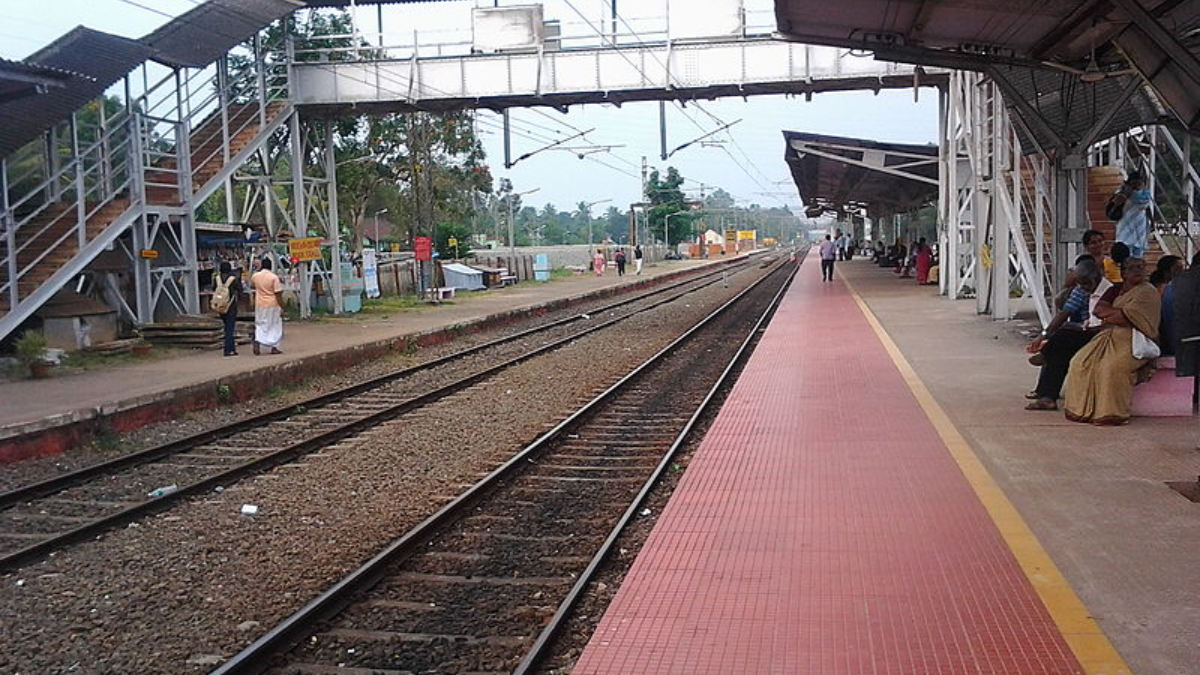
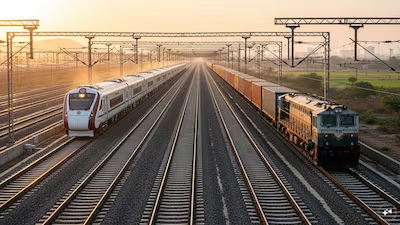
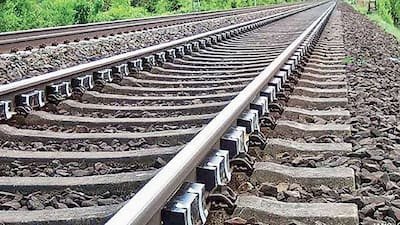
The approved multi-tracking projects will add approximately 901 kilometres to the existing Indian Railways network. The expansion is expected to increase the railway system’s capacity to accommodate both passenger and freight trains more efficiently.
With growing demand for rail transport across the country, these additional railway lines are designed to remove bottlenecks on heavily used routes, allowing trains to operate with improved punctuality and reliability while reducing delays caused by congestion.
Projects Aligned with PM Gati Shakti National Master Plan
The railway projects have been developed under the PM Gati Shakti National Master Plan, the Government of India’s flagship initiative aimed at creating integrated infrastructure through coordinated planning across multiple sectors.
The master plan focuses on improving multimodal connectivity by integrating railways, highways, ports, airports, and logistics infrastructure. The objective is to ensure seamless movement of people, goods, and services while reducing transportation costs and improving overall logistics efficiency.
Through extensive stakeholder consultations and integrated planning, the approved railway projects are expected to contribute significantly to India’s long-term infrastructure development goals.
Six States and Nineteen Districts to Benefit
The projects will directly benefit 19 districts spread across six states:
- Madhya Pradesh
- Rajasthan
- Uttar Pradesh
- Karnataka
- Andhra Pradesh
- Telangana
The improved railway infrastructure will strengthen regional connectivity, facilitate economic development, and support industrial as well as agricultural growth in these regions.
Better rail connectivity is also expected to improve access to markets, educational institutions, healthcare facilities, and employment opportunities for millions of people.
Union Cabinet Supports Prime Minister Narendra Modi’s Vision of a Developed India
According to the approved proposal, the multi-tracking projects will improve railway connectivity for approximately 4,161 villages, benefiting an estimated population of around 8.3 million (83 lakh) people.
Enhanced rail infrastructure is expected to improve mobility for residents by providing faster, safer, and more reliable transportation services.
Improved connectivity can also encourage investment, stimulate local businesses, and generate new employment and self-employment opportunities in rural and semi-urban areas.
Union Cabinet Supports Prime Minister Narendra Modi’s Vision of a Developed India
The government stated that these projects are aligned with Prime Minister Narendra Modi’s vision of building a developed and self-reliant India.
By expanding railway infrastructure, the projects aim to promote balanced regional development while empowering local communities through improved connectivity and better economic opportunities.
The increased railway capacity is expected to support industrial expansion, agricultural supply chains, tourism, and trade across the connected regions.
Union Cabinet to Drive Significant Improvement in Railway Operations
The addition of third and fourth railway lines on busy routes will substantially improve operational efficiency.
The projects are expected to:
- Reduce railway congestion.
- Increase line capacity.
- Improve train punctuality.
- Enhance service reliability.
- Allow smoother train operations.
- Minimize delays caused by heavy traffic.
- Improve scheduling flexibility for passenger and freight trains.
Officials believe these improvements will help Indian Railways accommodate future growth in transportation demand without compromising operational performance.
Union Cabinet to Enhance Freight Transportation Capacity
One of the most significant outcomes of the approved projects will be the increase in freight handling capacity.
Upon completion, the capacity enhancement is expected to facilitate an additional approximately 60 million tonnes of freight movement every year.
The upgraded routes are important corridors for transporting several essential commodities, including:
- Coal
- Food grains
- Cement
- Petroleum products
- Iron and steel
- Iron ore
- Containers
- Fertilizers
- Other industrial and agricultural goods
The increased freight capacity is expected to improve supply chain efficiency while supporting India’s manufacturing, infrastructure, mining, and agricultural sectors.
Union Cabinet to Boost Tourism and Religious Travel Through Rail Expansion
The railway expansion is also expected to significantly improve access to several major religious, cultural, and tourist destinations across India.
Important destinations that will benefit include:
- Mahakaleshwar Temple
- Ranthambore National Park
- Kuno National Park
- Keoladeo National Park
- Mathura
- Vrindavan
- Mantralayam (Raghavendra Swamy Mutt)
- Netikanti Anjaneya Swamy Temple (Kasapuram)
- Shyamnath Temple
- Naimisharanya (Nimsar)
Improved railway connectivity is expected to encourage domestic tourism, facilitate religious pilgrimages, and support local economies that depend heavily on tourism-related activities.
Union Cabinet Projects Bring Economic Benefits Beyond Transportation
Infrastructure experts often consider railway expansion a catalyst for long-term economic growth.
The approved projects are expected to generate both direct and indirect economic benefits by:
- Creating employment during construction.
- Supporting logistics and transportation industries.
- Improving industrial competitiveness.
- Reducing transportation costs.
- Enhancing regional trade.
- Attracting private investment.
- Strengthening rural development.
Improved railway connectivity also helps farmers transport agricultural produce more efficiently while enabling industries to move raw materials and finished products at lower costs.
Union Cabinet Projects Contribute to Environmental Sustainability
Indian Railways remains one of the most energy-efficient and environmentally friendly modes of mass transportation.
The government estimates that these railway capacity enhancement projects will contribute significantly toward India’s climate and sustainability goals.
Expected environmental benefits include:
- Reduction of approximately 370 million litres (37 crore litres) of oil imports.
- Reduction of approximately 1.85 billion kilograms (185 crore kilograms) of carbon dioxide (CO₂) emissions.
- Environmental benefits equivalent to planting nearly 70 million (7 crore) trees.
The increased use of rail transport instead of road transport is expected to lower fuel consumption while reducing greenhouse gas emissions across the logistics sector.
Union Cabinet Aims to Lower Logistics Costs for the Economy
Reducing logistics costs remains one of India’s major economic priorities.
Improved railway infrastructure will enable faster freight movement, shorter transit times, and more efficient cargo handling.
Lower transportation costs can make Indian products more competitive in both domestic and international markets while supporting the government’s efforts to improve ease of doing business.
Union Cabinet Strengthens India’s Infrastructure for Future Growth
As India’s economy continues to expand, demand for efficient transportation infrastructure is expected to rise steadily.
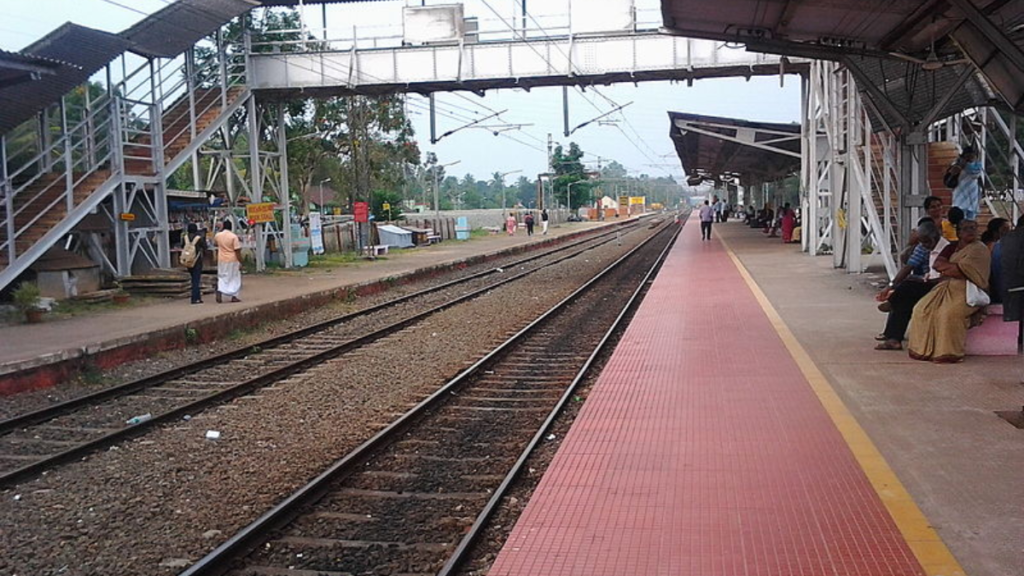
The approved multi-tracking projects are designed not only to address current congestion but also to prepare the railway network for future passenger and freight growth.
The government believes that sustained investment in railway infrastructure will strengthen national connectivity, support industrialization, improve regional development, and enhance India’s position as a global manufacturing and logistics hub.
A Major Step Toward Modernizing Indian Railways
The approval of these three large-scale railway projects reflects the government’s continued focus on modernizing Indian Railways through capacity expansion, technological improvements, and integrated infrastructure planning.
By adding approximately 901 kilometres to the railway network, improving connectivity across six states, benefiting more than 4,000 villages, increasing freight capacity by 60 million tonnes annually, and supporting environmental sustainability, the projects are expected to play a crucial role in India’s long-term economic development.
Once completed, these multi-tracking corridors will strengthen passenger convenience, enhance freight movement, reduce congestion, improve tourism, generate employment, and reinforce Indian Railways’ position as the backbone of the country’s transportation network.