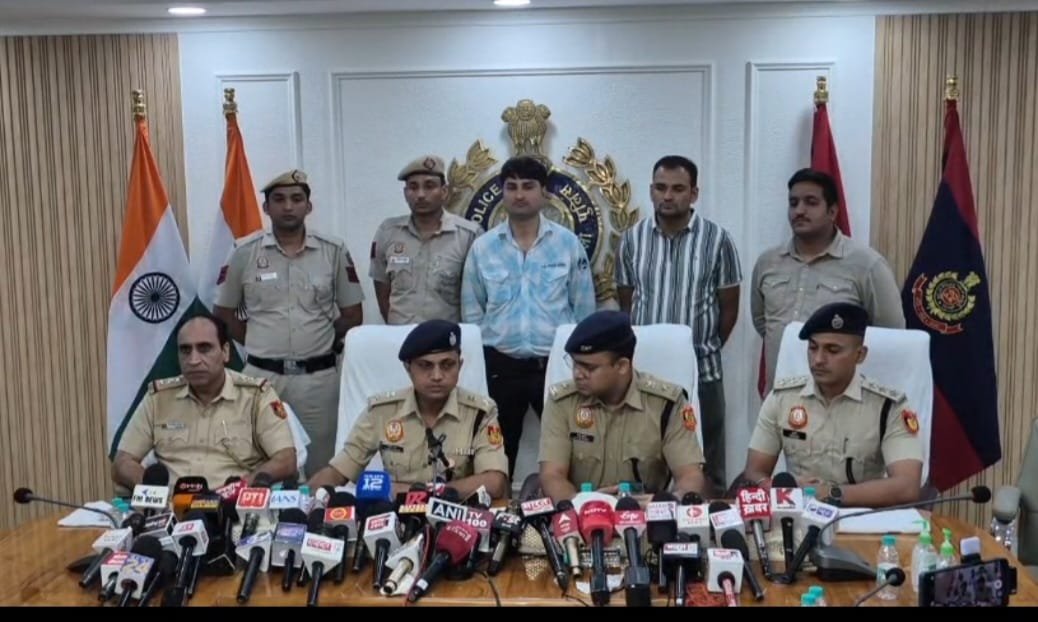
Delhi, In a remarkable display of efficiency, coordination, and investigative precision, the Central District of Delhi Police successfully solved a sensational blind TSR Driver Murder within just 48 hours. The case, which initially appeared to be a cold and untraceable crime, was transformed into a powerful example of modern policing through relentless effort, intelligent use of technology, and strong fieldwork.
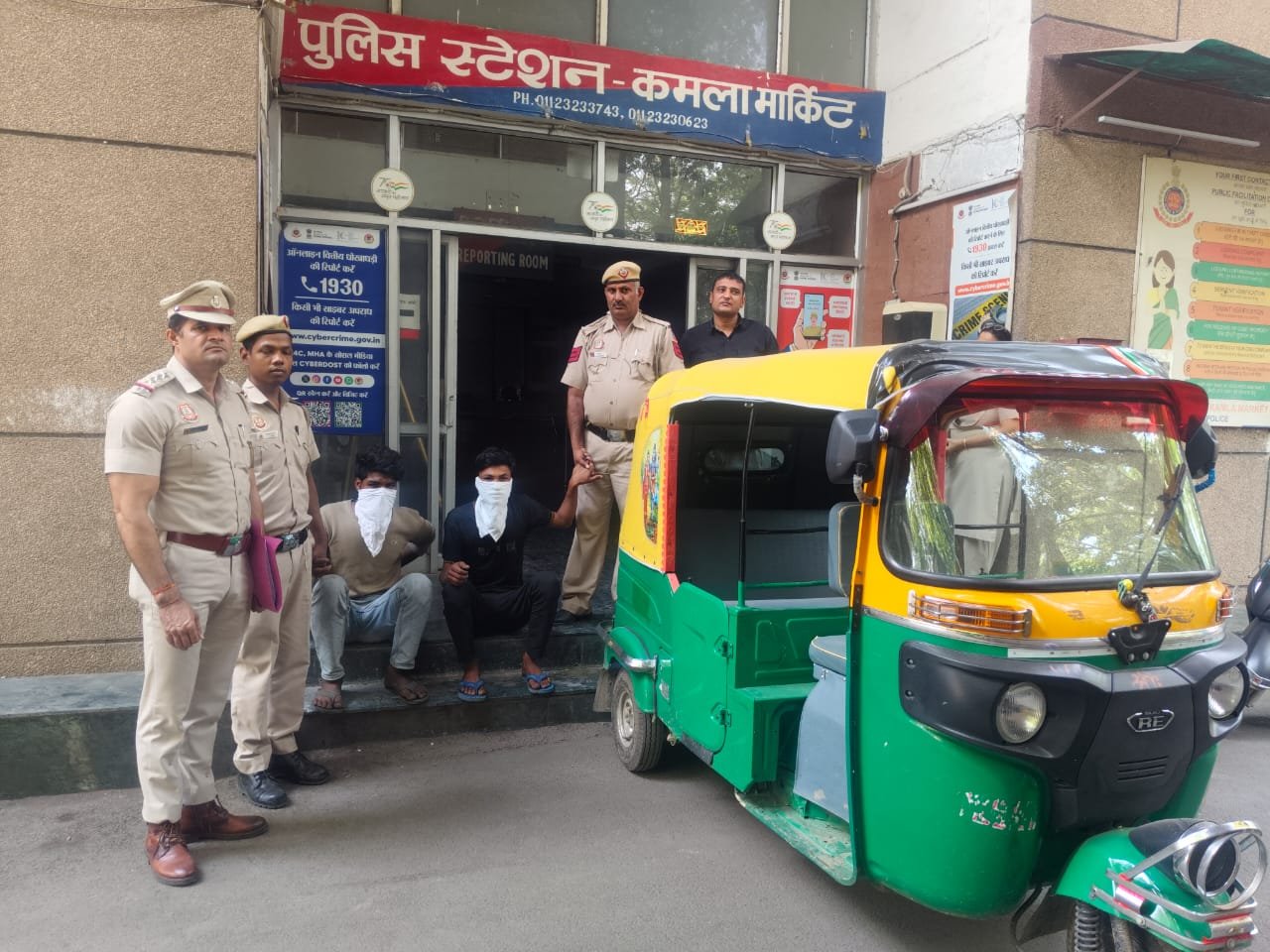
The brutal murder of a TSR (three-wheeler) driver near Minto Road shook the local community. However, the swift response and professional handling by a joint team of Special Staff, Anti-Auto Theft Squad (AATS), and Police Station Kamla Market ensured that justice moved quickly. Three accused have been arrested, key evidence recovered, and the crime trail meticulously reconstructed—demonstrating the police’s commitment to public safety.
Table of Contents
A Disturbing Crime in the Early Hours
The incident came to light on the morning of April 5, 2026, when a PCR call alerted authorities about an injured man lying near Shivaji Park Bus Stand, close to Minto Road. Responding without delay, the police team reached the scene and found an unidentified man in critical condition, lying in a pool of blood with severe stab wounds on his neck and chest.
Despite immediate medical attention and being rushed to Lok Nayak Jai Prakash (LNJP) Hospital, the victim was declared dead on arrival. Medical reports confirmed multiple fatal stab injuries, indicating a violent and deliberate attack.
Within limited initial clues and no immediate identification of the victim, the case posed a significant challenge. However, instead of slowing down the investigation, this uncertainty became a driving force for the police team to dig deeper.
Rapid Mobilization and Strategic Investigation
Understanding the gravity of the crime, senior officers quickly constituted a dedicated multi-unit investigation team. The operation was carried out under the supervision of experienced leadership, ensuring a structured and result-oriented approach.
What set this investigation apart was its seamless blend of traditional policing and modern techniques. The team worked on multiple fronts simultaneously:
.Crime Scene Analysis: Forensic experts carefully examined the site, preserving crucial evidence.
.CCTV Surveillance: Dozens of cameras across different locations were scanned to track movements.
.Human Intelligence (HUMINT): Local informers and ground-level inputs played a critical role.
.Technical Surveillance: Digital tracking methods helped narrow down suspect movements.
Within hours, investigators began to piece together the sequence of events. CCTV footage revealed that five individuals had boarded the victim’s TSR near Nizamuddin Railway Station during late-night hours.
Tracing the Crime Trail Across Cities
One of the most commendable aspects of the investigation was the ability to track the suspects across multiple locations—Delhi, Faridabad, and Palwal in Haryana. This required not only technical expertise but also persistence, as officers faced challenges such as limited public cooperation during CCTV verification.
Despite these hurdles, the team remained focused. Frame by frame, footage was analyzed, movements were mapped, and patterns began to emerge. The suspects were eventually traced to areas near Palwal Railway Station.
This breakthrough marked a turning point in the case.
A 12-Hour Trap and Key Arrests
Acting on credible intelligence, police teams laid a carefully planned trap near Palwal Railway Station and Village Likhi. The operation required patience and precision, as officers maintained surveillance for nearly 12 hours.
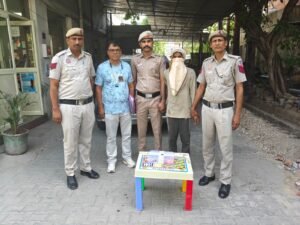
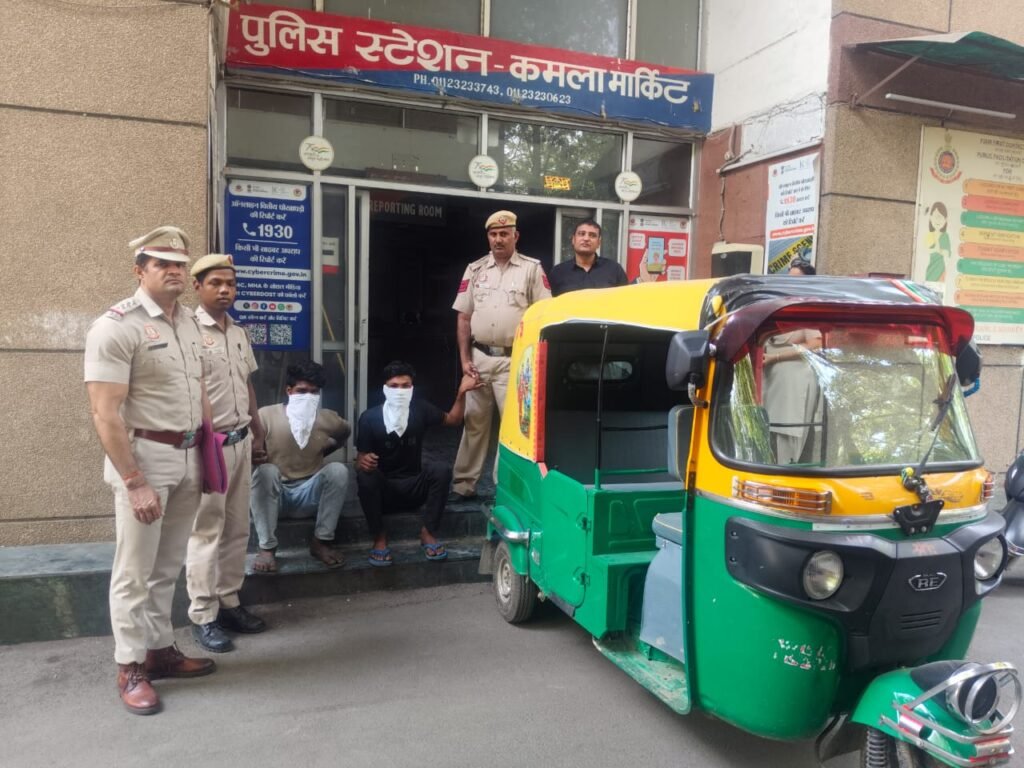
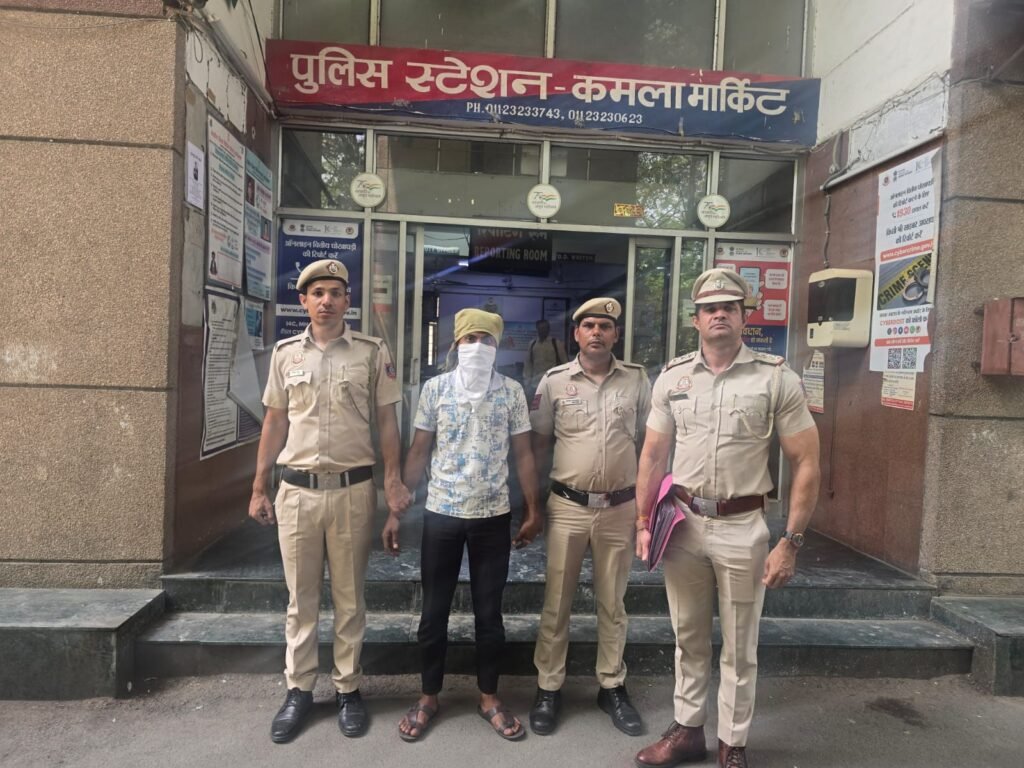
Their efforts paid off when two accused—Yogesh (25) and Yogesh alias Rocky (24)—were apprehended. Both were residents of Hasanpur, Palwal.
The arrests were not just a success in terms of capturing suspects but also in recovering crucial evidence:
.The looted TSR belonging to the victim
.A stolen mobile phone
.Blood-stained clothes worn during the crime
.The illegal knife used in the murder
Each piece of evidence strengthened the case, creating a clear link between the accused and the crime.
Expanding the Investigation: Third Accused Arrested
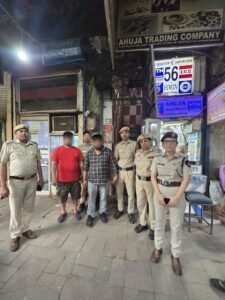
Following the interrogation of the first two accused, the police received further leads. Acting swiftly, the team apprehended a third suspect, Somesh (25), near Sarai Kale Khan Bus Stand in Delhi.
Additional recoveries were made based on his disclosure, including another stolen mobile phone and blood-stained clothing. These recoveries further validated the findings of the investigation and reinforced the case against the accused.
Modus Operandi: A Pattern of Crime
During sustained interrogation, the accused revealed a disturbing pattern. They regularly traveled between Palwal and Delhi using night trains, targeting unsuspecting commuters near railway stations and bus stands.
Their crimes included:
.Snatching
.Robbery
.Physical assault
The group admitted that they were habitual substance abusers and resorted to such crimes to sustain their addiction. This insight not only explained their repeated offenses but also highlighted a broader social challenge that law enforcement agencies often confront.
On the night of April 4–5, the group hired the TSR under the pretext of going to Connaught Place. Once inside, they attempted to rob the driver. When he resisted, they attacked him with a knife, inflicting fatal injuries before abandoning him and fleeing with his vehicle and belongings.
Reconstruction of Events
The police investigation successfully reconstructed the entire sequence:
1.Accused traveled from Palwal to Delhi via train
2.Hired the TSR near Nizamuddin Railway Station
3.Attempted robbery turned violent
4.Victim was stabbed and left near Minto Road
5.Accused fled with the TSR and mobile phones
6.Later visited Bangla Sahib Gurudwara
7.Returned to Palwal using the stolen vehicle
This level of detail reflects the thoroughness of the investigation and the effectiveness of coordinated policing.
Importance of Technology in Modern Policing
This case stands as a strong example of how technology is transforming law enforcement in India. The use of CCTV footage, combined with technical surveillance, enabled the police to track suspects across districts and states.
In urban environments like Delhi, where thousands of cameras operate daily, effective monitoring and analysis can significantly reduce investigation time. The success of this case reinforces the importance of expanding surveillance infrastructure and improving data integration across agencies.
Community Impact and Public Confidence
Incidents like these can create fear and uncertainty among citizens. However, the swift resolution of the case sends a reassuring message: law enforcement agencies are vigilant, capable, and committed to justice.
The professionalism displayed by the police team not only ensured the arrest of the accused but also restored public confidence. It highlighted that even complex and seemingly “blind” cases can be solved with determination and teamwork
A Model Example of Teamwork
The success of this operation lies in its teamwork. Officers from Special Staff, AATS, and PS Kamla Market worked in perfect coordination, supported by senior leadership and ground-level personnel.
From beat constables conducting local inquiries to inspectors leading strategic planning, every role contributed to the outcome. This collective effort demonstrates how integrated policing can deliver swift and effective results.