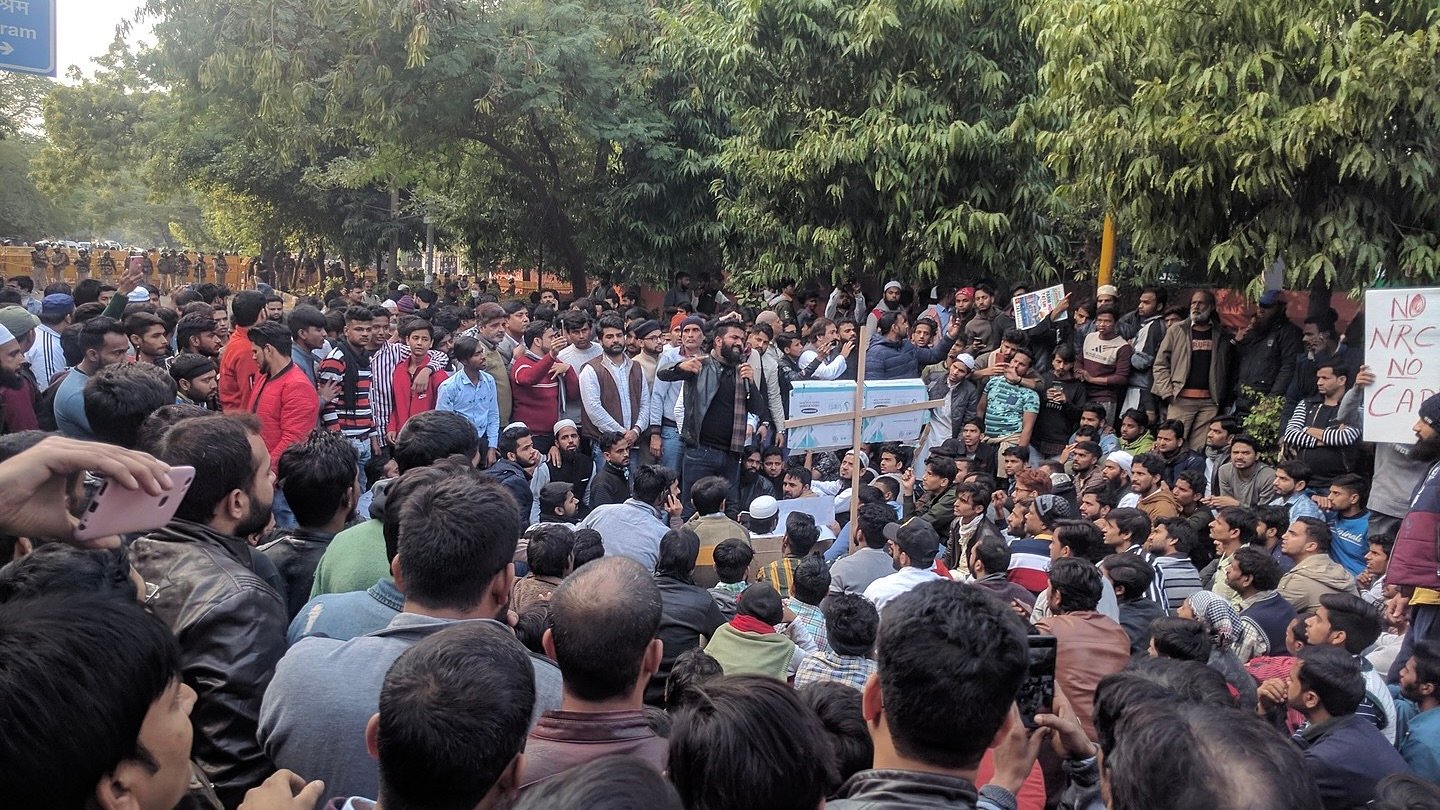
Jamia Millia Islamia news: The university in New Delhi shifted classes online on October 24 after students demanding the restoration of the students’ union clashed with security guards on campus. Tensions escalated when security personnel reportedly moved to remove tents where protesters, including students observing a hunger strike, had gathered to press for the resumption of student union elections.
The university administration announced the move to online classes amid concerns over campus security and the disruption of academic activities. The decision came as the protest entered its second week, with students continuing to press for an elected students’ union after nearly two decades without university-wide union elections.
The confrontation has renewed debate over student representation, campus discipline and the administration’s handling of the ongoing agitation. University officials and protesting students have presented differing accounts of the developments, leaving the dispute over the restoration of the union at the centre of the unfolding situation.
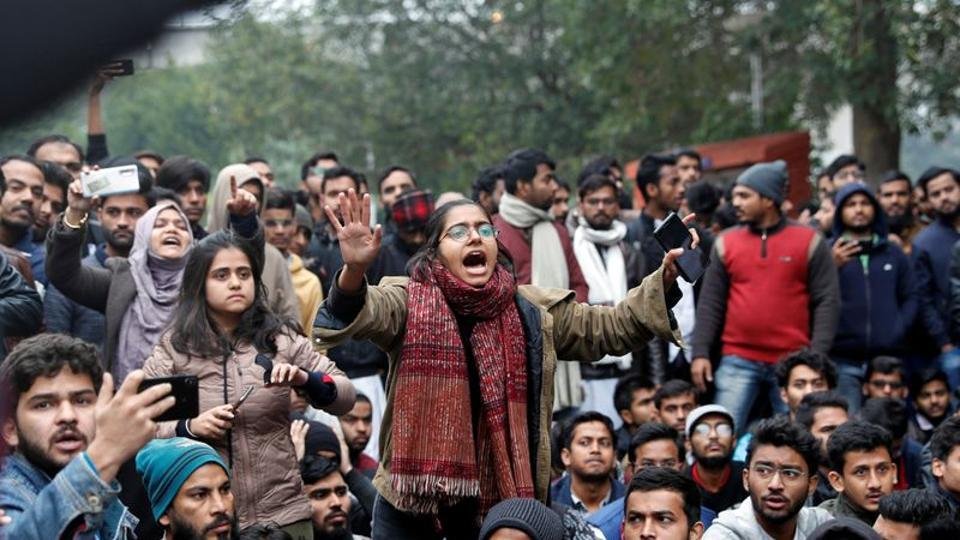
Table of Contents
Jamia Millia Islamia Shifts Classes Online Amid Campus Tensions
The university decided to conduct classes online with immediate effect until further notice as the situation on campus remained tense. The decision was intended to allow academic activities to continue while addressing concerns about the safety and security of students and staff.
The shift to online teaching affects the regular classroom schedule and requires faculty members and students to continue academic work through digital platforms. The administration has asked the university community to follow the revised arrangements and await further instructions through official communication channels.
The decision represents a significant development in the ongoing protest, as demonstrations and the resulting tensions have begun to affect the university’s normal functioning.
Although online classes allow teaching to continue, the arrangement does not resolve the underlying dispute between the protesting students and the administration. The central question remains whether and when Jamia will restore its university-wide students’ union and announce a schedule for elections.
The administration has not specified a date for the resumption of regular in-person classes, stating that the online arrangement will remain in place until further notice.
Clash Erupts as Security Guards Move to Remove Protest Tents
The latest confrontation occurred when security guards monitoring the protest reportedly began moving towards the tents set up by demonstrators on campus. The tents had been used by students participating in the sit-in, including those observing a hunger strike as part of their campaign for the restoration of the students’ union.
The move to remove the tents led to a confrontation between the protesters and security personnel, further escalating tensions at the university.
The protest has continued despite efforts by the administration to engage with student representatives and address their grievances. The presence of students on hunger strike has added urgency to the situation, as prolonged hunger strikes can raise concerns about participants’ health and the need for appropriate medical monitoring.
The wider agitation has also involved disagreements over the handling of demonstrations, disciplinary measures against students and the university’s approach to restoring elected student representation.
While the administration has emphasised the need to maintain order and ensure the smooth functioning of the campus, protesters have continued to demand action on their principal issue: the restoration of the Jamia Millia Islamia Students’ Union (JMISU).
The available reports do not establish a complete, independently verified account of every incident during the latest confrontation. Allegations concerning the conduct of security personnel and the actions of protesters should therefore be distinguished from facts confirmed by the university or other authorities.
Registrar Alleges Congress Leaders Aggravated the Situation
Jamia registrar Mahtab Alam Rizvi alleged that the actions of two Congress MPs who visited the campus before the latest confrontation contributed to the escalation of tensions.
According to Rizvi, Congress leaders Imran Pratapgarhi and Imran Masood entered the campus by jumping over a wall and disturbed the university environment. He alleged that their involvement had heightened tensions and drawn the student protest into a wider political narrative.
The registrar also said that a complaint had been filed with the Delhi Police in connection with the matter.
These statements represent the university administration’s account of the events. The allegations concerning the MPs’ entry into the campus and their role in the developments should not be treated as independently established facts without further confirmation.
The involvement of political representatives has added another dimension to the protest, which began around the demand for the restoration of the students’ union. Visits by political leaders and expressions of support for student demonstrators can bring greater public attention to campus disputes, while also prompting questions about the influence of outside political actors.
For the university, the immediate challenge is to manage the protest, maintain academic continuity and address student grievances without allowing the situation to deteriorate further.
Why Are Students Demanding the Restoration of JMISU?
The primary demand driving the agitation is the restoration of the Jamia Millia Islamia Students’ Union, which was dissolved in 2006 following incidents of campus violence and academic disruption.
Jamia’s last students’ union elections were held in 2005. The elected body was subsequently dissolved on March 31, 2006, amid concerns about violence and disruptions on campus. Since then, the absence of a university-wide elected students’ union has remained a point of contention for those seeking a formal democratic platform to represent students’ interests.
Students demanding its restoration argue that an elected union would provide a recognised channel through which they could raise concerns about university policies, campus facilities, academic issues and student welfare.
A university-wide union can also serve as a forum for discussion between students and the administration, allowing elected representatives to present collective concerns rather than relying exclusively on department-level mechanisms.
The administration, however, has historically cited concerns about law and order and the possibility of campus disruption when addressing the issue. It has also pointed to existing systems of student representation through elected office-bearers of departmental and subject associations.
The current protest reflects the continuing disagreement over whether these existing arrangements adequately represent the wider student community or whether a university-wide elected union should be restored.
Hunger Strike Intensifies Pressure on University Administration
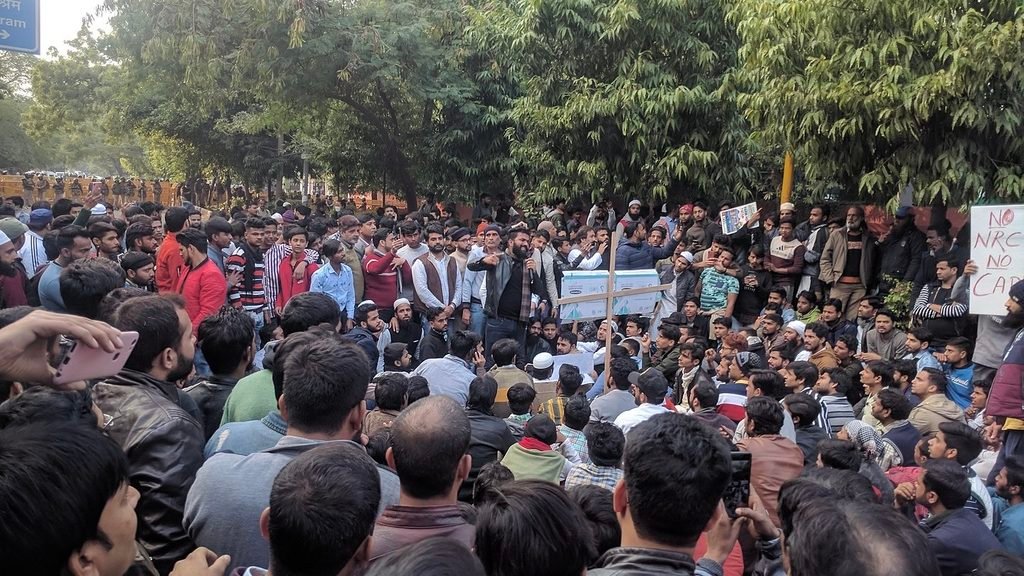
The protest gained momentum after five students began an indefinite hunger strike on October 12, demanding the restoration of the union and an announcement regarding the election schedule for the 2026–27 academic session.
The agitation has continued for nearly two weeks, increasing pressure on the university to respond to the students’ demands.
The protesters have also raised objections to disciplinary action taken against students involved in the agitation. Reports on the continuing dispute have identified demands for the withdrawal of disciplinary measures against three students and the removal of the university’s Chief Proctor and Security Advisor.
These additional demands have broadened the disagreement beyond the question of elections. The students’ position is that restoration of the union, a clear election schedule and action on disciplinary concerns are necessary to resolve the current impasse.
The hunger strike has also made the health and safety of the protesting students an important concern. Prolonged fasting can carry medical risks, making monitoring and access to appropriate medical care particularly important.
The administration has taken steps to engage with the protesters, but the continuing demonstrations indicate that the students remain dissatisfied with the progress towards meeting their demands.
University Forms Committee to Examine Union Restoration
In response to the agitation, Jamia Millia Islamia constituted a seven-member high-level committee to engage with protesting students, examine their demands and explore steps towards restoring normalcy on campus.
The administration subsequently announced the formation of a committee to draft a constitution for the proposed students’ union. The panel is expected to consider the circumstances surrounding the dissolution of JMISU in 2006, relevant court rulings and recommendations of the Lyngdoh Committee, which provides a framework for student union elections in educational institutions.
The committee’s work is significant because restoring an elected union involves more than announcing a polling date. A formal constitution and election mechanism would establish the structure of the organisation, define its functions and responsibilities, and set out procedures for conducting elections.
The university’s position is that these matters need to be examined before an election schedule can be announced. Students, however, have argued that the committee process does not meet their immediate demand for a clear timeline for elections.
This difference in approach has become one of the central obstacles to resolving the dispute. While the administration has emphasised consultation and the need for a formal framework, the protesters want a definite commitment towards restoring elected student representation.
The committee process could provide a route towards a negotiated settlement, but its effectiveness will depend on whether students consider its work sufficiently transparent, timely and responsive to their demands.
Academic Disruption Raises Concerns for Students and Faculty
The decision to move classes online highlights the impact that prolonged campus protests can have on academic life.
Universities depend on stable classroom schedules, access to campus facilities and regular interaction between students and faculty. When tensions disrupt these arrangements, students may face difficulties participating in practical sessions, accessing resources or completing academic activities that depend on in-person engagement.
For Jamia students, the online arrangement offers a way to continue classes while the administration addresses the immediate situation. However, the effectiveness of remote teaching will depend on communication, access to learning materials and the ability of faculty members to maintain academic continuity.
The disruption also places additional responsibility on the university to communicate clearly about class schedules, campus access and the conditions under which normal operations will resume.
At the same time, the ongoing dispute illustrates the importance of having effective mechanisms for resolving student grievances before disagreements escalate into confrontations that affect the wider university community.
A transparent dialogue between student representatives and university officials could help reduce uncertainty, clarify the process for restoring the union and establish expectations for future engagement.
What Happens Next?
The immediate priority for Jamia Millia Islamia is to ensure the safety of students and staff while maintaining teaching activities through online classes. The administration will also need to address the continuing protest, the concerns raised by hunger-striking students and the allegations surrounding the latest confrontation.
The committee examining the proposed students’ union constitution is expected to play an important role in determining the next steps towards restoring elected student representation. However, the disagreement over whether election dates should be announced before the completion of that process remains unresolved.
The filing of a complaint with the Delhi Police, as stated by the registrar, adds another dimension to the situation. Any further developments arising from that complaint would need to be assessed on the basis of official statements and verified information.
Ultimately, the dispute involves two closely connected concerns: the administration’s responsibility to maintain order on campus and students’ demand for a recognised democratic platform.
A sustainable resolution will require clarity on the proposed union’s structure, a credible process for addressing student grievances and constructive engagement between the administration and protesters.
For now, Jamia Millia Islamia’s shift to online classes reflects the seriousness of the campus situation. Whether the change remains temporary will depend on how quickly tensions subside and whether both sides can make progress towards resolving the long-running dispute over student union elections.