CBI Chargesheet Details Alleged Dowry Death, Cruelty and Abetment of Suicide
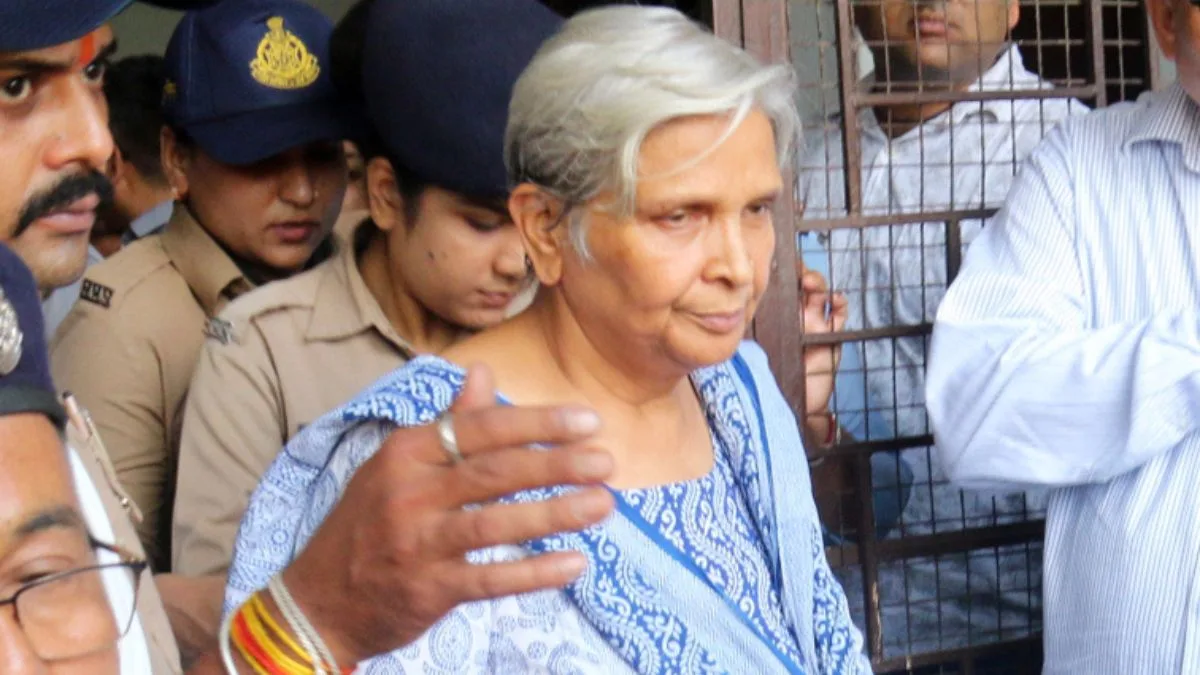
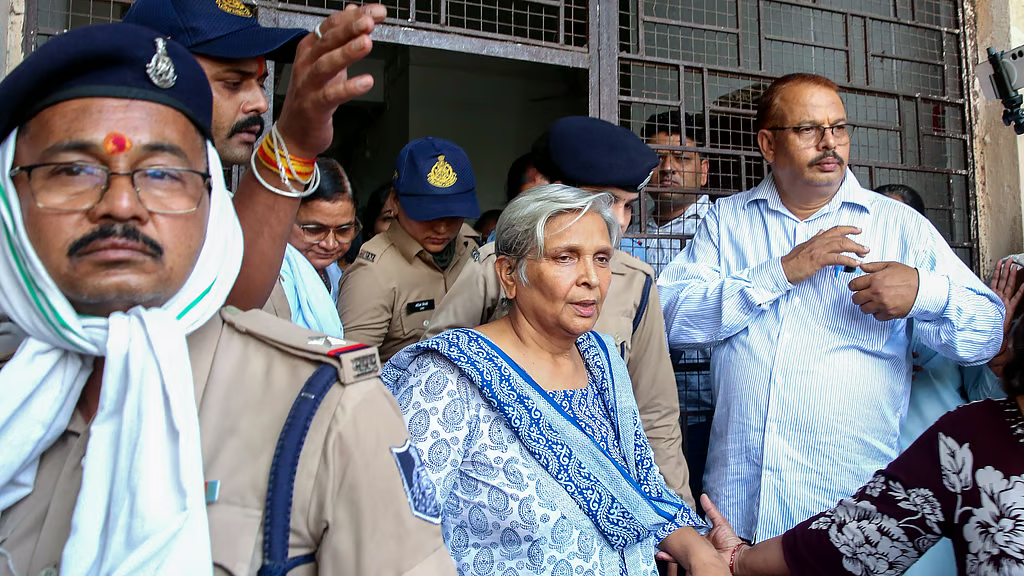
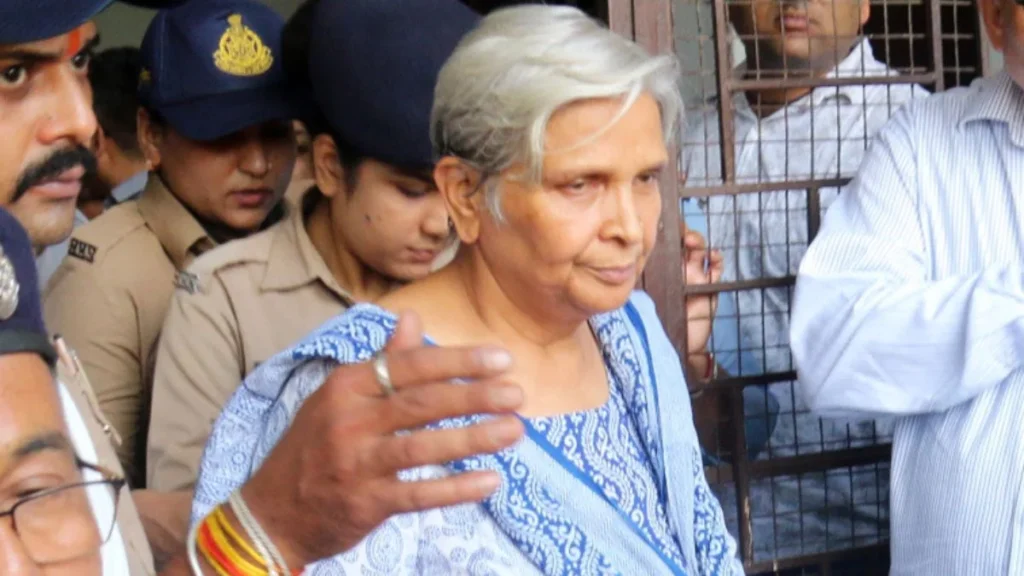
Twisha Sharma Case: The Central Bureau of Investigation (CBI) has filed a 636-page chargesheet, placing serious allegations of dowry-related harassment, cruelty and abetment of suicide against Judge Giribala and her son Samarth. The chargesheet follows an investigation into the circumstances surrounding Twisha Sharma’s death, including questions raised over the initial post-mortem examination, CCTV footage and events in the days surrounding her death.
According to chargesheet details accessed by Republic, the CBI has invoked multiple provisions of the Bharatiya Nyaya Sanhita (BNS), along with provisions of the Dowry Prohibition Act. The allegations before the court include dowry death, cruelty by a husband or his relatives, abetment of suicide and acts allegedly committed with common intention.
The filing represents a significant development in the case because it formally places the investigating agency’s findings and allegations before the court. However, the chargesheet itself does not establish guilt. The accused will have the opportunity to contest the allegations, and the final determination of criminal liability will be made through the judicial process.
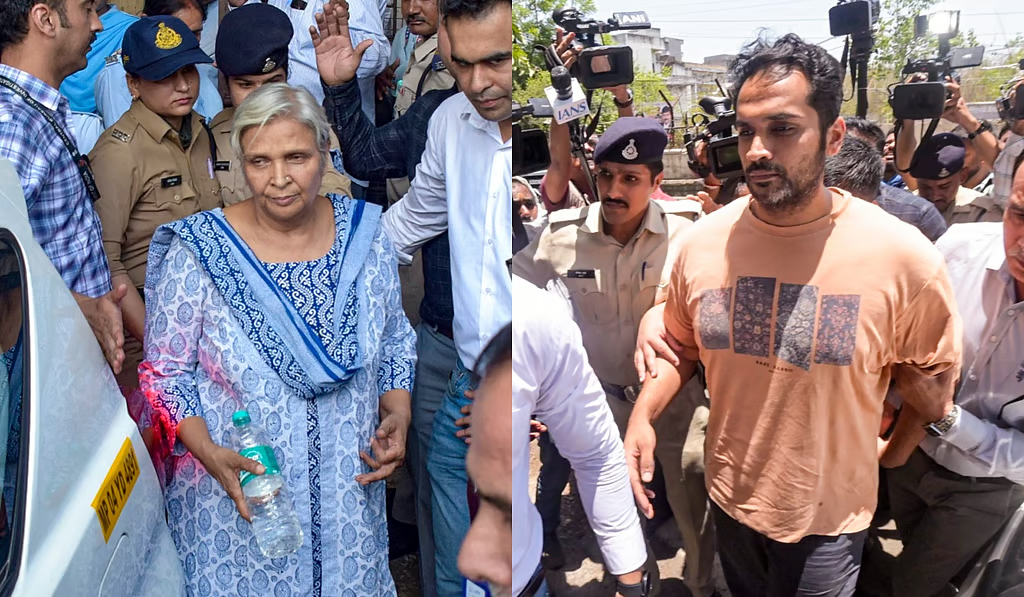
Table of Contents
Charges Invoked Under BNS and Dowry Prohibition Act
According to the details provided from the chargesheet, the accused have been booked under Section 80(2) of the BNS, which relates to dowry death. In the Twisha Sharma Case, Section 85, concerning cruelty by a husband or his relatives, and Section 108, relating to abetment of suicide, have also been invoked.
The chargesheet additionally mentions Section 3(5) of the BNS concerning acts done with common intention. Sections 3 and 4 of the Dowry Prohibition Act have also been included. The provisions form a key part of the allegations outlined in the Twisha Sharma Case.
The provisions carry significant legal consequences if the allegations are ultimately proved in court. Section 80(2), as cited in the case, provides for a minimum sentence of seven years in dowry death cases, which may extend to imprisonment for life. Section 85 provides for imprisonment of up to three years and a fine in cases involving cruelty by a husband or his relatives. Section 108 provides for punishment of up to 10 years and a fine for abetment of suicide. These provisions underline the seriousness of the charges in the Twisha Sharma Case.
The inclusion of these provisions indicates the seriousness with which the investigating agency has approached the circumstances surrounding Twisha’s death. The court will assess the allegations and supporting evidence as the Twisha Sharma Case progresses through the judicial process.
Questions Over Initial Post-Mortem Examination
One of the important aspects of the investigation has been the medical examination conducted after Twisha Sharma’s death. The medical evidence has assumed particular significance in the Twisha Sharma Case because questions were reportedly raised over the initial findings.
According to the information cited in the case, questions were raised regarding the findings of the initial post-mortem examination. Twisha’s family reportedly expressed doubts over the first report and sought further examination of the circumstances of her death.
Following an order of the Jabalpur High Court, a second post-mortem examination was conducted by a team from Delhi’s All India Institute of Medical Sciences (AIIMS) at AIIMS Bhopal. The development became an important stage in the Twisha Sharma Case investigation.
The second examination reportedly concluded that Twisha had died by hanging. The findings became an important part of the subsequent investigation, particularly because questions had already been raised regarding the initial post-mortem findings.
The involvement of a second medical examination was significant because post-mortem findings can play a crucial role in determining the circumstances and possible manner of death in a criminal investigation. In the Twisha Sharma Case, investigators may examine medical evidence alongside forensic material, witness statements, electronic records and other evidence before reaching conclusions.
Forensic Expert Raised Questions Over Investigation
The medical and forensic aspects of the case also attracted attention during the investigation. These aspects are expected to remain important as the Twisha Sharma Case moves forward in court.
Forensic expert Dinesh Rao, who had initially flagged inconsistencies in the first autopsy, reportedly described it as “surprising” that the accused had been booked for abetment of suicide. He noted that establishing such a charge in court can generally be difficult because investigators must establish a legally sufficient connection between the accused’s alleged conduct and the suicide.
The observation highlights the importance of evidence in cases involving an allegation of abetment. Simply establishing that a death was a suicide is separate from proving that another person legally abetted it. The prosecution must rely on evidence capable of establishing the required elements of the offence.
The CBI’s chargesheet is therefore expected to be examined closely by the court as the Twisha Sharma Case proceedings move forward.
CCTV Timestamp Discrepancy Becomes Key Investigative Issue
Another significant element examined during the investigation was CCTV footage from the residence. The footage has become another important component of the Twisha Sharma Case investigation.
According to the case details, the CCTV system reportedly showed a timestamp discrepancy of approximately two days, two hours and 20 minutes. A technician reportedly attributed the discrepancy to a software or maintenance-related issue.
The discrepancy nevertheless prompted questions about the reliability of the footage and whether any CCTV material had been altered or tampered with. Investigators also examined footage reportedly connected with a salon. These issues formed part of the broader evidence reviewed in the Twisha Sharma Case.
CCTV recordings can become important evidence in criminal investigations because they can help establish the movements of individuals, the timing of events and the presence or absence of people at a particular location. However, investigators must also verify the authenticity, continuity and technical integrity of such recordings.
In this case, the reported timestamp discrepancy became one of the issues requiring examination as investigators sought to reconstruct the sequence of events surrounding Twisha’s death. The significance of the footage will ultimately depend on how the evidence is presented and assessed by the court in the Twisha Sharma Case.
Giribala’s Alleged Calls During Crucial Days Examined
The investigation also looked into alleged communications made by Giribala in the days surrounding Twisha’s death.
According to the allegations cited in the source material, Giribala made around 46 calls between May 12 and May 14. The people reportedly contacted included judicial officers, senior government officials, doctors, advocates and CCTV personnel.
The nature and purpose of these communications became part of the scrutiny surrounding the case. Republic reportedly contacted some of the individuals who received calls in an effort to ascertain the circumstances and reasons behind the communications.
Call records can be an important investigative tool in cases where authorities are attempting to establish a timeline. Investigators can examine when calls were made, their duration and the identities of the people involved, while the actual significance of individual conversations must be assessed through supporting evidence.
The alleged pattern of calls therefore became another element examined during the CBI investigation.
Investigation Examined Ligature Belt Theory
Another aspect of the investigation involved what has been described as the “ligature belt theory”.
The circumstances surrounding the alleged ligature and the manner in which it may have been involved in the death were examined as part of the wider forensic investigation. Such evidence can be relevant when investigators attempt to establish the manner and circumstances of death.
The issue was considered alongside the post-mortem findings and other forensic evidence. The second post-mortem examination reportedly concluded that Twisha died by hanging, adding further importance to the investigation into the physical and forensic circumstances surrounding the death.
The final assessment of this evidence will ultimately depend on how it is presented and tested during the judicial proceedings.
Samarth’s Movements Also Investigated
The CBI investigation also examined the movements of Samarth following the incident.
According to the source material, Samarth was reportedly on the run for a period after the incident. His movements subsequently became part of the wider investigation, with Republic reporting on efforts to track his whereabouts during its coverage of the case.
The movements of an accused or person connected to a criminal investigation can become relevant when investigators attempt to reconstruct events before and after an incident. However, the mere fact that an individual leaves a location or remains unavailable does not by itself establish criminal guilt. The significance of such conduct must be assessed alongside other evidence.
The CBI has now incorporated its findings into the 636-page chargesheet submitted before the court.
Dowry Death Allegations at the Centre of Case
At the heart of the chargesheet are allegations relating to dowry harassment and cruelty.
Dowry-related offences remain a serious area of criminal law in India, with the legal framework providing penalties for demanding, giving or taking dowry and for deaths allegedly connected with dowry-related harassment.
In the present case, the CBI has alleged offences under the BNS and the Dowry Prohibition Act. The chargesheet is expected to provide the prosecution’s account of the alleged harassment and the circumstances that investigators believe led to Twisha’s death.
The court will now have to examine the material submitted by the investigating agency and determine how the proceedings should progress. Evidence presented during the trial will be subject to scrutiny and challenge by the defence.
What the 636-Page Chargesheet Means
The filing of a 636-page chargesheet marks a major procedural development in the case. A chargesheet generally sets out the investigating agency’s allegations, the offences it believes have been committed and the evidence it proposes to rely upon.
It does not amount to a conviction.
The allegations against Judge Giribala and Samarth will have to be established according to the applicable legal standards. The defence will have an opportunity to challenge the prosecution’s evidence, including medical findings, forensic material, CCTV footage, call records and witness accounts.
The court will ultimately determine whether the evidence is sufficient to establish the charges beyond the required legal standard.
Case Moves Into the Judicial Phase
With the CBI filing its chargesheet, the Twisha Sharma death case moves into an important judicial phase. The investigation has brought together several strands of evidence, including two post-mortem examinations, forensic observations, CCTV records, alleged call details and the movements of individuals connected with the case.
The second post-mortem conducted following the Jabalpur High Court’s intervention, the reported CCTV timestamp discrepancy and the alleged communications during the crucial period are among the issues that have attracted particular attention.
The prosecution will now have to present its evidence before the court, while the accused will have the opportunity to respond to the allegations and challenge the material relied upon by the CBI.
For the family of Twisha Sharma, the chargesheet represents another significant stage in their pursuit of answers surrounding her death. For the accused, however, the allegations remain subject to judicial determination.
As proceedings continue, the court’s assessment of the medical evidence, forensic material, electronic records, witness testimony and other investigative findings will be crucial in determining the course of the case. Until a final verdict is delivered, all allegations contained in the chargesheet remain allegations, and the accused are presumed innocent unless proven guilty in accordance with law.