
Dengue is usually associated with high fever, severe headache, body aches, nausea and fatigue. However, in a small number of severe cases, the infection can also involve the nervous system, raising concerns about complications affecting the brain. Medical evidence shows that neurological complications of dengue are possible, although they are considered uncommon.
The concern becomes particularly important when a person with dengue develops unusual symptoms such as confusion, seizures, reduced consciousness, weakness or other neurological changes. Such symptoms should not simply be assumed to be part of ordinary dengue and require prompt medical assessment.
At the same time, it is important not to assume that every person with dengue is at risk of a brain stroke. Most dengue infections are mild or moderate and resolve with appropriate medical care.
Table of Contents
What Is Dengue and Why Can It Become Serious?
Dengue is a viral infection transmitted primarily through the bite of infected Aedes mosquitoes. The World Health Organization (WHO) says dengue is common in tropical and subtropical regions and can range from an illness with few or no symptoms to severe disease requiring hospital care.

Common symptoms include:
- High fever
- Severe headache
- Pain behind the eyes
- Muscle and joint pain
- Nausea or vomiting
- Rash
- Swollen glands
Symptoms generally begin several days after infection and most people recover within one to two weeks. However, severe dengue can develop and may involve bleeding, plasma leakage, shock or serious organ involvement.
This distinction between ordinary dengue and severe dengue is important when discussing possible brain complications.
Can Dengue Affect the Brain?
Yes, but neurological involvement is uncommon.
WHO guidance on dengue describes neurological manifestations including seizures, changes in consciousness and temporary weakness. Such complications can occur through different mechanisms, including complications of severe dengue, metabolic disturbances and, in some cases, possible direct involvement of the central nervous system.
Research published by the CDC’s Emerging Infectious Diseases journal has also documented dengue cases involving the central nervous system. Studies have found evidence that the dengue virus can, in some circumstances, have neuroinvasive properties and may be associated with conditions such as encephalitis and meningitis.
This does not mean that dengue routinely attacks the brain. Rather, neurological complications are among the less common manifestations that doctors need to consider when a dengue patient develops concerning neurological symptoms.
Dengue and Brain Stroke: Are They the Same Thing?
Not exactly.
A stroke occurs when the brain’s blood supply is interrupted or when bleeding occurs in the brain. Dengue, on the other hand, is a viral infection.
However, severe dengue can affect the body’s blood vessels, clotting system and circulation. Serious bleeding can occur, including bleeding involving the central nervous system. The CDC’s current dengue case definition includes central nervous system bleeding as a form of severe bleeding.
WHO also lists intracranial bleeding among unusual neurological manifestations associated with dengue.
Therefore, a dengue patient who suddenly develops neurological symptoms may need urgent evaluation to determine whether the problem involves bleeding, inflammation, swelling, circulation problems or another complication.
How Severe Dengue Can Lead to Neurological Problems
There is no single pathway responsible for every neurological complication.
According to CDC clinical guidance, changes in mental status in severe dengue can be associated with several conditions, including metabolic acidosis, cerebral swelling, low sodium levels, severe liver failure and intracranial bleeding.
In other words, the brain may be affected indirectly because severe dengue has disrupted other systems of the body.
For example, severe illness can affect circulation and oxygen delivery. Changes in fluid balance and blood chemistry can also interfere with normal brain function.
In some cases, however, evidence suggests that dengue virus itself can involve the central nervous system. This is why doctors distinguish between encephalopathy, where brain function is disturbed because of systemic illness or metabolic problems, and encephalitis, where inflammation of brain tissue is involved.
What Is Dengue Encephalopathy?
Encephalopathy is a broad term describing altered brain function.
In severe dengue, it can occur because of complications elsewhere in the body. CDC guidance lists several possible contributors, including prolonged shock, cerebral edema, low sodium, liver failure and intracranial hemorrhage.
A person may therefore experience changes in awareness or behaviour when severe dengue affects normal brain function.
This is different from saying that dengue always directly infects brain tissue.
Doctors need to assess the underlying cause rather than assuming that every neurological symptom has the same explanation.
What Is Dengue Encephalitis?
Encephalitis means inflammation of the brain.
Medical literature has provided evidence that dengue virus can sometimes affect the central nervous system directly. CDC-published research has reported detection of dengue virus material in cerebrospinal fluid in neurological cases, supporting the possibility of direct central nervous system infection.
Dengue-associated encephalitis remains uncommon, but its possibility is clinically important because it can present differently from the usual symptoms of dengue.
A patient with dengue who develops confusion, seizures or a significant change in consciousness may require neurological evaluation.
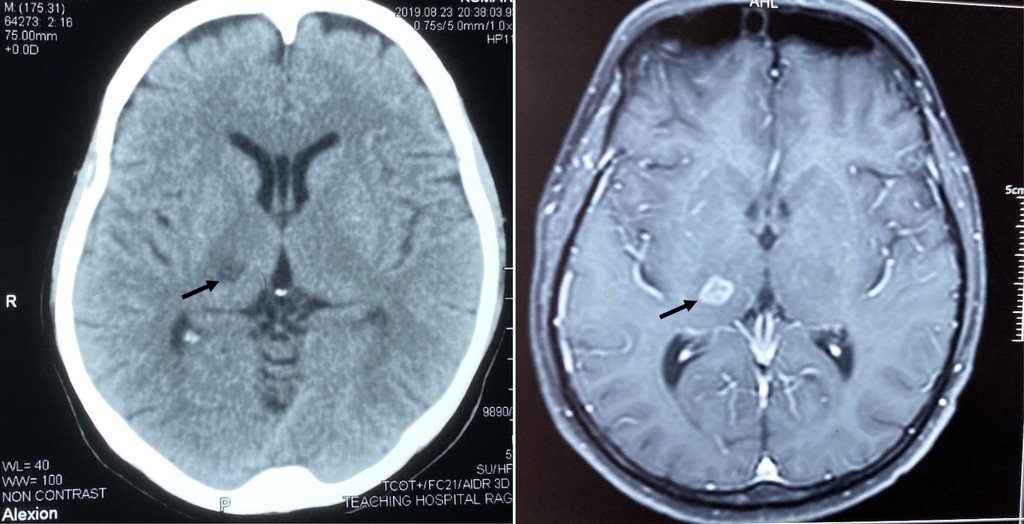
Other Neurological Complications
Brain involvement in dengue is not limited to encephalitis.
Reported neurological manifestations include:
- Seizures
- Changes in consciousness
- Temporary weakness
- Meningitis or meningoencephalitis
- Encephalopathy
- Encephalitis
- Intracranial bleeding
- Rare neurological syndromes involving brain swelling or altered blood-flow regulation
WHO describes these as unusual or atypical manifestations rather than the normal course of dengue.
CDC records also recognise impaired consciousness and diagnoses such as encephalitis, encephalopathy and meningitis as signs of severe organ involvement in dengue.
A Rare Condition: PRES
Researchers have also reported rare cases of posterior reversible encephalopathy syndrome (PRES) associated with dengue.
PRES is a neurological condition involving brain swelling and changes visible on brain imaging. A CDC-published case report described dengue-associated PRES and noted that endothelial dysfunction may play a role in both dengue and the syndrome.
Importantly, this is a rare complication and should not be interpreted as something that most dengue patients will experience.
Its significance is that doctors may need to consider several possible neurological explanations when a dengue patient develops symptoms that do not fit the usual pattern.
Which Symptoms Should Never Be Ignored?
Most dengue symptoms do not indicate a brain complication. However, certain changes require urgent medical attention.
These include:
Sudden confusion or unusual behaviour: A major change in awareness can indicate severe disease or neurological involvement.
Seizures: A seizure in a dengue patient requires immediate medical assessment.
Loss of consciousness: Reduced consciousness is recognised as a sign of severe organ involvement.
Sudden weakness or paralysis: New weakness, particularly if it develops suddenly, should be treated as an emergency.
Severe or unusual headache: Dengue itself commonly causes headache, but a rapidly worsening or unusual headache alongside neurological symptoms needs assessment.
Bleeding: Nose or gum bleeding, blood in vomit or stool, or other significant bleeding can be warning signs of severe dengue.
Persistent vomiting or severe abdominal pain: These can also occur during severe dengue and warrant prompt medical evaluation.
Why the Period After Fever Can Be Important
One common misconception is that the danger ends when the fever comes down.
WHO notes that warning signs of severe dengue can appear around the time the fever resolves. These can include severe abdominal pain, persistent vomiting, rapid breathing, bleeding, extreme weakness and other signs of deterioration.
Therefore, a person should not automatically assume that a falling temperature means the illness has completely passed.
If new neurological symptoms appear during this period, medical attention is especially important.
Does Every Dengue Patient Need a Brain Scan?
No.
Brain imaging or other neurological investigations are generally considered when a patient’s symptoms indicate a possible neurological complication. The appropriate tests depend on the symptoms and the doctor’s examination.
CDC guidance notes that central nervous system imaging may sometimes show abnormalities suggestive of meningitis or encephalitis, but imaging alone does not establish every neurological diagnosis.
Doctors may consider blood tests, neurological examination, imaging and, when appropriate, examination of cerebrospinal fluid to understand what is happening.
The decision depends on the patient’s condition and should be made by healthcare professionals.
Dengue Does Not Automatically Mean Stroke
This point deserves emphasis.
A diagnosis of dengue does not mean that a person is going to have a stroke.
Most people with dengue recover without neurological complications. WHO states that most infections are mild or asymptomatic, while only a smaller proportion develop severe disease.
Neurological complications are uncommon, but because some can be serious, warning symptoms should never be ignored.
The correct approach is neither to panic nor to dismiss unusual symptoms.
Prevention Remains Important
Since dengue is transmitted by mosquitoes, preventing mosquito bites remains one of the most important ways to reduce risk.

WHO recommends measures to reduce exposure to infected mosquitoes, particularly because Aedes mosquitoes can transmit dengue during the daytime.
Community-level mosquito control is also important. Removing standing water around homes and other areas can help reduce mosquito breeding sites.
People living in areas where dengue is circulating should follow local public-health guidance and seek medical care when symptoms develop.
Treatment Focuses on Supportive Care
There is currently no specific antiviral treatment that cures dengue itself. Medical care focuses on monitoring the illness, managing symptoms and recognising severe disease early.
This is particularly important because severe dengue can progress quickly.
Patients should follow the treatment plan provided by their healthcare professional rather than relying on internet remedies or attempting to manage serious symptoms without medical supervision.
The Bottom Line
Dengue can, in rare cases, affect the nervous system and lead to serious neurological complications, including encephalopathy, encephalitis, meningitis, seizures and intracranial bleeding.
However, dengue should not automatically be equated with brain stroke. Most infections are not associated with these complications.
The important message is awareness: if a person with dengue develops sudden weakness, confusion, seizures, loss of consciousness, severe unusual headache or signs of significant bleeding, they need urgent medical evaluation.
Early recognition of severe dengue and appropriate medical care can significantly improve outcomes.
For anyone currently experiencing dengue symptoms or neurological changes, an in-person assessment by a qualified healthcare professional is more reliable than trying to determine the cause from symptoms alone.