
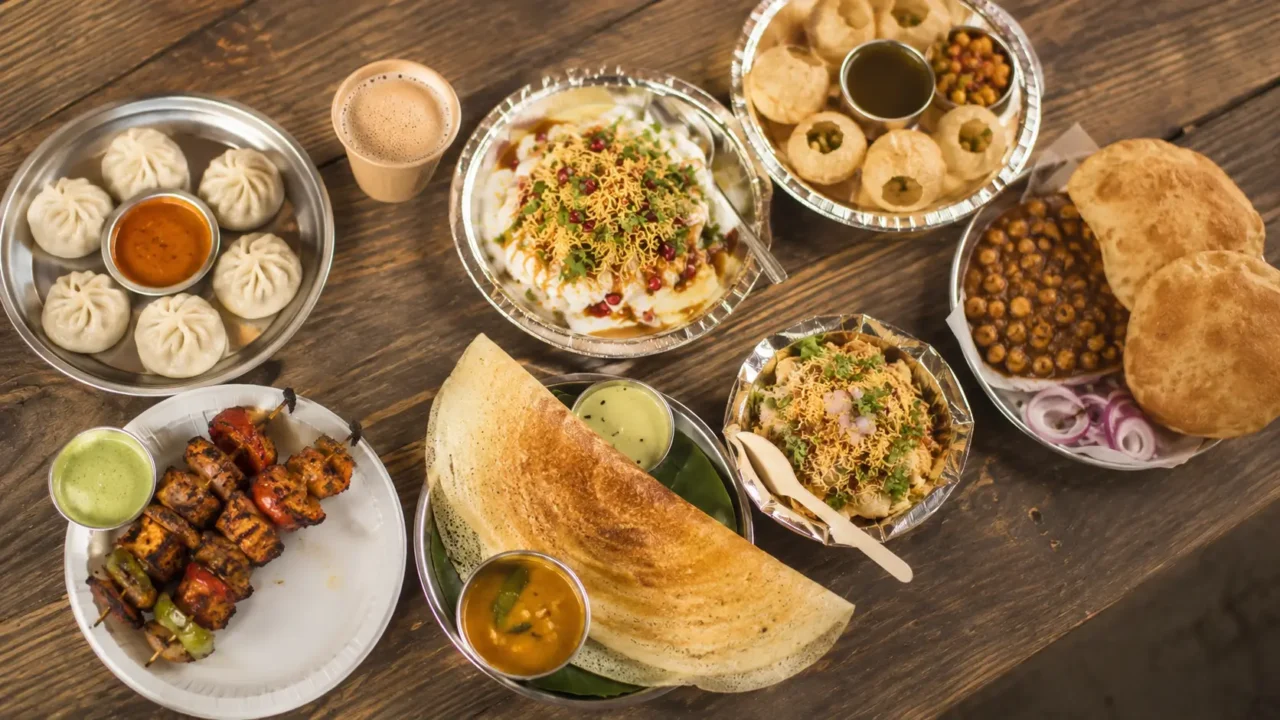
India’s street food culture is as diverse as the country itself, with every region offering its own flavours, recipes and culinary traditions. From spicy chaats and crispy snacks to stuffed parathas, kebabs and refreshing drinks, street food has become an important part of everyday life as well as India’s tourism experience.
Among the many cities famous for their food culture, Delhi is widely recognised as the Street Food Capital of India. Its reputation comes from the remarkable variety of dishes available across its neighbourhoods, the historical influences behind its cuisine and the enormous scale of its street-food culture. Recent Indian media coverage has also described Delhi as the country’s street-food capital, highlighting its combination of heritage, variety and accessibility.
From the historic lanes of Old Delhi to busy markets and neighbourhood food streets, Delhi offers an extensive selection of affordable and flavourful foods. Its culinary identity has developed over centuries, shaped by Mughal traditions, migration, trade and the arrival of communities from different parts of India.
Table of Contents
Why Delhi Is Called the Street Food Capital of India
Delhi’s claim to the title is closely connected with its history. The city has experienced the influence of different empires, traders, migrants and communities, each contributing something to its food culture.
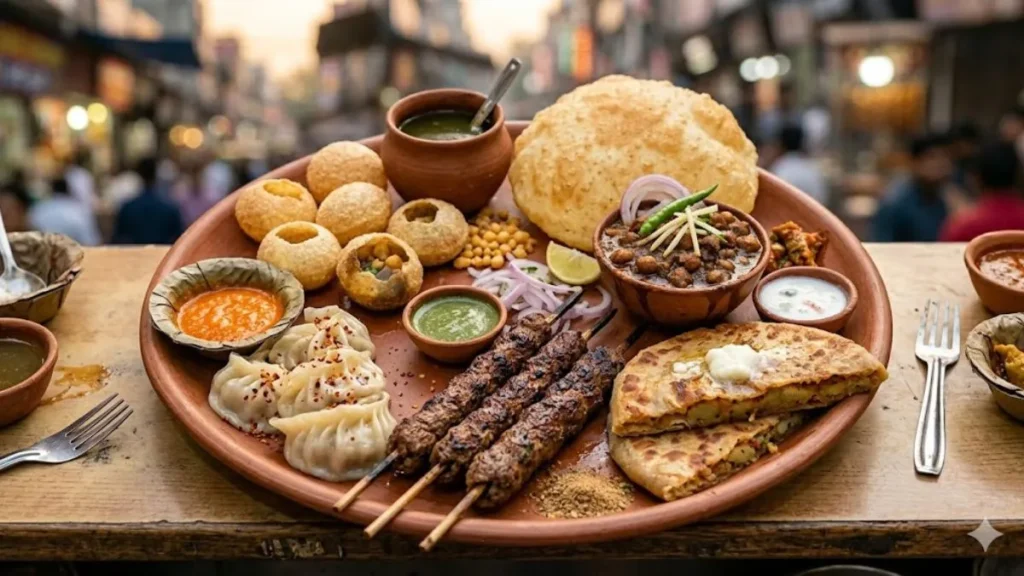
Old Delhi, particularly the historic area around Shahjahanabad, remains one of the strongest examples of this culinary heritage. The neighbourhood is known for its narrow lanes, busy markets and traditional eateries. Incredible India describes Old Delhi as an area with a vibrant food culture where visitors can encounter recipes influenced by historic Mughal kitchens.
Delhi’s modern street-food culture also reflects migration. Communities arriving from different parts of the country brought their own cooking traditions and adapted them to the city. This created a food landscape in which Punjabi dishes, Mughlai preparations, North Indian snacks and newer street-food trends exist side by side.
This combination of history and constant culinary change is one of the reasons Delhi has developed such a strong reputation among food lovers.
The Historic Influence of Old Delhi
Old Delhi is particularly important to the city’s food identity. The area developed around Shahjahanabad, the historic Mughal capital, and its food traditions continue to influence Delhi’s culinary reputation.
The narrow streets around Chandni Chowk and surrounding markets are associated with traditional snacks, breads, chaats and rich preparations. The area’s food culture developed alongside its commercial life, with vendors providing quick and affordable food to shoppers, workers and visitors.
According to India Today, Delhi’s street-food culture evolved alongside the city’s history, with merchants and travellers contributing to the development of bustling marketplaces and food traditions.
The result is a food culture where history is not confined to museums or monuments. It can also be experienced through the dishes served on busy streets.
Famous Street Foods of Delhi
Delhi offers an enormous variety of street foods, making it difficult to create a definitive list. However, several dishes have become closely associated with the city.
Chole Bhature
Chole bhature is one of the most recognisable foods associated with Delhi’s food scene. The dish combines spicy chickpeas with bhature, a fluffy deep-fried bread.
It is particularly popular as a filling breakfast or lunch and can be found in markets and neighbourhood food outlets throughout the city.
Golgappa
Golgappa, also known as pani puri or puchka in different parts of India, is another favourite among Delhi food lovers.
The crispy puris are filled with spiced water, potatoes, chickpeas and chutneys. The combination of sweet, sour, spicy and tangy flavours makes it one of India’s most popular street snacks.
Aloo Tikki
Aloo tikki is a crisp potato-based snack commonly served with chutneys, yoghurt and spices. Delhi has developed its own variations, and the dish is particularly popular at traditional chaat stalls.
Parathas
Delhi is also famous for its stuffed parathas. Paranthe Wali Gali in Chandni Chowk is one of the city’s best-known food lanes and has become an important attraction for visitors exploring Old Delhi.
Different fillings and accompaniments make parathas a versatile part of the city’s food culture.
Kebabs and Mughlai Food
Delhi’s Mughlai influence can be seen in its kebabs, curries and breads. Old Delhi has long been associated with rich, aromatic dishes influenced by the culinary traditions of historic royal kitchens.
These foods demonstrate how Delhi’s street cuisine extends beyond vegetarian snacks to include a broad range of regional and historical flavours.
Chandni Chowk: A Major Street-Food Destination
For many visitors, no exploration of Delhi’s street food is complete without visiting Chandni Chowk.
The historic market is known for its crowded lanes, traditional shops and long-standing food establishments. The area brings together several aspects of Delhi’s identity: commerce, heritage, tourism and food.
Visitors can find everything from chaats and parathas to sweets, kebabs and other traditional preparations.
The Economic Times has identified Chandni Chowk and Connaught Place among the important destinations for experiencing Delhi’s street-food culture.
The popularity of Chandni Chowk also demonstrates why Delhi’s street food is more than an occasional attraction. Food is deeply integrated into the city’s daily commercial and social life.
Delhi’s Street Food Is Shaped by Migration
One of the defining features of Delhi’s food culture is its ability to absorb influences from different communities.
The city has experienced several major waves of migration throughout its history. After Partition, for example, Punjabi refugees contributed significantly to Delhi’s food culture, helping popularise dishes such as chole bhature and tandoori preparations.
Later, food traditions from other parts of India also became increasingly visible across Delhi. This means that the city’s street-food scene cannot be described as belonging to just one culinary tradition.
Instead, it represents a constantly evolving mixture of flavours.
Delhi Versus Other Street-Food Cities
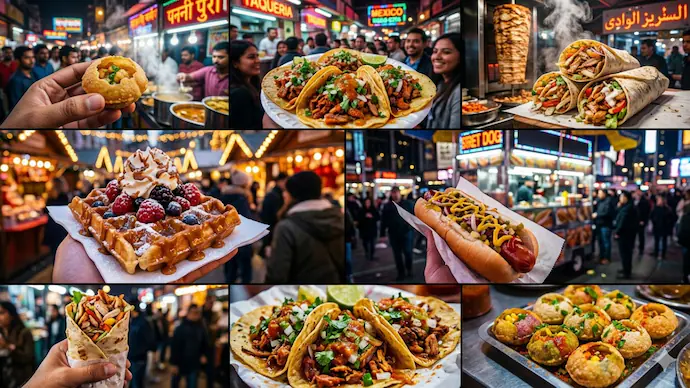
Although Delhi is widely called the Street Food Capital of India, it is not the only city with a famous street-food culture.
Mumbai is particularly known for vada pav, pav bhaji and bhel puri. Its street food reflects the fast-paced character of the city and its long-standing culture of affordable, convenient meals.
Kolkata is famous for puchka, kathi rolls and jhalmuri, while Lucknow is associated with its rich Awadhi culinary traditions and kebabs.
Indore has developed a reputation for its organised food markets and evening food culture. Hyderabad is known for dishes and drinks such as Irani chai and Osmania biscuits, while Chennai has a strong tradition of South Indian foods including idli and dosa.
Each city has its own culinary identity. Delhi’s distinction comes largely from the combination of historical depth, enormous variety and the scale at which street food is consumed.
Why Street Food Matters to Delhi’s Culture
Street food is not simply about satisfying hunger. It is closely connected with livelihoods, tourism, social interaction and cultural memory.
Thousands of small vendors and food businesses depend on customers visiting markets and neighbourhood food streets. For many people, these establishments also represent family traditions passed down over generations.
Street food can therefore act as a bridge between different communities. A single market may contain dishes influenced by several regions, allowing people to experience different culinary traditions within a relatively small area.
India Today notes that street food provides affordable meals and livelihoods while helping preserve regional recipes and food traditions.
Street Food and Tourism
Delhi’s food culture is also an important part of its appeal to tourists.
The city already attracts visitors because of its historic monuments, museums and cultural landmarks. Food adds another dimension to the experience.
In Old Delhi, visitors can combine heritage walks with culinary exploration, discovering traditional dishes while walking through historic markets.
The official Incredible India tourism portal highlights Old Delhi’s distinctive food culture and its connection with historic recipes and Mughal culinary traditions.
This makes street food an important part of Delhi’s wider tourism economy.
The Changing Face of Delhi’s Street Food
While traditional dishes remain popular, Delhi’s street-food scene is constantly changing.
New food trends, social media and changing consumer preferences have introduced fusion dishes and modern interpretations of traditional snacks. At the same time, established foods such as chole bhature, golgappa, parathas and kebabs continue to attract customers.
This balance between tradition and innovation keeps Delhi’s food culture dynamic.
The city’s street food is therefore not frozen in history. It continues to evolve as new communities, ingredients and culinary ideas become part of Delhi’s everyday life.
Food Safety and Responsible Eating
The popularity of street food also makes food safety an important consideration.
Consumers can make sensible choices by selecting busy stalls with high customer turnover, observing basic cleanliness and being cautious with foods that have been sitting uncovered for long periods.
Drinking safe water and choosing freshly prepared items can also reduce the risk of food-related illness.
Food safety remains particularly important in a city where street vendors serve large numbers of people every day.
The Final Verdict: Delhi Holds the Title
So, which city is known as the Street Food Capital of India? The answer is Delhi.
The title is supported by the city’s extraordinary range of foods, historic culinary influences and deeply rooted street-food culture. From the chaats of Old Delhi and stuffed parathas of Chandni Chowk to chole bhature, golgappas and Mughlai-inspired dishes, Delhi offers an extensive culinary journey through its streets.
Other Indian cities, including Mumbai, Kolkata, Lucknow, Hyderabad and Indore, have equally distinctive food traditions. But Delhi stands apart for the way its history, migration, commerce and cuisine have combined to create a street-food culture that is both diverse and deeply embedded in everyday life.
For travellers and food enthusiasts, exploring Delhi’s street food is therefore more than simply trying different dishes. It is a way of experiencing the city’s history, communities and changing identity—one plate at a time.