

Have you ever replayed an awkward conversation dozens of times, questioned every decision you’ve made, or spent hours worrying about something that hasn’t even happened yet? If so, you’re not alone. Millions of people experience overthinking every day—a mental pattern that can quietly consume time, drain emotional energy, and make even the simplest decisions feel overwhelming.
According to psychology, overthinking is far more than just “thinking too much.” It is a repetitive cognitive process that traps the brain in endless cycles of analysis, self-doubt, and worry. Instead of helping solve problems, it often magnifies stress, fuels anxiety, disrupts sleep, and negatively impacts relationships, productivity, and overall mental well-being.
In today’s hyperconnected world—where constant notifications, social media comparisons, workplace pressures, financial concerns, and uncertainty dominate daily life—the phenomenon of overthinking has become increasingly common. Mental health experts say that while our brains are naturally designed to analyze situations for safety and survival, modern lifestyles can push this protective mechanism into overdrive.
Understanding the psychology behind overthinking is the first step toward regaining control of your thoughts and building healthier mental habits. Here’s what experts say about why our minds get stuck—and how we can finally break free.
Table of Contents
What Is Overthinking? Understanding the Psychology Behind It
In psychological terms, overthinking is the tendency to repeatedly analyze situations, decisions, or emotions far beyond what is useful or productive. It generally appears in two forms:
Rumination: Living in the Past
Rumination occurs when people repeatedly replay past experiences, conversations, or mistakes in their minds.
Common thoughts include:
- “Why did I say that?”
- “I should have handled it differently.”
- “What if I had made another choice?”
Rather than providing answers, rumination often keeps individuals emotionally tied to past events, making it difficult to move forward.
Worry: Living in the Future
The second form of overthinking is excessive worry about future events.
People may constantly imagine:
- Failing an exam or interview.
- Losing a job.
- Relationship problems.
- Financial difficulties.
- Health concerns.
While planning ahead is healthy, persistent worry often leads to unnecessary anxiety without improving outcomes.
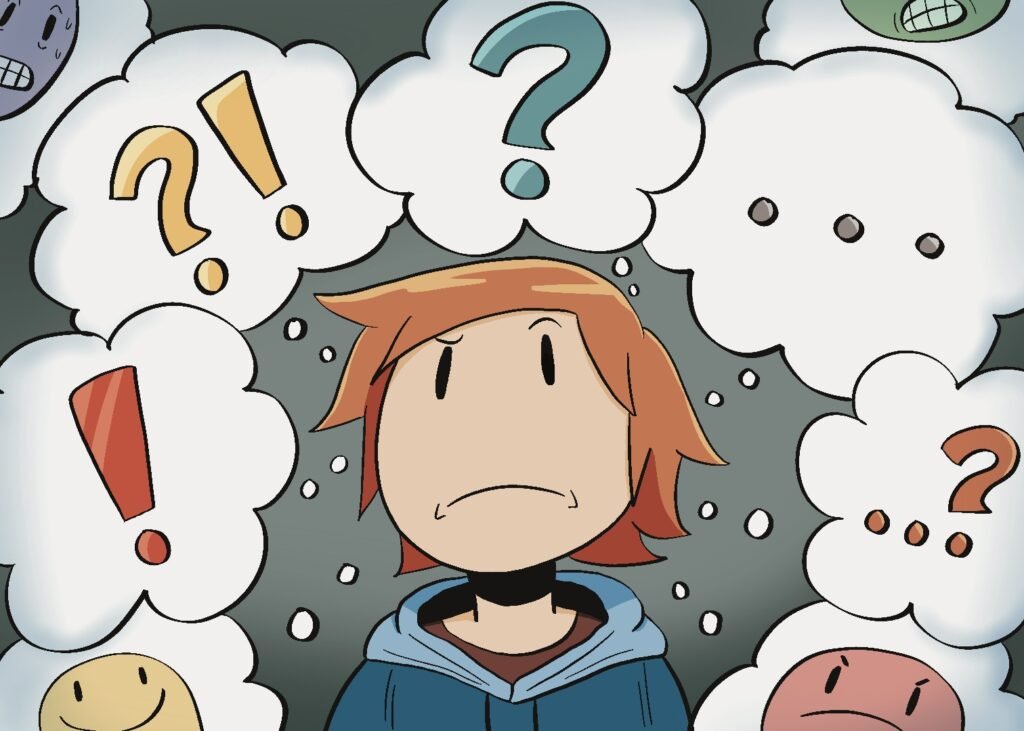
Why Does the Brain Overthink? The Psychology Explained
Psychologists explain that the human brain evolved to detect danger and anticipate problems. Thousands of years ago, carefully analyzing threats helped humans survive.
Today, however, the brain often treats everyday challenges—such as deadlines, social interactions, or career decisions—as potential threats.
As a result, it continues searching for certainty in situations where complete certainty simply doesn’t exist.
Fear of Making the Wrong Decision
Many people believe that if they think long enough, they can avoid every possible mistake.
In reality, no decision is completely risk-free.
This constant search for the “perfect” answer often creates analysis paralysis, where thinking replaces action.
The Need to Control Uncertainty
One of the biggest triggers of overthinking is uncertainty.
Whether waiting for exam results, a job offer, or a message from someone important, the brain tries to predict every possible outcome to regain a sense of control.
Ironically, this usually increases stress rather than reducing it.
Negative Thinking Bias
Psychological research shows that the human brain naturally remembers criticism, failures, and negative experiences more strongly than positive ones.
Known as the negativity bias, this tendency can cause people to focus excessively on what went wrong instead of what went well.
Perfectionism and Self-Doubt
Perfectionists often overthink because they fear making mistakes or disappointing others.
Similarly, psychology individuals with low self-confidence may repeatedly question their own decisions, creating an endless cycle of doubt and reassurance-seeking.

How Overthinking Affects Mental Health
Although occasional reflection is normal, chronic overthinking can significantly affect emotional and psychological well-being.
Anxiety Disorders
Constant worrying keeps the body’s stress response activated, making it difficult to relax.
Depression
Psychologists have found strong links between rumination and depressive symptoms.
Repeatedly dwelling on failures or regrets can deepen feelings of sadness and hopelessness.
Decision Fatigue
The brain has limited mental energy.
Spending hours analyzing minor choices leaves fewer cognitive resources for important decisions later in the day.
Sleep Problems
Many people find that overthinking intensifies at bedtime.
Instead of resting, the mind begins replaying conversations, imagining future scenarios, or worrying about unfinished tasks, making quality sleep difficult.
Reduced Productivity
Ironically, overthinking often delays the very actions people hope to perfect.
Projects remain incomplete because individuals continue searching for better solutions instead of taking the next step.
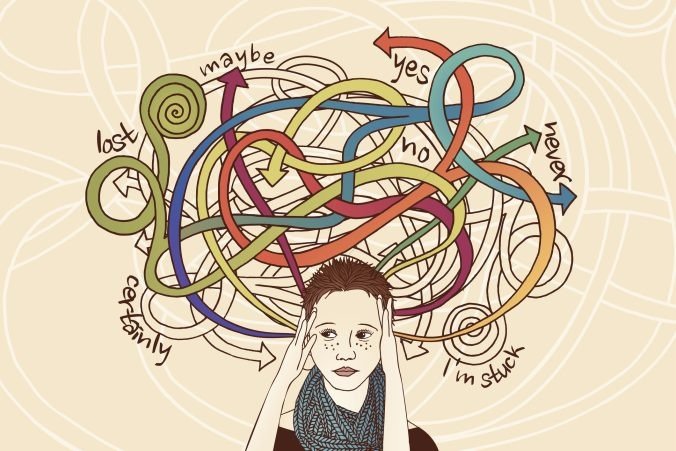
The Digital Age Has Made Overthinking Worse
Mental health professionals believe modern technology has significantly contributed to rising levels of overthinking.
Smartphones and social media constantly expose people to:
- Endless comparisons.
- Fear of missing out (FOMO).
- Information overload.
- Instant opinions.
- Continuous notifications.
The brain rarely gets an opportunity to disconnect, making it easier to become trapped in repetitive thinking.
How Overthinking Can Affect Relationships
Overthinking doesn’t only affect mental health—it can also damage personal and professional relationships.
People may:
- Read too much into text messages.
- Misinterpret silence.
- Assume negative intentions.
- Replay disagreements repeatedly.
- Avoid difficult conversations out of fear.
Experts say honest communication is often far more effective than relying on assumptions created by anxious thinking.
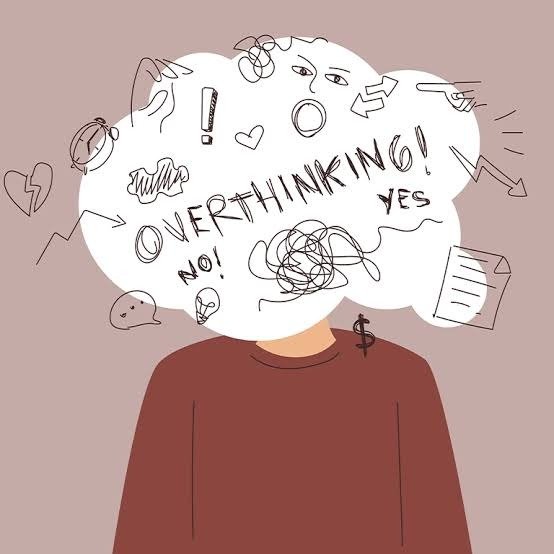
Warning Signs You May Be Overthinking
Psychologists recommend watching for these common signs:
- Constantly replaying past events.
- Imagining worst-case scenarios.
- Difficulty making decisions.
- Seeking repeated reassurance.
- Feeling mentally exhausted.
- Trouble concentrating.
- Persistent self-criticism.
- Difficulty relaxing or sleeping.
Recognizing these patterns early can help prevent them from becoming deeply ingrained habits.
Science-Backed Strategies to Break the Cycle
Mental health experts recommend several evidence-based techniques to reduce overthinking.
Practice Mindfulness
Mindfulness helps redirect attention to the present moment instead of dwelling on the past or fearing the future.
Simple breathing exercises and meditation can calm racing thoughts.
Challenge Your Thoughts
Ask yourself:
- Is this thought based on facts or assumptions?
- What evidence supports this belief?
- Am I expecting the worst without reason?
This technique, commonly used in Cognitive Behavioral Therapy (CBT), helps replace distorted thinking with more balanced perspectives.
Limit Decision Time
Give yourself a reasonable deadline for making decisions.
Accept that “good enough” is often better than waiting endlessly for perfection.
Write It Down
Journaling helps organize thoughts and reduces the urge to mentally replay them.
Many people find that worries become less overwhelming once they’re written on paper.
Exercise Regularly
Physical activity releases endorphins, reduces stress hormones, and improves mood.
Even a short daily walk can help interrupt repetitive thought patterns.
Reduce Digital Overload
Taking regular breaks from social media and limiting excessive news consumption can significantly reduce mental clutter.
When Should You Seek Professional Help?
Occasional overthinking is a normal part of life.
However, if repetitive thoughts begin interfering with work, studies, relationships, or daily functioning, mental health professionals recommend seeking support.
Psychologists and licensed therapists can help identify underlying causes and provide effective treatments, including Cognitive Behavioral Therapy (CBT), which has consistently shown positive results in reducing rumination, anxiety, and unhealthy thinking patterns.
Seeking help is not a sign of weakness—it is an important psychology step toward improving emotional well-being.
Building a Healthier Relationship with Your Mind
Breaking free from overthinking doesn’t mean stopping thoughts altogether. Instead, it means learning to respond to them differently.
Experts recommend:
- Accepting uncertainty as a natural part of life.
- Practicing self-compassion instead of self-criticism.
- Prioritizing quality sleep and physical health.
- Staying connected with supportive friends and family.
- Taking action instead of waiting for perfect certainty.
- Celebrating progress rather than perfection.
These habits gradually strengthen mental resilience and reduce psychology the likelihood of becoming trapped in repetitive thinking.
Why Understanding Psychology Matters More Than Ever
As conversations around mental health become more open, understanding the psychology behind common behaviors like psychology overthinking has never been more important.
Recognizing why the brain gets stuck empowers individuals to respond with awareness instead of fear. It also helps reduce stigma around mental health psychology challenges by showing that overthinking is a common human experience—not a personal failure.
By psychology adopting healthier coping strategies and seeking support when needed, people can improve emotional balance, make decisions with greater confidence, and enjoy a more peaceful, productive life.
The psychology of overthinking reveals that our minds are wired to seek certainty, avoid mistakes, and protect us from potential threats—but in today’s fast-paced world, those same instincts can become overwhelming. Left unchecked, overthinking can contribute to anxiety, depression, sleep disturbances, decision fatigue, and strained relationships psychology. The good news is that evidence-based techniques such as mindfulness, cognitive restructuring, journaling, physical activity, and professional support can help break the cycle. Understanding how the mind works is the first step toward regaining control, building resilience, and creating a healthier relationship with your thoughts.