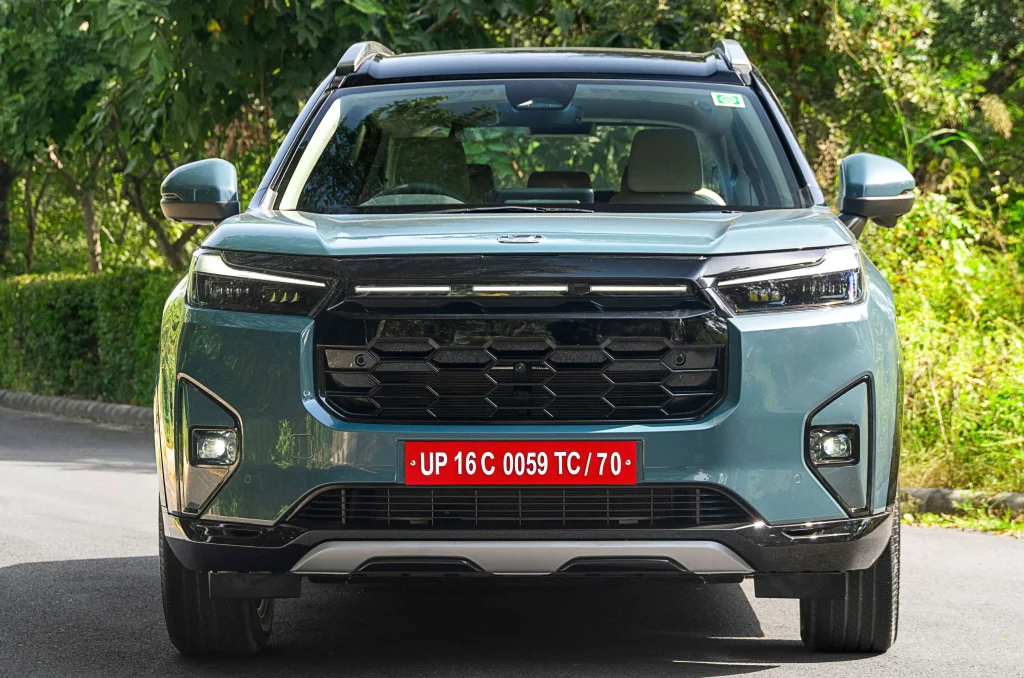
Honda Elevate has received a mid-cycle update as Honda looks to keep its midsize SUV competitive in a rapidly evolving segment. Honda Elevate now gets revised styling details at the front and rear, along with subtle changes to the side cladding and alloy-wheel finish. Honda Elevate retains the broad design identity of the original model, rather than adopting a complete visual overhaul. Honda Elevate’s front end is the most visibly updated area, with a segmented LED light strip linking the headlamps. Honda Elevate also replaces the earlier thick chrome band with gloss-black trim above the grille. Honda Elevate gets a revised mesh pattern for the grille, finished in gloss black for a sportier appearance. Honda Elevate moves the Honda badge to the bonnet, creating a cleaner grille design. Honda Elevate now has body-coloured fog-lamp housings in place of the previous black finish. Honda Elevate’s side profile remains largely familiar, with changes focused on detailing rather than new body panels.
Honda Elevate receives gloss-black body cladding instead of the earlier matte finish. Honda Elevate also adds silver-coloured inserts to the door cladding, replacing the body-coloured inserts. Honda Elevate continues with the same 17-inch alloy-wheel design, although the wheels now have a darker finish. Honda Elevate’s rear design gains a new LED light bar connecting the tail-lamps. Honda Elevate’s connected rear lighting gives the tailgate a wider and more unified look, especially at night. Honda Elevate also introduces a new Nordic Forest Pearl paint shade. Honda Elevate’s update comes as buyers have more choices across petrol, diesel, CNG, hybrid and electric powertrains. Honda Elevate therefore needs to stand out in a segment that includes established rivals and several newer or updated models. Honda Elevate’s facelift aims to refresh its appeal through targeted design changes while preserving the familiar overall package. The facelifted Honda Elevate has been launched in India with prices starting at Rs 11.80 lakh (ex-showroom), according to launch reports.
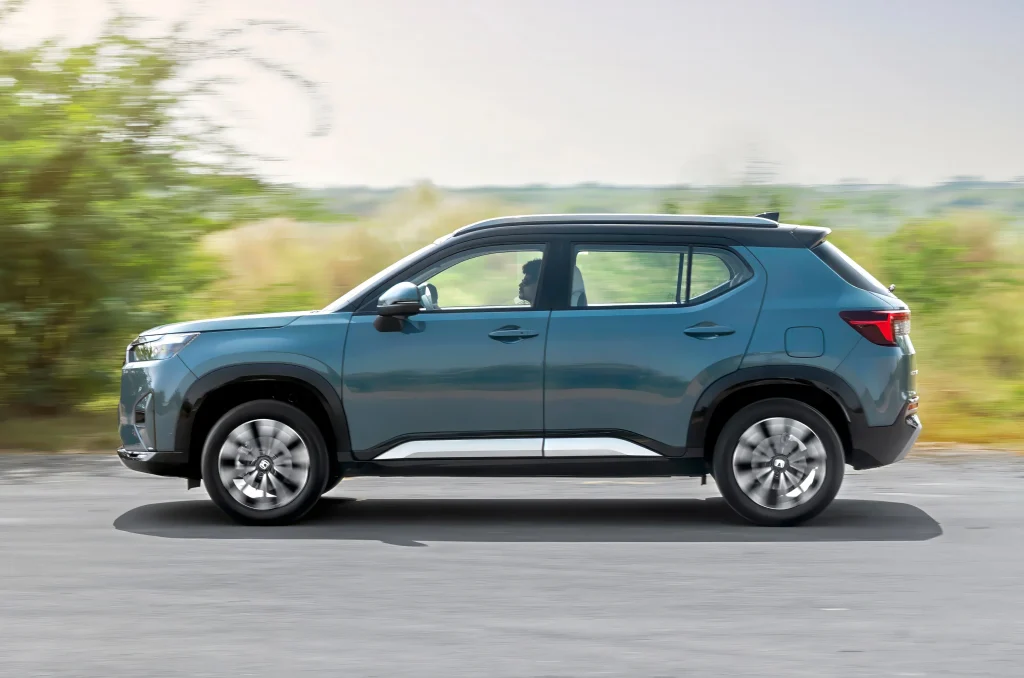
Table of Contents
Honda Elevate Facelift: A Competitive Midsize SUV Segment
The midsize SUV segment has become increasingly competitive, with manufacturers updating existing products and introducing new models to attract buyers. Customers now have a wider range of options, with differences in styling, powertrain technology, features and overall positioning influencing purchase decisions.
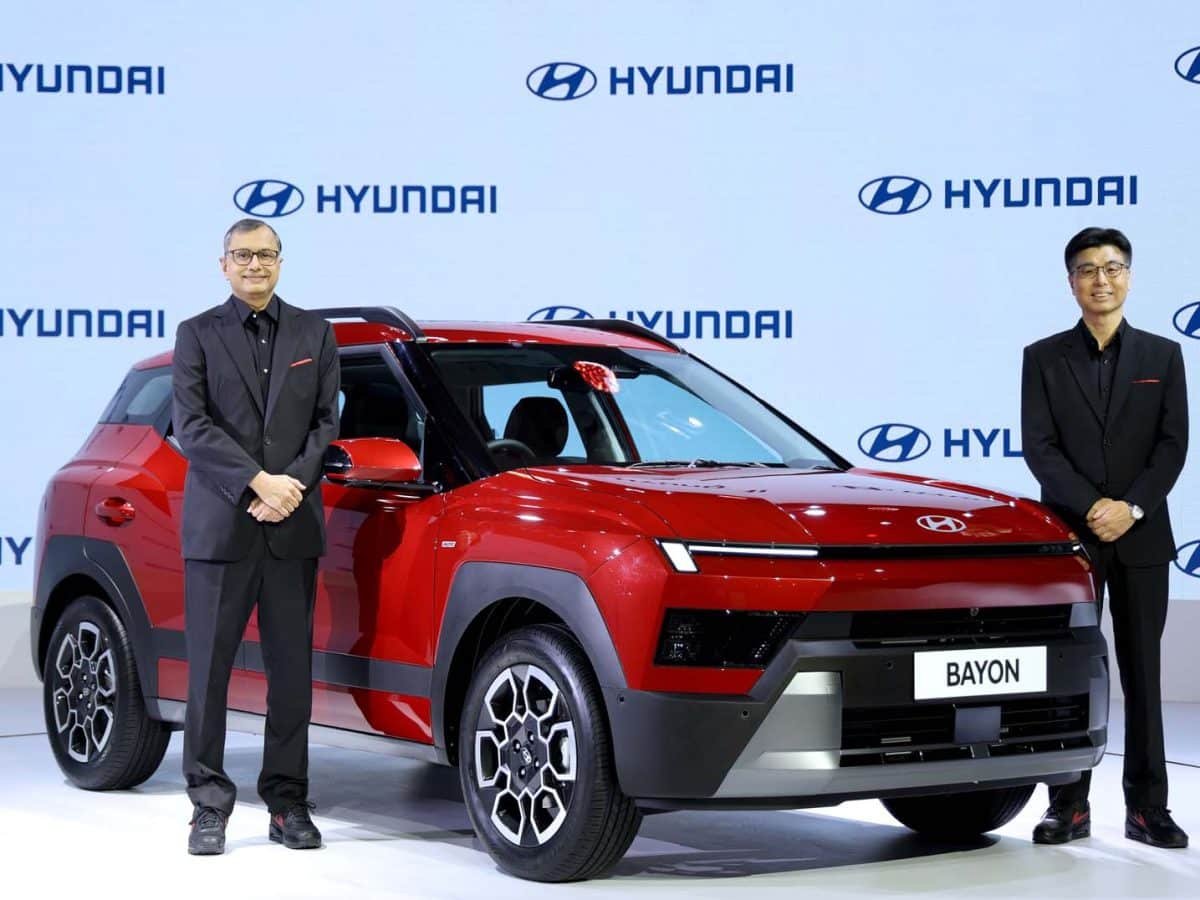
The Tata Sierra, Renault Duster and Nissan Tekton are among the newer entries or upcoming contenders mentioned in the changing market landscape. Meanwhile, the Volkswagen Taigun and Skoda Kushaq have received facelift updates, adding further competition. Established models such as the Kia Seltos and Hyundai Creta continue to be important names in the category, while the next-generation Creta and the Hyundai Bayon are expected to add further choices.
This competitive environment makes regular updates important for vehicles that have been on sale for some time. A facelift gives a manufacturer an opportunity to improve a vehicle’s visual appeal and address some of the areas where it may have fallen behind newer rivals without developing an entirely new generation.
Honda’s latest update follows this approach. Instead of significantly changing the SUV’s overall shape, the company has focused on selected exterior details. The aim is to give the vehicle a fresher appearance while retaining the design identity that existing customers may recognise.
Front Design Gets the Most Significant Changes
The front section receives the most noticeable revisions. The updated design introduces a segmented LED light strip connecting the LED headlamps, creating a more contemporary lighting signature. Such connected lighting elements have become increasingly common in modern vehicle design, helping manufacturers give their models a distinctive appearance, particularly after dark.
Another important change is the replacement of the thick chrome band above the grille with gloss-black trim. The revised treatment gives the front fascia a darker, more unified appearance. It also moves the SUV’s styling away from the prominent chrome detailing of the earlier design towards a sportier look.
The grille itself features a revised mesh pattern and a gloss-black finish. Although the basic proportions of the front end remain familiar, these changes alter the visual impression of the vehicle. The darker grille treatment works with the new lighting arrangement to make the front fascia appear more cohesive.
Honda has also repositioned its badge. Instead of sitting within the grille, the emblem is now placed on the bonnet. This adjustment creates a different visual hierarchy at the front, allowing the grille and lighting elements to stand out more clearly.
The fog-lamp housings have also been updated. They now feature a body-coloured finish instead of the earlier black treatment. While this is a relatively small change, it helps integrate the housings more closely with the surrounding bodywork.
Taken together, these revisions represent an evolutionary rather than radical redesign. The SUV retains its familiar overall shape, but the updated lighting, grille, badge placement and bumper details help distinguish the facelifted version from its predecessor.
Side Profile Retains Its Familiar Appearance
The changes along the sides are more subtle. The overall silhouette remains largely unchanged, and the update focuses mainly on surface finishes and decorative elements rather than introducing new body panels.
One of the key revisions is the use of gloss-black body cladding in place of the earlier matte finish. Cladding is an important styling feature on SUVs, helping define the lower sections of the body and contributing to their rugged visual character. The new glossy treatment gives the side profile a more polished appearance.
The door cladding also receives silver-coloured inserts instead of body-coloured inserts. This contrast introduces another visual detail without substantially changing the vehicle’s established design.
The 17-inch alloy wheels continue with the same design as before, but their finish is now darker. Darker wheels can complement black exterior trim and create a more coordinated appearance across the vehicle. In this case, the revised finish supports the broader styling direction of the facelift.
However, buyers looking for a substantially different side profile may find the changes limited. The doors, windows and overall body shape remain familiar based on the details provided. Honda appears to have prioritised relatively focused cosmetic revisions over a more extensive redesign.

Rear Gets a Connected LED Light Bar
At the rear, the most significant addition is a new LED light bar connecting the tail-lamps. The connected lighting arrangement creates a more continuous visual line across the tailgate and gives the rear end a wider, more cohesive appearance.
Lighting design has become an important element of modern automotive styling. Connected rear lamps can help a vehicle establish a recognisable identity at night, while also making the rear design look more integrated.
For the Elevate, the new light bar is intended to modernise the tailgate without requiring a complete change to the vehicle’s rear proportions. It complements the revised front lighting and helps give the updated SUV a more consistent design theme.
The effect is likely to be most noticeable after dark, when the illuminated light bar forms a clear connection between the tail-lamps. During daylight, the revised design still adds a new styling element, although its visual impact will depend on the exterior colour and surrounding details.
The rear update follows the same philosophy as the changes at the front: introduce a contemporary design feature while preserving the model’s established proportions.
Nordic Forest Pearl Adds a New Colour Option
The facelift also introduces a new exterior paint shade called Nordic Forest Pearl. New colour options can help refresh a vehicle’s showroom appeal, especially when the underlying design remains largely unchanged.
Paint colours influence how exterior details appear. A different shade can alter the contrast between the bodywork, black cladding, grille, wheels and lighting elements. The Nordic Forest Pearl finish gives buyers another option to consider alongside the existing colour choices, although the complete updated colour palette has not been specified in the supplied information.
The addition of a new paint shade also gives the updated model another point of distinction in promotional material and showroom displays. For customers who want a newer-looking vehicle without moving to a different model, a fresh colour can contribute to that appeal.
However, the significance of the new shade will ultimately depend on customer preferences and availability across variants. Details about variant-wise colour options have not been provided.
Powertrain Choices Are Reshaping the Segment
Exterior styling is only one part of the challenge facing midsize SUVs. Powertrain choice has become increasingly important as manufacturers respond to different customer priorities, including running costs, performance, fuel availability and emissions.
Diesel engines remain relevant for some buyers, while turbo-petrol engines appeal to customers seeking stronger performance. Compressed natural gas, or CNG, is becoming a consideration for those prioritising fuel economy and lower operating costs where infrastructure is available. Hybrid vehicles and fully electric models are also expanding the range of technologies available to customers.
This growing diversity means buyers may compare vehicles on more than design, cabin features or brand reputation. The availability of a preferred powertrain can influence whether a model makes a buyer’s shortlist in the first place.
The supplied details of the Elevate facelift focus on exterior changes and do not establish whether its engine options, transmission choices, fuel efficiency or performance figures have been revised. It would therefore be premature to conclude that the update brings mechanical improvements.
For prospective buyers, this distinction matters. A facelift can improve a vehicle’s appearance without necessarily changing how it drives or how much it costs to run. Those considering the updated SUV should check the confirmed specifications, variant details and equipment list before making a purchase decision.
Has Honda Addressed the Earlier Shortcomings?
Honda’s objective with this update is to make the SUV more appealing by addressing some of its earlier shortcomings. The exterior revisions demonstrate a clear effort to bring the design closer to current styling trends, particularly through connected lighting, darker trim and revised detailing.
Nevertheless, the available information does not specify every shortcoming Honda has addressed. It also does not confirm changes to the cabin, infotainment system, safety equipment, comfort features, engine performance or ride quality. These areas would need to be assessed separately before drawing conclusions about the overall improvements.
A comprehensive evaluation would also require details such as pricing, variant-wise equipment, warranty coverage and any changes to the standard safety package. A comparison with rivals would be more meaningful if it considered these factors alongside styling.
For buyers, the central question is whether the facelift delivers the improvements they value most. Some may appreciate the fresher exterior, while others may place greater importance on interior technology, rear-seat comfort, boot space, fuel economy or driving performance.
The current update provides a clearer visual refresh, but its broader value will depend on the complete specification and the price at which the updated model is offered.
Honda Elevate Facelift: An Evolution Rather Than a Revolution
The facelifted Elevate takes an evolutionary approach to product development. The front receives a revised grille, gloss-black trim, updated lighting and a repositioned badge. The side profile gains new cladding finishes, silver-coloured door inserts and darker alloy wheels, while the rear introduces a connecting LED light bar. A new Nordic Forest Pearl paint shade rounds off the exterior changes.
These updates give the SUV a more contemporary appearance without moving too far away from the original design. That approach can work for a model whose basic styling remains recognisable, particularly when the manufacturer wants to refresh its showroom appeal without introducing a completely new generation.
At the same time, the competitive landscape means appearance alone may not determine its success. Buyers have access to established rivals, updated alternatives and an expanding range of powertrain technologies. Pricing, equipment, safety, comfort and mechanical specifications will remain important factors in determining how attractive the updated model is.
Based on the exterior details available, Honda has made targeted changes that give the Elevate a fresher look. Whether the facelift represents a meaningful step forward overall will depend on the full package, including any confirmed updates beyond the styling revisions.
For now, the changes suggest a measured attempt to keep the midsize SUV relevant in a market where customer expectations and competing products continue to evolve.