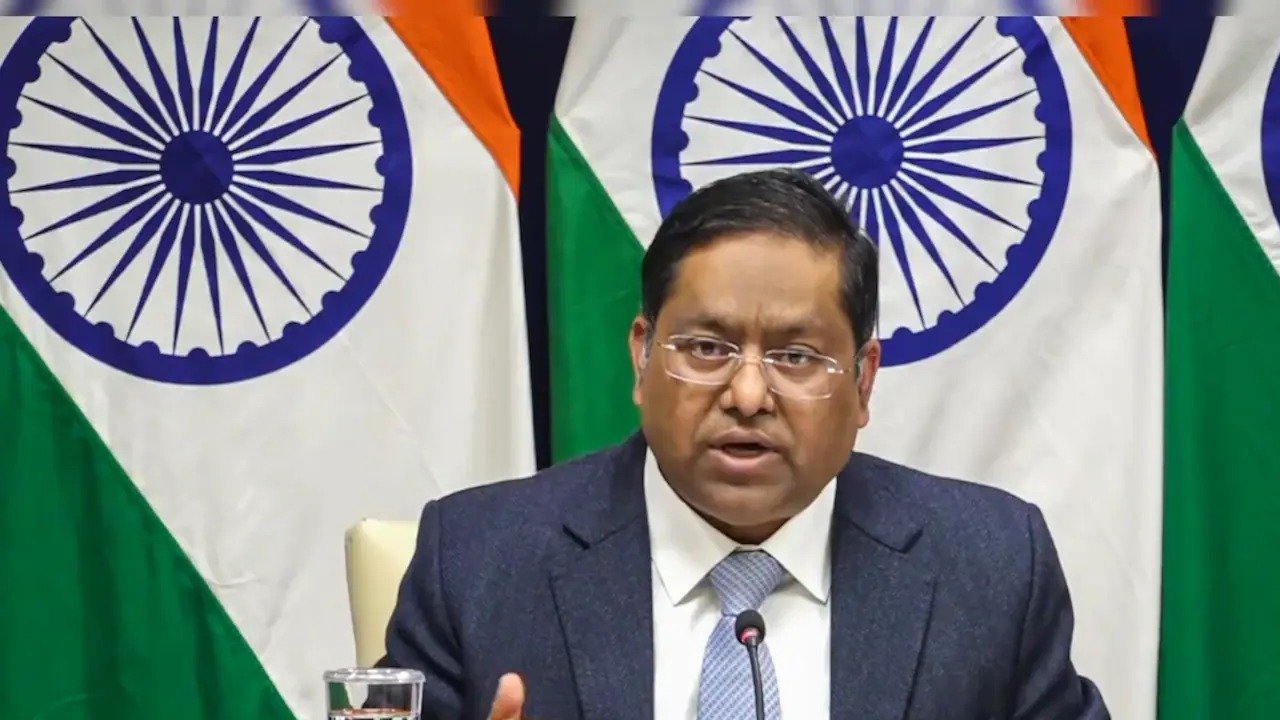
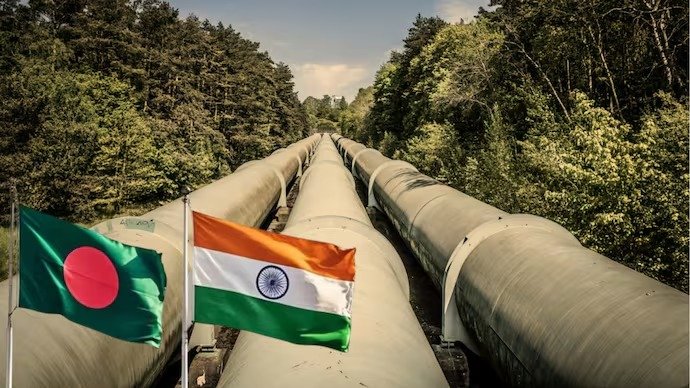
Bangladesh is facing an intensifying Bangladesh Power Crisis, with prolonged electricity shortages, load shedding and concerns over fuel availability putting increasing pressure on the government and the country’s energy infrastructure. As power generation struggles to meet demand, Bangladesh has sought additional diesel supplies from India, prompting New Delhi to assess the request while taking its own requirements and refining capacity into account.
The development comes as electricity shortages are reportedly affecting parts of the country for several hours a day. Reports of extended power cuts have raised concerns among households, businesses and electricity distribution authorities, while the government has also introduced measures aimed at reducing electricity consumption.
India has acknowledged Bangladesh’s request, but has not committed to supplying a specific additional quantity of diesel. Ministry of External Affairs spokesperson Randhir Jaiswal said India’s existing energy cooperation with Bangladesh continues and that the additional request is being considered based on India’s own requirements, refining capacity and availability.
The situation highlights the challenges facing Bangladesh’s energy sector as the country attempts to balance electricity demand, fuel availability and long-term infrastructure requirements.
Table of Contents
Bangladesh Seeks Additional Diesel From India
At the centre of the latest developments is Bangladesh’s request for additional diesel from India.
Bangladesh Energy Minister Iqbal Hasan Mahmud has sought greater diesel availability from India as the country deals with its energy shortage. The request comes at a time when Bangladesh is reportedly struggling to maintain sufficient electricity generation amid constraints affecting its energy supply.
Responding to questions about the request, MEA spokesperson Randhir Jaiswal said India’s energy cooperation with Bangladesh remains ongoing.
He said that, regarding the additional demand, India is considering the request while taking into account its own requirements, refining capacity and availability.
The statement indicates that New Delhi is examining the request rather than announcing an immediate commitment to additional supplies.
India and Bangladesh have maintained energy cooperation over the years, including areas involving electricity and fuel-related infrastructure. The latest request therefore comes within a broader relationship in which energy security has remained an important area of bilateral cooperation.
What Is Causing the Bangladesh Power Crisis?
The current Bangladesh Power Crisis has been linked to difficulties in ensuring adequate fuel and gas availability for electricity generation.
Bangladesh relies significantly on gas-based power generation, making the availability of natural gas particularly important to the country’s electricity supply. Constraints in gas availability can directly affect power plants and reduce their ability to generate electricity at required levels.
The country’s energy minister has indicated that the government is facing limitations in extracting and supplying gas under the current circumstances.
The situation is further complicated by the need for additional infrastructure, including Floating Storage and Regasification Units, or FSRUs, which are used to receive, store and regasify liquefied natural gas.
Without adequate LNG infrastructure and gas supplies, Bangladesh’s ability to increase electricity generation can remain constrained.
Power Cuts Reportedly Last 8 to 10 Hours
The impact of the energy shortage has reportedly become increasingly visible in everyday life.
According to a report by Dhaka Tribune, rural areas around Dhaka have experienced power cuts lasting between eight and 10 hours.
Long-duration outages can have significant consequences for households, businesses and public services. For families, prolonged electricity shortages can affect lighting, cooling, communication and access to essential appliances.
For businesses, repeated power cuts can disrupt operations, increase reliance on backup generators and raise operating costs.
The problem is particularly significant in commercial areas, where electricity is essential for retail stores, shopping centres, restaurants and other businesses.
As the crisis has intensified, the authorities have reportedly taken steps to reduce electricity consumption during peak periods.
Shops and Markets Asked to Close Early
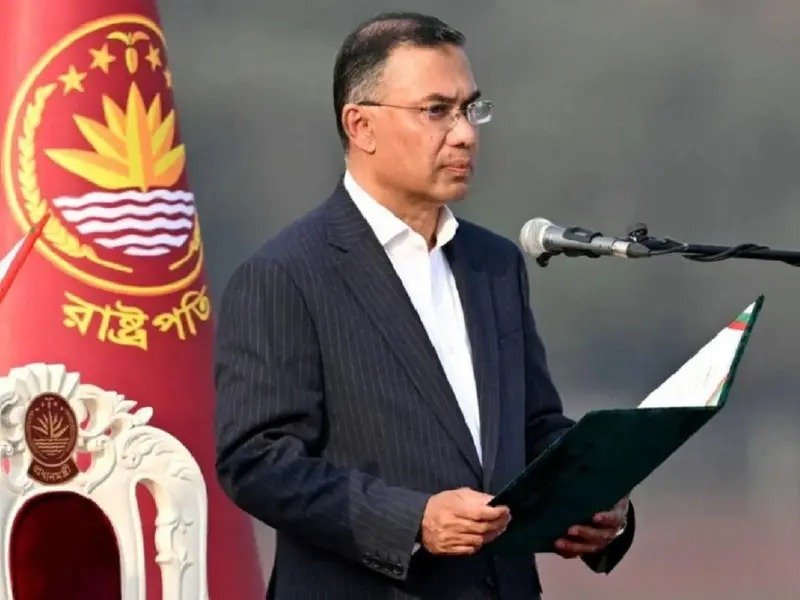
One of the reported measures involves asking shopping malls, shops and markets to close by 8 pm to conserve electricity.
The move demonstrates the extent of the pressure on the country’s power system. Restricting commercial electricity consumption can help reduce demand during certain periods, although such measures can also affect businesses and economic activity.
For retailers, an earlier closing time means fewer operating hours and potentially lower revenues. For consumers, it can change shopping patterns and daily routines.
The decision also reflects the difficult choices governments face during periods of electricity shortages: reducing demand can provide temporary relief, but it does not address the underlying supply-side problems.
The longer-term solution depends on improving fuel availability, strengthening generation capacity and developing adequate energy infrastructure.
Bangladesh Says Crisis Could Take Two Years to Resolve
The Bangladesh government’s own assessment suggests that the energy crisis may not be resolved quickly.
Finance Minister Amir Khosru Mahmud Chowdhury said on August 16, 2026, that it could take at least two years to address the country’s energy crisis.
A major reason cited is the time required to develop new LNG infrastructure.
According to the statement, constructing a floating LNG terminal could take approximately one and a half to two years. This means that infrastructure-based solutions cannot provide an immediate answer to the country’s current electricity shortage.
The timeline is significant because it suggests that Bangladesh may have to rely on short-term measures while longer-term infrastructure projects are developed.
These measures could include managing electricity demand, securing additional fuel supplies and adjusting electricity distribution during periods of high demand.
What Is an FSRU and Why Is It Important?
A key term in the current energy discussion is FSRU, or Floating Storage and Regasification Unit.
An FSRU is a specialised floating facility used to receive LNG transported by ship. The LNG is stored and then converted back into gaseous form through the regasification process before being supplied into the gas network.
For countries that depend on imported LNG, FSRUs can provide an important link between international LNG supplies and domestic gas infrastructure.
Bangladesh’s energy minister referred to the lack of an FSRU as a major limitation in the current situation.
The issue demonstrates how energy security depends not only on having fuel available in international markets but also on having the infrastructure necessary to receive, process and distribute that fuel domestically.
Bangladesh Government Faces Growing Pressure
The continuing power shortages are placing increasing pressure on Bangladesh’s government.
Energy shortages can quickly become a political and economic issue because electricity is essential for almost every part of modern life. Manufacturing, commerce, transport infrastructure, telecommunications, healthcare and households all depend on reliable power supplies.
As load shedding increases, public dissatisfaction can also grow.
Reports indicate that electricity distribution companies in several districts have sought assistance from police headquarters and law-enforcement agencies to strengthen security around their offices.
Such requests indicate the pressure that electricity shortages can create at the local level, particularly when consumers experience repeated or prolonged outages.
Energy Minister Acknowledges Limited Options
Bangladesh’s Minister for Power, Energy and Mineral Resources, Iqbal Hasan Mahmud, has acknowledged the government’s limited ability to immediately resolve the problem.
He said there was effectively no alternative to managing load shedding under the current circumstances.
The minister also pointed to difficulties in extracting gas and the absence of an FSRU as major obstacles.
His comments underline the difference between managing an energy crisis in the short term and resolving its structural causes.
Load shedding can reduce demand on the electricity grid and help prevent a complete system breakdown, but it also means consumers must tolerate scheduled or unscheduled power interruptions.
A sustainable solution requires sufficient fuel, generation capacity, transmission infrastructure and reliable distribution systems.
India’s Role in Bangladesh’s Energy Security
India’s response has become an important part of the developing story because Bangladesh has specifically sought additional diesel supplies from its neighbour.
India’s MEA has made clear that the request is being considered in light of India’s own energy requirements, refining capacity and available supplies.
This qualification is significant.
While India and Bangladesh have established energy cooperation, any decision to increase fuel supplies must also account for domestic demand and the availability of refined petroleum products in India.
New Delhi’s response therefore suggests that any additional assistance will depend on practical supply considerations.
The Bangladesh Power Crisis issue also highlights the importance of regional energy cooperation in South Asia, where neighbouring countries can potentially support one another during periods of supply disruption.
However, such cooperation must be balanced against each country’s domestic energy requirements.
Short-Term Relief vs Long-Term Solution
The Bangladesh Power Crisis presents two separate challenges.
The first is securing enough energy to manage the immediate shortage.
The second is building infrastructure capable of preventing similar crises in the future.
Additional diesel supplies from India could potentially provide short-term assistance if an arrangement is reached. However, diesel alone cannot address all of the structural challenges facing Bangladesh’s energy sector.
Bangladesh Power Crisis Long-term energy security requires investment in gas infrastructure, LNG import capacity, power generation, transmission networks and distribution systems.
The Bangladesh Power Crisis, government’s reported estimate of up to two years for new LNG infrastructure illustrates why temporary measures remain necessary.
Impact on Businesses and Consumers
The consequences of prolonged power shortages extend beyond electricity availability.
Businesses may face higher operating costs when they need diesel generators or alternative power sources. Manufacturing facilities can experience interruptions in production, while retailers may lose business because of reduced operating hours.
Bangladesh Power Crisis ,Households can also face significant disruption, particularly during periods of extreme weather when electricity is needed for cooling and other essential services.
Bangladesh Power Crisis ,For hospitals, telecommunications facilities and other critical services, reliable backup power becomes especially important during extended outages.
The Bangladesh Power Crisis broader economic impact depends on how long the shortages continue and how effectively the government can stabilise electricity supplies.
Bangladesh Power Crisis: What Happens Next?
The immediate focus will likely remain on whether Bangladesh can secure additional fuel supplies and reduce the intensity of power shortages.
India’s decision on Bangladesh’s additional diesel request will be closely watched, particularly given the MEA’s statement that the request is being evaluated according to India’s own requirements, refining capacity and availability.
At the same time, Bangladesh will need to pursue longer-term infrastructure solutions.
The Bangladesh Power Crisis development of additional LNG infrastructure, improvements in gas availability and efforts to strengthen electricity generation could play an important role in reducing dependence on emergency measures.
The Bangladesh Power Crisis government will also have to manage public expectations while dealing with the economic consequences of prolonged load shedding.
The Bangladesh Power Crisis has developed into a major energy challenge, with prolonged power cuts, fuel constraints and inadequate infrastructure putting pressure on both the government and the public.
Bangladesh’s request for additional diesel from India demonstrates the urgency of the situation, while India’s response shows that New Delhi is considering the request based on its own requirements, refining capacity and available supplies.
Meanwhile, reports of 8 to 10-hour power cuts, early closure of commercial establishments and growing security concerns at electricity distribution offices underline the seriousness of the situation.
Bangladesh’s government has indicated that a lasting solution may take up to two years, Bangladesh Power Crisis particularly because new floating LNG infrastructure requires significant time to develop.
For now, Bangladesh Power Crisis the country is likely to remain dependent on a combination of demand management, fuel procurement and existing energy infrastructure while longer-term solutions are pursued.
The Bangladesh Power Crisis coming weeks will be crucial in determining whether additional fuel supplies can ease the immediate pressure Bangladesh Power Crisis and whether Bangladesh can accelerate investments needed to strengthen its energy security in the years ahead.