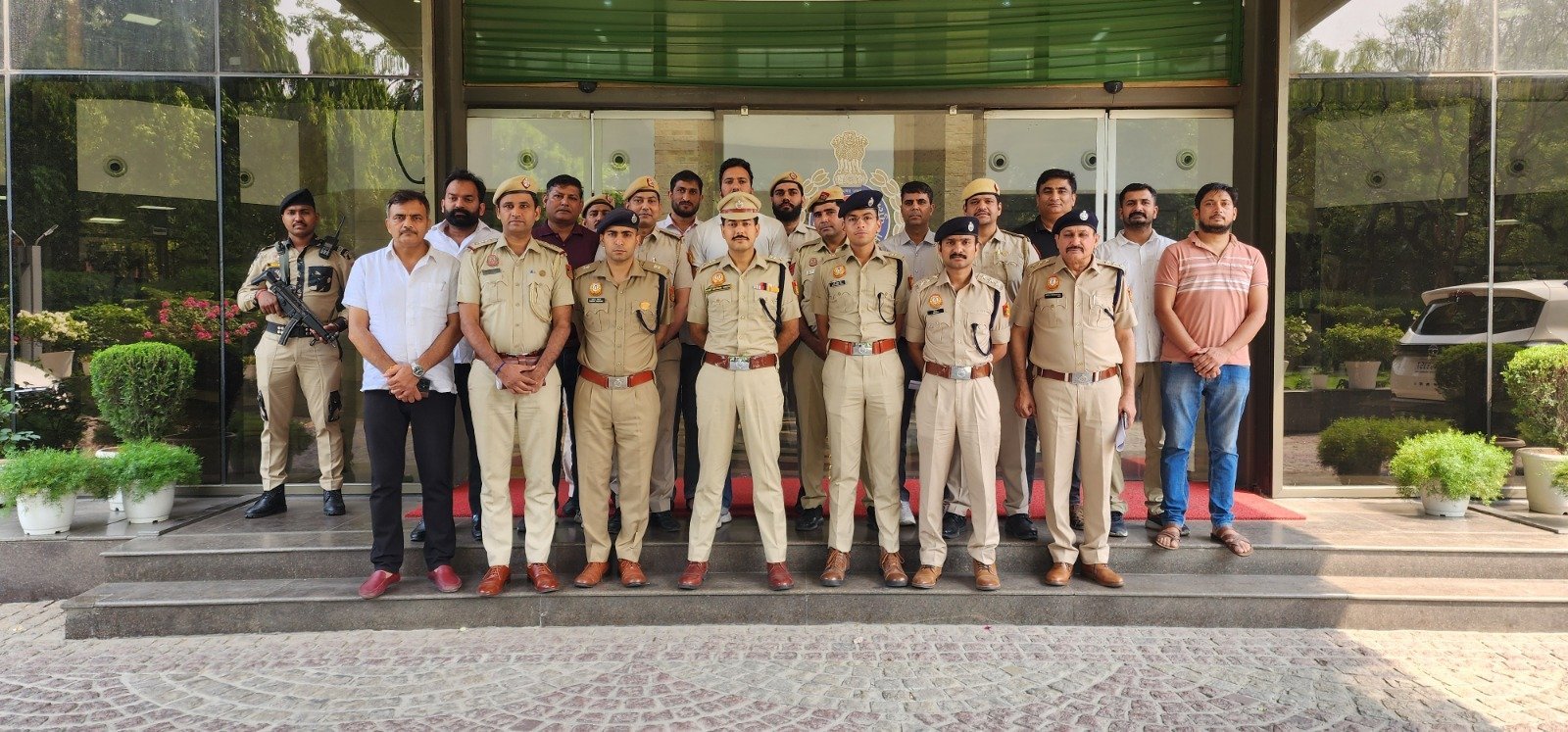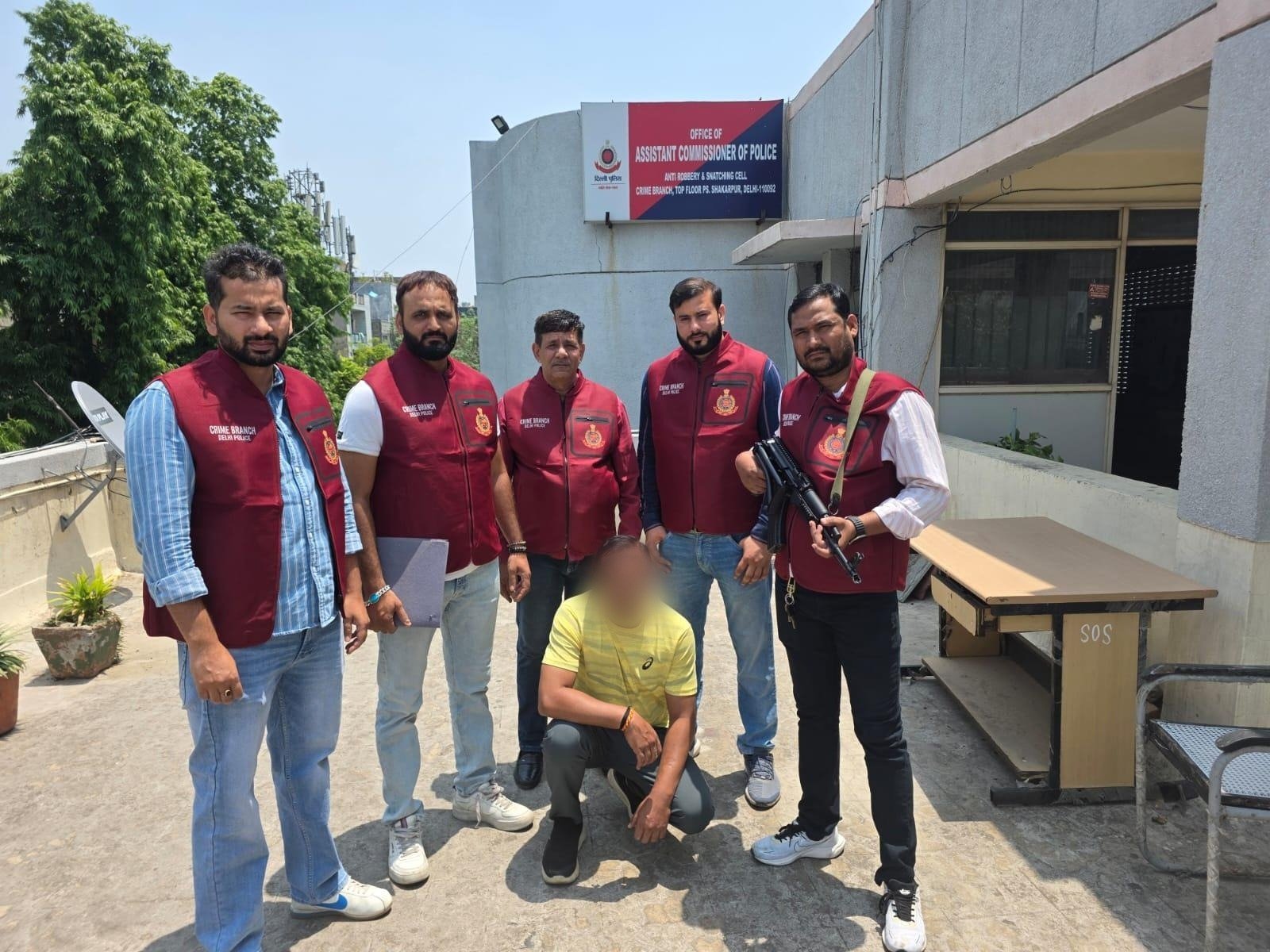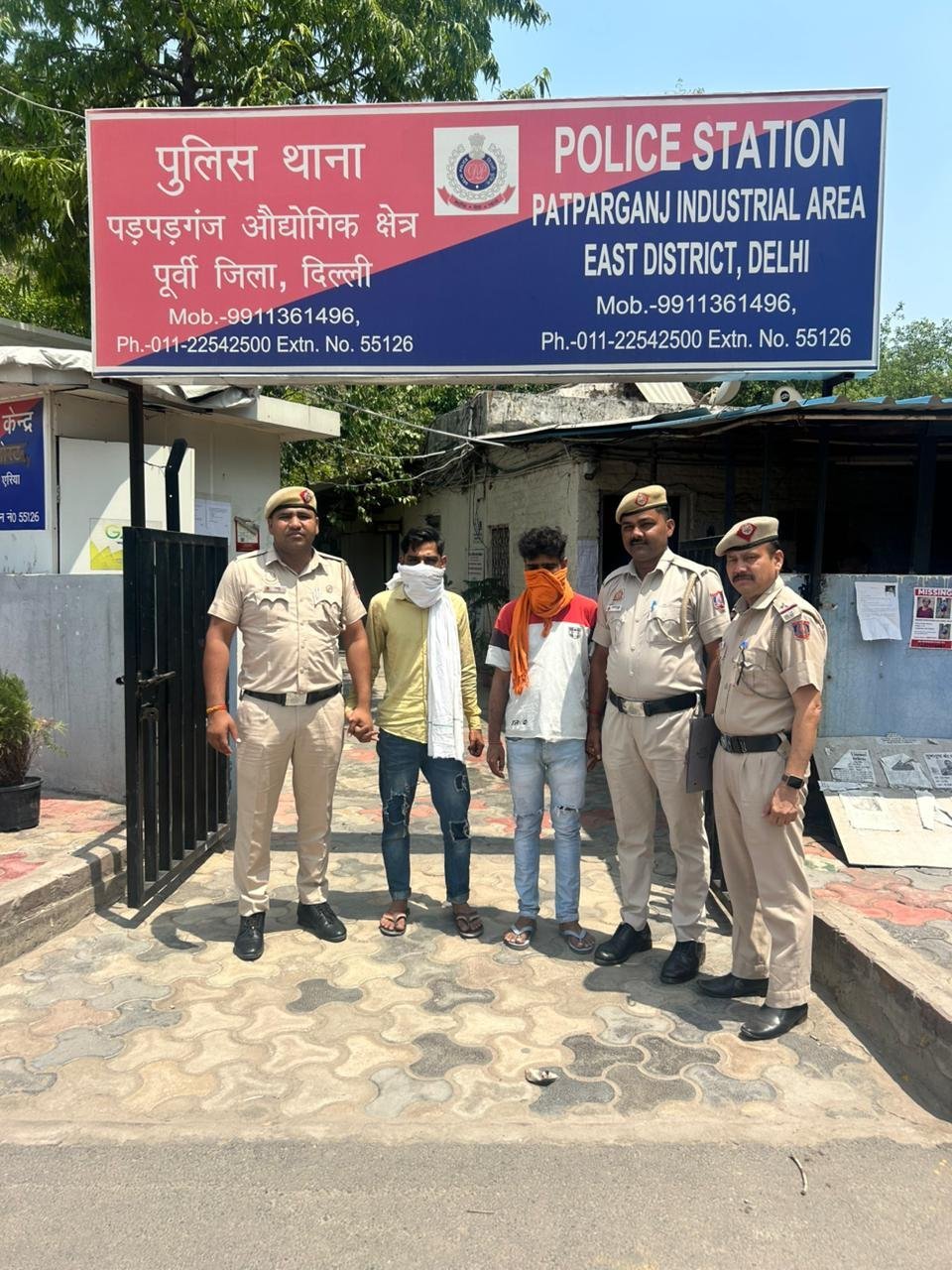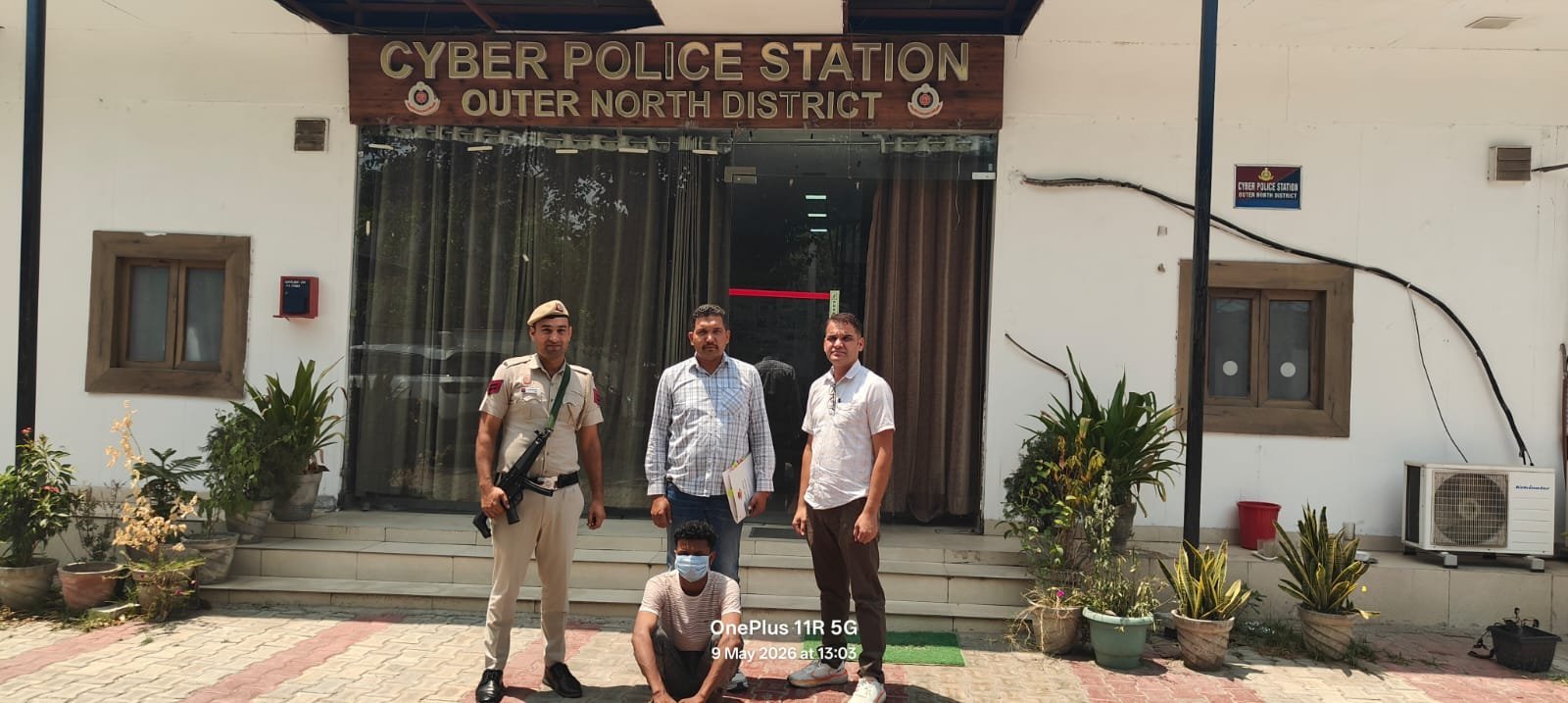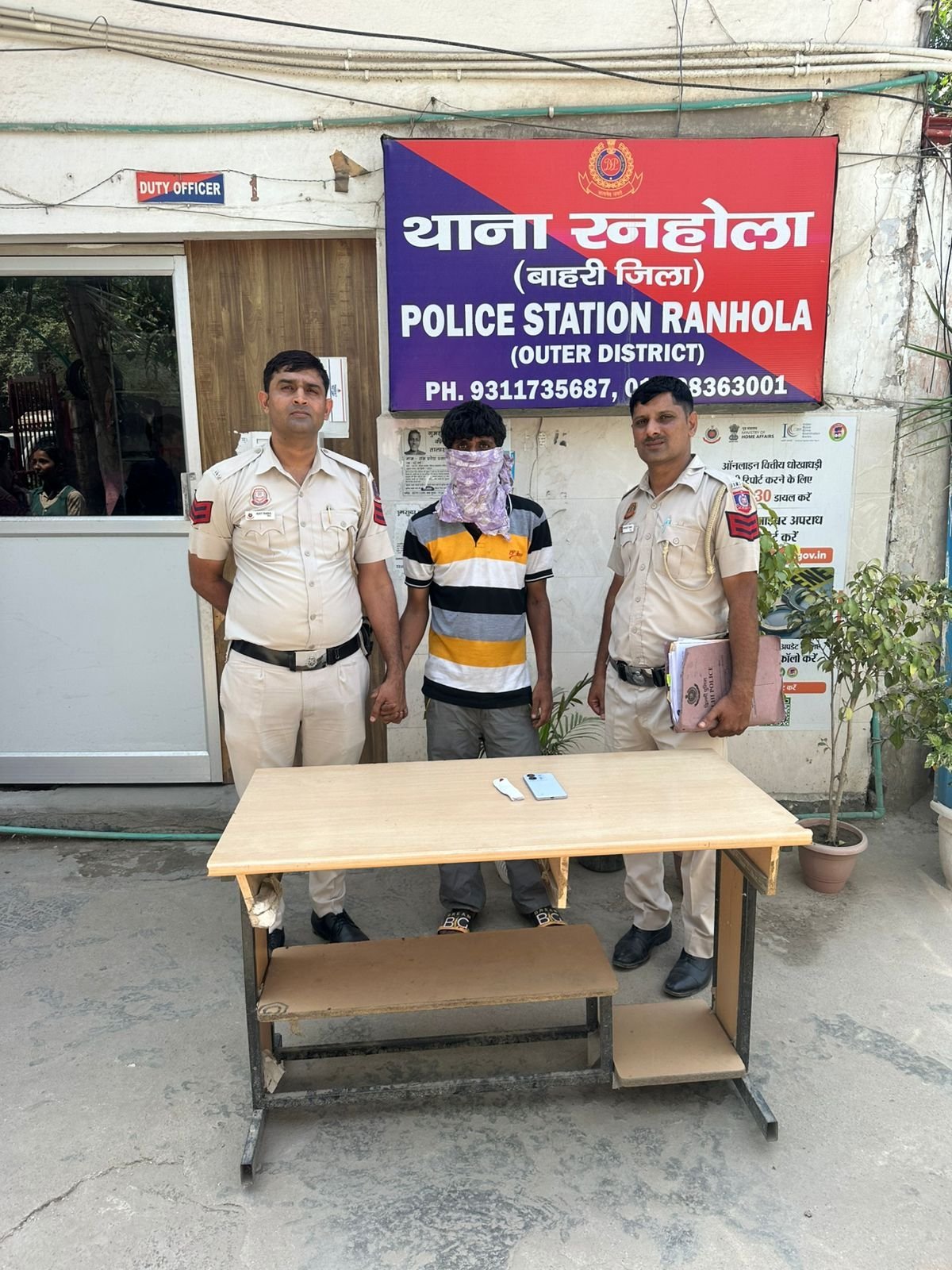
The biggest anti-crime crackdowns in recent months, Delhi Police launched a massive Pan-Delhi operation against organized crime syndicates and anti-national networks operating across Delhi-NCR and nearby states. The special drive, named “Operation Gang Bust 2.0,” was conducted continuously for 48 hours from May 5 to May 7, 2026, and involved coordinated raids, surveillance, arrests, and intelligence-based operations across multiple states.
The Pan-Delhi action was led jointly by district police units and the Special Cell, targeting gangsters, shooters, weapons suppliers, social media handlers, financiers, shelter providers, and members connected to organized criminal ecosystems.
Officials described the Pan-Delhi operation as one of the most focused and intelligence-driven actions carried out recently against gang networks that have expanded beyond local crime into interstate and even anti-national activities.
According to police data, a total of 1,014 raids were conducted during the operation, leading to the arrest of 482 suspects linked to various organized gangs. The raids also resulted in massive recoveries including pistols, ammunition, narcotics, cash, liquor, mobile phones, knives, and vehicles allegedly used in criminal activities.
The operation extended beyond Delhi into Haryana, Punjab, Rajasthan, and Uttar Pradesh, showing how modern organized crime now functions across state boundaries through deeply connected networks.
Pan-Delhi Strategy Against Organized Crime
Officials said Operation Gang Bust 2.0 was designed after studying the outcomes of the earlier Gang Bust 1.0 initiative. Based on previous experience, police refined their strategies and improved intelligence coordination to make the Pan-Delhi operation more targeted and effective.
Unlike earlier anti-gang drives that mainly focused on direct gang members, this Pan-Delhi operation concentrated on the entire support ecosystem behind organized crime. Police teams targeted not only shooters and gangsters but also those supplying SIM cards, vehicles, arms, hideouts, logistics, and online support.
Crime experts say this approach is critical because modern gangs rarely operate alone. Even when major gang leaders are in prison or abroad, their networks continue functioning through associates and digital communication systems.
Police officials noted that most top gang leaders are currently either jailed or operating from foreign safe havens. Because of this, breaking the support structure became a major objective of the Pan-Delhi crackdown.
The operation was appreciated within law enforcement circles for focusing equally on conventional gang crime and emerging threats linked to terror-style activities.
 Shahzad Bhatti Network Under Scanner
One of the most important aspects of the Pan-Delhi operation was the crackdown on the alleged network linked to Pakistani-based gangster Shahzad Bhatti.
According to investigators, the network was allegedly operating through online platforms and social media to recruit young individuals for anti-national activities inside India. Police officials stated that this network was being monitored closely due to concerns about links between organized crime and hostile foreign agencies.
Investigators alleged that members associated with the Shahzad Bhatti network were involved in activities such as reconnaissance of sensitive locations, coordination of illegal weapons delivery, narcotics movement, targeted violence, and installation of internet-based CCTV systems.
Police officials claimed that the network attempted to recruit “foot soldiers” across different states by exploiting social media communication.
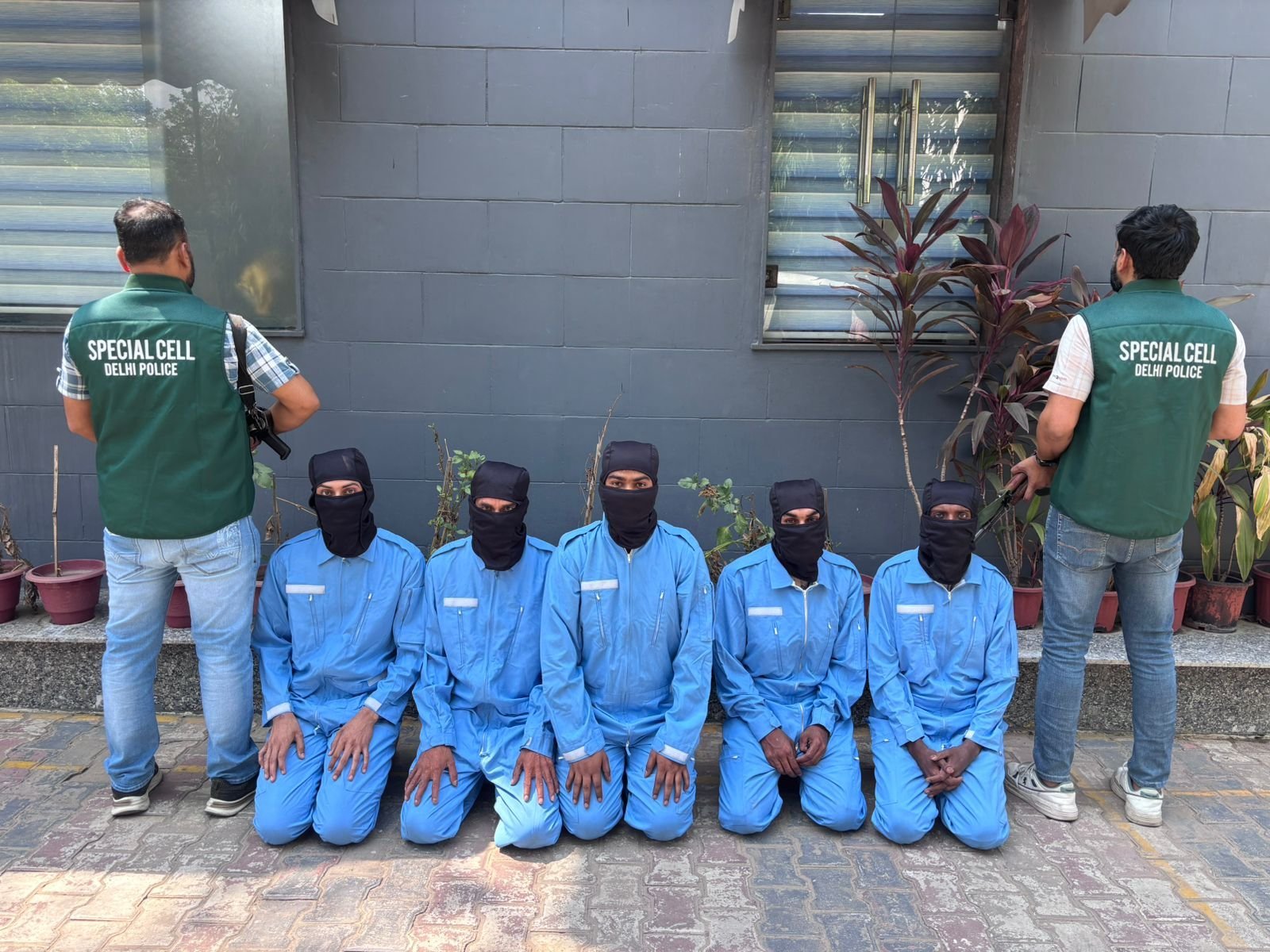
During the Pan-Delhi operation, Special Cell teams arrested nine alleged members connected to the Shahzad Bhatti network. The accused were reportedly picked up from Uttar Pradesh, Punjab, Madhya Pradesh, Jammu & Kashmir, and Gujarat.
Those arrested included Shoyab Khan, Ravi Kashyap, Anmol Rai, Imtiyaz Khan, Rizwan Khan, Jasbir Singh, Jaskaran Singh, Satara Singh, and Manoj.
Investigators alleged that some of the arrested individuals were linked to illegal arms trafficking activities while others were allegedly tasked with carrying out random firing incidents targeting security personnel in North India and Delhi-NCR.
Police sources stated that intelligence inputs regarding online radicalization and organized criminal recruitment played a major role in initiating this Pan-Delhi investigation.
Organized Crime No Longer Limited To Streets
Security experts often explain that organized crime in India has evolved significantly over the last decade. Traditional extortion gangs and local criminal groups now increasingly use encrypted communication, fake identities, social media, and interstate networks to expand their reach.
The Pan-Delhi operation highlighted how organized gangs today operate through layered structures where each member performs a specialized role. Some arrange weapons, others handle transport, while social media handlers manage online communication and recruitment.
Police officials said this ecosystem-based model makes organized crime much harder to dismantle unless every supporting layer is targeted simultaneously.
This is why the Pan-Delhi operation focused not only on gang shooters but also on finance providers, shelter providers, vehicle suppliers, and digital handlers.
Experts believe such coordinated actions are necessary because gang activity today often overlaps with narcotics trade, illegal weapons movement, cyber communication, and terror-linked operations.
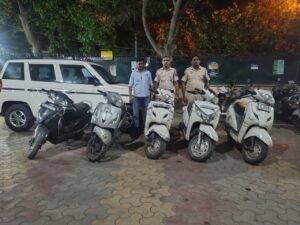 Massive Recoveries During Pan-Delhi Raids
The scale of recovery made during the operation reflects the depth of organized criminal activity currently active in Delhi-NCR and nearby states.
According to official figures, police recovered:
- 141 pistols
- 212 cartridges
- 79 knives
- 24 vehicles
- ₹19 lakh cash
- 31 mobile phones
- 19 kilograms of narcotic drugs
- 1,234 liquor quarters
Police believe many of these weapons and materials were intended for use in criminal operations or illegal supply chains connected to gang activity.
Crime analysts say the recovery of over 140 firearms during a short Pan-Delhi operation is significant because illegal weapons remain one of the biggest drivers of organized crime and gang violence in North India.
The narcotics recovery is also being viewed seriously because drug trafficking is often closely linked to gang financing.
Officials added that mobile phones recovered during raids may provide digital evidence regarding communication channels between gang members operating across different states.
 Kapil Sangwan @ Nandu Gang Also Targeted
Apart from the Shahzad Bhatti network, the Pan-Delhi operation also targeted several major criminal gangs active in Delhi and surrounding areas.
Police arrested seven members linked to the Kapil Sangwan alias Nandu gang, which has been associated with organized crime activities in the NCR region.
Other gangs targeted during the operation included networks allegedly linked to Sandeep Kala Jathedi, Saddam Gauri, Hashim Baba, Tillu, Kaushal Chaudhary, Naveen Bali-Neeraj Bawana, Jitendra Mann alias Gogi, Arsh Dala, Chheenu, and Nasir.
Officials stated that 443 arrests were also made from smaller and local criminal gangs operating under different networks.
Security experts say many local gangs today function as subcontractors for bigger organized syndicates. They may handle extortion, vehicle theft, arms movement, or localized violence while remaining connected to larger criminal structures.
This interconnected network model was one of the main reasons why the Pan-Delhi operation was conducted on such a large scale simultaneously across multiple regions.
Interstate Coordination Became Key
One of the strongest aspects of the Pan-Delhi operation was coordination between police units across states.
Modern organized gangs frequently shift members between Delhi, Haryana, Punjab, Rajasthan, and Uttar Pradesh to avoid detection. Criminals often use temporary hideouts, fake addresses, and mobile SIM cards obtained through illegal channels.
Police officials said interstate cooperation became essential because gangs no longer operate within fixed geographical limits.
Special teams reportedly shared real-time intelligence, digital surveillance inputs, and suspect movement data throughout the 48-hour operation.
Law enforcement experts believe the success of the Pan-Delhi crackdown demonstrates how intelligence-led policing is becoming increasingly important in controlling organized crime.
The Role Of Special Cell
Special Cell played a major role in the operation, particularly in targeting networks linked to anti-national and terror-style activities.
Special Cell conducted 310 raids and arrested 15 suspects independently during the Pan-Delhi operation.
Police officials stated that intelligence agencies had already been monitoring suspicious online activity connected to certain organized crime figures operating from abroad.
The recent rise in social media-based recruitment, encrypted communication apps, and digital propaganda has increased concerns among security agencies regarding organized crime-terror links.
Investigators say these networks often attempt to exploit financially vulnerable youth by offering quick money for illegal activities such as weapon transport, surveillance tasks, or intimidation operations.
The Pan-Delhi action was therefore designed not only as an anti-crime operation but also as a preventive security initiative.
Public Safety And The Message Behind The Operation
The large-scale Pan-Delhi crackdown also sent a strong public message regarding the state’s approach toward organized crime.
Police officials emphasized that the operation was intended to create fear among criminal networks and disrupt their operational confidence.
By carrying out more than one thousand raids within 48 hours, investigators aimed to weaken gang logistics, reduce movement of illegal arms, and gather intelligence for future operations.
Crime experts believe such sustained crackdowns often force gang members into hiding and interrupt communication channels temporarily, reducing criminal activity in affected regions.
The operation also highlighted the increasing role of data analysis, surveillance systems, and technical intelligence in modern policing.
Officials appreciated the coordinated efforts of district police teams and Special Cell officers who worked continuously during the Pan-Delhi drive across difficult operational conditions.
Why Pan-Delhi Operations Matter Today
Urban crime in India has become increasingly organized, mobile, and technology-driven. Gang networks now use digital platforms for recruitment, extortion, planning, and communication.
Security agencies believe ordinary policing methods are often insufficient against such evolving criminal systems.
This is why Pan-Delhi style operations are gaining importance. Instead of waiting for crimes to occur, police now increasingly focus on preventive disruption, intelligence mapping, and ecosystem targeting.
Experts say such operations can significantly reduce gang influence if conducted regularly and backed by strong digital surveillance and interstate cooperation.
The success of Operation Gang Bust 2.0 has therefore become an important example of how modern policing is adapting to newer forms of organized crime and hybrid criminal networks operating across multiple states and online platforms.
The Pan-Delhi initiative also demonstrated the capability of Delhi Police to conduct simultaneous coordinated raids while handling complex investigations involving organized gangs, illegal arms, narcotics, and suspected anti-national links at the same time.