

Karnataka is set to witness a statewide bandh on Thursday, August 13, amid renewed tensions over the long-running Cauvery water dispute between Karnataka and Tamil Nadu. The bandh has received support from more than 2,000 pro-Kannada organisations and has been called to protest against the latest directive issued by the Cauvery Water Management Authority (CWMA).
One of the biggest questions for parents and students ahead of the Karnataka bandh is whether schools across the state will remain closed. While an earlier advisory had called for schools to shut on August 13, the Karnataka Associated Managements of Schools (KAMS) has subsequently withdrawn that call and asked member institutions to continue regular academic activities.
However, the situation may vary from one location to another. KAMS has left the final decision with individual schools, particularly where local conditions raise concerns about the safety and movement of students and staff.
Table of Contents
Karnataka Bandh August 13: Will Schools Be Closed?
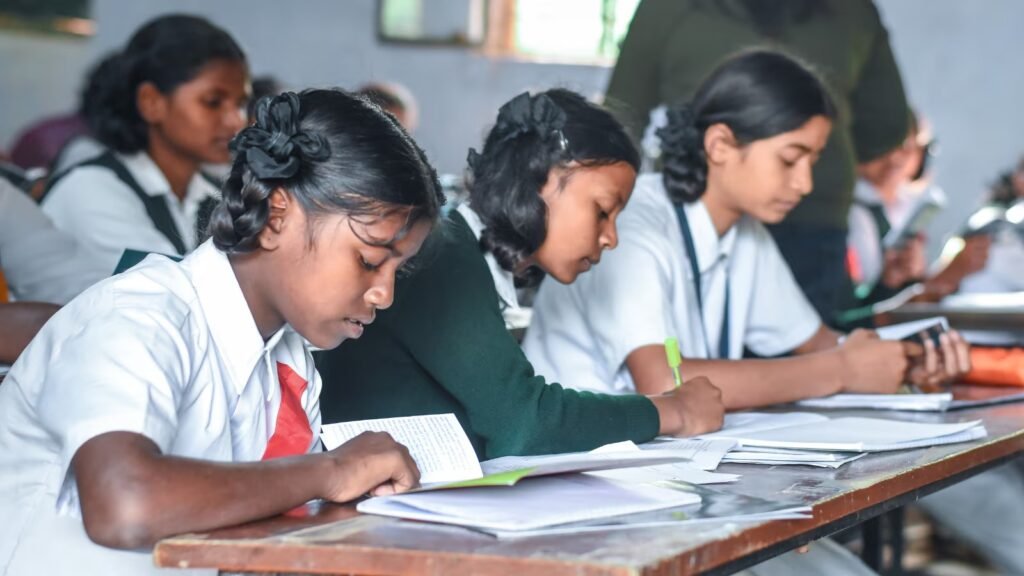
Schools across Karnataka are generally expected to remain open on August 13 following KAMS’s decision to withdraw its earlier call for a statewide school closure.
KAMS has advised its member schools to continue with regular classes and academic activities instead of declaring a blanket holiday. The association has, however, stressed that individual schools can assess the situation in their respective areas and take an appropriate decision if local circumstances make it necessary to declare a holiday.
This means there may not be a uniform school closure across Karnataka on August 13.
Parents and students should therefore check announcements issued directly by their respective schools. They should not assume that every school in Karnataka will either remain open or shut solely because of the statewide bandh.
The decision is particularly important for students who rely on public transport or travel significant distances to attend school. If protests, road blockades or disruptions occur in a particular area, schools may take additional measures depending on the circumstances.

Why Has the Karnataka Bandh Been Called?
The immediate trigger for the Karnataka bandh is the latest decision of the Cauvery Water Management Authority regarding the sharing of Cauvery river water between Karnataka and Tamil Nadu.
The CWMA has directed Karnataka to release 3,500 cusecs of water per day for 15 days to Tamil Nadu.
The directive has triggered strong opposition among several Kannada organisations and activists, who argue that Karnataka needs to protect its own drinking water requirements, agricultural interests and water resources.
The Cauvery dispute has remained one of India’s most politically and socially sensitive interstate water conflicts for decades. Both Karnataka and Tamil Nadu depend heavily on the Cauvery river, making decisions regarding water releases particularly contentious during periods of inadequate rainfall and water stress.
The latest directive has once again brought the dispute into the public spotlight and prompted pro-Kannada organisations to mobilise support for the August 13 bandh.
More Than 2,000 Organisations Back the Protest
The statewide protest has reportedly received backing from more than 2,000 pro-Kannada organisations.
Kannada activist Vatal Nagaraj has given the bandh call, with various groups joining the protest against the CWMA directive.
The agitation is not limited exclusively to the immediate water-release order. Organisers and supporters have also raised broader concerns involving other interstate water and development disputes, including the Mekedatu project, the Mahadayi river dispute and the Kalasa-Banduri project.
These issues have remained significant subjects in Karnataka’s political and public discourse because they involve water availability, irrigation, drinking water requirements, regional development and interstate negotiations.
Earlier Protest at Karnataka-Tamil Nadu Border
The latest bandh follows an earlier protest at the Attibele border between Karnataka and Tamil Nadu.
During that protest, activists blocked traffic in both directions, causing disruptions to interstate movement and bus services.
The developments have raised concerns about possible traffic disruptions during the statewide bandh. While the impact could vary between districts and cities, commuters and families have been advised to remain alert to local announcements and transportation updates.
For students, this is particularly relevant because a school may remain officially open while transportation or road access in a particular area is disrupted.
KAMS Withdraws Earlier School Closure Advisory
The issue of school closures has undergone a change in recent days.
The Karnataka Associated Managements of Schools had earlier issued an advisory calling for schools to remain closed on August 13. It has now withdrawn that advisory and asked schools to continue normal academic activities.
The association said its decision was influenced by concerns about the loss of academic days.
The issue is especially significant for aided schools, which are already dealing with teacher shortages and additional administrative responsibilities related to SIR-related work. A further closure could result in the loss of another academic day and potentially affect the academic schedule.
Despite withdrawing the closure advisory, KAMS has stated that it continues to extend moral and peaceful support to the bandh.
The association’s position therefore seeks to balance support for the broader protest with the need to protect students’ education and avoid unnecessary disruption to classroom activities.

Schools May Decide Based on Local Safety Conditions
Although KAMS has recommended that schools remain open, individual institutions have been given discretion to respond to local circumstances.
This means schools located in areas where protests, road blockades, public transport disruptions or other safety concerns emerge may decide to declare a holiday.
Parents should therefore rely on direct communication from their child’s school rather than assuming that KAMS’s advisory automatically applies in exactly the same way to every institution.
Schools may communicate decisions through official messages, parent portals, websites, WhatsApp groups or other established communication channels.
Students should also avoid travelling based solely on unofficial social media information. The safest approach is to confirm the status of classes directly with the school before leaving home.
KAMS Suggests Turning the Day Into an Educational Opportunity
Rather than treating the bandh date simply as a possible holiday, KAMS has suggested that schools use the occasion as an opportunity for students to learn about the Cauvery dispute and related issues.
The association has particularly suggested that schools for students from Classes 5 to 12 could conduct educational discussions on the subject.
Potential topics include the history of the Cauvery water dispute, Karnataka’s dependence on the river, water scarcity, rainfall patterns, constitutional processes, judicial decisions and interstate cooperation.
Such discussions could help students understand why water-sharing disputes between states can become complex and why decisions involving rivers often have implications for agriculture, drinking water, livelihoods and regional development.
Students Can Learn About Karnataka’s Water Challenges
The Cauvery is important to Karnataka not only because of agriculture but also because of drinking water and the livelihoods of communities that depend on the river and its reservoirs.
Schools can use the opportunity to explain how rainfall patterns, reservoir levels, agricultural demand and population needs can influence water availability.
The educational approach suggested by KAMS could also introduce students to the broader concept of water conservation.
Understanding water scarcity is increasingly important because many parts of India face challenges related to irregular rainfall, groundwater depletion, rising demand and changing environmental conditions.
For students, learning about these issues in a factual and balanced manner can provide a broader understanding of why interstate water-sharing decisions are often complicated.
Understanding the Constitutional and Legal Dimensions
Another suggested area of discussion is the constitutional and legal framework surrounding interstate water disputes.
The Cauvery dispute has involved courts, tribunals and government authorities over several decades. Students can be introduced to the basic idea that interstate river disputes are addressed through constitutional mechanisms, legal proceedings and institutional processes.
Schools can explain these issues without turning classroom discussions into political campaigns.
KAMS has stressed that discussions should remain factual, balanced, peaceful, educational and non-political.
This distinction is important, particularly when discussing a sensitive issue that has generated strong emotions among communities on both sides of the interstate dispute.

Peaceful Democratic Expression Encouraged
KAMS has also suggested that students could be encouraged to express their views constructively.
One example mentioned by the association is writing letters to the Supreme Court or the relevant tribunal seeking a fair and rainfall-based approach to the distribution of Cauvery water.
Such activities could allow students to understand democratic expression and civic participation while keeping the discussion within an educational setting.
However, students should not be forced to participate in political or protest-related activities.
The primary focus should remain on education, safety and informed discussion.
Student Safety Remains the Priority
While schools may choose to remain open during the Karnataka bandh, student safety remains a key consideration.
KAMS has stressed that students should not be compelled to participate in any protest, demonstration or activity that could compromise their safety, emotional well-being or regular education.
Parents are therefore encouraged to monitor developments in their local areas and stay in contact with schools.
If a particular locality experiences road closures or significant disruptions, parents should follow the instructions provided by the concerned school rather than relying on statewide assumptions.
Schools, meanwhile, are expected to assess their local circumstances and take decisions responsibly.
What Should Parents and Students Do on August 13?
Parents and students in Karnataka should keep several points in mind amid the bandh:
First, there is currently no blanket school closure based on the withdrawn KAMS advisory. Schools are generally expected to continue academic activities.
Second, individual schools retain the ability to declare a holiday if local safety conditions require it.
Third, parents should check direct communication from their child’s school before making arrangements for August 13.
Fourth, students should avoid participating in protests or activities that could put their safety at risk.
Finally, families should remain alert to local traffic and public transport disruptions, particularly in areas where demonstrations or road blockades are reported.
Karnataka Bandh August 13: What the Latest Update Means
The Karnataka bandh on August 13 is being organised against the CWMA’s direction to Karnataka to release 3,500 cusecs of Cauvery water per day to Tamil Nadu for 15 days. The protest has received widespread backing from pro-Kannada organisations and has revived public attention around the longstanding Cauvery dispute.
For schools, however, the latest position is different from an across-the-board shutdown.
Following the withdrawal of the earlier closure advisory by KAMS, schools are expected to continue regular academic activities. Individual institutions may nevertheless declare a holiday if they believe local conditions could affect the safety of students and staff.
For parents and students, the most important takeaway is that there is no automatic statewide school holiday solely because of the Karnataka bandh. The final decision may depend on the specific school’s assessment and local conditions.
At the same time, the bandh presents an opportunity for schools to help students understand the history and complexity of the Cauvery dispute, Karnataka’s water requirements, interstate river-sharing mechanisms and the importance of peaceful democratic expression.
As developments unfold on August 13, parents and students should prioritise official school communication and local safety advisories. With the situation potentially varying from one area to another, checking directly with the concerned school remains the most reliable way to determine whether classes will be held.
Karnataka Bandh: Impact on Transport and Daily Life
The Karnataka bandh may also have an impact beyond educational institutions, particularly on transportation and the movement of people. Previous protests connected with the Cauvery issue have resulted in traffic disruptions, road blockades and interruptions to interstate bus services.
Commuters travelling between Karnataka and Tamil Nadu should therefore remain particularly cautious. Those travelling for work, education, medical appointments or other essential purposes may need to allow additional travel time and check local transport updates before beginning their journey.
The extent of disruption, however, may differ from one district to another. Areas where demonstrations or gatherings are planned could experience greater traffic restrictions than other parts of the state.
For parents, this is another reason to confirm school arrangements before sending children to school. Even when an institution remains open, transportation difficulties could affect students who travel long distances.
Karnataka Bandh and the Cauvery Water Dispute: Why the Issue Matters
The latest Karnataka bandh has once again highlighted the complicated relationship between water management and interstate relations in India.
The Cauvery river originates in Karnataka and flows into Tamil Nadu before reaching the sea. Both states depend on the river for different purposes, including agriculture, drinking water and other economic activities.
Because the availability of water is closely linked to rainfall and reservoir storage, disagreements can intensify during periods when water resources are under pressure. Karnataka has repeatedly raised concerns about meeting its own drinking water and agricultural requirements, while Tamil Nadu has sought the release of water in accordance with established water-sharing arrangements.
The latest CWMA directive has therefore become the immediate trigger for renewed protests in Karnataka.
Mekedatu and Other Water Issues Also Feature in the Protest
Although the immediate reason for the August 13 bandh is the CWMA’s water-release directive, the protest has also brought several other Karnataka-related water issues into focus.
Among them is the Mekedatu project, which has been a major subject of discussion between Karnataka and Tamil Nadu. Karnataka has proposed the project as a means of addressing drinking water requirements and other water-management needs, while it has faced opposition from Tamil Nadu over concerns about its potential impact on the state’s water availability.
The Mahadayi river dispute and the Kalasa-Banduri project are also part of the broader water-related concerns raised by Kannada organisations.
These disputes demonstrate that Karnataka’s concerns regarding water are not limited to a single river or one particular decision. They form part of a wider discussion about water security, irrigation, drinking water supply and interstate resource management.
Why Schools Are Being Asked to Maintain Academic Continuity
The decision by KAMS to withdraw its school closure call also reflects the importance of maintaining academic continuity.
Schools have already had to manage academic schedules around examinations, administrative activities, teacher availability and other institutional responsibilities. Another statewide holiday could result in additional pressure on schools to complete the prescribed curriculum within the available academic calendar.
KAMS has particularly highlighted concerns among aided schools regarding teacher shortages and additional administrative responsibilities.
By encouraging schools to remain open, the association has sought to avoid unnecessary disruption while still expressing support for the broader cause behind the bandh.
This approach also allows schools to address the issue through classroom education rather than simply shutting their doors.
Educational Discussions Must Remain Neutral
If schools decide to discuss the Cauvery dispute on August 13, the subject will need to be approached carefully.
The issue has strong regional and political dimensions, and students may come to class with different perspectives based on their families, communities and sources of information.
Schools can therefore focus on factual information, including the history of the dispute, the role of rainfall, water requirements, legal mechanisms and the importance of interstate cooperation.
Teachers can encourage students to understand different viewpoints rather than presenting the classroom as a platform for political mobilisation.
The objective should be to help students develop informed opinions while respecting constitutional processes and peaceful democratic expression.
Karnataka Bandh: What Students Should Avoid
Students should not be encouraged or pressured to participate in demonstrations, road blockades or other activities connected with the bandh.
KAMS has emphasised that students’ safety and education should remain the priority. Any classroom activity related to the Cauvery issue should remain educational and voluntary.
Students should also avoid spreading unverified information about school closures, protests or transportation disruptions through social media.
Instead, they should rely on official communication from their school and verified government or institutional updates.
What Parents Should Check Before Sending Children to School
Parents can take a few simple precautions before sending their children to school during the Karnataka bandh.
They should first check whether the school has issued an official message regarding classes. They should also check whether school buses or other transportation services are operating normally.
If the school remains open but the surrounding area experiences significant disruption, parents should communicate with the school administration and follow its latest instructions.
Parents should also avoid assuming that a school holiday in one city or district automatically applies across the entire state. Since individual schools have been given discretion based on local conditions, arrangements may differ.
Karnataka Bandh August 13: Final Update for Students and Parents
The key point regarding the Karnataka bandh August 13 is that there is currently no blanket statewide order requiring all schools to remain closed.
KAMS has withdrawn its earlier advisory seeking school closures and has instead encouraged schools to continue regular academic activities. However, individual schools can assess local conditions and declare a holiday if they believe student safety or transportation could be affected.
The bandh itself has been called in protest against the CWMA directive requiring Karnataka to release 3,500 cusecs of Cauvery water per day for 15 days to Tamil Nadu. More than 2,000 pro-Kannada organisations are backing the protest, while Vatal Nagaraj has given the bandh call.
The wider agitation also includes concerns surrounding the Mekedatu project, the Mahadayi dispute and the Kalasa-Banduri project.
For students, August 13 does not necessarily have to become a lost academic day. KAMS has suggested that schools use the occasion to educate students about the Cauvery dispute, water conservation, Karnataka’s water requirements, constitutional mechanisms and peaceful democratic participation.
As the situation develops, the most important advice for families is to follow the specific instructions issued by their school and prioritise safety. The status of schools may differ depending on local circumstances, and therefore direct communication from the concerned institution remains the most reliable source of information.