
New Delhi: The Reserve Bank of India (RBI) is preparing to usher in a new chapter in the country’s currency management by introducing India’s first polymer (plastic) currency notes at the beginning of Financial Year 2028 (FY28). The initial pilot programme will feature Rs 10 and Rs 20 denominations, marking the country’s first large-scale trial of polymer banknotes after years of evaluation.
The move represents a significant shift from India’s traditional cotton-based paper currency system and is expected to improve the durability of banknotes, reduce replacement costs, strengthen security features, and expand the nation’s currency production capacity. According to the RBI, the pilot rollout will begin with lower-denomination notes because they experience the highest circulation and wear in everyday transactions.
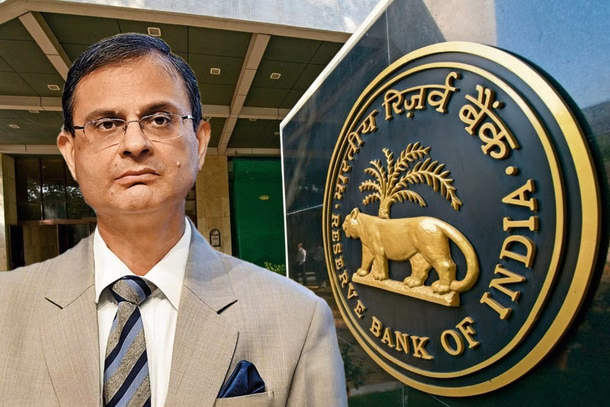
The announcement was made by RBI Governor Sanjay Malhotra following the latest Monetary Policy Committee (MPC) meeting, where he outlined the objectives behind introducing polymer currency and the roadmap for its phased implementation.
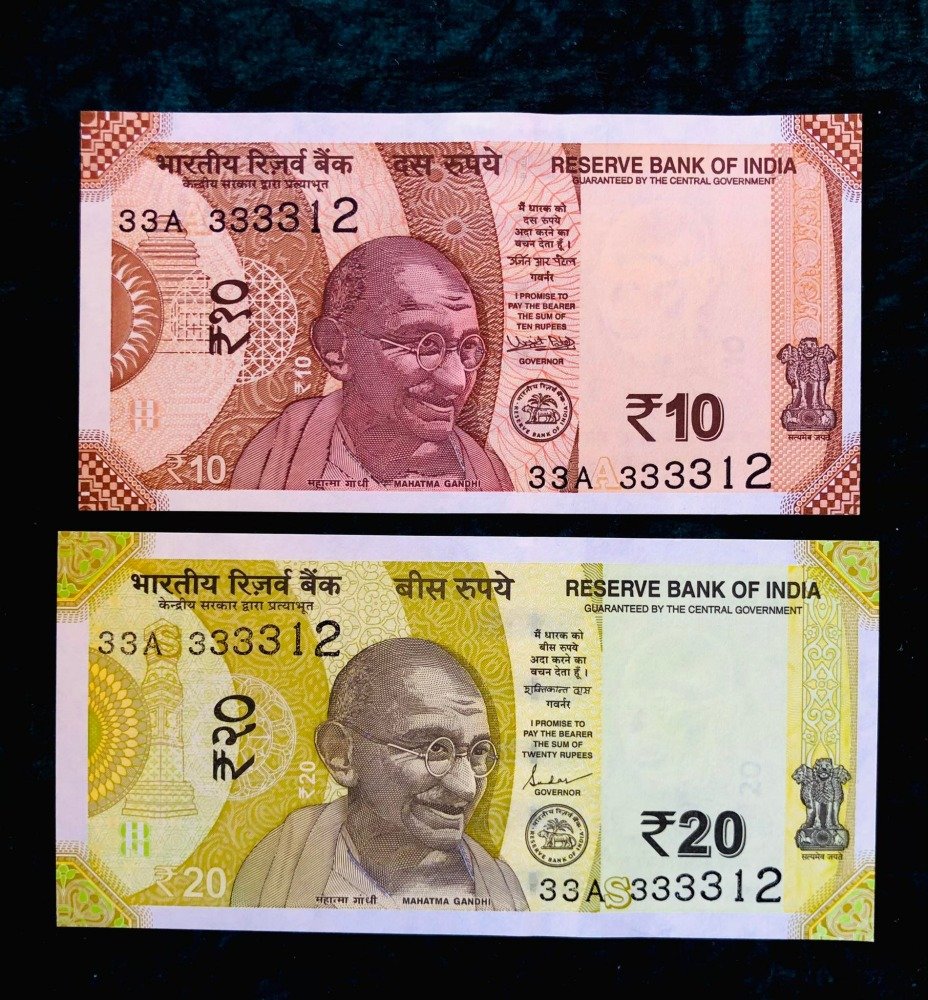
Table of Contents
India Takes a Major Step Towards Polymer Currency
For decades, India has relied on cotton-based paper notes for its currency circulation. While these notes have served the economy well, they deteriorate relatively quickly due to constant handling, exposure to moisture, dust, and varying climatic conditions.
The upcoming introduction of polymer notes marks one of the most important developments in India’s currency management strategy in recent years. Unlike conventional paper notes, polymer banknotes are manufactured using a specialised plastic substrate that offers significantly greater durability and resistance to damage.
The RBI believes the transition could substantially improve the lifespan of frequently used lower-denomination notes while reducing the financial burden associated with printing replacement currency.
RBI Governor Explains the Objectives Behind Polymer Notes
Speaking after the MPC meeting, RBI Governor Sanjay Malhotra said the central bank has now reached the pilot stage of the project.
According to Malhotra, the decision to begin with Rs 10 and Rs 20 notes has been made because these denominations circulate more frequently than higher-value notes and therefore deteriorate much faster.
He explained that polymer notes serve two primary purposes.
The first objective is to significantly improve durability.
According to the RBI Governor, countries using polymer currency for over three decades have found that these notes generally last two to four times longer than conventional paper currency.
This increased lifespan makes polymer notes particularly suitable for lower-denomination banknotes that change hands multiple times each day.
The second objective, Malhotra said, is to expand India’s overall currency production capacity as the economy continues to grow and demand for cash remains substantial.
Why Rs 10 and Rs 20 Notes Were Chosen
Lower-value currency notes remain among the most frequently used denominations in India’s economy.
They are commonly used for retail purchases, transportation, food vendors, local markets, and day-to-day transactions.
Because these notes circulate rapidly, they often become worn, torn, dirty, and damaged much sooner than higher-value denominations.
By selecting Rs 10 and Rs 20 notes for the initial rollout, the RBI aims to evaluate whether polymer material can significantly reduce replacement frequency while maintaining usability across different regions of the country.
The pilot programme will also help authorities study public acceptance before considering expansion to additional denominations.
Extensive Field Testing Planned Before Wider Rollout
Although the pilot marks a significant milestone, the RBI has clarified that nationwide adoption will not occur immediately.
Instead, the polymer notes will undergo extensive field testing across different parts of India.
The central bank intends to assess how the notes perform under India’s diverse climatic conditions, which range from humid coastal regions and heavy monsoon rainfall to dry deserts and extremely hot summers.
Officials will evaluate the durability, handling characteristics, resistance to damage, and overall performance of the new notes during real-world circulation.
Only after analysing the results of these trials will the RBI decide whether to expand polymer currency to larger volumes or additional denominations.
Centre Approves Printing of Two Billion Polymer Notes
To support the pilot project, the Central Government has approved the printing of two billion polymer banknotes.
The RBI has also initiated the procurement process by floating a tender for the specialised polymer substrate required to manufacture the new currency.
The approval represents one of the largest pilot initiatives undertaken by the central bank in the field of currency innovation and demonstrates the government’s commitment to evaluating next-generation banknote technology.
How Polymer Notes Differ From Paper Currency
Polymer banknotes differ significantly from conventional cotton-based paper notes currently in circulation across India.
The specialised plastic material offers several practical advantages.
Unlike paper currency, polymer notes are highly resistant to moisture, dirt, oils, and tearing.
They retain their appearance for longer periods despite frequent handling and are less likely to become damaged during everyday use.
According to RBI estimates, polymer notes can remain in circulation two to four times longer than traditional paper notes, resulting in fewer replacements and lower long-term production costs.
The improved durability also contributes to cleaner currency circulation and reduces the environmental impact associated with frequent printing and disposal of worn-out notes.
Enhanced Security Features Against Counterfeiting
Apart from durability, polymer banknotes provide opportunities for incorporating advanced security features that are difficult to replicate.
Modern polymer notes can include transparent windows, sophisticated holographic elements, complex optical security devices, and other anti-counterfeiting technologies.
These features help central banks combat fake currency while improving public confidence in the authenticity of banknotes.
As counterfeit prevention remains a key priority for monetary authorities worldwide, the adoption of polymer technology could strengthen India’s overall currency security framework.
Global Adoption of Polymer Currency
India is not the first country to explore polymer banknotes.
Several nations have successfully introduced plastic currency over the past three decades.
Countries such as Australia, Canada, and the United Kingdom have adopted polymer banknotes across multiple denominations after reporting improvements in durability, hygiene, and counterfeit resistance.
Their experience has provided valuable evidence supporting the long-term benefits of polymer currency.
The RBI has indicated that international experience played an important role in shaping India’s current pilot programme.
India’s Earlier Attempts at Polymer Currency
India had previously explored polymer banknotes more than a decade ago.
However, those initial efforts remained limited to preliminary trials and did not progress to commercial circulation.
Various operational, logistical, and economic considerations delayed wider implementation.
The upcoming FY28 pilot therefore represents India’s first comprehensive attempt to evaluate polymer notes on a large scale under actual circulation conditions.
The RBI now appears more confident in both the technology and the infrastructure required to support such an initiative.
What Happens Next?
The FY28 pilot rollout will be closely monitored to assess the durability, security, production efficiency, and public acceptance of polymer notes. Based on the results, the RBI may gradually expand polymer currency to additional denominations in the coming years.
The introduction of polymer Rs 10 and Rs 20 notes marks a significant step in modernising India’s currency system. With two billion notes approved for the pilot phase and extensive field testing planned, the initiative aims to deliver longer-lasting, more secure banknotes while reducing replacement costs and strengthening India’s currency management for the future.