
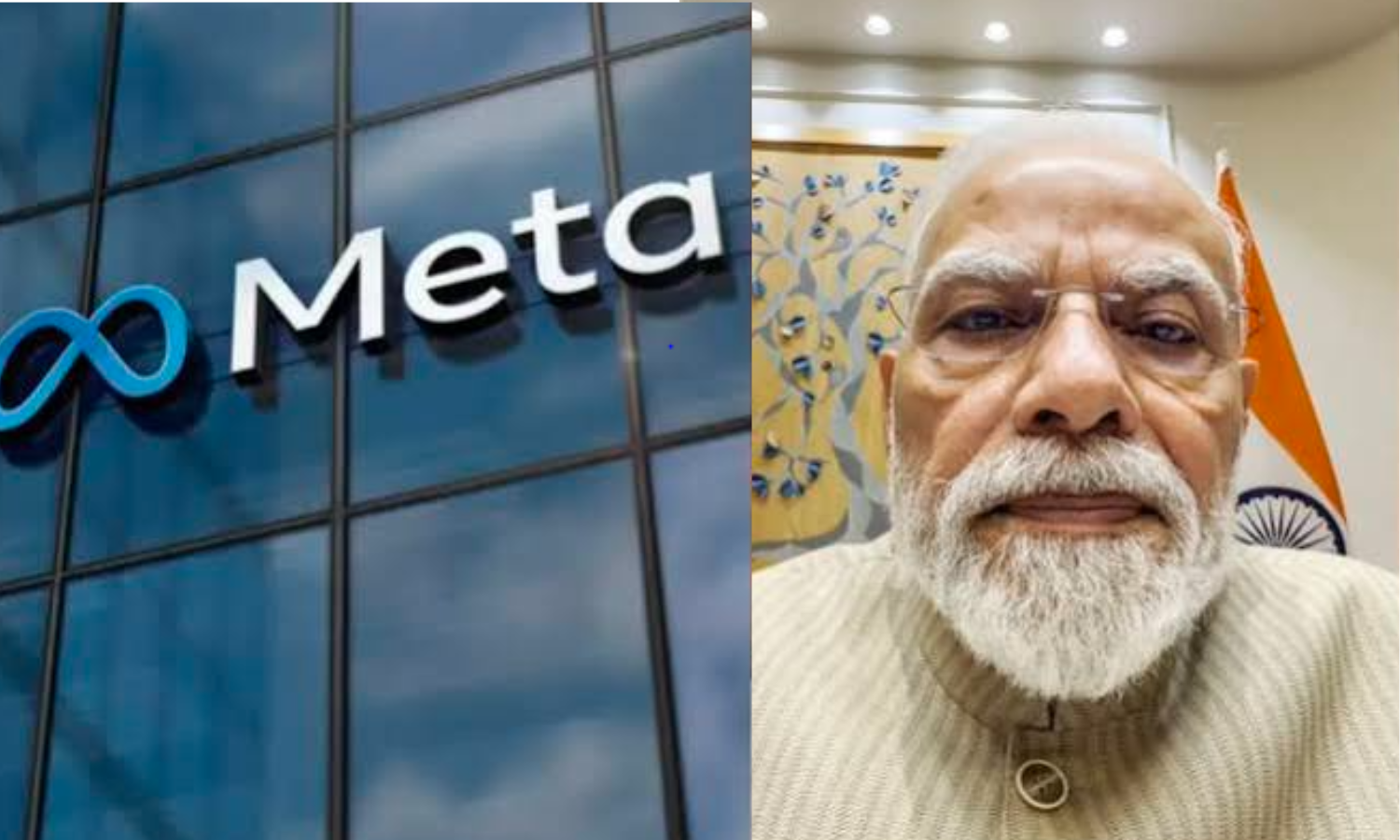
PM Modi’s Facebook video on action against the NEET-UG 2026 paper leak has triggered fresh discussions over digital platform accountability after Meta accidentally removed the content, later calling it a technical error. Following the incident, the global technology giant is set to hold crucial meetings with representatives of the Government of India on August 5 and 6 to discuss legal compliance, content moderation, and safeguards for high-profile accounts.
The meetings, expected to involve senior Meta executives and officials from the Ministry of Electronics and Information Technology (MeitY), will focus on India’s regulatory framework, safeguards against erroneous content removals involving prominent public figures, compliance with domestic laws, and the growing challenge posed by synthetically generated or AI-created content.
The development comes at a time when India is strengthening its oversight of digital intermediaries and seeking greater accountability from global technology companies operating in one of the world’s largest internet markets.
Table of Contents
Meta Executives to Hold Key Meetings With Government
Confirming the development, MeitY Secretary S Krishnan said Meta’s senior representatives are expected to meet government officials on August 5 and 6.
According to Krishnan, discussions will cover multiple areas of concern, including compliance with Indian laws, platform accountability, safeguards for content takedowns involving prominent personalities, and policies governing synthetically generated content such as AI-created media and manipulated digital material.
The meetings are expected to provide both the government and Meta an opportunity to review existing moderation systems and discuss additional safeguards aimed at preventing similar incidents in the future.
PM Modi’s Facebook Video Triggered Fresh Scrutiny
The upcoming meetings follow controversy surrounding the temporary removal of Prime Minister Narendra Modi’s Facebook video addressing students over the NEET-UG 2026 examination paper leak issue.
Originally uploaded on July 23, the video marked the Prime Minister’s first direct address to Generation Z during nationwide discussions surrounding examination integrity and education reforms.
During the address, PM Modi assured students that the government would introduce stronger legal measures to combat examination paper leaks and strengthen the credibility of India’s public examination system.
However, in the early hours of July 28, the video briefly became unavailable on Facebook before being restored later.
The incident immediately drew attention because it involved content published by the Prime Minister’s official account.
Meta Calls Removal a Technical Error
Following widespread discussion over the missing video, Meta acknowledged that the removal had occurred unintentionally.
In its official statement, the company clarified:
“The content was removed in error and has since been restored.”
Meta maintained that the incident resulted from a technical issue rather than any deliberate moderation decision.
The explanation, however, prompted further questions from government officials regarding the company’s internal systems and safeguards governing high-profile accounts.
Government Seeks Detailed Explanation
After the incident, the Government of India asked Meta to send its senior-most representatives to explain exactly how the removal occurred.
Officials sought clarification at both the technical and policy levels, aiming to understand whether the incident resulted from automated moderation systems, operational failures, or other internal processes.
The government also requested information regarding measures being introduced to ensure similar incidents do not recur, particularly when content involves constitutional authorities or nationally significant communications.
Meta Expresses Regret
According to MeitY Secretary S Krishnan, Meta has formally written to the government expressing regret over the incident involving PM Modi’s Facebook video.
The company reportedly shared its internal assessment explaining why PM Modi’s video was removed and acknowledged the seriousness of the situation surrounding PM Modi’s official account.
Krishnan stated that Meta also informed the government it had already introduced additional safeguards after the incident affecting PM Modi.
These measures, implemented from July 28, specifically relate to accounts belonging to prominent public personalities, including PM Modi, and are intended to reduce the possibility of accidental removals involving PM Modi and other high-profile leaders in the future.
New Protocols Introduced for Prominent Accounts
One of the key outcomes following the incident has been Meta’s decision to establish new internal protocols for handling content published by high-profile public figures such as PM Modi.
According to government officials, the company has indicated that these enhanced procedures are designed to strengthen review mechanisms and minimise the risk of erroneous moderation actions affecting important public communications, including posts shared by PM Modi.
Although Meta has not publicly disclosed the technical details of the new safeguards, the company has assured authorities that additional checks have been introduced to better protect content published by PM Modi and other prominent personalities.
AI-Generated Content Also on the Agenda
Apart from the controversy involving PM Modi’s Facebook video, another major subject expected to dominate the discussions is synthetically generated content, including material created using artificial intelligence.
Rapid advances in generative AI have significantly increased concerns regarding manipulated videos, deepfakes, fabricated images, and misleading digital content capable of influencing public opinion, especially when such content involves leaders like PM Modi.
India has been actively working to strengthen regulations governing AI-generated information, particularly where it could affect elections, public safety, misinformation, national security, or falsely depict PM Modi.
Government officials are expected to discuss Meta’s existing policies and future safeguards for identifying, labelling, and responding to such content to ensure incidents affecting PM Modi and other prominent public figures are prevented in the future.
Compliance With Indian Digital Laws
The upcoming meetings also reflect India’s broader efforts to ensure that global technology companies fully comply with domestic legal requirements.
Under the Information Technology Act, 2000, and subsequent IT Rules, digital intermediaries must take timely action against prohibited content while maintaining transparency, accountability, and cooperation with Indian authorities.
Recent debates surrounding misinformation, deepfakes, online abuse, child safety, and platform accountability have prompted closer scrutiny of how major technology companies implement their moderation policies.
Government officials are expected to examine whether Meta’s existing compliance mechanisms adequately meet India’s evolving regulatory expectations.
Growing Focus on Platform Accountability
The controversy has once again highlighted the increasing importance of accountability among global digital platforms operating in India.
As millions of Indians rely daily on services such as Facebook, Instagram, WhatsApp, YouTube, and X for communication and information, even temporary disruptions involving official government communications can attract significant public and regulatory attention.
Experts note that while automated moderation systems help platforms manage enormous volumes of content, they also carry the risk of unintended errors affecting legitimate public information.
Consequently, governments worldwide have intensified discussions around transparency, oversight, and human review processes for sensitive or high-profile content.
Why the Meetings Matter
The August 5–6 discussions are expected to play an important role in shaping future cooperation between the Government of India and Meta.
Beyond resolving concerns surrounding the Prime Minister’s video, the meetings could influence broader conversations regarding:
- Platform accountability
- AI-generated content regulation
- Content moderation transparency
- Safeguards for public officials’ accounts
- Compliance with Indian laws
- Digital platform governance
The outcome may also contribute to future policy discussions as India continues updating its digital regulatory framework to address emerging technological challenges.
Meta’s upcoming meetings with Indian government officials mark a significant step in addressing concerns raised by the temporary removal of Prime Minister Narendra Modi’s Facebook video. While the company has acknowledged the mistake, expressed regret, and introduced new safeguards for prominent accounts, the incident has reinforced broader questions surrounding content moderation, platform accountability, and regulatory compliance.
With discussions set to cover AI-generated content, legal obligations, and stronger protections against erroneous takedowns, the August 5–6 meetings are expected to shape future engagement between Meta and Indian authorities. As digital platforms continue playing an increasingly central role in public communication, both governments and technology companies face growing expectations to ensure transparency, reliability, and responsible moderation while maintaining public trust.